health
Keeping your mind and body in check - popular topics in health and medicine to maintain a long and healthy life.
How I Shed 45 Pounds With 5 Effortless Habits—No Diets Allowed
The Day I Broke Free From Diet Jail Two years ago, I stood in my bathroom, glaring at a scale that mocked me with 205 pounds. My reflection showed a tired 33-year-old who’d ballooned from a vibrant college grad into someone who hid in baggy sweaters. Diets had been my tormentors—endless cycles of cabbage soup, carb bans, and tears over forbidden chocolate. Each one ended the same way: me, defeated, elbow-deep in a chip bag. I was done.
By GHABANI BOULEFAA2 years ago in Longevity
Root Canal vs. Extraction: The Importance of Tooth Preservation. AI-Generated.
Tooth pain can be distressing, and when a dentist presents you with two options—root canal treatment or extraction—it’s natural to wonder which one is best. While both procedures have their place in dental care, saving a natural tooth through root canal treatment is often the better long-term solution.
By Northern Dental Gordon2 years ago in Longevity
Digital Detox: How a Week without Social Media Changed My Life
Start writing...It started with a challenge—a simple decision to log out for seven days. No Instagram. No Twitter. No late-night TikTok rabbit holes. Just me, the real world, and the uneasy silence that social media once filled. At first, it felt like quitting an addiction cold turkey. My fingers twitched to refresh a nonexistent feed. I caught myself unlocking my phone out of habit, only to stare blankly at the empty screen before putting it down. The FOMO (fear of missing out) was real. What if I miss a major trend? What if my friends think I’m ignoring them? What if something important happens and I have no idea? It was strange to realize how deeply social media had woven itself into my daily life. It wasn’t just about entertainment—it was my go-to distraction, my default escape from boredom, and my instant connection to the world. Day 1-2: The Withdrawal Phase The first two days were brutal. I kept reaching for my phone, only to realize there was nothing to check. I suddenly noticed how often I used social media as a filler—standing in line, waiting for coffee, even during conversations. Without the constant flood of updates, the world felt… slower. Instead of scrolling through my morning feed, I sat quietly with my coffee. I actually tasted it this time. The warmth, the bitterness, the slight sweetness from the sugar—it was an experience, not just a routine. Without the distraction of other people’s lives, I was left with just my own thoughts. It was unsettling at first, like meeting a long-lost stranger—myself. The silence was deafening, but I told myself to sit with it. To embrace it. Day 3-4: The Awakening By the third day, something strange happened—I felt lighter. Without the pressure to keep up with curated highlight reels, I focused on my reality. I picked up an old book, the kind with real pages and no screen glare. I went on a walk without stopping for a selfie. I sat in a café and actually looked around instead of staring at my screen. The world felt… richer. I noticed things I usually ignored—the way the wind rustled through the trees, the way the barista greeted every customer with a warm smile, the way my own thoughts flowed when they weren’t constantly interrupted by notifications. That night, I had the best sleep in months. No doom-scrolling. No late-night reels keeping my brain wired. Just rest. Day 5-6: Rediscovering Life By the fifth day, I had a breakthrough. I had deeper conversations with friends—without checking my phone mid-chat. I cooked a meal without feeling the need to post it. I even caught myself smiling just for me, not for an audience. I started writing again—something I hadn’t done in years. I wrote down my thoughts, my feelings, my dreams. Without the constant noise of social media, I could actually hear my own voice again. The biggest shock? I wasn’t missing out. Social media made me believe I had to be constantly connected, but life outside the screen was just as vibrant—maybe even more so. I also realized how much time I had wasted before. Hours spent mindlessly scrolling, comparing, consuming. Now, those hours were mine. And I was using them to do things that actually mattered. Day 7: The Realization On the last day, I had a choice: log back in or stay disconnected. I wasn’t sure I wanted to return. Of course, social media isn’t all bad—it connects, inspires, and entertains. But I learned an important lesson: I should control it, not the other way around. So, I made a new rule—no social media before bed, no mindless scrolling, and one full day offline every week. Because the best moments? They’re the ones you don’t need to post to remember. Would You Try It? If you’ve ever felt overwhelmed by the constant noise of social media, I challenge you to try a 7-day digital detox. You might be surprised by what you find.
By Gift Abotsi 2 years ago in Longevity
Nail Fungus Warning: 7 Signs You Shouldn't Ignore!. AI-Generated.
Nail fungus exists as a frequent medical problem that becomes difficult to treat effectively when people ignore its early symptoms. Nail fungus originates as a tiny spot beneath the nail before spreading to create discoloration while making the nail become thick and possibly resulting in nail loss. Proper management of the infection depends on being able to detect its initial warning signs. People should not dismiss the following seven symptoms of nail fungus. 1. Yellow or White Spots on Nails Yellow, white, or brown spots serve as the first noticeable mark of developing nail fungus. The spots typically develop underneath the nail plate before they start spreading throughout the area. The fungus causes nail discoloration through its destructive process against keratin tissues in the nail. Unattend nail fungus causes the discoloration to worsen until the entire nail transforms into dull yellow or brown. The infection requires early medical intervention to stop its movement between body areas. 2. Thickened Nails The fungal infection produces nail thickening as a primary symptom. The texture modification of the nail makes it harder to trim and maintain. The nail develops an abnormal thickness because fungal debris accumulates beneath its surface. Nail brittleness, together with crumbliness, emerges as the infection progresses to an advanced stage. You should examine your nails regularly to check for unusual thickness because seeking medical advice becomes necessary when you identify any abnormalities. 3. Brittle or Crumbling Nails Advanced nail fungus leads to the development of brittle fingernails. The breakable nature of infected nails occurs because fungal infection makes them more likely to break. The fungal infection might cause several layers of your nail to strip away from your body. The condition leads to nail discomfort, which becomes worse under shoe pressure and while touching the affected nail. 4. Foul Odor from Nails A foul odor emanating from the nails serves as a major indicator of fungal infection. Fungal debris, together with bacterial growth, causes this scent to develop. A foul odor, even with proper hygiene care, requires you to consult a healthcare professional. 5. When a fungal infection affects the area between your nail and nail bed, it is called onycholysis. The most severe stages of infection cause detachment between the nail and the nail bed, which health professionals call onycholysis. A noticeable gap develops between the nail and skin base because of this condition, and the affected area tends to be painful. The affected nail becomes loose before it eventually detaches if medical intervention does not occur quickly. 6. Pain and Tenderness The progression of fungal infections increases the intensity of both pain and tenderness symptoms. Swelling along with redness happens because of the nail inflammation. The swollen nail creates pressure that results in walking and shoe-wearing discomfort. 7. Changes in Nail Shape A noticeable shape change and texture abnormality of the nail stand is an important warning sign. The nail undergoes changes that result in a warping and wavy appearance, as well as ridging. The nail can grow abnormally when severely infected, which results in ingrown nails together with additional health issues. Causes and Risk Factors of Nail Fungus Warm and moist conditions allow nail fungus, also known as onychomycosis, to multiply. Onychomycosis occurs for multiple reasons, which also include different risk factors: • The lack of proper hygiene practices involving hands and feet will elevate the chances of contracting infections. • The extended use of damp socks inside moist shoes creates the perfect conditions for fungal growth. • Infections become more likely when a person has a compromised immune system. • Frequent visits to public pools and gyms as well as communal showers expose individuals to fungal spores. • Small damages to the nails provide fungi with opportunities to enter the body. Preventing Nail Fungus To stop nail fungus from developing, you need proper hygiene practices along with preventive measures. The following precautions will help reduce your chance of developing nail fungus: • Maintain both hands and feet clean with dry conditions. • Users should trim their nails constantly while practicing proper hygiene techniques for the nails. • Maintain barefoot exposure only in private environments. • Wear both socks that draw moisture away from your skin and footwear made from breathable materials. • Regular disinfection of nail clippers and tools is necessary. • Your selection of professional salons should include ones that follow detailed sterilization practice guidelines. When to See a Doctor You should visit a healthcare professional whenever you observe the mentioned signs. Timely recognition of nail fungus enables doctors to stop the infection from affecting more nails or skin areas. Advanced nail fungus infection can result in permanent nail damage together with secondary bacterial infections. Under the guidance of your doctor, you might receive antifungal medications together with topical treatments, or in severe scenarios, they will suggest nail removal. The speed of treatment recovery improves through early medical diagnosis, which also prevents additional health problems from developing. Final Thoughts Total disregard of nail fungus will result in both painful symptoms and permanent nail damage. The early detection of these 7 warning signs, followed by immediate medical intervention, will help you protect your nails from additional damage. Maintaining proper hygiene and regular nail care will serve as your main protection against fungal infections.
By Mohit Rana2 years ago in Longevity
Morning Routines of Highly Successful People (And How to Build Yours)
Ever wonder how highly successful people start their mornings? While there's no one-size-fits-all formula, many of the world’s top performers—from CEOs to athletes—share certain habits that set the tone for a productive day. Their routines aren’t just about waking up early; they’re designed to boost energy, enhance focus, and create momentum. If you’re looking to improve your own mornings, this article will explore what high achievers do—and how you can craft a routine that works for you. Common Morning Habits of Highly Successful People 1. Waking Up Early Most successful people rise before the rest of the world. Apple CEO Tim Cook is up by 3:45 AM, Oprah Winfrey starts her day at 6 AM, and Richard Branson wakes with the sunrise. Waking up early gives them quiet time to plan, reflect, and start their day without distractions. How to Apply It: Try waking up just 30 minutes earlier than usual. Use this time for something meaningful—reading, exercising, or planning your day. 2. Hydrating and Fueling the Body After hours of sleep, your body is dehydrated. That’s why many successful people start their day with water, lemon water, or even a green smoothie. For example, Tony Robbins drinks a mixture of water, lemon, and apple cider vinegar to rehydrate and balance his body’s pH. How to Apply It: Keep a glass of water by your bed and drink it first thing in the morning. Consider adding lemon or a pinch of sea salt for extra benefits. 3. Exercising to Energize the Body Many successful people swear by morning workouts. Barack Obama, for example, prioritizes strength training and cardio in the morning. Virgin Group’s Richard Branson enjoys kite surfing, and Tim Ferriss follows short, intense workouts. How to Apply It: Find a form of exercise you enjoy—yoga, running, weightlifting, or even a brisk walk. Even 10–15 minutes of movement can boost energy and focus. 4. Practicing Mindfulness or Meditation Oprah Winfrey and Jeff Weiner (former LinkedIn CEO) meditate in the morning to set a calm and focused mindset. Mindfulness practices help reduce stress, increase clarity, and enhance decision-making. How to Apply It: Start with just five minutes of deep breathing or guided meditation. Apps like Headspace or Calm can help you get started. 5. Planning the Day with Intention Successful people don’t just let the day happen to them—they plan it. Benjamin Franklin famously mapped out his entire day in advance. Modern leaders like Elon Musk break their time into small, focused blocks to maximize productivity. How to Apply It: Write down three top priorities for the day. Use a planner or an app to organize your tasks. 6. Reading or Learning Something New Billionaires like Warren Buffett and Bill Gates dedicate part of their mornings to reading. Buffett once said he spends 80% of his day reading because knowledge compounds over time. How to Apply It: Read 10–20 pages of a book each morning. Listen to a podcast or an audiobook while getting ready. 7. Avoiding Technology (at First) Many successful people resist checking emails and social media first thing in the morning. Arianna Huffington, for instance, believes diving into emails immediately puts you in a reactive mode instead of a proactive one. How to Apply It: Delay checking your phone for at least 30 minutes after waking up. Use this time for self-care, planning, or quiet reflection. How to Build Your Own Morning Routine Now that you know the habits of high achievers, how do you create a routine that works for you? 1. Start Small Trying to overhaul your entire morning at once can be overwhelming. Instead, pick one or two habits to add and build from there. 2. Customize It to Your Lifestyle Not a morning person? That’s okay! Your routine doesn’t have to start at 5 AM. What matters is consistency and intentionality. 3. Prepare the Night Before A great morning starts the night before. Lay out your workout clothes, plan your to-do list, or prep a healthy breakfast to make mornings smoother. 4. Track Your Progress Use a habit tracker or journal to monitor your new routine. Adjust as needed to find what works best for you. Final thoughts The way you start your morning sets the tone for the rest of the day. Whether you wake up at 4 AM like Tim Cook or prefer a more relaxed start, the key is to be intentional. Experiment with different habits, stay consistent, and over time, you’ll build a morning routine that fuels your success.
By Gift Abotsi 2 years ago in Longevity
Scientists Discover Lyme Disease’s Weak Spot – A Game-Changer for Treatment
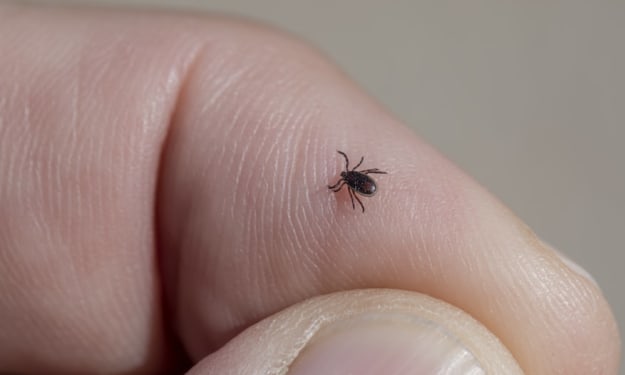
Lyme disease is the most common tick-borne illness in the United States and Europe. It is caused by the bacterium Borrelia burgdorferi, which has developed unique ways to survive inside the human body. Scientists have now discovered a critical weakness in this bacterium an enzyme called BbLDH that could lead to revolutionary new treatments. This exciting discovery, published in the journal mBio, opens up the possibility of developing targeted drugs that stop Lyme disease without harming beneficial bacteria in the body.
By Akrang Raja 2 years ago in Longevity
How to 100 Years Remaining Fit: Opening the Key to Long lasting Imperativeness
Demonstrated Procedures for Keeping up with Strength, Adaptability, and Mental Lucidity as You Age Smoothly Presentation: Staying fit and sound into old age isn't just a state of the art objective — it's a well-established liability. Showing up at 100 years of age sound is as of now not a far off dream for certain people. With advances in clinical science, better food, and a more significant perception of physical and mental success, a steadily expanding number of individuals are continuing with better lives as they become more established. Anyway, how should one stay fit and stay aware of wellbeing the entire way to 100 years old? This guide gives a total manual for achieving well established vitality.
By Md Obydur Rahman2 years ago in Longevity