health
Keeping your mind and body in check - popular topics in health and medicine to maintain a long and healthy life.
Most of the problems in your life are due to two reasons: you act without thinking, or think without acting.. AI-Generated.
Okay, I will deliver the article based on the provided guidelines and constraints. Most of Your Problems Boil Down To This: Thinking vs. Doing Ever feel like you're stuck in a rut? Maybe your finances aren't where you want, or relationships always seem to fall apart. Perhaps your career has stalled, leaving you frustrated. In many cases, the root cause of these issues isn't bad luck. Instead, its tied to how we approach decisions, and actions. This article will break down the two main ways we trip ourselves up. One, acting without thinking. Two, thinking without acting. We'll provide simple ways to find a balance, and start tackling problems head-on. The goal is to give you the tools to make choices that help you live a happier, more successful life. The Perils of Impulsive Action (Acting Without Thinking) Acting without thinking means doing things without really considering the outcome. Its when you react on emotion, not logic. This can lead to all sorts of problems. You might make rash decisions you later regret. You might hurt the ones you care about, or wreck your own goals. The Immediate Gratification Trap We all like getting stuff now. But waiting can be better! The desire for instant rewards often leads to bad choices. These choices create long-term issues. It's easy to overspend. Credit cards make it simple to buy things you don't need. This leads to debt that can be tough to shake. The Relationship Wrecking Ball Relationships need care. Impulsive reactions, however, can ruin them fast. Saying mean words when mad hurts badly. Not thinking about other peoples feelings leads to big fights. It destroys trust and connection. Words can't be taken back, choose them with care. Actionable Tip: The Pause Button Want to stop acting impulsively? Try hitting the pause button. Before you react, take a breath. Count to ten. Give yourself a moment to think. This little bit of reflection prevents a world of regret. It lets you respond, not just react. The Paralysis of Overthinking (Thinking Without Acting) Thinking without acting means getting stuck in your head. Its endless planning, but no doing. It is trapped in analysis paralysis. Overthinking can be just as harmful as acting too fast. It stops you from achieving your goals. The Endless Loop of What-Ifs Worrying is normal, but too much kills progress. "What if I fail?" "What if it's a mistake?" These questions create a loop of fear. They make you scared to even try new things. This can lead to anxiety and missed chances. The Perfectionism Prison Wanting things perfect sounds good. But it can hold you back. The search for perfection causes procrastination. You delay starting projects, because its "not perfect yet." This can kill ideas before they even have a chance to grow. Actionable Tip: The 5-Minute Rule Stuck in overthinking? Try the 5-minute rule. Commit to doing a task for just five minutes. Often, that's enough to break the ice. You'll find it easier to keep going once you've started. Finding the Sweet Spot: Balancing Thought and Action Finding a balance between thinking and doing is key. Not too much of either. Think before you leap, but don't just stand there. Find the place where careful planning meets decisive action. The Power of Strategic Planning A plan is a map. It shows you where you're going, and how to get there. Good planning involves setting goals. Break big goals into small steps. Make these steps manageable. This makes the whole process less scary, and more achievable. The Importance of Iteration and Learning Nobody gets it right the first time. Learning from mistakes is how we grow. Don't be afraid to change your plan as needed. A failed project provides new information. This new information can be valuable for future tries. Practical Techniques for Improved Decision-Making Good decisions lead to a better life. There are some simple techniques that improve choices. These tools help you weigh options, and see things clearly. They get you out of your head. The Eisenhower Matrix This tool helps you sort tasks. It is based on urgency and importance. Urgent, important tasks you do now. Important, not urgent tasks you schedule. Urgent, not important tasks you delegate. Neither urgent nor important tasks you dump. The Cost-Benefit Analysis Before making a choice, list the pros and cons. What are the good things that could happen? What are the bad? Weigh the cost versus the benefits. This gives you a clear view of what you're risking, versus what you might gain. Real-World Examples of Balanced Approaches Seeing how others have done it is inspiring. Plenty of companies and people have found a sweet spot. They balance thinking and doing to achieve great things. Look around for inspiration to fuel your own success. Case Study: A Startup's Iterative Approach A new tech company has an idea for an app. Instead of spending a year perfecting it, they launch a basic version fast. They get real user feedback and make constant changes. This iterative approach lets them build something people really want. Case Study: A Leader's Strategic Decision A CEO faces a tough choice: lay off employees or risk the company. She spends weeks gathering data and getting advice. Finally, she decides to make targeted cuts, while offering support to those affected. This saved the company, and minimized harm. Conclusion Most problems come from two things. First, acting before thinking. Second, thinking instead of acting. Recognizing these traps is the first step. Balancing thought and action can be tough, but is worth it. Take the actionable tips from this article. Use them in your own life. Pause before you react, and start before you're ready. Soon you'll start making better choices. Choices that lead to a more successful, happier you.
By Story silver book 2 years ago in Longevity
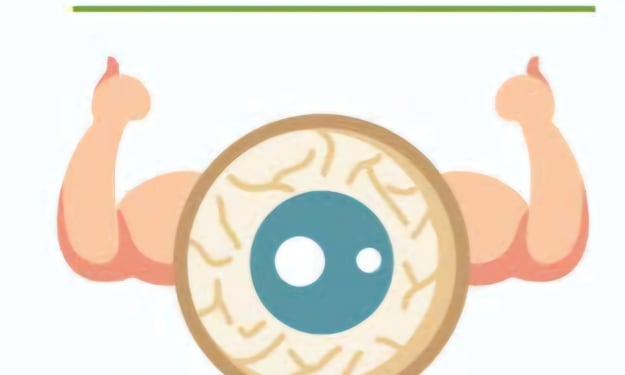
5 Best Foods for Eye health and vision
Remember, when nothing else works, food does! This isn’t just a guess—it’s true. Food nourishes our body from the inside out, strengthening every organ, including our eyes. Yes, even your eyes need the right foods and eye health supplements to stay healthy and see the world. But remember to only get the eye health supplements from a verified eye specialist in Nagpur or one nearby. However, as we age, our eye health can be affected by various issues, and our lifestyle can make things worse. But if you include foods for eye health in your diet, the results can be different. What you eat plays a big role in maintaining eye health and clear vision.
By Mrunali Gajbhiye2 years ago in Longevity
The Benefits of Communal Sweating: Exploring the Rise of Social Sauna Experiences
In recent years, the ancient tradition of communal sweating has experienced a remarkable resurgence in popularity. What was once a ritual rooted in various cultures worldwide is now being embraced as a contemporary wellness practice, particularly through social sauna experiences.
By Richard Bailey2 years ago in Longevity
Dental Implants: A Permanent Solution for a Stronger, Healthier Smile. AI-Generated.
The loss of a tooth disrupts your chewing ability and speech clarity and reduces the quality of oral health maintenance. Patients receive permanent, durable solutions through dental implants because they replicate natural teeth visually and functionally.
By Northern Dental Gordon2 years ago in Longevity
Wisdom Tooth Removal: A Step-by-Step Guide to a Smooth Recovery. AI-Generated.
Wisdom tooth removal is a common dental procedure preventing potential problems, including tooth pain, crowding, and infections. Whether your wisdom teeth are impacted or growing at an odd angle, your dentist may recommend extraction to maintain oral health.
By Marketfair Dental Care2 years ago in Longevity
Anti-Aging Breakthroughs and What They Mean for You
Aging has lengthy been taken into consideration an inevitable part of life, but with groundbreaking medical improvements, humanity is at the verge of redefining what it way to develop vintage. In current years, researchers have made first-rate progress in information the biological mechanisms of aging and developing treatment options to sluggish, halt, or even reverse its results. From gene enhancing to regenerative medicine, the sphere of anti-getting old science is rapidly evolving. In this article, we are able to explore the most promising anti-ageing breakthroughs, their implications, and what they mean for the future of human longevity.
By Karen Anthony2 years ago in Longevity
Scientists Found The Silent 'Scream' of Human Skin For The First Time
Scientists Found The Silent 'Scream' of Human Skin For The First Time The human body is an intricate and sophisticated system that constantly communicates with its environment in ways we are only beginning to understand. In a groundbreaking discovery scientists have for the first time identified a silent "scream" emitted by human skin in response to damage. This fascinating revelation sheds new light on how our bodies react to injuries and stress at a molecular level opening up new possibilities in medical science wound healing and disease detection. At the core of this discovery lies the concept of mechanobiology the study of how physical forces and mechanical properties influence biological processes. Researchers found that when human skin experiences harm whether due to injury environmental stress, or chemical exposure it releases specific molecular signals. These signals while undetectable to the human ear can now be identified and analyzed using advanced biosensors and imaging techniques.
By Adnan Rasheed2 years ago in Longevity
"Rewiring the Aging Brain: Science-Backed Strategies for Seniors"
Understanding how to change your brain through science In the past, people believed that the brain stopped developing at a certain age. However, scientists now know that the brain can change and grow throughout life. This ability is known as neuroplasticity. When we experience new things, change habits, or learn new skills, the brain forms new connections and pathways between existing neurons. This process helps the brain to adapt, grow, and stay sharp. By following certain practices, we can keep our brains healthy and flexible, even as we age.
By Vijay Koul2 years ago in Longevity