health
Keeping your mind and body in check - popular topics in health and medicine to maintain a long and healthy life.
How Does Citrus Lower the Risk of Depression?
Depression is a concerning condition in the present world. About 280 million people are suffering from mental health problems, including depression. Depression not only affects a person’s mental wellbeing but also the quality of life.
By Physics uuabout a year ago in Longevity
What No One Tells You About My Year-Long Sugar Ban
I didn't suddenly decide to stop eating sweets. It wasn't a New Year's goal or a diet fad. I had to be desperate. Something had to change after years of feeling stuck with weight gain, mood swings, cognitive fog, and exhaustion.
By GOOD HEALTHabout a year ago in Longevity
The Silent Killer Hiding in Your Gut: Why Visceral Fat Is More Dangerous Than You Think
You might think that pinchable belly fat—the muffin top, the love handles—is the worst offender when it comes to health risks. But here’s the twisted truth: the real danger isn’t what you can grab… it’s what’s lurking beneath.
By Rukka Novaabout a year ago in Longevity
THE ANTI-AGING REVOLUTION: SCIENCE, SPICES AND LONGER LIFE—WHAT'S NEXT?
Outsmart Aging: Small Setbacks Shouldn't Define Your Week As we age, it’s common to experience unexplained aches, forgetfulness, or even notice small changes in appearance, like feeling younger just a few days ago. Aging isn't just about wrinkles; it's about how we feel as the years pass. While science is pushing the boundaries with longevity research, simple lifestyle choices can make the difference.
By Nikitha Gentalaabout a year ago in Longevity
Cancer Prevention: How Sleep, Hydration, and Daily Habits Can Reduce Your Risk. AI-Generated.
I. The Link Between Sleep Deprivation and Cancer Risk Chronic sleep disruption has a direct biological impact on immune function. A 2023 study from Harvard Medical School revealed that individuals who sleep less than six hours daily face a 37% higher cancer risk compared to those with adequate sleep. This correlation is tied to the critical overnight repair window (11:00 PM – 3:00 AM), during which sleep deprivation reduces natural killer (NK) cell activity by 70%, impairing the body’s ability to detect and eliminate cancerous cells.
By Anthony Davisabout a year ago in Longevity
Mama, Why Is Your Skin So Dry?
Many of you know I take care of my sick Mama a lot. Papa does a good job, but right now work has him gone right now. And bless my brother-in-law's heart. But he is very much a simple man when it comes to personal hygiene. Neither one of them knows that women, though we don't need anything fancy by far, need a little more maintenance.
By Hope Martinabout a year ago in Longevity
Hay Fever Relief: 20 Doctor-Approved Tips to Beat Allergies This Summer
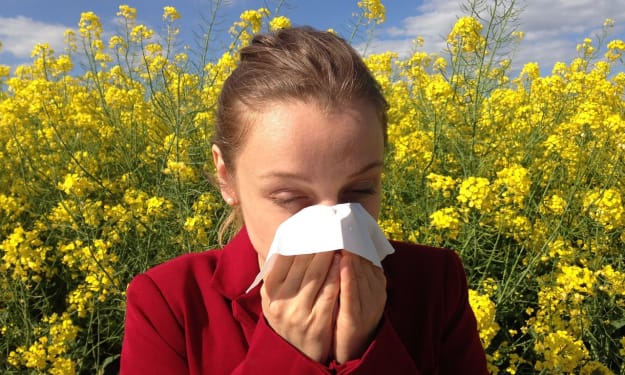
Do you dread the sunny season because of sneezing, itchy eyes, and a stuffy nose? Hay fever, also known as allergic rhinitis, affects millions, especially during high pollen seasons. But don't worry—experts and allergy doctors have shared their best advice to help you beat hay fever and breathe easy again. What Is Hay Fever? Hay fever is an allergic reaction caused by pollen from trees, grass, and weeds. It leads to inflammation in your nose, eyes, and throat. You may feel itchy, sneezy, congested, or have watery eyes. It’s not something you’re born with—it can develop later in life, even in your 20s or 30s. Why Hay Fever Is Getting Worse Thanks to climate change, plants are producing more pollen. This makes hay fever season start earlier and last longer. According to doctors, about 25% of adults in the UK have a pollen allergy—and that number is rising. Common Symptoms of Hay Fever
By Akrang Raja about a year ago in Longevity
Got Extra Fat?
It all started with a discovery that didn’t seem particularly life-altering. A cosmetics company sponsoring research on human longevity figured out special properties of the cells that make up the outer human ear, scientifically known as Keratinized Stratified Squamous Epithelium (KSSE), or type of tissue characterized by multiple layers of flattened cells that are hardened and waterproofed by keratin. Specifically, KSSE have longer biological life and virtually do not age or form wrinkles.
By Lana V Lynxabout a year ago in Longevity
Nicotine and Alzheimer’s Disease: A Complex Chemistry of Hope and Risk
Unveiling the Intricate Relationship Nicotine—often vilified as the addictive engine behind tobacco—has begun to reemerge under the scientific spotlight, not as a villain, but as a potential ally in the war against Alzheimer’s disease. In recent years, research has started peeling back the layers of this controversial compound, revealing complex mechanisms that may impact the development and trajectory of Alzheimer’s. Far from a simple stimulant, nicotine engages the brain’s chemistry in ways that continue to puzzle and intrigue researchers. The story unfolding is not one of black-and-white answers, but of grey areas rich with both promise and peril.
By Kamel Saidaniabout a year ago in Longevity
The Incredible Egg
"The Misunderstood Champion" For centuries, eggs have been a breakfast staple–simple, humble, yet packed with more nutrition than most so-called "superfoods". Yet somewhere along the way, fear crept in. "Aren’t eggs bad for cholesterol?" "Won’t they clog my arteries?" However, we need facts–science has cleared the charges once held against the egg. Not only are they not capable of harm–they’re one of the most nutrient-filled dishes on Earth. Let’s crack open the “8 proven benefits” of eggs and discover why they deserve a permanent spot on your plate. 1. The Cholesterol Myth: Why Eggs Don’t Harm Your Heart Yes, eggs contain cholesterol–about ‘187mg per egg’ (two-thirds of your daily intake). But here’s the twist: “dietary cholesterol doesn’t spike blood cholesterol" “like we once thought”. - Studies reveal that “70% of people experience no rise in LDL (a.k.a ‘bad’ cholesterol) from eggs.” - Eggs actually boost HDL (a.k.a ‘good’ cholesterol), which protects your heart. - The liver produces cholesterol daily–if you eat more, it simply makes less (Cholesterol homeostasis). Verdict: Eggs aren’t the villain. They’re a “heart-healthy food”. 2. Choline: The Brain’s Secret Weapon (You’re Probably Deficient) Ever heard of “choline”? Most people haven’t—yet it’s “vital for brain function, cell membranes, and liver health”. - “One egg = 100mg+ of choline” (25% of your daily needs). - Critical for “memory, fetal brain development, and detoxification”. - Low choline? Linked to “fatty liver disease and cognitive decline”. Fun fact: Pregnant women need *extra choline—and eggs are the easiest source! 3. Heart Protector: Eggs Fight LDL Cholesterol For decades, eggs were blamed for heart disease. Now, research flips the script: - Eggs *raise HDL* (the "cleanup crew" cholesterol). - They *change LDL particles from small/dense (dangerous) to large/fluffy (harmless). - A 2020 study found “no link between eggs and heart disease in healthy adults. Bottom line: Eggs reduce heart risks, not worsen them. 4. Eye Armor: Lutein & Zeaxanthin (Nature’s Sunglasses) Aging eyes face macular degeneration—the leading cause of blindness. Eggs fight back: - Loaded with lutein and zeaxanthin, antioxidants that ‘shield your retinas’. - Studies show ‘egg eaters have 20-30% lower cataract risk’. - These nutrients are *better absorbed from eggs than spinach* (thanks to the fat in yolks!). Pro tip: Want maximum eye benefits? Don’t skip the yolk!
By FAVOURFRANCIS OFILIabout a year ago in Longevity