health
Keeping your mind and body in check - popular topics in health and medicine to maintain a long and healthy life.
How climate change is supercharging pollen allergies
Climate change amplifies the potency of pollen allergies, making them more severe than ever. Climate change presents itself as a current life-threatening issue through unexpected impacts that affect our daily routines. Pollen allergies have emerged as a prevalent medical complication that ranks among the most unpleasant allergies today. Allergy seasons are becoming longer and more severe based on reports from worldwide populations that suffer from allergic reactions. Seasonal symptoms such as sneezing and eye itching, along with respiratory discomfort, now qualify as long-term health issues. But why is this happening? The rising temperature of the Earth affects the seasonal cycle of plants that produce pollen.
By Fuad Naserabout a year ago in Longevity
Effective and Sustainable Weight Loss: Finding the Right Approach for You
America’s struggle with weight is no secret. Nearly 75% of adults face challenges with being overweight or obese, according to the CDC. Despite millions investing time and money into diets each year, lasting success remains elusive for many. The truth is, sustainable weight loss isn’t about quick fixes or extreme restrictions—it’s about creating a personalized, balanced lifestyle that you can maintain long-term. Let’s explore practical strategies to help you achieve your goals. The Foundation of Healthy Weight Loss Before diving into any diet plan, start by setting clear, realistic goals. Ask yourself:How much weight do I need to lose to feel healthier? Break your goal into smaller steps, like losing 1–2 pounds per week. This steady pace helps your body adjust and reduces the risk of regaining weight. Focus on building habits that fit your life, such as cooking more meals at home or adding daily walks. The key to lasting change is choosing a plan that keeps you motivated and energized. Avoid extreme diets that promise rapid results but leave you feeling deprived. Instead, prioritize balanced nutrition and gradual adjustments. What Does a Healthy Diet Look Like? A healthy diet isn’t about strict rules—it’s about nourishing your body with natural, nutrient-rich foods. Aim for meals that include:
By Akrang Raja about a year ago in Longevity
How to Remain Young
To stop aging is inevitable, but stop looking aged can be done. Here’s some ways to do for everyone. 1. Eat right for your body youth begins on your plate. Your body is fueled by a well-balanced diet that includes plenty of fruits and vegetables, lean protein, healthy fats, and antioxidant-rich antioxidants. Hydration is just as important because it helps flush out toxins, keeps your skin glowing, and gives you a lot of energy.
By Arefin Mimabout a year ago in Longevity
Ageless Mind: Simple Daily Habits
Aging is an inevitable part of life. Our hair grays, our skin wrinkles, and our joints may ache a little more with each passing year. But while we accept these physical signs of aging, the thought of cognitive decline—forgetting names, misplacing keys, or struggling with simple tasks—can be far more concerning. Fortunately, just as we can maintain our physical health through exercise and diet, science shows we can also nurture our brains and slow cognitive aging.
By Muhammad Adilabout a year ago in Longevity
The Truth About This Popular One Trick Melts Belly Fat Faster Than Crunches!
We’ve all seen those flashy headlines promising a “secret trick” to melt belly fat without breaking a sweat. One claim that keeps popping up is that a single method works faster than endless crunches. But is there any truth to it? Let’s cut through the noise and explore what really works for losing stubborn belly fat—and why crunches might not be the answer you’re looking for. Why Crunches Aren’t the Magic Solution Crunches are often seen as the go-to exercise for a toned stomach. After all, they target the abdominal muscles. But here’s the catch:you can’t “spot reduce” fat. Doing crunches alone won’t magically burn belly fat. Fat loss happens across your entire body when you burn more calories than you consume. Even if you build strong abs with crunches, they’ll stay hidden under a layer of fat unless you tackle weight loss holistically. Think of it like this: Crunches are like shining a flashlight on your muscles, but they don’t turn up the heat enough to melt the fat covering them. The Real “Trick” to Losing Belly Fat So, what’s the one trick that actually works? Spoiler: It’s not a quick fix. The truth is,consistent movement and smarter eating habits are the keys to losing belly fat. Let’s break it down: 1. Move More (Yes, It’s That Simple) You don’t need fancy workouts or hours at the gym. Simple daily activities like walking, taking the stairs, or even cleaning your house can boost your calorie burn. Studies show that non-exercise activity thermogenesis (NEAT)—the calories you burn through daily movement—plays a huge role in weight loss. For example, a 30-minute walk burns roughly 150 calories. Do that daily, and you’ll create a calorie deficit over time without doing a single crunch. 2. Eat Mindfully, Not Less Crash diets rarely work long-term. Instead, focus on: Eating protein-rich foods (like eggs, chicken, or beans) to keep you full. Swapping sugary drinks for water (dehydration can slow metabolism). Adding fiber(veggies, fruits, whole grains) to improve digestion and curb cravings. Small, sustainable changes are far more effective than extreme restrictions. Why This “Trick” Works Better Than Crunches Crunches burn minimal calories. Even 100 crunches might torch only 10–20 calories. Compare that to a 20-minute brisk walk, which burns 100+ calories and keeps your metabolism active for hours. Plus, focusing solely on crunches ignores the bigger picture of overall health. Belly fat isn’t just a cosmetic issue—it’s linked to health risks like heart disease and diabetes. By prioritizing full-body movement and balanced eating, you’re not just losing inches; you’re improving your long-term health. How to Get Started Ready to try this “trick”? Here’s a simple plan: 1.Walk for 30 minutes daily: No equipment needed. Put on shoes, step outside, and go. 2.Swap one unhealthy snack: Try veggies with hummus instead of chips. 3.Stand up every hour: Set a timer to break long sitting sessions. 4.Sleep 7–8 hours nightly: Poor sleep messes with hunger hormones, making cravings worse. The Bigger Picture of Weight Loss Weight loss isn’t about punishing workouts or starving yourself. It’s about building habits that fit into your life. Crunches can strengthen your core, but they’re just one piece of the puzzle. Pair them with daily movement and mindful eating, and you’ll see better results not just in your belly, but in your energy levels and confidence too. Final Thoughts The next time you see a headline promising a “secret trick” for belly fat, remember: there’s no shortcut. Lasting weight loss comes from consistency, not crash courses. Ditch the crunches-only mindset, embrace daily movement, and nourish your body. That’s the real “trick” no one wants to talk about—because it takes effort, but it works. So lace up those shoes, grab a healthy snack, and take that first step. Your future self will thank you! Note: Always consult a healthcare professional before starting a new fitness or diet plan.
By Akrang Raja about a year ago in Longevity
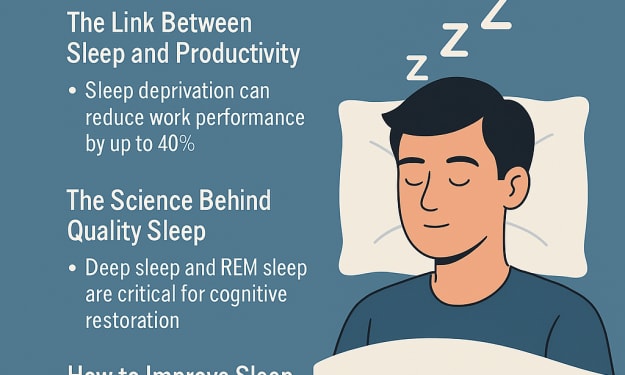
Sleep to Succeed: The Untapped Power of Rest in Boosting Productivity. AI-Generated.
The Science of Sleep: Why Rest is the Key to Productivity In the relentless pursuit of productivity, sleep often becomes the first casualty. Yet, contrary to popular belief, sacrificing rest doesn’t enhance performance—it undermines it. Scientific research continues to confirm that sleep is not a luxury but a biological necessity intricately tied to our ability to think clearly, make decisions, manage emotions, and maintain physical health. Let's investigate the science behind sleep and the reasons why it is essential for true productivity. The Biological Importance of Sleep
By Md Nusaib Ul Islamabout a year ago in Longevity
Caring for Surgical Wounds: Do’s, Don’ts, and Expert Advice
Undergoing surgery - whether minor or major - can be stressful, and recovery doesn’t end when you leave the operating room. One of the most critical aspects of healing is proper wound care. Caring for a surgical wound correctly not only promotes faster healing but also helps prevent complications such as infections, scarring, or even wound reopening.
By North Atlanta Vascular clinicabout a year ago in Longevity
Eco‐Love: How Shared Environmental Values Can Strengthen Relationships
Introduction In today’s rapidly changing world, where climate change and environmental degradation are urgent challenges, many individuals are increasingly aligning themselves with eco-conscious lifestyles. For couples who share a passion for sustainability, their commitment to the planet often forms a critical component of their relationship. This unique bond, which we can call "Eco‐Love," is built on shared values, joint endeavors in environmental activism, and a mutual responsibility to future generations. This article explores how shared environmental values can become a powerful force in forging deeper and more resilient connections between partners.
By Mysteries with Professor Jahaniabout a year ago in Longevity
When Love Meets Legacy: How Romantic Relationships Shape the Stories We Leave Behind
Introduction Love is not merely a fleeting emotion confined to a moment in time; it is the foundation upon which legacies are built. When two lives intertwine in romance, they create a narrative that extends far beyond their immediate relationship. Their love becomes a thread woven into the broader tapestry of family traditions, artistic expressions, memories, and cultural identities. In this exploration, we reflect on how romantic relationships shape the stories we leave behind, touching every aspect of our lives—from the intimate corners of home to the grand stages of art and collective memory.
By Mysteries with Professor Jahaniabout a year ago in Longevity
Breakthrough Breast Cancer Pill Now Available on NHS: A Lifeline for Thousands of Women in England and Wales
Thousands of women in England and Wales with advanced breast cancer will soon access a groundbreaking twice-daily pill on the NHS. The National Institute for Health and Care Excellence (Nice) reversed its earlier decision, approving capivasertib (brand name Truqap) for patients with specific genetic mutations. Experts estimate up to 3,000 women annually could benefit from this treatment, calling it a “landmark moment” in cancer care. What Is Capivasertib and How Does It Work? Capivasertib, developed by AstraZeneca, targets hormone receptor (HR)-positive, HER2-negative breast cancer that has spread and carries mutations in the PIK3CA, AKT1, or PTEN genes. These genetic changes occur in roughly half of patients with this breast cancer subtype. The drug works by blocking an abnormal protein called AKT, which fuels cancer growth. By inhibiting AKT, capivasertib slows or stops cancer cells from multiplying, buying patients more time before the disease progresses. Why This Approval Matters Initially rejected by Nice, the drug’s approval follows pressure from patients and advocacy groups. Claire Rowney, CEO of Breast Cancer Now, praised the reversal but stressed the need for faster drug approvals in the future. “Delays cost lives,” she said. “We urge NHS England to prioritize genetic testing so eligible patients can start treatment without delay.” Clinical trials showed promising results:
By Akrang Raja about a year ago in Longevity
Eric Dane Opens Up About ALS Diagnosis: Health Update and Career Plans
Eric Dane, widely recognized for his roles in hit TV shows like Euphoria and Grey’s Anatomy, has shared a significant update about his health. The 52-year-old actor revealed he has been diagnosed with amyotrophic lateral sclerosis (ALS), a condition also known as Lou Gehrig’s Disease. In a heartfelt statement to People magazine, Dane expressed gratitude for his family’s support and his determination to keep working despite the challenges ahead. Dane’s Statement on His Diagnosis In his announcement, Dane emphasized the importance of his loved ones during this difficult time. “I am grateful to have my loving family by my side as we navigate this next chapter,” he said. The actor also confirmed he plans to continue his acting career, stating he feels “fortunate” to return to the set of Euphoria for its upcoming third season, which begins filming on April 14. Dane politely requested privacy for himself and his family as they adjust to his diagnosis. Understanding ALS: What You Need to Know ALS is a progressive disease that damages nerve cells in the brain and spinal cord, leading to muscle weakness and loss of mobility over time. According to the ALS Association, the condition affects voluntary muscle movements, such as walking, speaking, and breathing. As the disease advances, patients may lose the ability to perform these functions independently. Sadly, there is currently no cure for ALS, though treatments can help manage symptoms and improve quality of life. Approximately 5,000 people in the U.S. receive an ALS diagnosis each year. While the cause remains unknown, research suggests a combination of genetic and environmental factors may play a role. Notable figures like scientist Stephen Hawking and baseball legend Lou Gehrig, for whom the disease is nicknamed, have brought attention to ALS over the years. Eric Dane’s Storied Acting Career Dane first gained fame as Dr. Mark “McSteamy” Sloan on Grey’s Anatomy, a role he played from 2006 to 2012. His charm and on-screen presence made him a fan favorite, and he later joined the cast of HBO’s Euphoria in 2019. In the gritty teen drama, Dane portrays Cal Jacobs, a complex character grappling with personal secrets and family turmoil. His performance has been praised for adding depth to the show’s exploration of modern struggles. Beyond television, Dane has appeared in films like Marley & Me and the upcoming Bad Boys: Ride or Die. His ability to balance intense dramatic roles with lighter projects showcases his versatility as an actor. Colleagues and fans have often commended his dedication to his craft, a trait that remains evident as he prepares to film new episodes of Euphoria. Family Support and Personal Life Dane has been married to actress Rebecca Gayheart since 2004. The couple, who met in the early 2000s, share two daughters. Gayheart, known for her roles in Beverly Hills, 90210 and Urban Legends, has been a steadfast partner throughout Dane’s career and health journey. Together, they’ve navigated the ups and downs of Hollywood while prioritizing their family life. In interviews, Dane has often credited his wife and children for keeping him grounded. Their close-knit dynamic is expected to play a crucial role as they face his ALS diagnosis together. Friends of the couple describe them as a team, tackling challenges with resilience and humor. Looking Ahead: Dane’s Future Projects Despite his diagnosis, Dane remains committed to his work. His return to Euphoria signals his determination to continue doing what he loves. The show’s third season, eagerly awaited by fans, will delve deeper into the lives of its characters, with Dane’s Cal Jacobs likely to remain a central figure. Production sources confirm that accommodations will be made to ensure Dane’s comfort on set. Colleagues have rallied around him, offering support and admiration for his professionalism. Showrunner Sam Levinson described Dane as “an incredible talent and a fighter,” reflecting the sentiment of many in the industry. Raising Awareness for ALS Dane’s decision to go public with his diagnosis shines a light on ALS and the urgent need for research. Organizations like the ALS Association work tirelessly to fund studies and provide resources for patients and families. Public figures sharing their experiences help raise awareness and encourage donations toward finding a cure. Fans can support ALS research by participating in events like the annual “Walk to Defeat ALS” or donating to reputable charities. Every contribution brings hope to those affected by the disease. Final Thoughts Eric Dane’s openness about his health struggles serves as a reminder of the strength required to face life’s unexpected challenges. His positive outlook and commitment to his craft inspire both colleagues and fans. As he begins this new chapter, the entertainment community and his audience stand behind him, sending messages of love and encouragement. While ALS presents immense difficulties, Dane’s story highlights the power of family, resilience, and continuing to pursue one’s passions. The world will undoubtedly be watching as he returns to the screen, proving that even in tough times, determination and creativity can shine through. For more information on ALS or to support research efforts, visit the ALS Association’s official website.
By Akrang Raja about a year ago in Longevity