health
Keeping your mind and body in check - popular topics in health and medicine to maintain a long and healthy life.
The Truth About Anti-Aging Supplements
Aging is inevitable—but looking and feeling older might not be. From NAD+ boosters to polyphenols and peptides, the anti-aging supplement market has exploded in recent years. Influential researchers like Dr. David Sinclair have popularized compounds like NMN (Nicotinamide Mononucleotide) and resveratrol, sparking a global interest in "biohacking" aging. But as the industry grows, so does the confusion.
By Ethan Blackwoodabout a year ago in Longevity
Kennedy Warns of Autism Epidemic in U.S. During First HHS Press Conference
In his first press conference as the U.S. Secretary of Health and Human Services (HHS), Robert F. Kennedy Jr. sparked a heated discussion by labeling rising autism rates a “preventable epidemic” driven by environmental toxins. His remarks have drawn sharp criticism from autism advocates and researchers, who argue that better awareness—not an epidemic—explains the increase in diagnoses. CDC Report Highlights Rising Autism Rates This week, the U.S. Centers for Disease Control and Prevention (CDC) released new data showing autism diagnoses rose from 1 in 36 children in 2020 to 1 in 31 by 2022. The findings come from the CDC’s Autism and Developmental Disabilities Monitoring Network, which tracks cases across 16 regions. However, experts caution that the data isn’t nationally representative and reflects improved screening methods rather than a sudden surge in cases. According to the report, increased access to diagnostic services especially for minority groups and girls—has played a major role in identifying autism earlier. “Better recognition and changing diagnostic criteria explain much of the rise,” the authors noted. Kennedy Challenges Mainstream Explanations Kennedy dismissed these explanations, calling them an “industry canard” and comparing skeptics to “epidemic deniers.” He argued that waiting years to analyze autism trends is irresponsible. “We don’t wait two years to react to a measles outbreak. Why should we delay for autism or diabetes?” he said. He emphasized environmental factors like pesticides, mold, medications, and even prenatal ultrasounds as potential triggers. “Genetics alone can’t cause an epidemic. There must be an environmental toxin at play,” he stated, adding that genetic research is a “dead end.” Dr. Walter Zahorodny, a Rutgers University professor and co-author of the CDC report, joined Kennedy, calling the situation an “urgent public health crisis.” He urged researchers to prioritize environmental risks: “For 20 years, we’ve collected data but made little progress in understanding autism’s root causes.” Advocates Push Back Against “Harmful” Claims The Autism Society of America swiftly criticized Kennedy’s remarks, calling them “misleading” and damaging. CEO Christopher Banks stressed that autism is a lifelong developmental condition, not a disease to be cured or prevented. “Labeling it an epidemic spreads stigma and ignores the progress made in diagnostics,” he said. Many experts agree that autism arises from a mix of genetic and environmental factors. While toxins may contribute, no single cause has been proven. Advocates worry Kennedy’s focus on prevention could blame parents or fuel unproven treatments. “Autism isn’t a tragedy—it’s a natural variation of human experience,” Banks added. New Research Plans Announced Kennedy announced that autism research will fall under a new chronic disease division within HHS’s Administration for Healthy America. Within weeks, he plans to launch studies targeting “environmental toxins” linked to autism. “We’ll identify these triggers and eliminate exposures,” he vowed. Critics question the approach. “Autism is complex,” said Dr. John Constantino, a neurodevelopmental expert. “Focusing solely on environmental factors ignores decades of genetic insights.” Others worry resources will shift away from support services for autistic individuals. Why This Debate Matters The clash highlights a critical divide in autism discourse: Is the focus on finding a “cause” or improving quality of life? For families, the rising rates mean more children need access to therapies, education, and community support. Advocates stress that framing autism as a crisis overlooks these needs. Meanwhile, Kennedy’s stance raises concerns about policymaking. If HHS prioritizes environmental studies over services, it could impact funding for programs that help autistic individuals thrive. Looking Ahead: Balancing Science and Support The CDC acknowledges that autism rates will likely keep rising as screening expands. This underscores the need for inclusive policies like job training, healthcare access, and anti-discrimination laws rather than fear-driven narratives. While research into environmental risks is valid, experts urge a balanced approach. “We must listen to autistic voices,” said Banks. “Their experiences should guide science, not political agendas.” As the debate continues, one thing is clear: Autism is not a puzzle to be solved but a reality for millions. How society responds will shape lives for generations. Final Thoughts Kennedy’s controversial claims have reignited discussions about autism’s causes and societal perceptions. While environmental research may uncover new insights, advocates emphasize acceptance and support over prevention. As diagnoses rise, the focus should remain on empowering autistic individuals—not fueling unfounded fears. What do you think? Share your thoughts on the autism debate and how society can better support neurodiverse communities.
By Akrang Raja about a year ago in Longevity
The Silent Earthquake
The impact of COVID on society, youth, and work is still unfolding What if the biggest revolution of our generation didn’t come with fire and fury—but with silence, masks, and screens? The COVID-19 pandemic didn’t just disrupt; it reshaped. It altered how we live, work, and relate to one another. And while the virus may be (mostly) under control, the impact of COVID on society is far from over. Beneath the return to “normal,” deep shifts are taking root—in how we build careers, connect with people, and imagine the future.
By Bubble Chill Media about a year ago in Longevity
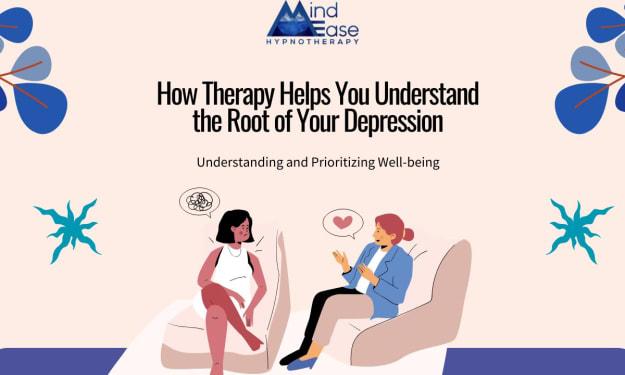
How Therapy Helps You Understand the Root of Your Depression
Depression is not simply sadness or a lack of motivation. It's a very complex mental health condition that can hide below the surface in layers. People who have depression struggle with the symptoms as well as the confusion as to why they feel the way they do. They often ask themselves, "Why can't I just be happy?" or "What's wrong with me?" A true answer is rarely that easy, and this is where therapy proves to be most useful.
By Gaurav Kumar Sangwanabout a year ago in Longevity
Is Your Body Betraying You After 35? The Uncomfortable Truth Your Trainer Won't Tell You
That moment hit me like a freight train: halfway through my usual run at 36, body screaming in revolt, I realized the fitness industry had been lying to me for years.
By Gilda Samanthaabout a year ago in Longevity
How Regular Exercise Can Help Prevent Cancer and Improve Survival Rates
What if a 30-minute walk daily could protect you from the deadliest diseases? Cancer remains one of the world’s fastest-growing cause of death globally each year. But science continues to expand its knowledge on cancer and shows us many ways to prevent and control this factor, which can help to reduce the overall death ratio due to cancer.
By Physics uuabout a year ago in Longevity
Understanding Your Cycle: What’s Normal and What’s Not?
Your menstrual cycle is like a monthly report card from your body, offering key insights into your reproductive health. But with so much variation from person to person, it’s easy to wonder — what’s usual?
By iDigitize Infotech LLPabout a year ago in Longevity
Good Bacteria, Bad Habits: Is Your Toothpaste Protecting Or Destroying Your Mouth’s Microbiome
Maintaining a healthy mouth involves more than just regular brushing and flossing; it requires nurturing the delicate balance of microorganisms residing in our oral cavity, collectively known as the oral microbiome. This complex community plays a pivotal role in our overall health, influencing not only dental well-being but also systemic conditions. However, certain oral care habits, particularly the choice of toothpaste, can significantly impact this microbial equilibrium.
By iDigitize Infotech LLPabout a year ago in Longevity
Unlock Your Body’s Hidden Potential: The Radiant Health Revolution
AI Disclosure: This article was created using AI assistance for educational and informational purposes only. Affiliate Disclaimer: This article contains affiliate links. If you purchase through these links, I may earn a small commission at no additional cost to you. Thank you for supporting independent writing.
By Charles Funkabout a year ago in Longevity
How to Support Your Energy and Wellness Naturally: Small Changes That Make a Big Difference
In today's busy world, many people feel like their energy is constantly running low. We live in a fast-paced society that often leaves little time for self-care. Busy schedules, poor sleep, stress, and processed foods can all impact the way we feel on a daily basis.
By Charles Funkabout a year ago in Longevity