health
Keeping your mind and body in check - popular topics in health and medicine to maintain a long and healthy life.
You’re Not What You Eat — You’re What You Stress While Eating: The Hidden Habit That’s Wrecking Your Gut and Gaining You Weight
😳 Your Nervous System Is the Gatekeeper of Digestion — And Stress Slams It Shut Your body has two modes: Sympathetic (fight or flight)Parasympathetic (rest and digest)
By Rukka Novaabout a year ago in Longevity
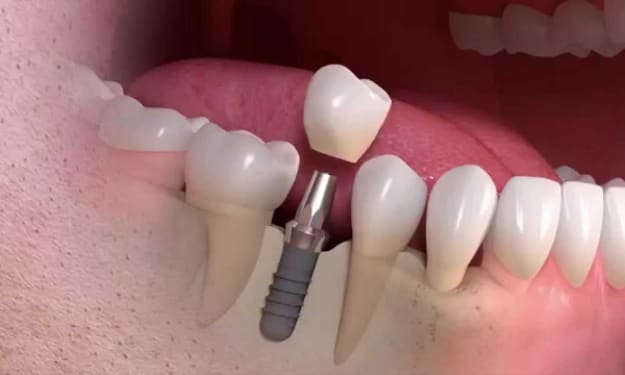
Dental Implants: A Dentist's guide to restore your Smile
I’ve had many patients walk into my clinic, worried about their missing teeth — not just for aesthetics reasons, but because of how it affects their daily lives. Simple tasks like chewing can become difficult, speech may change, and for many, the ability to smile with confidence feels like a thing of the past.
By Aamir Rafiqabout a year ago in Longevity
The Laugh Therapy Challenge: How to Trick Your Brain, Friends & Stress With Just One Weird Daily Ritual
🤣Why Wellness Should Be Funny — Not Boring Let’s face it: most wellness tips sound like punishment. "Wake up at 5 AM." "Drink kale smoothies." "Journal your feelings." Ma’am, I can barely find my charger.
By Lokesh Kumarabout a year ago in Longevity
The 7-Day “Talk to Your Plants” Challenge That Might Actually Fix Your Life
Have you ever looked at your houseplant and thought, “Maybe it’s the only one who really gets me”? No? Just me? Well, buckle up, because I’m about to give you one of the weirdest and most fun scientific challenges you’ve ever heard of. It’s easy, it’s cheap, it won’t make you sweat (unless you get emotionally attached), and it might just change your life.
By Lokesh Kumarabout a year ago in Longevity
Things That Destroy A Woman's Body
This time last year, I was going to the gym four times a week. I would fast till noon and exercise on an empty stomach. I would then drink a low-carb protein smoothie to "reduce weight and fuel recovery," as the gurus advised.
By GOOD HEALTHabout a year ago in Longevity
The issue with vaccinations
Having to persuade someone over 60 that vaccinations are beneficial is not usual. People of my father's generation would typically respond, "Hell, yes!" when asked whether they believe immunizations are beneficial, but there are undoubtedly exceptions to this norm. They may share tales of their buddy who battled to conceive after a terrible episode of mumps as a youngster, the mother next door who lost a baby to whooping cough, or the student in their school year who was permanently disabled due to a case of polio.
By GOOD HEALTHabout a year ago in Longevity
Understanding Emergency Medical Services in Belgium: A Comprehensive Guide for Expats and Travelers
Navigating the emergency healthcare system of a foreign country can be intimidating. In Belgium, however, the ambulance and emergency medical services are highly organized, accessible, and responsive. This article will provide detailed information about how to call an ambulance, what happens after the call, and how to ensure you’re financially and medically protected.
By Ретро Манияabout a year ago in Longevity
Does Walking Build Muscle or Burn Fat? Here's What Science Really Says
When you think of building muscle or losing fat, your mind likely jumps to high-intensity workouts, weightlifting, or strict dieting. But what if one of the simplest activities—walking—could deliver both muscle-preserving and fat-burning benefits? With millions of people lacing up their sneakers every day, it’s time we ask: Does walking build muscle, burn fat, or both? Let’s break down the science and find out how this low-impact activity could be the underrated secret to achieving your fitness goals. Walking: More Than Just a Leisure Activity Walking is often viewed as a low-intensity or beginner’s form of exercise. It’s free, requires no special equipment, and can be done anywhere—from a treadmill in the gym to a stroll in the park. But recent research suggests that walking plays a bigger role in physical fitness than we once thought. Especially for people who are sedentary or recovering from injury, walking provides a safe and effective way to stay active. But how effective is it for muscle building and fat loss? Does Walking Build Muscle? The straightforward answer is not in the way strength training does, but yes, walking can help maintain and even engage your muscles—especially in your legs, glutes, and core. A scientific study cited in a GQ article revealed that reducing daily steps to under 1,500 led to a significant decline in lean muscle mass, particularly in the legs. In that study, even a high-protein diet couldn’t stop muscle loss when physical activity was drastically reduced. This tells us something important: walking helps preserve muscle. But can walking build new muscle? Not significantly _unless you increase the intensity. This is where "rucking" comes in. Rucking refers to walking while carrying added weight, like a weighted backpack or vest. This extra load increases the resistance your muscles work against, especially your quads, calves, glutes, and core. In fact, many military training programs use rucking as a strength and endurance tool. Incorporating inclines—like hills or stair walking—also adds muscle engagement. These variations in terrain cause your body to work harder, stimulating muscle fibers and improving endurance. So, while walking alone may not bulk you up, it can stimulate and preserve lean muscle, particularly when enhanced with intensity or weight. Walking for Fat Loss: Low Effort, High Reward When it comes to burning fat, walking may actually outperform more intense workouts in some cases. Here’s why: walking is a form of low-intensity steady-state (LISS) cardio, and this type of training burns a higher percentage of calories from fat rather than carbs. This doesn’t mean you’ll burn more total calories than sprinting or HIIT, but walking is sustainable and easier on the joints. You can do it more frequently and for longer periods without risking injury or fatigue. A 2020 study mentioned in the GQ article found that participants who practiced rucking (walking with weight) not only increased their calorie burn but also lost more body fat compared to traditional walking. Key factors that make walking effective for fat loss include: Consistency: Walking daily keeps metabolism active. Duration: A 45–60 minute walk can burn 200–300 calories. Intensity: Brisk walking or incline walking increases the fat-burning potential. The real takeaway? Walking for fat loss works—especially when you up the pace or walk longer distances. Bonus: Walking Supports Your Brain, Too Fat loss and muscle maintenance aren’t the only benefits of walking. It also boosts your mental and cognitive health. A 2014 study from Stanford University found that walking increased creative thinking by up to 81% compared to sitting. Walking elevates brain-derived neurotrophic factor (BDNF), a chemical that supports brain cell growth and communication. It activates the parasympathetic nervous system, which helps your body relax and reduces cortisol—the stress hormone. So if you're looking to manage stress, improve focus, or spark creativity, walking delivers that bonus benefit. How to Maximize Walking for Muscle and Fat Loss If you're ready to turn your walks into a true fitness routine, here are practical tips to elevate your results: 1. Add Weight (Ruck) Wear a weighted vest or carry a backpack to increase muscle engagement. 2. Walk Hills or Use Inclines Find hilly paths or set your treadmill to an incline to challenge your muscles. 3. Increase Pace Brisk walking (3.5 to 4.5 mph) helps burn more calories and gets your heart rate into the fat-burning zone. 4. Walk After Meals Post-meal walking aids digestion and can help control blood sugar spikes—especially beneficial for those managing insulin sensitivity. 5. Walk Longer Aim for 45–60 minutes per day, especially if your goal is fat loss. Final Thoughts: Is Walking Enough? Does walking build muscle? Not heavily—but it preserves and engages muscles, especially with added weight or incline. Does walking burn fat? Absolutely—especially if done briskly or with resistance. Should you walk daily? Yes. It's simple, sustainable, and highly beneficial—not just for your body, but also for your mind. So the next time someone tells you that walking isn’t “real” exercise, you’ll know better. Whether you’re aiming for leaner legs, a stronger core, or simply a clearer mind, walking deserves a solid spot in your fitness routine.
By NextGen Mobile Techabout a year ago in Longevity