
Lisa Skinner and the Long Work of Understanding Dementia
For more than 30 years, the Minding Dementia founder has taught families to stop arguing with the disease and start meeting their loved ones where they are

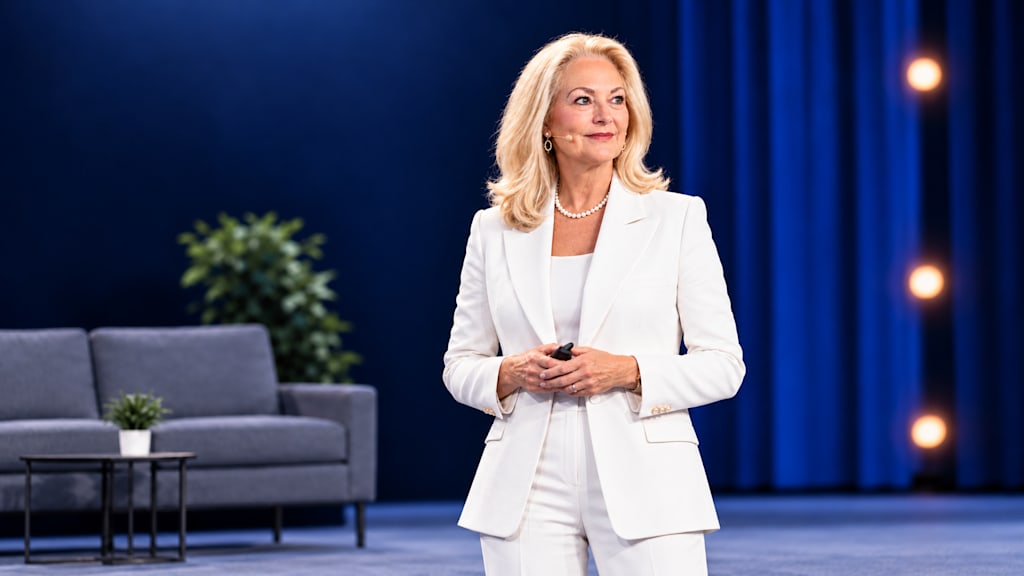
Lisa Skinner was a teenager when her grandmother began telling her frantic stories about birds living in her mattress and men trying to steal her jewelry. There were no birds. There were no men. It was Skinner's first encounter with dementia, years before she had a word for it, and it would not be her last. Over the decades that followed, eight members of her family were diagnosed with one of the brain diseases that cause dementia.
Today Skinner is a behavioral specialist, a Certified Dementia Practitioner, a dementia care trainer certified through the Alzheimer's Association, and the founder and CEO of Minding Dementia, LLC, based in Napa, California. She has spent more than 30 years in eldercare, and her work rests on an idea that still surprises many families: correcting a person with dementia often makes things worse.
"I have witnessed the human shadows of the disease," she says, describing "memory loss, confusion, changing personalities, and watching people being thrust into a new existence that no longer makes sense." Her career has been an effort to make that new existence easier to live in, for the person with the diagnosis and for everyone who loves them.
From drug rep to the memory care wing
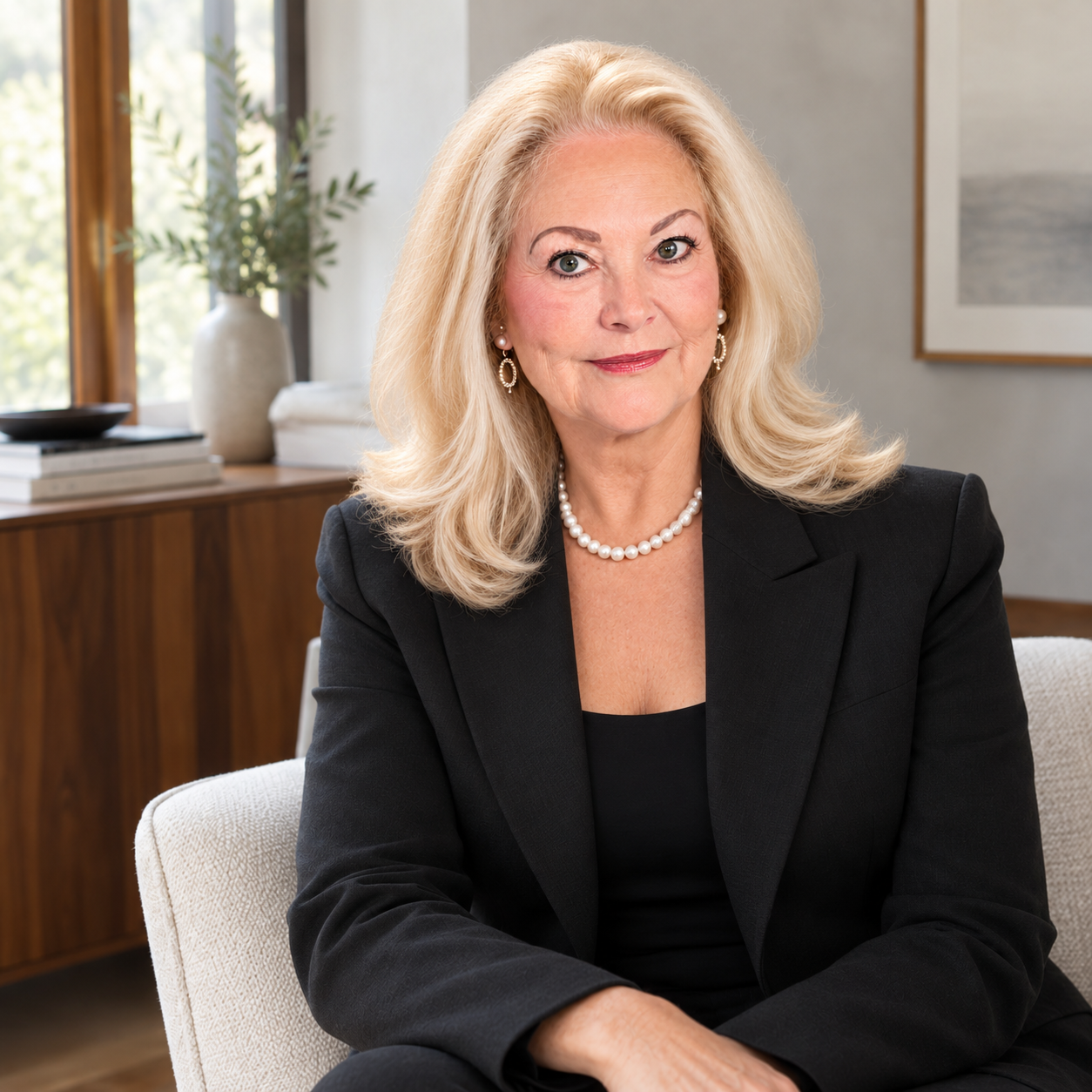
Skinner did not start in dementia care. After earning a degree in human behavior, she worked as a pharmaceutical representative, educating physicians about medications, and later as a physician liaison. A move to rural upstate New York for her husband's work led her to a job as a community counselor at an assisted living community with a memory care wing. There she assessed prospective residents and counseled their families through decisions they had never expected to make.
She rose to regional director, eventually overseeing five buildings. In that role she designed memory care units and trained staff in a person centered approach, one built around the individual rather than a generic checklist of tasks.
The year she walked away
In 2007, Skinner was a regional director for one of the largest elder care organizations in the United States. The financial crisis was approaching, and occupancy was falling month after month across the company.
The executives, she recalls, "were instructing us, the Regional Directors, to instruct our teams to look the other way at some of the required regulations and admit people into our buildings in order to build the occupancy numbers back up."
She would not do it. "I flat out refused to carry out those directives," Skinner says, "so I left the company on the principle of not being willing to be coerced into doing something that I knew was so wrong."
She lost a senior job over it. She also never worked for that kind of employer again; she went on to build a consulting practice, working one on one with families in their homes and supporting care teams inside memory care settings.
"You need to write a book"
The book that made her name began in a living room. A client referred Skinner to a couple caring for two parents, a father with Parkinson's and a mother with Alzheimer's, both diagnosed about two years earlier. For those two years, the couple said, they had struggled to find guidance that could prepare them for what was coming.
They asked questions for two and a half hours. Then the wife stopped the conversation. "Lisa, I want to take a minute here to tell you that you are the answer to our prayers," she said. Before Skinner left, the woman added a request that was closer to a demand: write a book, because so many families were just as lost.
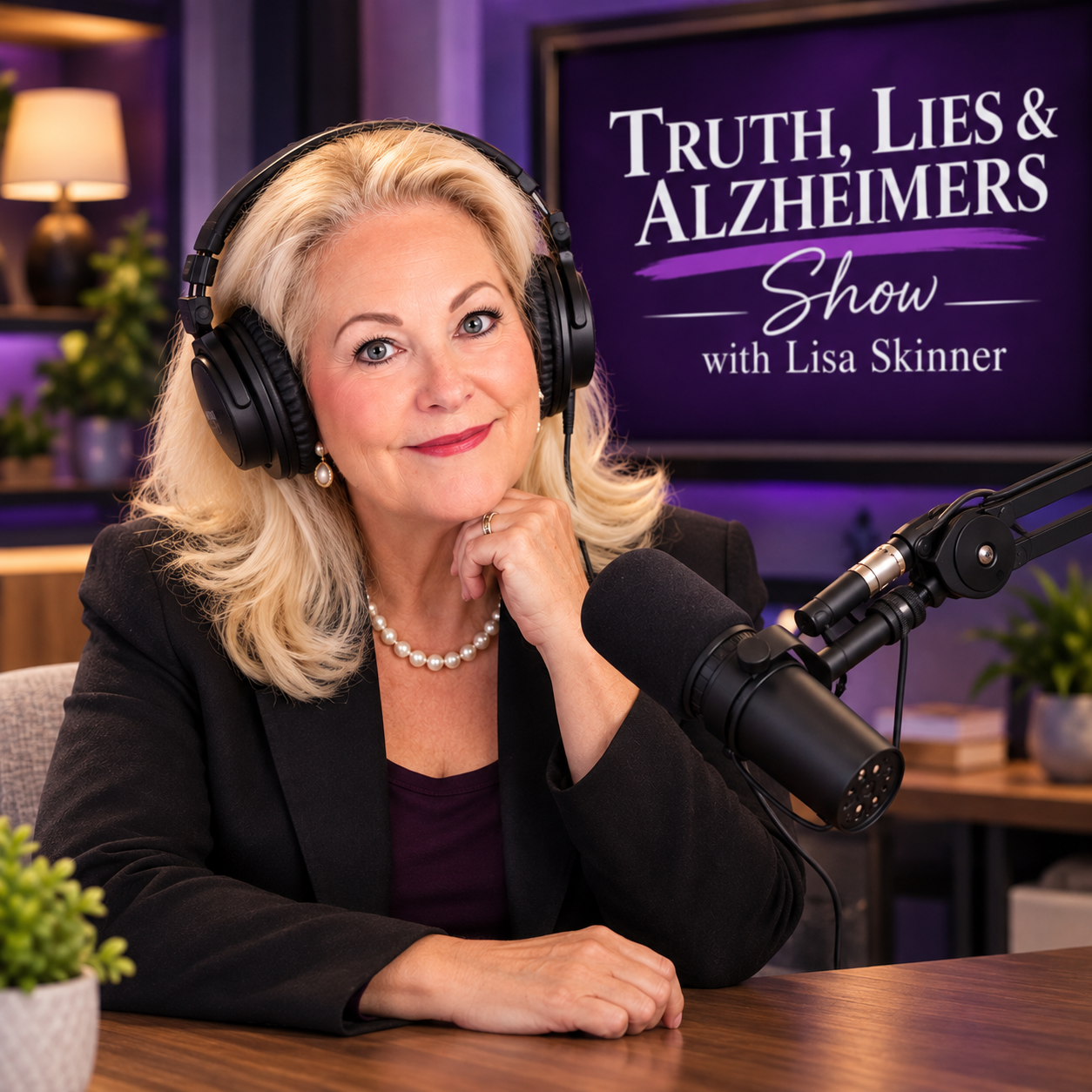
"I knew she was right," Skinner says. "I had heard it from other people before, but the way she said it had such a profound impact on me that I put that pen to paper." The result, "Not All Who Wander Need Be Lost: Stories of Hope for Families Facing Alzheimer's and Dementia," became a number one best seller. Her second book, "Truth, Lies & Alzheimer's: Its Secret Faces," reached international best seller lists and now lends its name to her podcast and to her television program, "The Truth Lies Alzheimer's Show."
Joining their reality instead of correcting it
The center of Lisa Skinner's method is a shift in where the caregiver stands. Traditional reality orientation asks a person with dementia to keep returning to the present: the date, the facts, who has died. Skinner argues that this approach often produces agitation and conflict. She teaches caregivers to understand how the brain is changing and to step into the reality the person is living in, rather than fighting to pull them back.
She is equally direct about the myths she encounters. One is that people with dementia eventually disappear inside themselves. "They are very much aware of things and continue to have awareness, thoughts and feelings," she says. Reaching them, she adds, takes specialized knowledge and skills. Another myth is that dementia belongs only to the very old. "It can strike anyone at any age," Skinner says.
Her measure of success is not revenue. It is "hearing laughter, seeing smiles, people able to make the best out of a heartbreaking situation," and families who can spend time together instead of living in constant conflict and stress.
To reach people outside her consulting practice, she created the Minding Dementia Training Program, a six module course with a workbook for family caregivers, and organizes the Minding Dementia Summit, an online event that brings together speakers on dementia care. In her keynotes, including a talk at TEDxGrandePrairie, she uses the story of Alice in Wonderland to help audiences picture how disorienting the world can become for someone living with dementia.
A busy 2026
For Lisa Skinner, 2026 has been the most public year of her career. In August 2026 she received an Honorary Doctorate (Honoris Causa) in Dementia Care and Cognitive Health Leadership. In October, Best of Best Review named Minding Dementia, LLC the Best Dementia Care in the United States of 2026. In November she was listed as a speaker at the third Dementia World Conference, presenting on how understanding Alzheimer's risk factors can help people reduce their own risk.
What drives her now is scale. She points to projections from the World Health Organization and the Alzheimer's Association that the number of people with Alzheimer's disease could triple worldwide by 2050 without a cure or effective treatment. "I realize that society is not even close to being prepared," she says.
Her answer hasn't changed much since that afternoon in the couple's living room. Explain the disease plainly, answer the questions families are afraid to ask, and keep doing it for whoever shows up. When she is not teaching, Skinner travels and spends time with her two grandchildren and three dogs. Asked once for a single piece of advice, Lisa Skinner kept it short: "Build your expertise, then design your impact, consistently."
Meta description: Lisa Skinner, dementia care educator and founder of Minding Dementia, on 30 years teaching families to understand Alzheimer's and dementia.
Comments
There are no comments for this story
Be the first to respond and start the conversation.