
Forget Regular Ginger — The Red Version Is The New Superfood You Ignore
How an overlooked kitchen spice quietly turned into a medicinal star

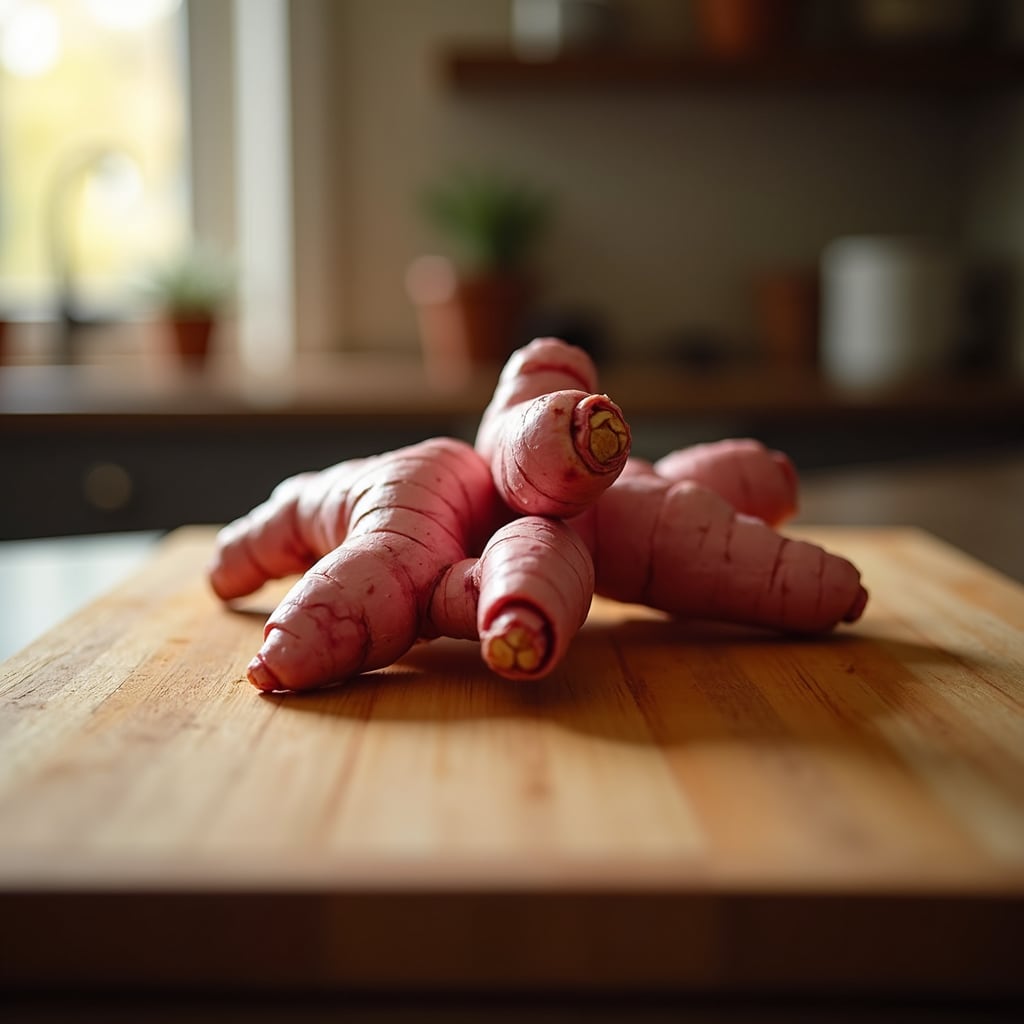
Red ginger used to be the quiet cousin in the ginger family, sitting in the back of the spice rack while its more famous relative handled the stir‑fry spotlight.
Now, thanks to a wave of research, it's stepping forward with a résumé that reads less like a seasoning and more like a small herbal clinic.
We're talking anti‑inflammatory, antioxidant, antihypertensive, antimicrobial, even potential anticancer activity — all packed into one fiery rhizome that Southeast Asian kitchens have been casually brewing into drinks for generations.
This isn't just "grandma's jamu" anymore, it's a candidate for serious modern integrative medicine.
What This Red Ginger Paper Actually Says
The article on red ginger (Zingiber officinale var. rubrum) basically argues that this plant is wildly overqualified for its current job as a humble spice.
It pulls together evidence that red ginger shows immunomodulatory, antihypertensive, antihyperlipidemic, antihyperuricemic, antimicrobial and cytotoxic activities.
In plain language: it may help regulate the immune system, lower blood pressure, improve cholesterol and uric acid levels, fight microbes, and potentially act on cancer cells in lab settings.
The paper also highlights its anti‑nausea, anti‑inflammatory and antioxidant effects, which overlap with what we already know about regular ginger.
Underneath the science jargon, the message is simple: red ginger is not just "ginger, but red."
It's a distinct variety with higher concentrations of certain bioactive compounds like gingerols and shogaols that seem to boost its pharmacological punch.
The Detail That Lit Up The Internet
One of the most striking details is how safe red ginger appears to be at commonly used doses.
Several sources point out that ginger, including the red variety, is generally recognized as safe as a food supplement, with very few and insignificant side effects reported at typical intakes.
The review notes that doses up to 2 grams daily of ginger have not caused meaningful adverse effects, and even longer‑term use of 0.5–1.0 grams several times a day has been tolerated without major issues in reported studies.
Red ginger extracts in the range of 15–20 mg and powdered forms of 250–1000 mg up to four times daily are mentioned as commonly used, again with no dramatic safety alarms ringing.
That "strong effects, low drama" profile is exactly the kind of combination that makes wellness communities sit up.
It feels less like flirting with an experimental drug and more like dialing up the power of something your grandmother already trusted in her kitchen.
The Bigger Story
This isn't just a paper about a spicy root, it's a glimpse into how traditional ingredients are getting a scientific makeover.
Red ginger has been in the background of Indonesian and wider Southeast Asian traditional medicine for ages, used for colds, indigestion, coughs, and general "tonic" purposes.
Now lab studies and reviews are translating those folk uses into measurable effects: antioxidant capacity, cytokine modulation, microbial inhibition, potential cardiovascular and metabolic benefits.
The result is a kind of cultural rebrand, where something once dismissed as "just herbal" starts to look like a serious complementary tool alongside modern drugs — especially in areas like inflammation, metabolic health, and immune support.
It also fits into a larger story about agency.
People are increasingly looking for options that feel both rooted in tradition and backed by data, and red ginger lands right in that sweet spot: familiar, local, but suddenly very research‑friendly.
My Take
My read is that red ginger is having its quiet breakout moment, but we're still in the early chapters.
The evidence for anti‑inflammatory, antioxidant, and cardiovascular support is intriguing, yet most of the strongest data still sits in in vitro experiments, animal studies, or small human trials.
You can see this three ways.
As a confidence boost for traditional medicine.
For communities that have used red ginger for generations, this research isn't a surprise, it's a translated version of what they already knew — only now it comes with p‑values and mechanistic pathways.
As a subtle critique of our "big gun first" health culture.
Instead of rushing to heavy pharmaceuticals for every chronic, low‑grade inflammatory issue, red ginger suggests a gentler, integrative approach might be possible, at least as part of a broader lifestyle strategy.
As a branding opportunity with a risk warning attached.
Wellness marketing loves a hero ingredient, and you can already imagine "red ginger shots" and "immunomodulating latte blends."
But the paper itself is clear: more robust human trials are needed before we treat red ginger like a cure‑all rather than a promising add‑on.
If we're honest, the healthiest stance is somewhere in the middle: respect the plant, respect the data, and respect the fact that "natural" doesn't automatically mean "harmless" or "sufficient."
What Happens Next
Most likely, we'll see more targeted research on red ginger's role in specific conditions — hypertension, metabolic syndrome, chronic low‑grade inflammation, maybe supportive care in cancer treatment where nausea and oxidative stress are issues.
We'll also probably see more consumer products built around red ginger, especially in regions where it's already culturally accepted, from functional drinks to standardized extracts.
For the rest of us, the takeaway is simple.
This isn't just a "fun fact" about a fancy root, it's part of a larger shift where our kitchen ingredients and our medicine cabinets stop feeling like separate universes.
Used thoughtfully, red ginger could end up less like a miracle cure and more like a reliable supporting actor in the ongoing drama of staying reasonably healthy in a stressful world.
About the Creator
Eina Liban
Finding beauty in everyday life and learning how to live it to the fullest. Writing on health, tech, and human wellness.
Enjoyed the story? Support the Creator.
Subscribe for free to receive all their stories in your feed.
Comments
There are no comments for this story
Be the first to respond and start the conversation.