
What is panic disorder.
its symptoms, causes and effective treatment.

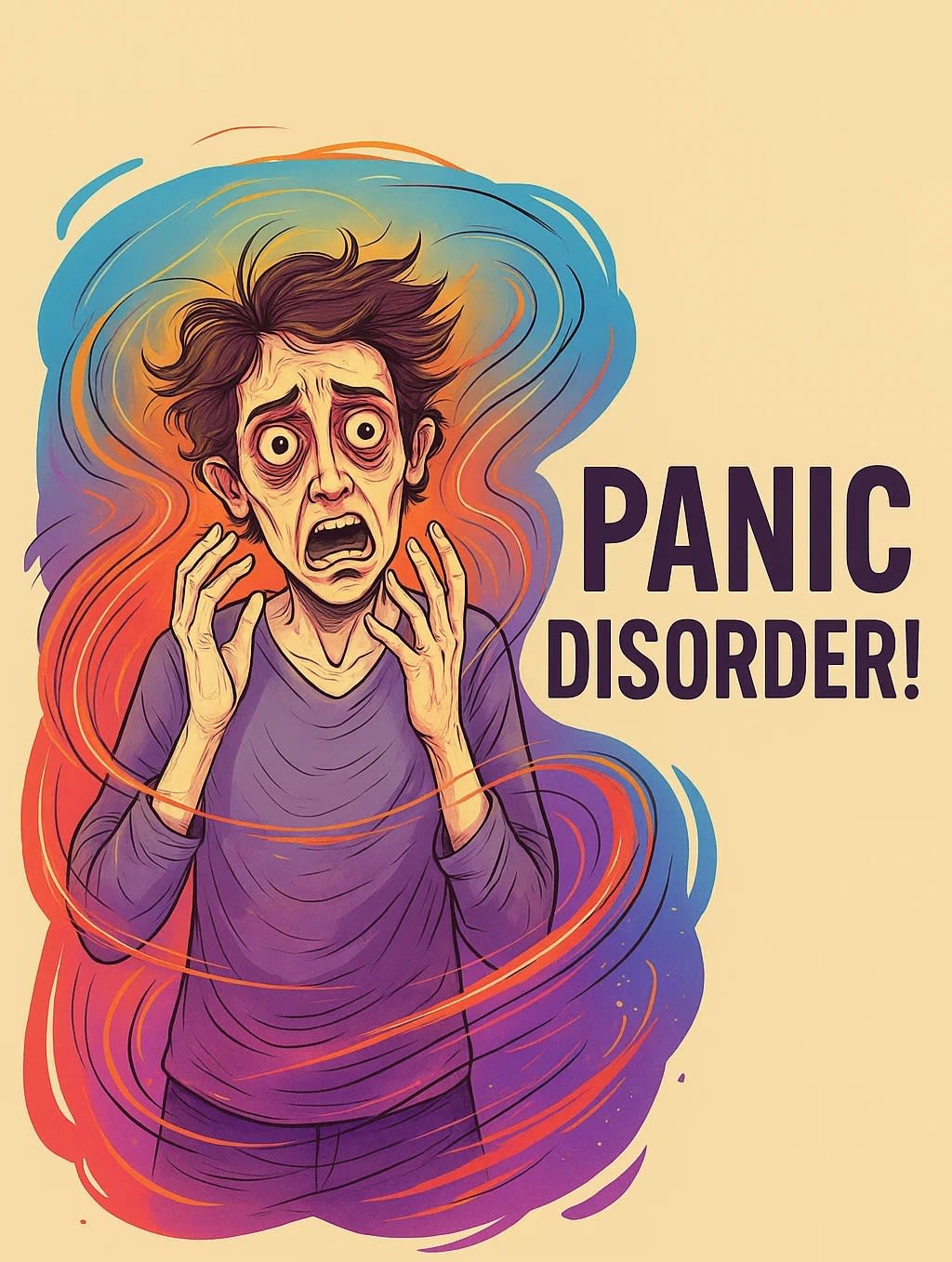
Have you ever suddenly experienced a racing heartbeat, shortness of breath, or a feeling of suffocation? Did it feel like something terrible was about to happen, maybe even that you were going to die?
If you’ve felt this way, you’re not alone. However, if these feelings occur frequently and start to interfere with your daily life, you may be suffering from panic disorder.
What is Panic Disorder?
Panic Disorder is a mental health condition where an individual experiences sudden, repeated episodes of intense fear and anxiety known as panic attacks. These attacks bring severe physical and emotional discomfort, typically lasting between 10 to 20 minutes. One of the scariest aspects is that these attacks can occur without any warning, even while sleeping.
Panic attacks are the primary symptom of Panic Disorder. They can be so overwhelming that sufferers often live in constant fear of having another attack, which can significantly disrupt daily life.
________________________________________
Causes of Panic Disorder
The exact cause of Panic Disorder is still unknown, but researchers have identified several factors that may contribute to its development:
# Genetics: If someone in your family has Panic Disorder, your risk of developing it increases.
# Chemical Imbalance in the Brain: Imbalances in neurotransmitters like serotonin and norepinephrine are linked to this condition.
# Mental Stress: Major life changes, chronic stress, or depression can trigger it.
# Traumatic Events: Experiencing trauma during childhood or later in life can lead to Panic Disorder.
Studies show that women are twice as likely to develop Panic Disorder compared to men. It most commonly begins between ages 20 and 30, but can occur at any age.
________________________________________
Symptoms of Panic Disorder
Symptoms can vary from person to person, but common signs include:
1 Rapid heartbeat or palpitations: Feels like your heart is racing or pounding.
2 Excessive sweating: Even in cool environments.
3 Trembling or shaking: Physical restlessness or nervous trembling.
4 Shortness of breath or feeling smothered: Struggling to breathe or tightness in the chest.
5 Chest pain or discomfort
6 Nausea or stomach discomfort
7 Dizziness or light-headedness
8 Feeling detached from reality: Experiencing depersonalization or derealization.
9 Fear of losing control or going crazy
10 Fear of dying
11 Sudden hot or cold flashes
During a panic attack, several of these symptoms may occur simultaneously and often intensify within minutes. People may avoid places where they've previously experienced attacks—like shopping malls—out of fear it may happen again.
________________________________________
Treatment for Panic Disorder
Panic Disorder is entirely treatable, and with proper care, recovery is possible. Treatment is usually provided by mental health professionals and typically involves:
1. Psychotherapy
Various types of therapy are effective, especially Cognitive Behavioral Therapy (CBT). CBT helps patients understand their panic attacks and learn strategies to confront and manage them.
Therapists help patients identify negative thoughts and replace them with positive, realistic ones. Exposure Therapy is another approach where patients are gradually exposed to fear-inducing situations in a controlled environment.
Studies show that 70–80% of people benefit from CBT.
2. Medication
Medications can reduce symptoms, especially:
• Antidepressants, such as SSRIs (Selective Serotonin Reuptake Inhibitors) and SNRIs (Serotonin-Norepinephrine Reuptake Inhibitors), are used for long-term treatment.
• Anti-anxiety medications, like Benzodiazepines, work quickly and help reduce the intensity of panic attacks. However, these should only be taken under the guidance of a registered physician.
3. Lifestyle Changes
Certain lifestyle adjustments can also help, such as:
• Regular exercise
• Avoiding caffeine and alcohol
• Getting adequate sleep
• Practicing meditation and relaxation techniques
________________________________________
Homeopathic Treatment for Panic Disorder
There are mixed opinions regarding the effectiveness of homeopathy in treating Panic Disorder. Some individuals and homeopathic practitioners claim it helps relieve symptoms. Treatment is personalized based on the patient’s physical and emotional condition.
However, scientific evidence supporting homeopathy’s effectiveness in treating Panic Disorder is lacking. Most psychiatrists and mental health professionals recommend evidence-based approaches like therapy and medication.
________________________________________
Ways to Overcome Panic Disorder
Panic Disorder is manageable, and many people recover completely by:
• Seeking professional treatment
• Engaging in regular physical activity
• Maintaining a healthy lifestyle
• Practicing breathing exercises
• Using mindfulness and meditation
• Getting enough sleep
• Reducing mental stress
________________________________________
Summary
Panic Disorder is a real mental health condition that can significantly impact one’s quality of life. It manifests through both physical and psychological symptoms. The good news is—it is entirely treatable. With the right combination of therapy, medication, and lifestyle changes, most individuals can recover fully.
If you suspect you have Panic Disorder, you can consult with the experienced and specialized doctors at Hospital .
About the Creator
Enjoyed the story? Support the Creator.
Subscribe for free to receive all their stories in your feed.
Comments
There are no comments for this story
Be the first to respond and start the conversation.