
The Surprise Attack of Japanese Imperialism
How the Japanese Empire Stunned the Americans at Pearl Harbor
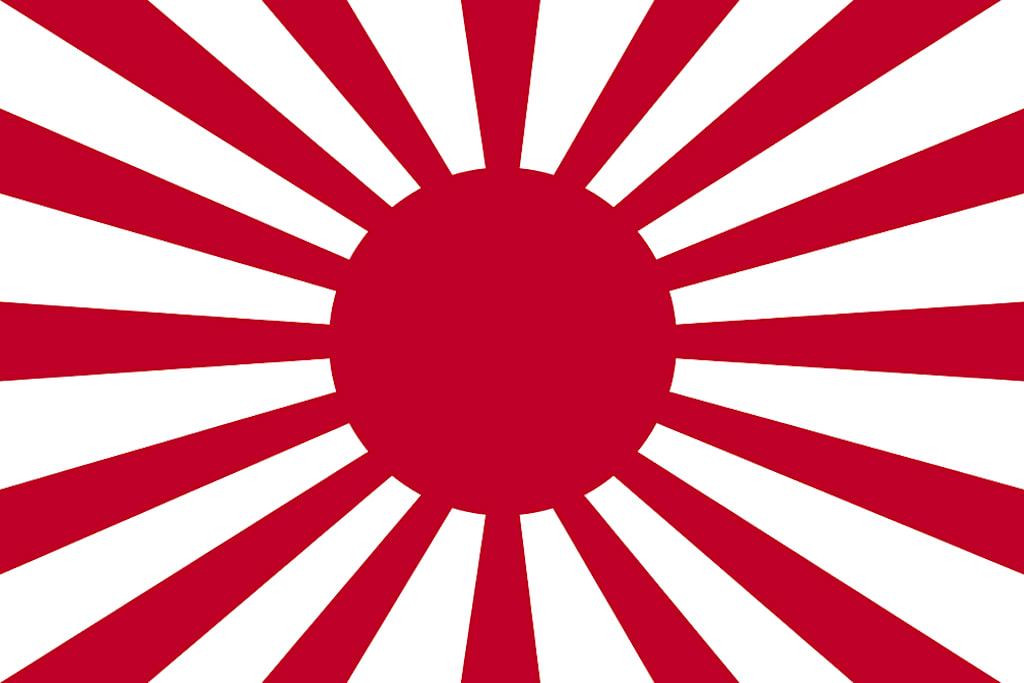
Japanese Imperialism in the Pacific dates back to its victory in the 1905 war with the Russian Empire. That victory demonstrated that Japan now had a military comparable to the European armies of Britain, France, and Holland, all of which had colonies in the Pacific.
However, it would not be until 1931 that the Japanese began to expand their Pacific empire. Manchuria was a target for the Japanese, a large area divided between Russia and China. Japan invaded and occupied Manchuria after the Mukden Incident. The Japanese renamed it Manchukuo, and it remained under Japanese hegemony for over a decade.
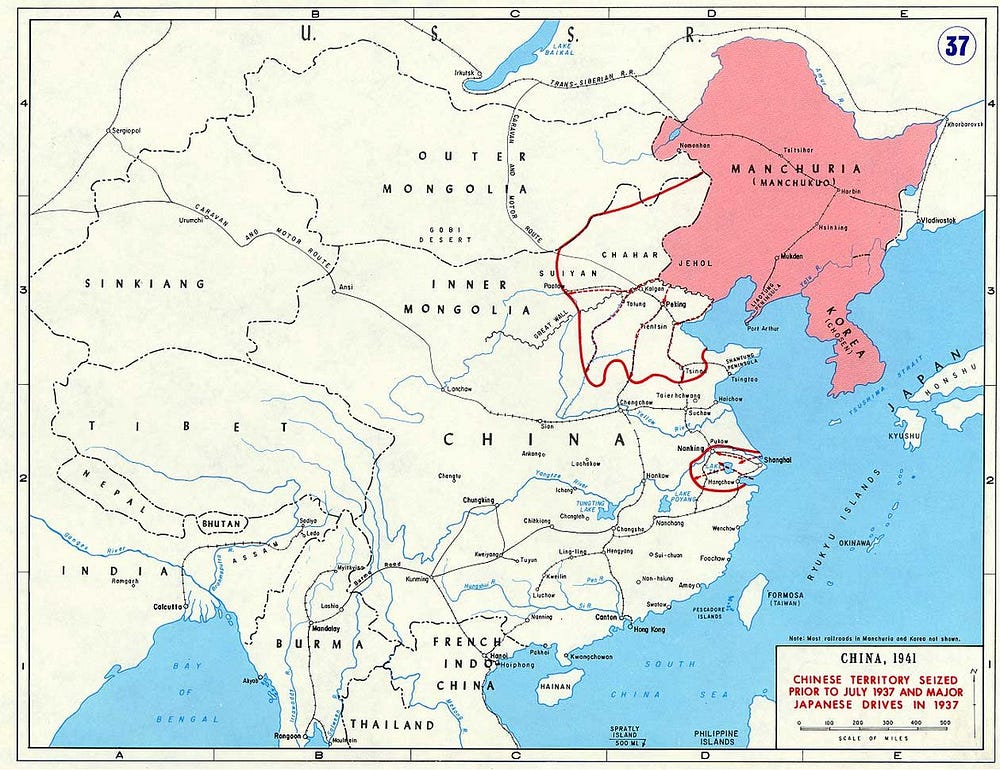
This was a moment when Japan-China relations reached a low point in their history. Although the Chinese were not prepared for a war with Japan at the time, it set the stage for further conflict with China later in the 1930s. It also marked the beginning of a decade of Japanese empire-building in the Pacific, which would result in the Pacific War ten years later.
Japanese skirmishes with China during the 1930s also ensured Western suspicions. Such suspicions increased when Japan left the League of Nations and with the beginning of the Sino-Japanese War in 1937. In the early 1940s, the United States, along with other US allies, began an economic embargo against Japan, called the ABCD line. This economic embargo cut oil, iron, and steel exports to Japan.
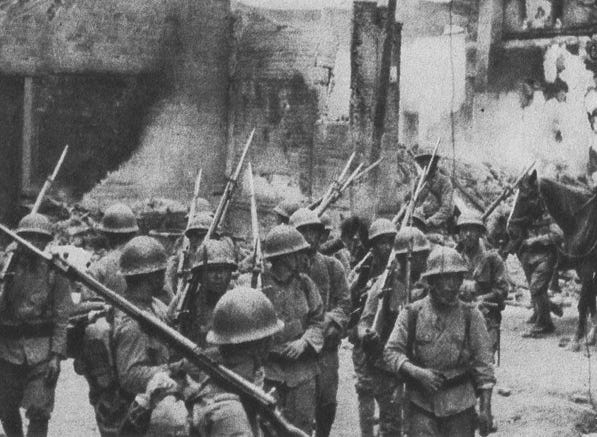
The economic impact of the embargo soon began to be felt. Japan relied heavily on such exports, and so it seemed that expanding the Japanese Empire in the Pacific would be one way to reduce the impact of the embargo by occupying European colonies in the region, as well as the oil-rich Philippines. Such a plan would make a war with the Americans, British, and Dutch inevitable.
However, by 1940, Japan had a military that could defeat the best of what Britain and Holland had in the Pacific. Their colonies were not especially well equipped to defend against the Japanese army. However, the US Pacific Fleet had moved to Pearl Harbor and had four aircraft carriers, hundreds of aircraft, and numerous battleships. To begin expanding its Pacific empire, Japan had to devastate this fleet.
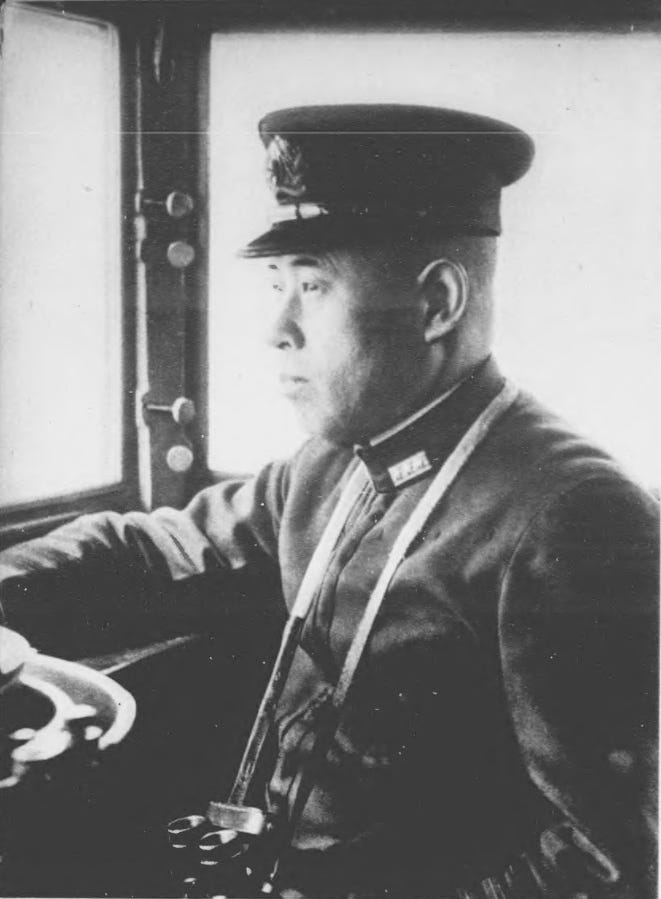
Japan drafted plans to bomb Pearl Harbor. Admiral Yamamoto was the architect of the plan and had expanded the Imperial Japanese Navy with one of the most potent carrier fleets. With its aircraft carriers, the Imperial Japanese Navy (or IJN) sailed for Pearl Harbor to inflict a decisive surprise strike on the US Pacific fleet.
The element of surprise was essential to the attack on Pearl Harbor. As such, the Japanese fleet was supposed to keep a strict radio silence as they moved towards Pearl Harbor. Japan encoded messages with the Purple code to prevent the Allies from detecting Japan's plan. US cryptographers were more effective at breaking Japan's code than they would likely have expected.
However, the IJN still reached its target. The element of surprise was seemingly retained when Japan launched B5N bombers toward the Pearl Harbor naval base, supported by A6M Zeros. They hit hundreds of US aircraft at airfields around the harbor, where most of the battleships were stationed. The first surprise strike of Japanese imperialism had generally been effective, although the United States was fortunate that its aircraft carriers were not at Pearl Harbor on the day. In addition to this, the Japanese abandoned a potential third wave targeting Pearl Harbor oil depots.
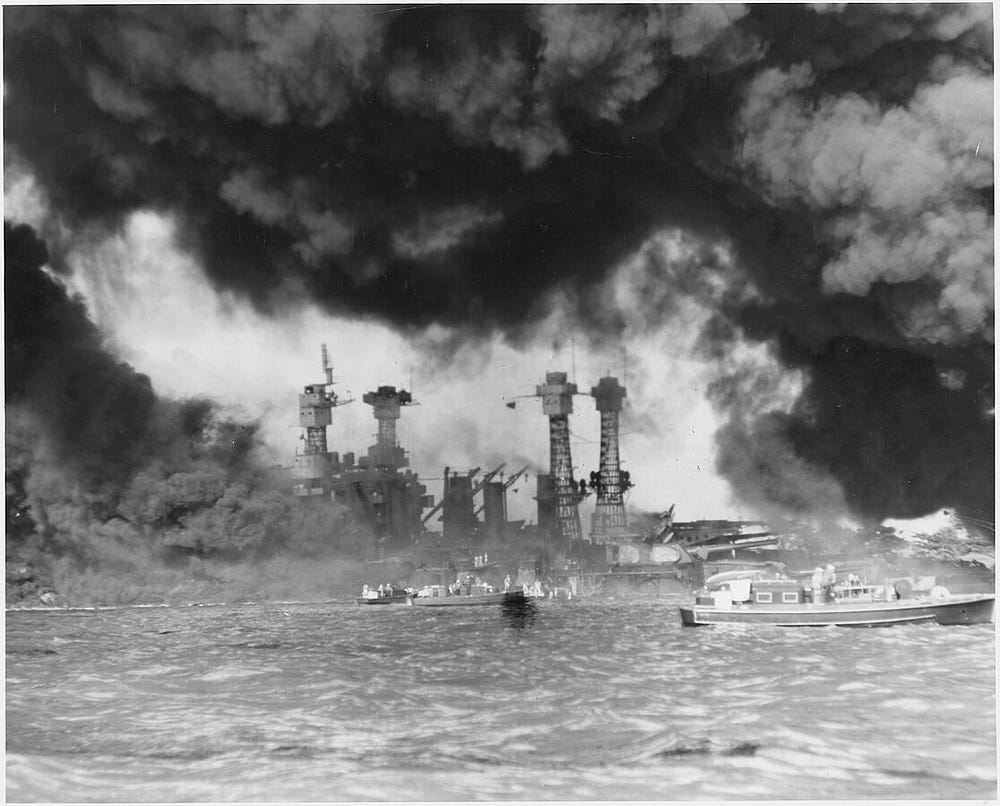
After Pearl Harbor, the war in the Pacific began. In truth, this was not much of a surprise, as the United States expected the Japanese Empire would strike somewhere in the Pacific in the early 1940s. The Americans expanded their Pacific fleet at Pearl Harbor to beef up their naval presence for war.
Predicting where and when that strike would be was harder for the Americans. Consequently, the Japanese were able to penetrate Pearl Harbor before the Americans noticed they were there. However, to this day, historians debate just how much the US cryptographers had uncovered relating to Japan's Pearl Harbor plan and how much of their findings were presented to the White House.
This article of mine was originally submitted to Medium, where you can read it here.
Read more of my World War II articles on Vocal:
Remembering the Famous Air Battles of World War II
Events That Led to World War II
The Opening Battles of the Mariana and Palau Islands Campaign in World War II
About the Creator
Matthew A
Matthew is the author of Battles of the Pacific War 1941-1945. Battles of the Pacific War is available on Amazon and Lulu in e-book and paperback formats. Check out the book’s blog at battlesofthepacificwar.blogspot.co.uk.
Enjoyed the story? Support the Creator.
Subscribe for free to receive all their stories in your feed.
Comments
There are no comments for this story
Be the first to respond and start the conversation.