
Remembering the Famous Air Battles of World War II
World War II's Most Famous Air Dogfights
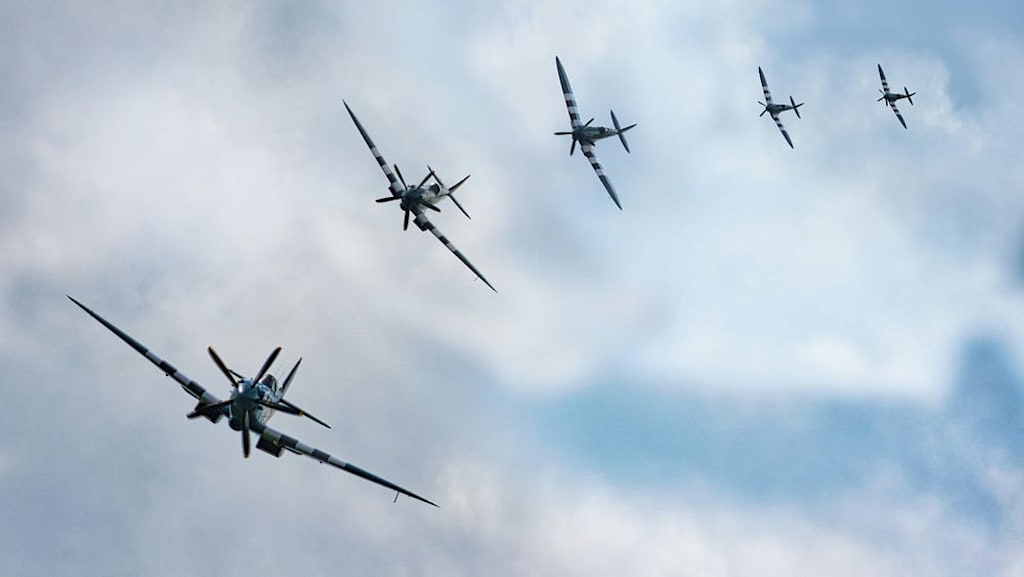
An exciting new generation of planes was produced during the interwar period. The Germans had their Messerschmitts, Britain had their Spitfires, and the Japanese had the A6M Zero. These were just a few of the aircraft that dominated the skies in the early 1940s. New aircraft such as the U.S. F6F was later added to Allied air forces. As such, a few notable air battles emerged, which the Allies usually won.
Battle of Britain
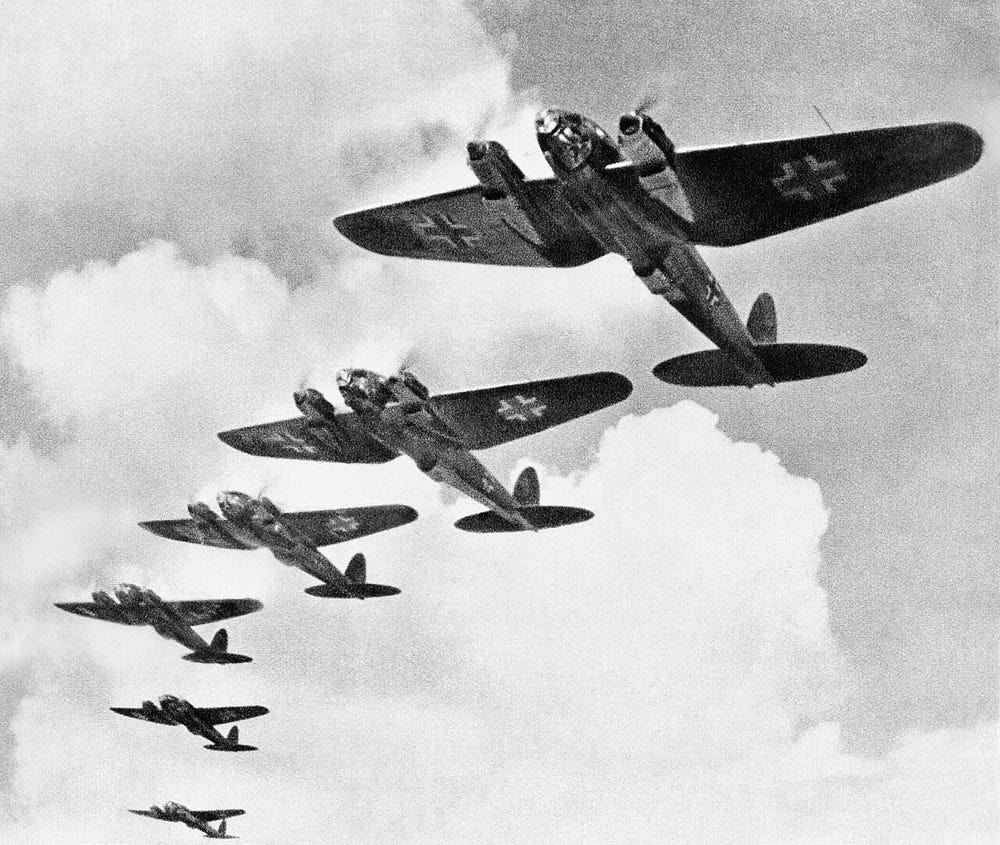
The Battle of Britain was perhaps the largest air battle. It was during the months of 1940 that RAF and Luftwaffe aircraft met in the skies as German bombers blitzed various targets in Britain. German aircraft initially pounded RAF airfields, and then later cities. Squadrons of RAF Spitfires and Hurricanes were scrambled to intercept German aircraft, and thanks to radar, they were able to reach them sooner rather than later. Combined with the effectiveness of their own Spitfire and Hurricane aircraft, this gave the RAF the advantage required to defeat an otherwise larger air force. The Battle of Britain gradually petered out as German aircraft losses mounted. The RAF had ensured that Britain could not be defeated, at least by the German army.
Battle of Coral Sea
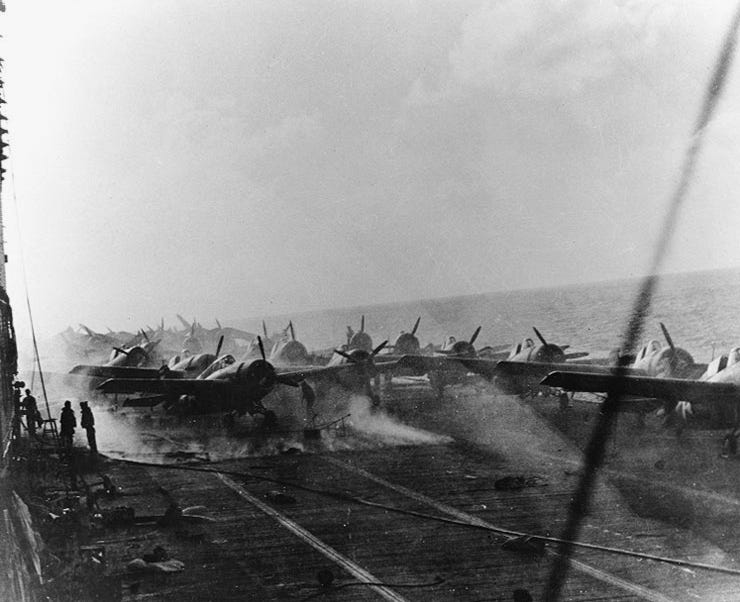
Air battles at sea were also a big part of the naval battles in the Pacific. Both the U.S. Navy and Imperial Japanese Navy had some aircraft carrier fleets that could support hundreds of aircraft from their decks. They usually carried a combat and bomber aircraft, so that the fighters could provide additional support for the bombers. Some Pacific battles included fleets of Japanese and American aircraft carriers.
Among the first was the Battle of Coral Sea in 1942. During this battle, the IJN targeted Port Moresby in New Guinea. Although considered a naval battle, the battle was in fact dominated by aircraft. During the battle, U.S. aircraft took out the Shoho. However, the Japanese planes found the larger Lexington and Yorktown aircraft carriers. Their bombs had enough impact to sink the Lexington, although the Yorktown was salvaged and made its way back to harbor. Most importantly, the IJN withdrew from the battle, and Port Moresby was held by the Allies. So, the Battle of the Coral Sea was an Allied victory.
Battle of Midway
Months later, a larger air battle emerged around Midway Island. Midway included a U.S. airfield, which was the target for a Japanese invasion fleet. They were supported by a Japanese armada divided into a number of smaller fleets that were dispersed. The most essential to Japan's operation was its aircraft carrier fleet, which included four Japanese aircraft carriers and hundreds of planes. It was expected that these would engage and defeat any U.S. aircraft carriers dispatched to Midway.
The air battle began over Midway Island when Japanese aircraft began to bomb the airfield located there. However, thanks to their codebreakers, the U.S. aircraft were informed in advance of the approaching Japanese fleet and were not caught on the ground. Although their pilots may as well have stayed there, as the Japanese A6M Zeroes wiped most of them out in the air. Bold air sorties from Midway toward the Japanese carriers had little impact and merely ensured further losses of U.S. aircraft.
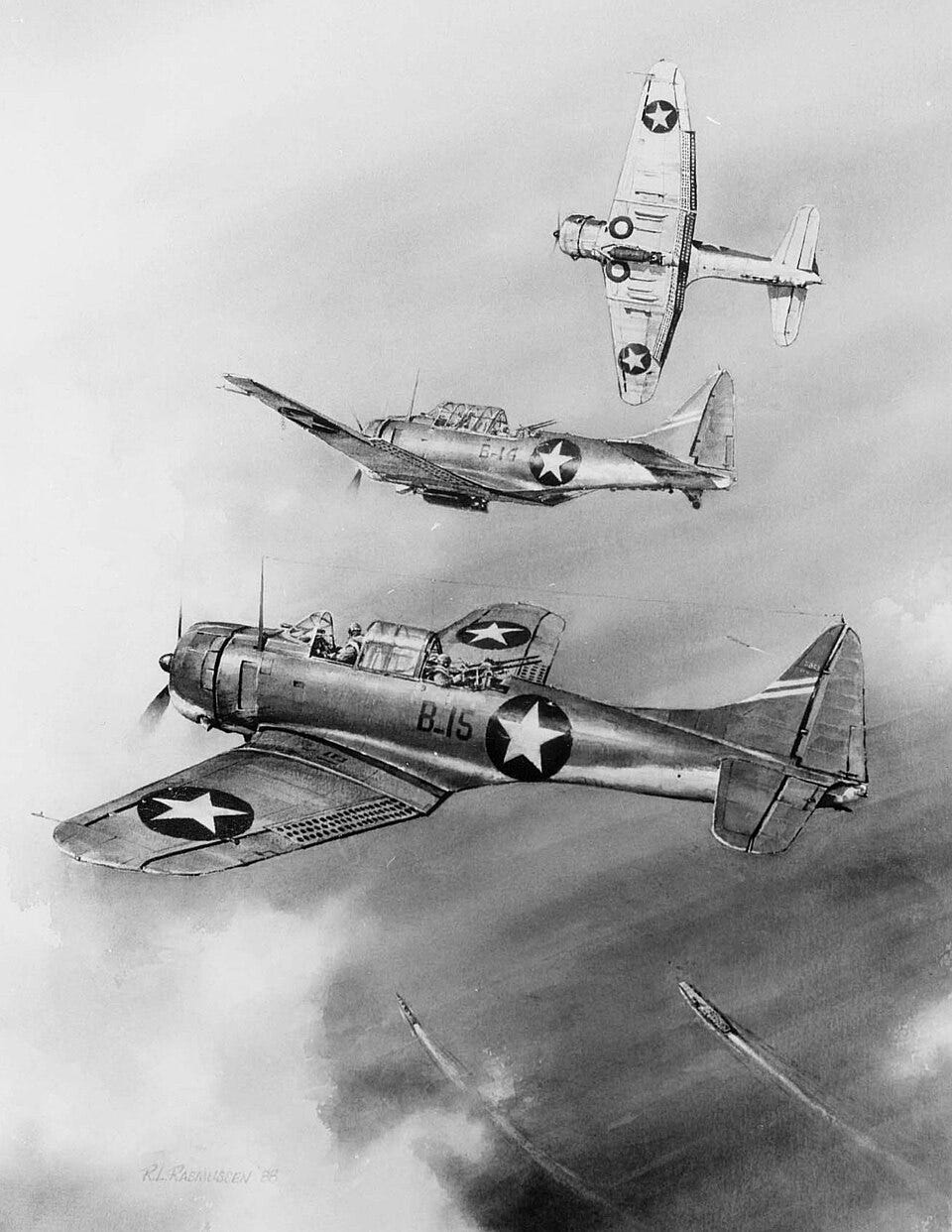
However, a later sortie from their carriers reached a group of three Japanese carriers. SBD dive-bombers dived in from the clouds and delivered their payloads. Explosions and fires engulfed the three aircraft carriers, which gradually slipped beneath the sea. The last remaining Japanese aircraft continued the battle, and a further wave of Japanese aircraft spotted the USS Yorktown and dropped their bombs. The crew of the Yorktown did not abandon ship immediately, but later jumped ship after a further wave of Japanese aircraft bombarded the aircraft carrier. A Japanese submarine ensured the loss of the Yorktown. Despite this, the remaining Japanese aircraft carrier was also taken out by the U.S. aircraft, which won a great victory for the U.S. Navy.
Aircraft also had a significant impact in other naval battles, such as at the Philippine Sea and Leyte Gulf in 1944, but surface ships and submarines also provided much greater support for U.S. aircraft carriers in these battles. However, the Battle of Britain, the Battle of the Coral Sea, and the Battle of Midway were won almost entirely with Allied aircraft.
This article of mine was originally submitted to Medium, where you can read it here.
Read more of my World War II articles on Vocal:
Events That Led to World War II
The Initial German Assault at the Battle of the Bulge
The Pride and the Abyss: The Story of the Bismarck Battleship
Remembering the Events That Led to the Darwin Raid in February 1942
About the Creator
Matthew A
Matthew is the author of Battles of the Pacific War 1941-1945. Battles of the Pacific War is available on Amazon and Lulu in e-book and paperback formats. Check out the book’s blog at battlesofthepacificwar.blogspot.co.uk.
Enjoyed the story? Support the Creator.
Subscribe for free to receive all their stories in your feed.
Comments
There are no comments for this story
Be the first to respond and start the conversation.