
Events That Led to World War II
Remembering the Events That Led to the Invasion of Poland in September 1939
The events leading to World War 2 can be traced back to 1929. Wall Street crashed, and a general economic decline followed. A decade later, conflict in Europe erupted.
In the early 1930s, the depression had set in the Weimar Republic. Here, support for the Nazi Party began to increase, resulting in a considerably greater number of votes during the Weimar elections. By 1933, a Nazi coalition emerged with a cabinet that included two leaders of the Nazi Party. This coalition disbanded the Reichstag in favor of a one-party state, namely the Nazi Party and the Third Reich.
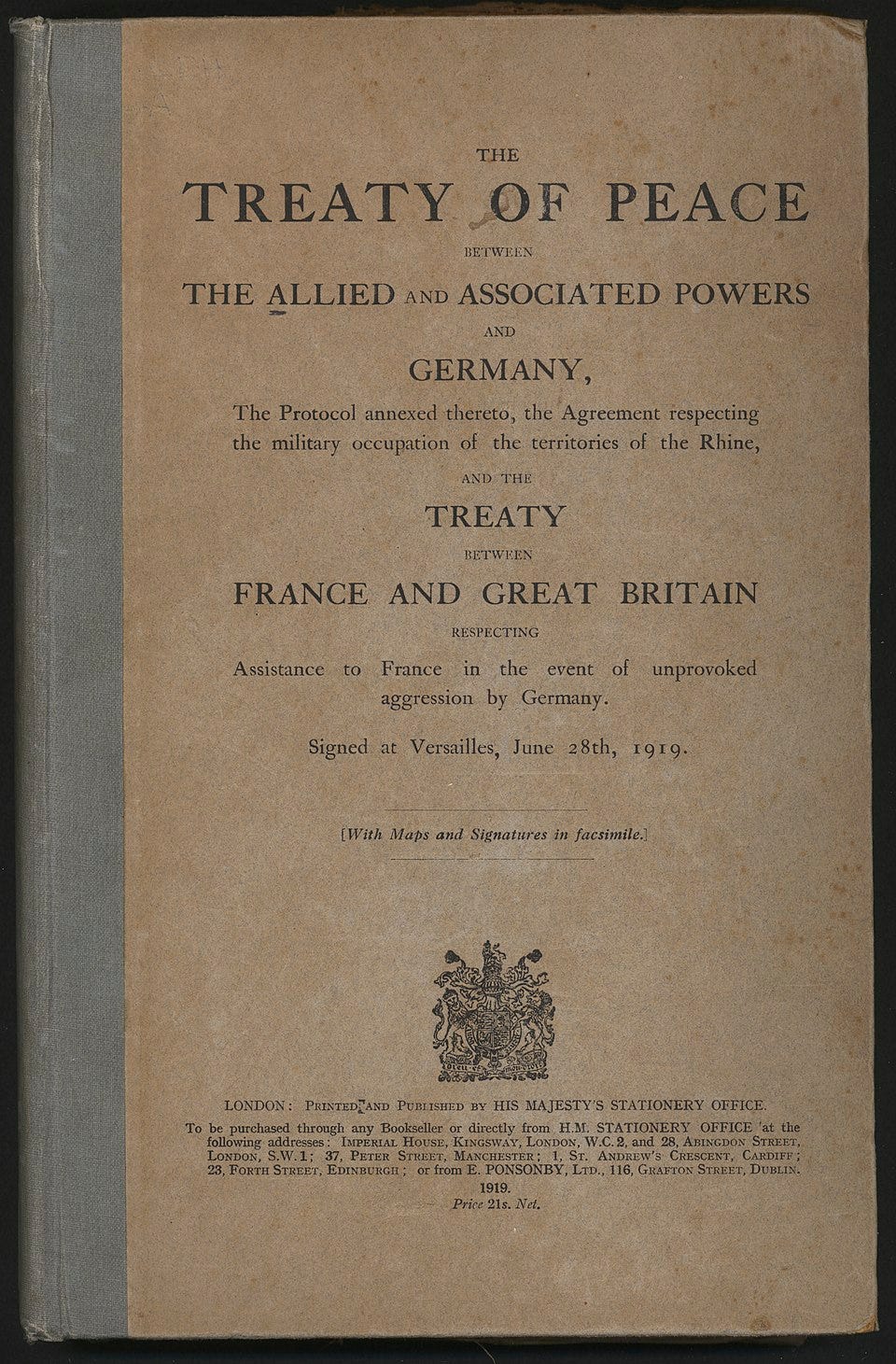
The Treaty of Versailles (an armistice agreement that ended World War I) was a treaty increasingly overturned by the Nazi Party during the period. Britain and France pursued a policy of appeasement and were prepared to make concessions. Germany began to re-militarise, which was aided by a German economic recovery during the period.
In 1937, the Germans united with Austria after a Nazi coup. A referendum revealed that the Austrians were universally in favor of joining Germany. Austria became a part of Germany. The West did nothing to prevent this but became increasingly weary.
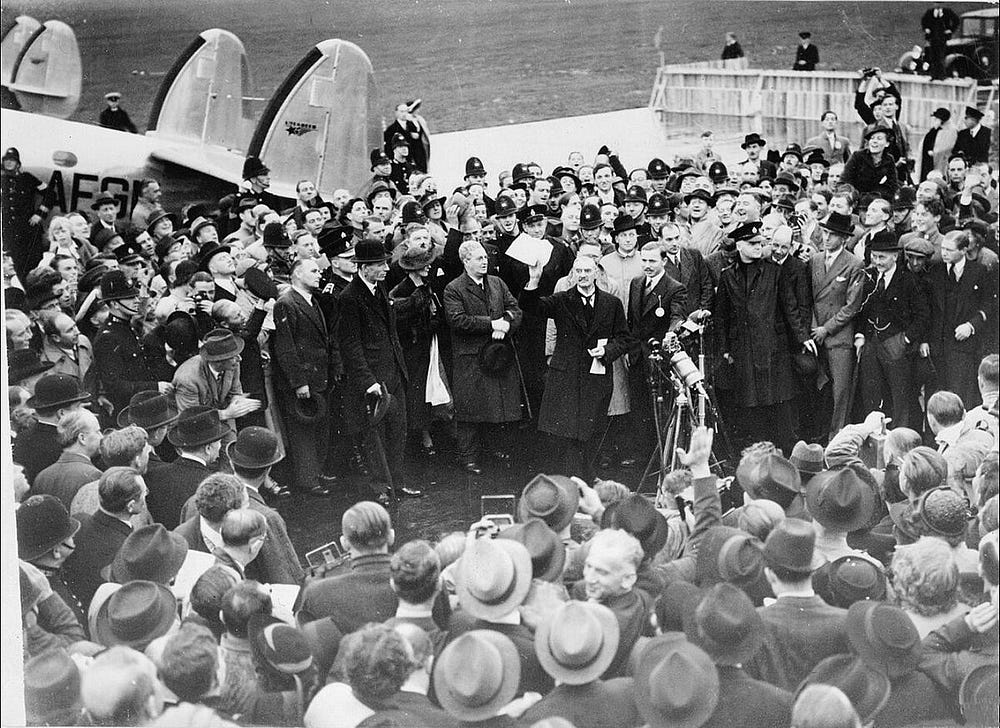
By 1938, Germany also made demands about the Sudetenland. To avoid war, the Munich Conference was arranged, whereby Western Europe agreed to cede the territory of the Sudetenland to Germany. Neville Chamberlain declared the agreement would ensure peace in Europe; however, the German occupation of the rest of Czechoslovakia soon followed. Britain and France made a military pledge to Poland in the event of German troop movements into Poland.
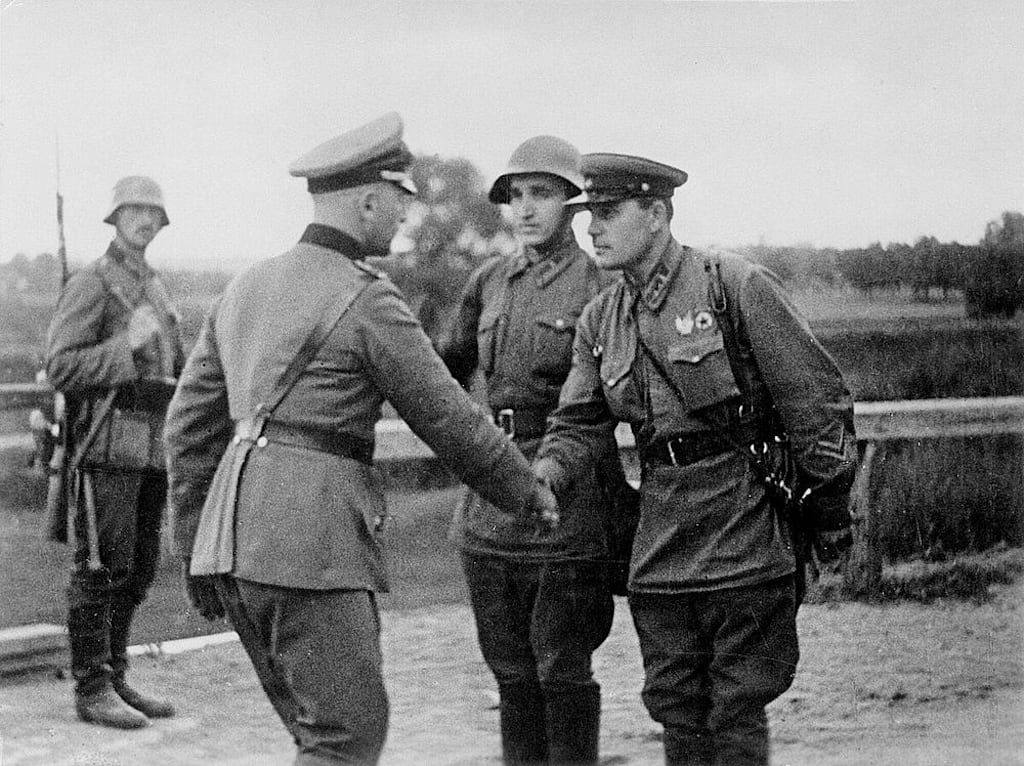
The USSR had not made any diplomatic agreements with Western Europe, and Stalin did not attend the Munich conference. In 1939, Stalin felt negotiation with the Germans was the best option. The Nazis needed an agreement with the USSR in the event of war in Europe. The Nazi-Soviet Pact was an agreement reached in 1939 whereby the USSR would remain neutral in the event of war between Germany and Poland. The pact took the West by surprise and certainly undermined the Munich Conference.
Beyond Europe, Japan had also occupied parts of China during the 1930s. The occupation of Manchuria and Japan's leaving the League of Nations resulted in American economic sanctions during the decade. The trade embargo with Japan left the possibility of war in the Pacific between Japan and the USA.
By 1939, a war in Europe and the Pacific was imminent. The subsequent German invasion of Poland on September 1, 1939, marked the beginning of the war in Europe. Then, the Polish army was quickly defeated, and Britain and France declared war on Germany on September 3, 1939. War in the Pacific also began in 1941 after the Japanese bombing of Pearl Harbor, resulting in war with the United States
Why the Start of World War II Remains Significant Today
There are numerous reasons why the start of World War II remains significant today. Poland, the country where it all began, holds commemoration ceremonies for the September 1, 1939, start date every year. There are thousands of World War II memorials throughout Poland, a country that the conflict devastated.
Gdańsk, the Polish city where the war began, is home to one of the largest World War II museums in the world. Today, tourists flock to the Museum of the Second World War, which documents the invasion of Poland and World War 2 more generally. I visited Gdansk myself on a cruise excursion trip, and it was then that I saw significant World War II memorials, such as the Monument to the Defenders and the Liberation Memorial. When you visit Poland, it's hard to escape the history of World War II because the conflict devastated the country.
Today, the world remembers the devastation of World War II, unleashed by the German invasion of Poland, with regular anniversaries for its most significant battles and operations. The carnage inflicted by that war devastated Europe and much of the wider world. It was the war that shaped the modern world, but the Russian invasion of Ukraine showed that European invasions are sadly not a thing of the past.
This article of mine was previously submitted to Medium, where you can read it here.
Read more of my World War II articles on Vocal:
The Initial German Assault at the Battle of the Bulge
Remembering World War II's Battle of Monte Cassino
Remembering the Events That Led to the Darwin Raid in February 1942
About the Creator
Matthew A
Matthew is the author of Battles of the Pacific War 1941-1945. Battles of the Pacific War is available on Amazon and Lulu in e-book and paperback formats. Check out the book’s blog at battlesofthepacificwar.blogspot.co.uk.
Enjoyed the story? Support the Creator.
Subscribe for free to receive all their stories in your feed.
Comments
There are no comments for this story
Be the first to respond and start the conversation.