
Six Years of Fire: A Chronology of World War II
A Brief Yearly Summary of What Happened During World War II

The Second World War began in the 1930s. The Japanese had already occupied parts of China before 1939, but in Europe, the war began in 1939. The occupation of Czechoslovakia was one step, but it was the German troop movements into Poland that saw Britain and France declare war on Germany. This marked the beginning of the war.
1939
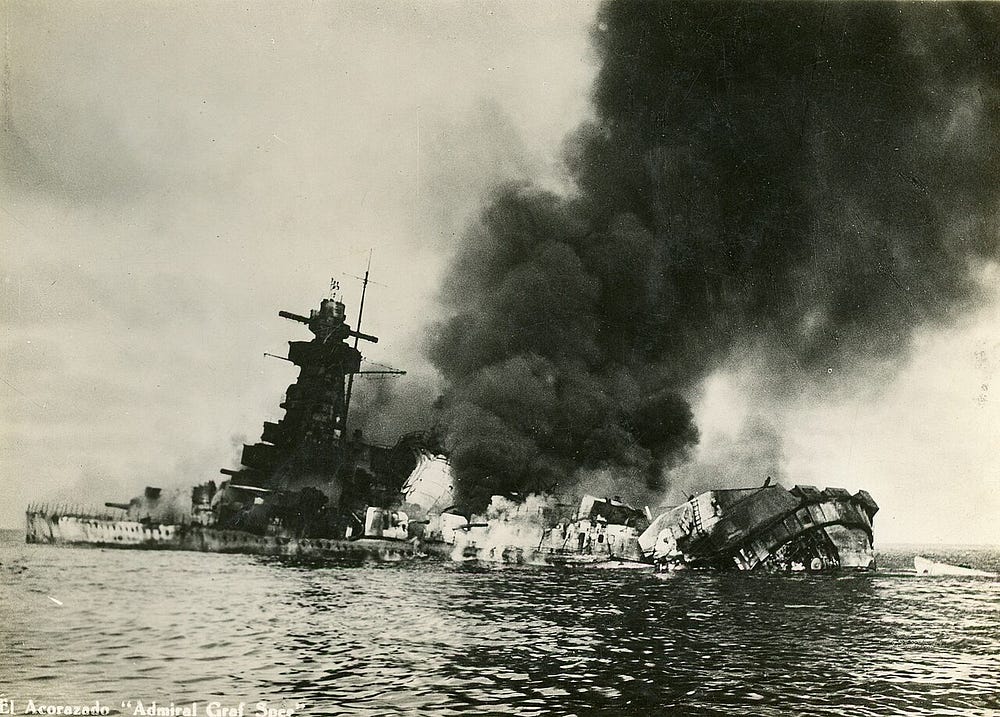
Hereafter, after the defeat of Poland, it became an occupied country. The war itself became a phony one, with the possible exception at sea. The Battle of the River Plate saw the sinking of the battleship Graf Spee by the Royal Navy.
1940
However, not until 1940 would the war really start. The Norway campaign was a debacle for the Allies and allowed Germany to occupy Norway. Then, it also paved the way for the Battle of France that followed. German troops bypassed the Maginot Line, and the blitzkrieg saw German troops move into Paris. The French duly accepted an armistice as the BEF retreated to Dunkirk.
Britain continued in the war beyond this, and the RAF won the Battle of Britain for air superiority. In 1940, the Italians also declared war on Britain, and a front was opened in North Africa and the Mediterranean. The success of Operation Torch allowed Britain to push the Italians back into Libya.
1941
In 1941, the war in North Africa continued with Rommel organizing the Afrika Korps. Thus, Britain was pushed out of Libya back into Egypt. In the Balkans, the likes of Yugoslavia were defeated by the Germans.
The war in the east began when German troops moved into the USSR. As such, the USSR joined Britain in the war with Germany. German advances continued towards Moscow before a freezing winter set in, which helped to halt the advance.
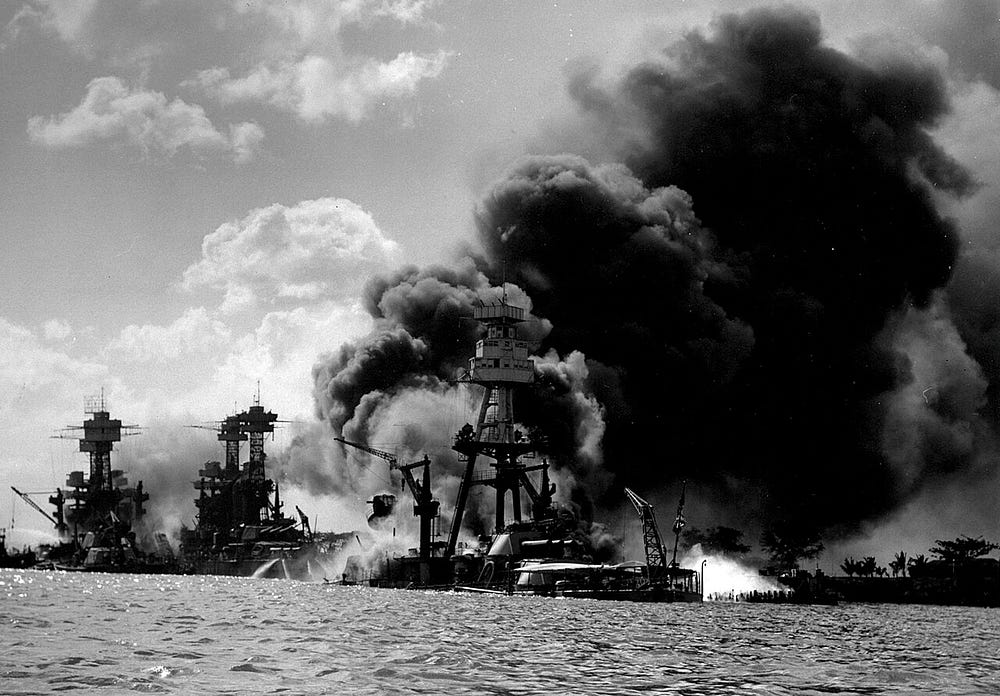
The winter of 1941 also saw Japan bomb Pearl Harbor in December. The bombing of Pearl Harbor began the war in the Pacific between Japan and the Allies. America also joined the war in Europe.
1942
By 1942, the war between the Axis and Allies continued. In the Pacific, Japan gained lots of territory as it defeated European armies in Singapore, New Guinea, the Dutch East Indies, and also the American armies in the Philippines. However, the Imperial Japanese Navy was defeated twice by the US Navy at Coral Sea and the Battle of Midway, where they lost four aircraft carriers.
In Europe, the Battle of Stalingrad saw the German Army surrender in the USSR. Britain also won their battles against the Afrika Korps at El Alamein. Then Operation Torch paved the way for further reinforcements from the US.
1943
By 1943, the desert war was all but won as the remaining Axis armies surrendered at Tunisia. As such, the Allies were able to establish a second front in Italy as they landed at Sicily and then Italy. The Italians duly surrendered, although German armies remained in northern Italy.
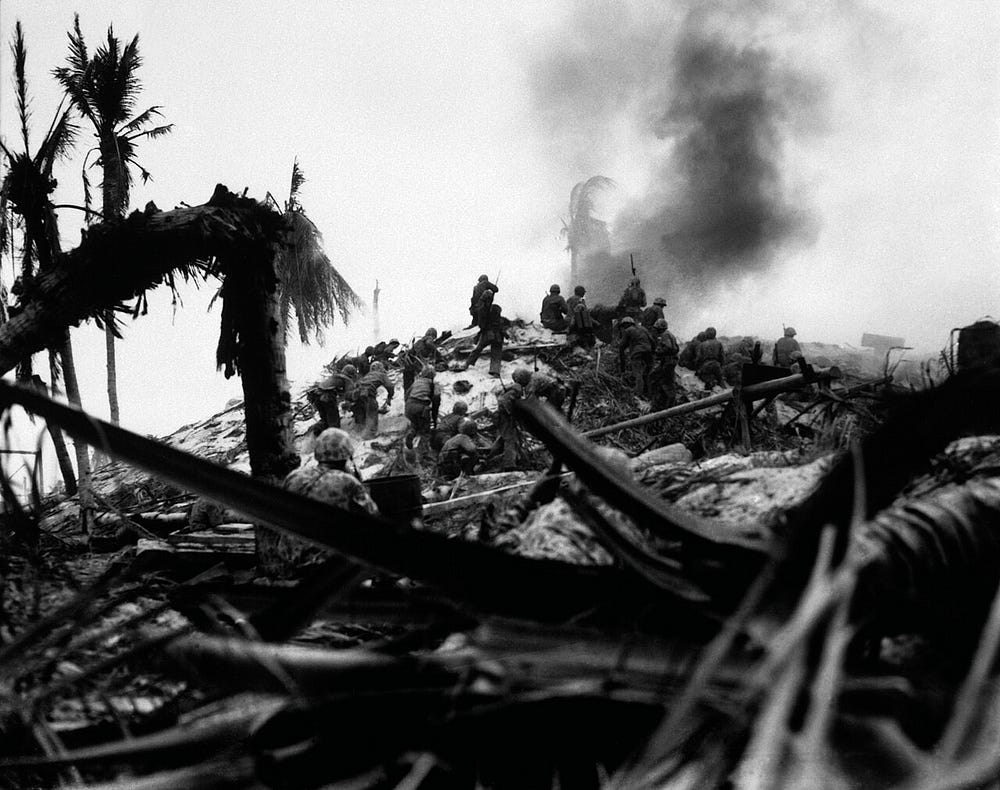
In the Pacific, the Allies began Operation Cartwheel. The series of advances began as the Japanese retreated from Guadalcanal. Then, in addition to this, the Battle of Tarawa followed, with US Marines defeating the Japanese at Tarawa.
In 1943, the Red Army was also advancing. The Battle of Kursk saw thousands of Russian and German tanks in action. However, it was another victory for the USSR as the Red Army moved towards Poland.
1944
In Europe and the Pacific, 1944 was a golden year for the Allies. The D-Day landings saw the Allies land in France, and Operation Overlord liberated Paris and the Low Countries. In the east, the Russians continued their advance out of the USSR and into Poland. The Battle of the Bulge did provide some setbacks in the west, but the Allies halted the advance.
In the Pacific, the Japanese Empire was crumbling. Further naval defeats at the Battle of the Philippine Sea and the Battle of Leyte Gulf would see the Marianas and the Philippines fall. As such, both Japan and Germany had all but lost the war.
1945
Still, no surrenders were given by the Axis in 1944. The war continued into 1945 as the Allies moved into both West and East Germany. The Red Army won the Battle of Berlin, and Germany surrendered.
The Japanese continued for months longer, and defeats at the Battle of Iwo Jima and Okinawa brought the Allies close to Japan. Still, no surrender was given, and as the first A-bombs were ready, President Truman was ready to use them to bring the war to a close. Two were dropped on Japan, and Japan duly surrendered in September of 1945.
With this, the war was over. The Allies had won the war, and victory was celebrated in most of Europe and beyond.
This article of mine was originally submitted to Medium.com, where you can read it here.
About the Creator
Matthew A
Matthew is the author of Battles of the Pacific War 1941-1945. Battles of the Pacific War is available on Amazon and Lulu in e-book and paperback formats. Check out the book’s blog at battlesofthepacificwar.blogspot.co.uk.
Enjoyed the story? Support the Creator.
Subscribe for free to receive all their stories in your feed.
Comments
There are no comments for this story
Be the first to respond and start the conversation.