
Remembering the Events That Led to the Darwin Raid in February 1942
How World War II's Darwin Raid Transformed Australia
After the airstrike at Pearl Harbor, the Japanese advanced in the Pacific. They had wiped out many battleships at the harbor, as well as hundreds of aircraft at surrounding airbases. Japan declared war on Britain, so Australia was also sucked into the Pacific War. In the months that followed, the Japanese army overran many European colonies in the Pacific, gaining new airfields that put their planes within range of Australia.
The Malaya Campaign was among the first in which the Japanese army advanced. During that campaign, they wiped out RAF planes from the sky. Their own aircraft intercepted Force Z, which consisted of the HMS Prince of Wales, which was wiped out by a Japanese aerial bombardment.
Malaya duly fell to the Japanese as their troops reached the Johor Strait. Having lost Malaya, the British and Commonwealth soldiers retreated to Singapore, blowing up a causeway which crossed the Johor Strait. The Japanese bombarded Singapore from the air and along its coastline with their artillery.
Soon after, their divisions landed along the northwest coast of Singapore. They went up against Australian soldiers of the 8th Division. Australian troops withdrew from the coast, leaving the Japanese to gain a greater foothold at Singapore.
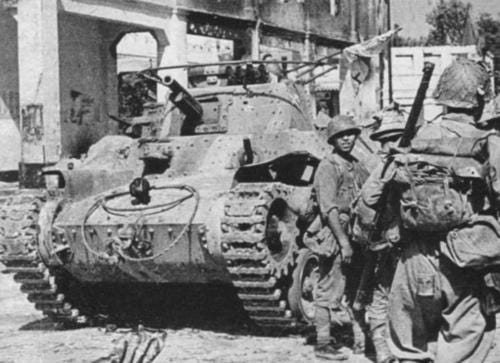
The Japanese swiftly advanced. They occupied the airfields in Singapore and Allied water supplies. Once Japanese engineers had repaired the causeway, their tanks rolled in, and the Allied troops fell back further. After a week of the Japanese landings, they surrendered.
Having won a great victory at the Battle of Singapore, the Japanese army stepped up its campaign in the Dutch East Indies. Borneo and Celebes had already fallen, providing oil wells, ports, and additional airfields for the Japanese Empire.
With those victories, Java was among the next targets for the Japanese army. They would have to transport thousands of troops to Java, requiring a clear passage across the Java Sea. To the south of the Java Sea was the port of Darwin, where the Allies had stationed some Allied warships. They had fortified the port with additional garrisons, and further airfields had also been established around the port.
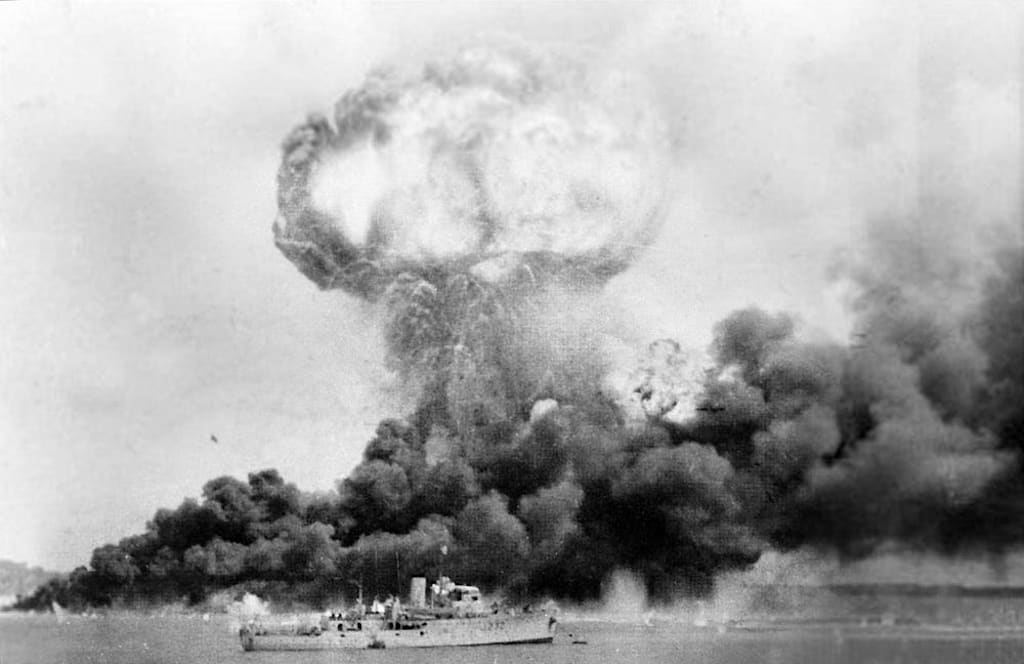
To wipe out the base, the Japanese deployed a fleet of aircraft carriers that departed Celebes in February. They sailed with hundreds of aircraft at their disposal. Further planes from their land bases in the Dutch East Indies also flew to Darwin for the airstrike in February 1942.
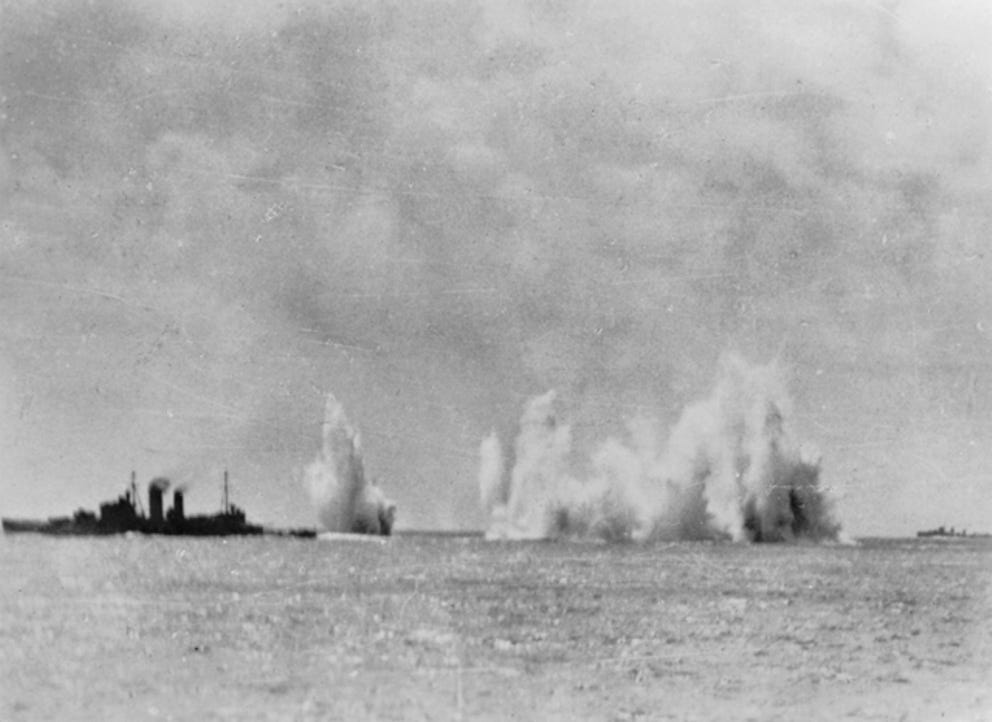
During the Darwin Raid that followed, they wiped out surface fleet ships, such as destroyers, and some Allied aircraft. The airstrike further depleted the Allied naval and air support for the Dutch East Indies Campaign. Soon after their troops landed in Java, the Allied soldiers surrendered.
Why is the Darwin Raid Significant Today?
The bombing of Darwin on February 19, 1942, is today considered to be Australia's Pearl Harbor. Japan dropped more bombs on Darwin than it did on Pearl Harbor. The civilian losses during the Darwin Raid were significantly higher than at Pearl Harbor. Consequently, the Bombing of Darwin Day is now a national day of remembrance in Australia.
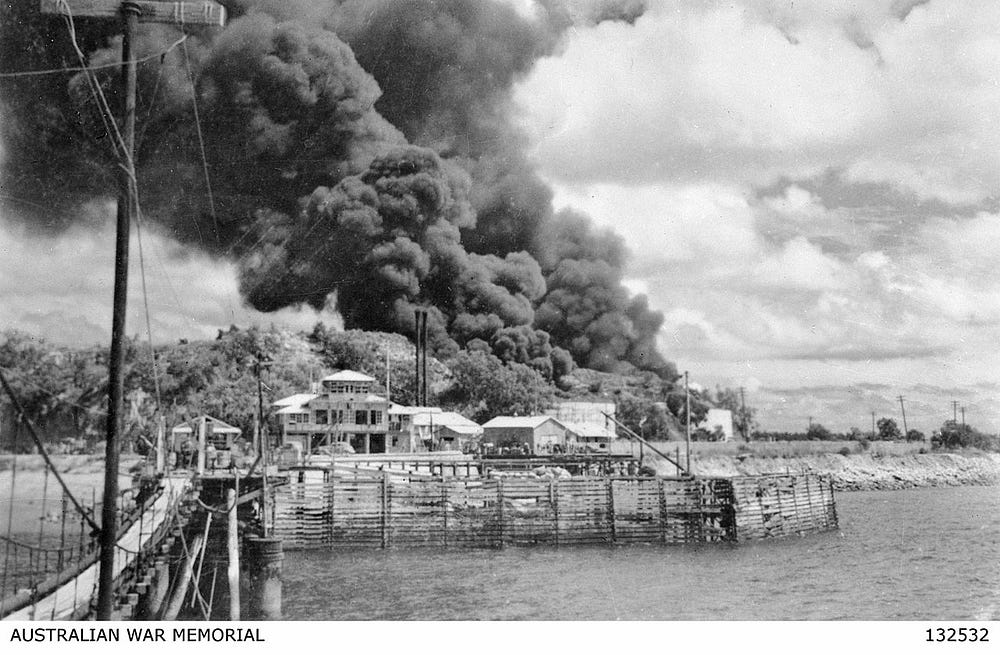
The Darwin Raid was the first time a foreign enemy attacked Australia on its own soil. That airstrike convinced Australia it needed to foster a closer relationship with the USA because it no longer seemed Britain could effectively defend the country. It marked a pivotal shift in Australian defence policy, with the Aussies establishing the ANZUS Treaty with the USA and New Zealand in 1951. That treaty remains the cornerstone of the Australian-US defence relationship today.
The Darwin Raid was one of the most significant events in Australian history. It was the moment that forced Australia to adopt a more strategic and independent approach to national defence than it had previously done. A few months after the Darwin Raid, Australia officially adopted the Statute of Westminster on October 9, 1942, granting its government full autonomy in foreign affairs and more legislative independence. Thus, the Darwin Raid accelerated Australia's breakaway from the British Empire.
This article of mine was previously submitted to Medium.com, where you can read it here.
Read more of my World War II articles on Vocal.com:
Six Years of Fire: A Chronology of World War II
The WW II Pacific Crucible: American Victories and Defeats
The Hidden Pivot: How the Mediterranean Theater Shaped World War II
About the Creator
Matthew A
Matthew is the author of Battles of the Pacific War 1941-1945. Battles of the Pacific War is available on Amazon and Lulu in e-book and paperback formats. Check out the book’s blog at battlesofthepacificwar.blogspot.co.uk.
Enjoyed the story? Support the Creator.
Subscribe for free to receive all their stories in your feed.
Comments
There are no comments for this story
Be the first to respond and start the conversation.