
A Timeline of the Truk Raid in February 1944
Remembering How the US Navy Established a Great Diving Destination
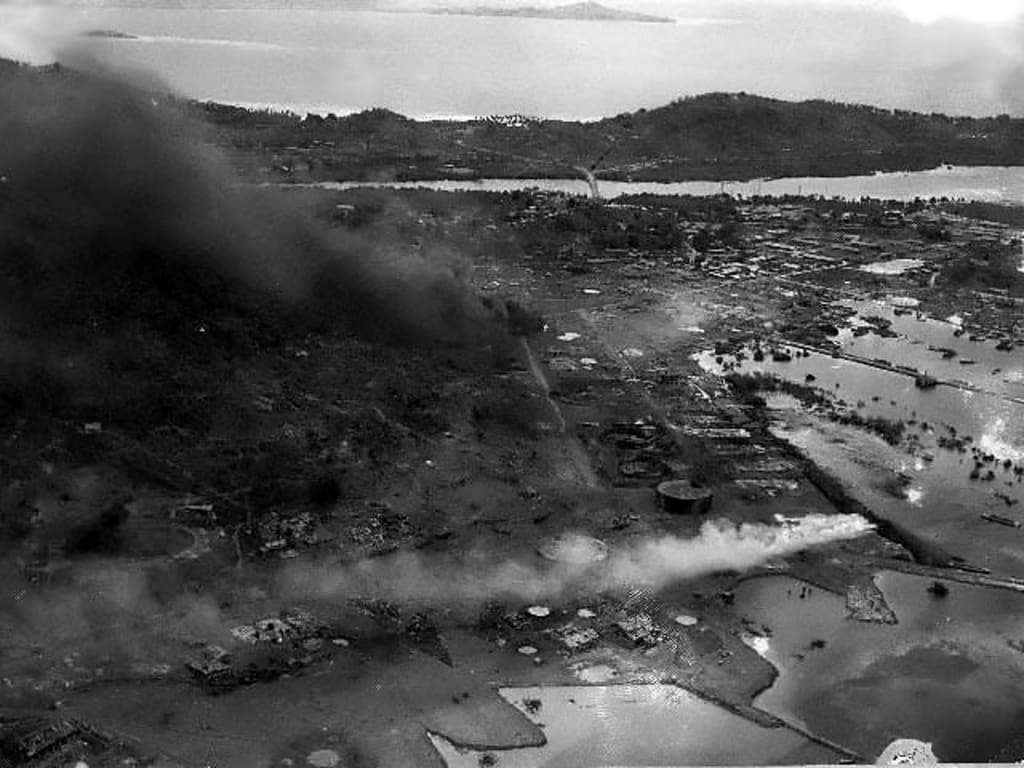
The Truk Raid was a large airstrike in the Pacific War over Truk Island in 1944. Here, the IJN had an established naval base that came within range of a U.S. carrier fleet in February 1944. During this period, their aircraft blitzed the Japanese anchorages and airfields located there. U.S. surface fleet ships also played their part in the raid that wiped out most of the Japanese aircraft and ships stationed there.
February 3
U.S. scout aircraft flew over Truk before the arrival of Task Force 58. This also highlighted that they were planning a raid on Truk, as scout aircraft were spotted by some Japanese in Truk. Soon after, the Yamato and other ships of the Second Fleet departed the naval base.
February 10
Before the U.S. aircraft carriers arrived at Truk, the IJN moved a bulk of its larger ships out of the naval base. Among them were the large Yamato-class battleships, cruisers, and destroyers, which were dispatched to Palau on the 10th. The Japanese correctly anticipated that the U.S. Navy could, and would, strike at the harbor. However, numerous cruisers and destroyers were still left behind.
February 17
On February 17, 1944, the Task Force 58 fleet moved within range of Truk at the required rendezvous point. The raid truly began as the first U.S. aircraft took off from their carrier decks. When they reached Truk, they went up against Japanese Zeros, which had taken off from nearby airfields to intercept. Those Japanese aircraft were somewhat ineffective and were downed in increasing numbers. As one former pilot stated: "Japanese aircraft were burning and falling from every quarter, and many were crashing on takeoff as a result of strafing them on the ground. Ground installations were exploding and burning, and all this in the early golden glow of dawn. At times, it all looked like it might have been staged for the movies."
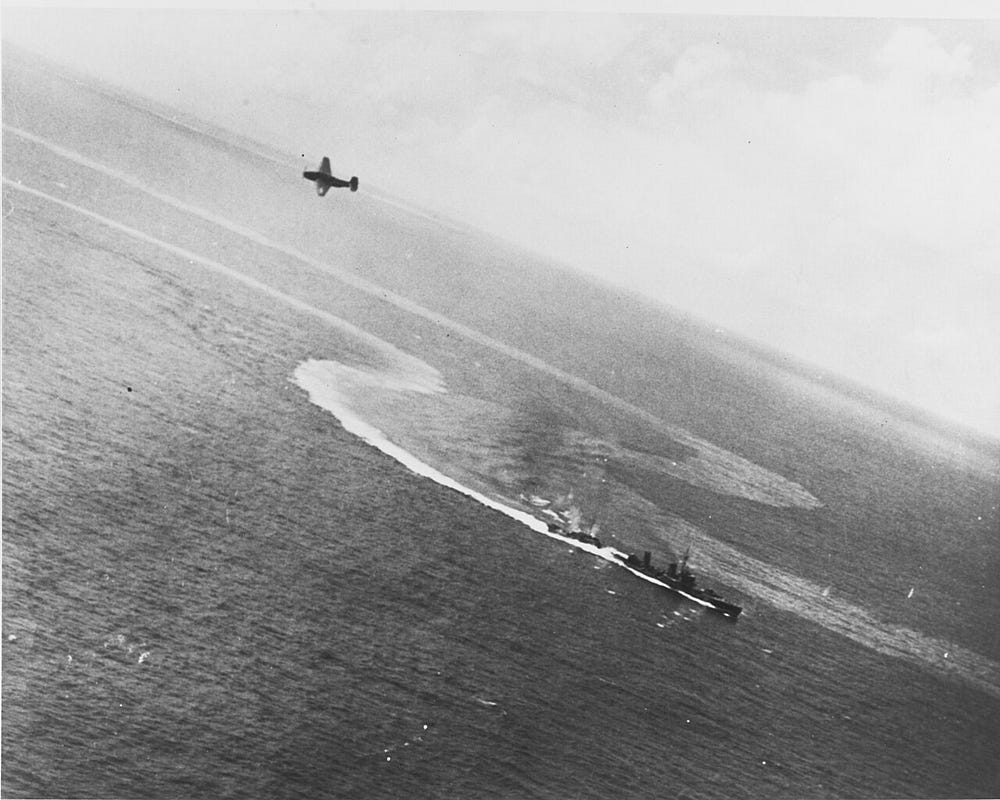
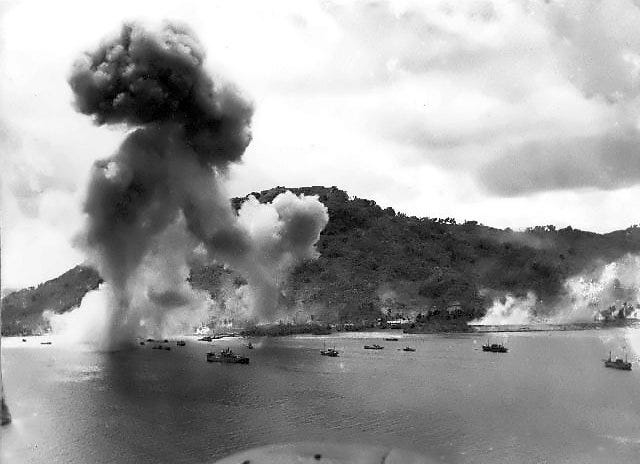
In the air and on the ground, hundreds of Japanese aircraft were taken out by the U.S. pilots. U.S. dive-bombers also bombarded the naval base, wiping out dozens of Japanese ships. Some Japanese destroyers began to exit the harbor, but they were intercepted by U.S. surface fleet ships.
February 18
The raid continued on February 18. Further U.S. aircraft swept over Truk to wipe out any remaining targets. Task Force 58 also picked up any sailors or pilots who could be found from the surrounding seas.
February 23
On February 23, the U.S. Marines secured Eniwetok in the Marshalls. The Truk Raid had ensured that potential Japanese air support for their armies stationed there had been wiped out.
April 29
When it became clear that the Japanese had sent further aircraft to Truk from Rabaul, U.S. aircraft carriers returned on the 29th for a further raid over Truk. This raid wiped out most of the new aircraft that were located there, although their planes could not find any additional shipping within the Truk lagoon.
After the raid, Truk was effectively cut off in the Pacific. No further raids over the island were required. However, as the IJN had moved much of the Combined Fleet out of the harbor before the raid, Task Force 58 had missed some of Japan's larger capital ships, such as the Musashi, which were later sent to further naval battles in 1944.
Why is the Truk Raid Significant Today?
Today, Truk is one of the world's premier diving destinations because of the U.S. airstrike there in 1944. It is one of the world's largest underwater museums that contains the wrecks of more than 50 Japanese warships. Many visitors flock to Truk Lagoon on diving expeditions to explore the wrecked ships of the Japanese ghost fleet.
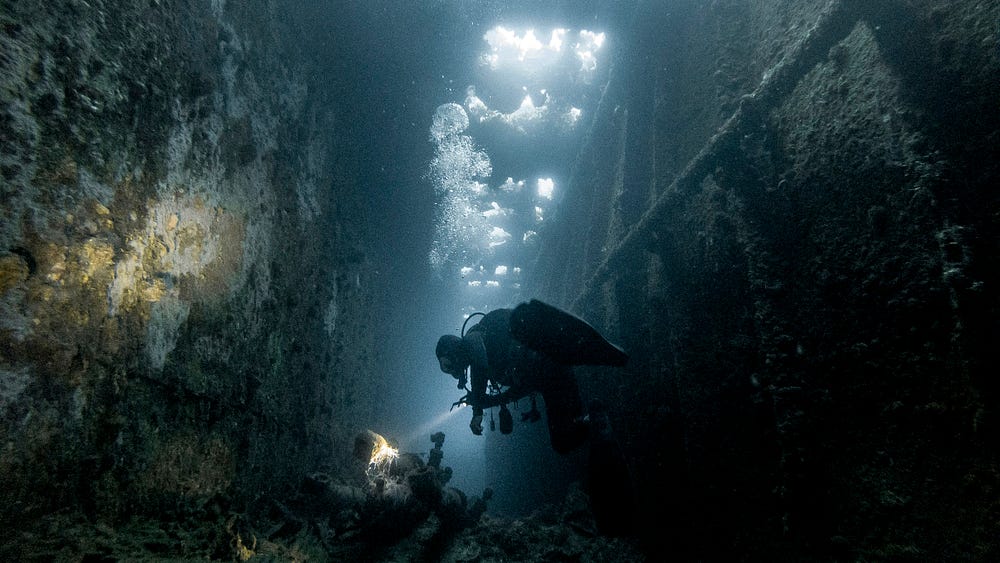
Truk Lagoon is like an underwater archaeological site that contains ships, aircraft, and weapon artifacts from World War II. The relentless bombardment of Truk in February 1944 formed one of the world's greatest underwater heritage sites. That U.S. attack on Truk was Japan's Pearl Harbor, which further highlighted the increasing significance of aircraft carriers in naval warfare during 1944.
This article of mine was originally submitted to Medium.com, where you can read it here.
Read more of my World War II articles on Vocal:
Remembering the Japanese Naval Battles in the Pacific War
Remembering the Events That Led to the Darwin Raid in February 1942
Carriers, Convoys, and Command: The Pacific War at Sea
The Most Famous Battleships of World War II
The Hidden Pivot: How the Mediterranean Theater Shaped World War II
About the Creator
Matthew A
Matthew is the author of Battles of the Pacific War 1941-1945. Battles of the Pacific War is available on Amazon and Lulu in e-book and paperback formats. Check out the book’s blog at battlesofthepacificwar.blogspot.co.uk.
Enjoyed the story? Support the Creator.
Subscribe for free to receive all their stories in your feed.
Comments
There are no comments for this story
Be the first to respond and start the conversation.