
Carriers, Convoys, and Command: The Pacific War at Sea
The World War II Pacific Theater at Sea
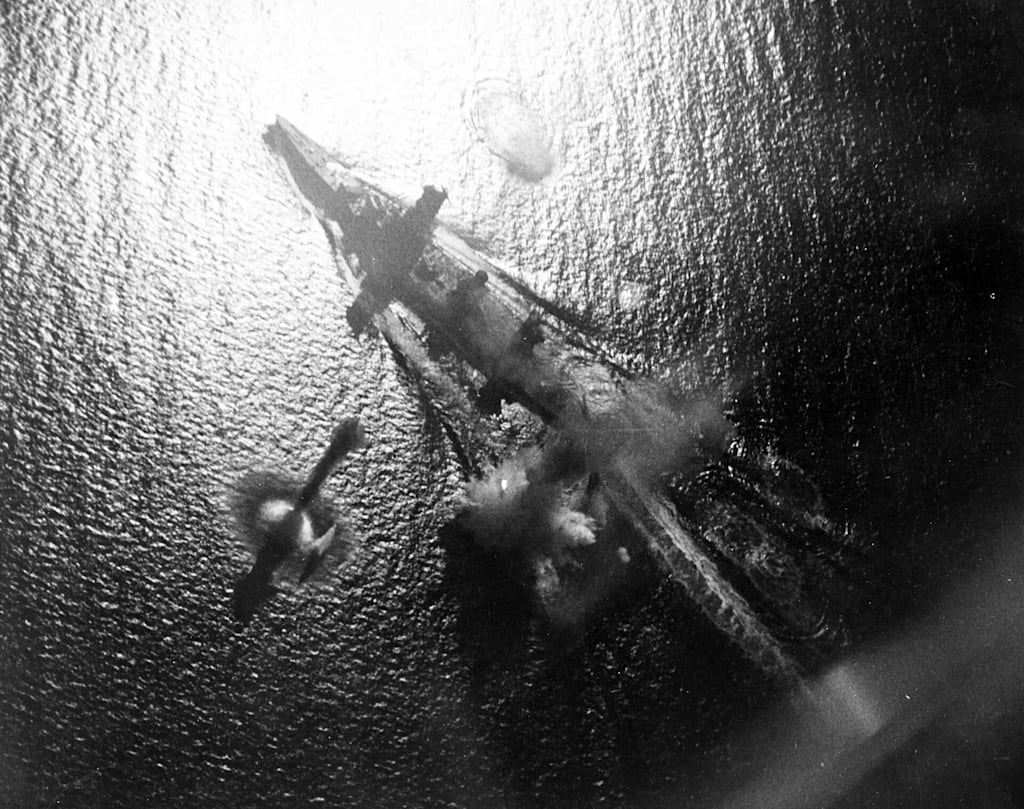
The Pacific War was a war that was won more at sea than on land. Many of the land battles of the Pacific War also required naval and air support. The rise of the aircraft carrier ensured that aircraft could now be launched from the sea as well as land, and aircraft would be a crucial factor in the Pacific War.
Japan’s victory at Pearl Harbor highlighted how potent aircraft carriers could be. In just a couple of sorties, hundreds of Japanese planes had sunk most of the American battleships in port at Pearl Harbor, and also wiped out the American aircraft located at the Pearl Harbor airfields. However, America’s carriers were not present, and this would be significant for the later naval battles that would follow.
Early naval battles of the Pacific War would be won by the IJN. At the Battle of the Java Sea, the ABDA navies were defeated by the IJN. The demise of the Allied naval presence here would ensure the fall of Java. European navies could not match the IJN, and Britain’s naval presence around Singapore was greatly reduced during the Malayan Campaign.
Two naval battles in 1942 would provide the springboard for the Allies' victory in the Pacific War. The first of these was the Battle of the Coral Sea, in which the IJN abandoned its advance toward Port Moresby. That the Americans lost one of their aircraft carriers in action was something, but the Allies still held Port Moresby.
The IJN’s losses during this battle were comparatively light in relation to the Battle of Midway that followed. To trap the American aircraft carriers, the IJN sent four aircraft carriers to take Midway Island. Although the Americans had deciphered Japanese codes and sent three of their aircraft carriers, which arrived much sooner than the IJN expected. In the battle that followed, these three aircraft carriers would sink four of Japan's. The Americans lost the Yorktown during the battle, but it was nonetheless a great victory.
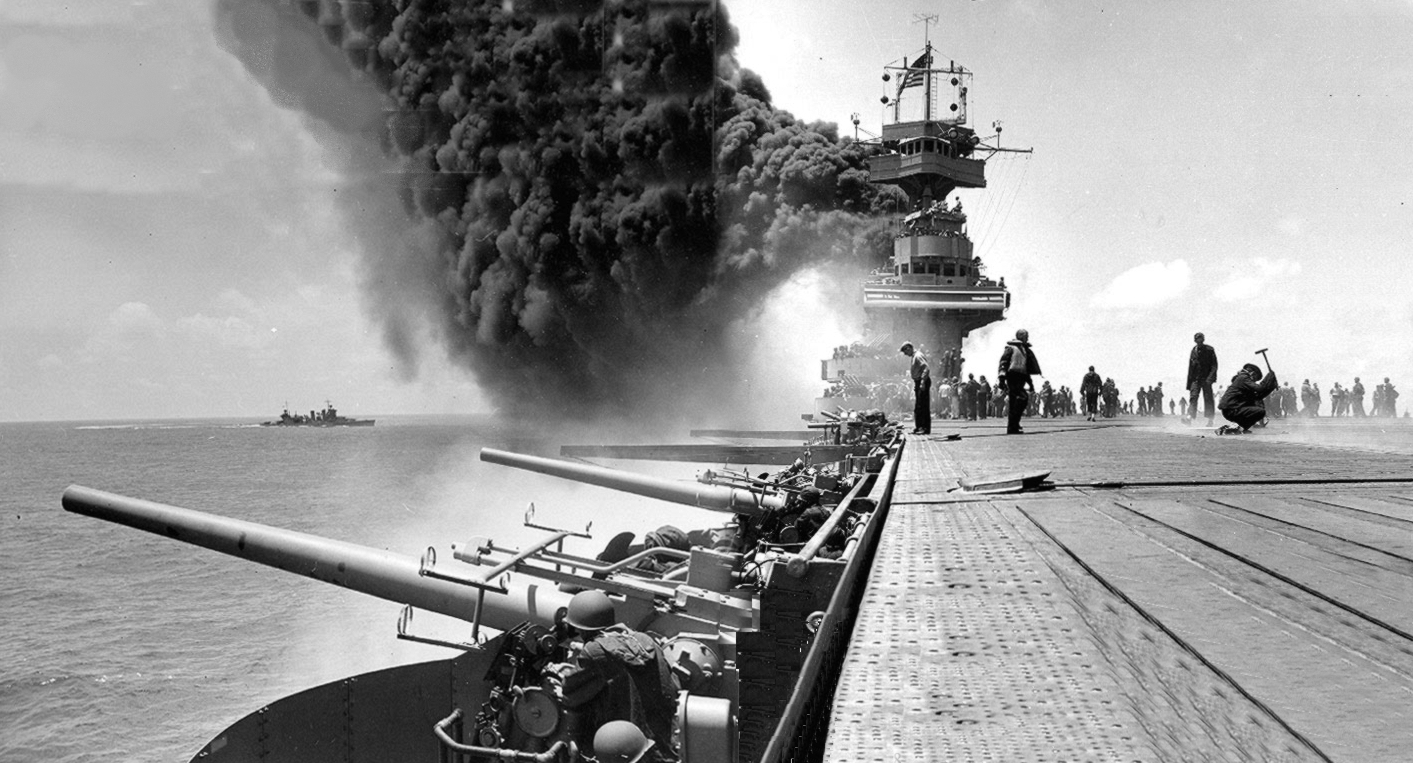
After Midway, the war at sea declined during 1943. The Allied island-hopping strategy began, otherwise known as Operation Cartwheel, and so land battles became more of a priority during this period. Despite this, there was still notable naval action during the Guadalcanal Campaign. Naval support was also required for the amphibious landings, and American warships usually shelled the land and Japanese fortifications before American marines landed on the beaches.
Not until 1944 would the Pacific War at Sea begin to resume. As the Allies advanced towards the Marianas, the IJN were once again ready to engage the U.S. Navy. Saipan was the next Allied target, and so it was around Saipan that the Japanese and American fleets met. A heavy assortment of aircraft carriers was involved in the Battle of the Philippine Sea, and both sides had hundreds of aircraft at their disposal.
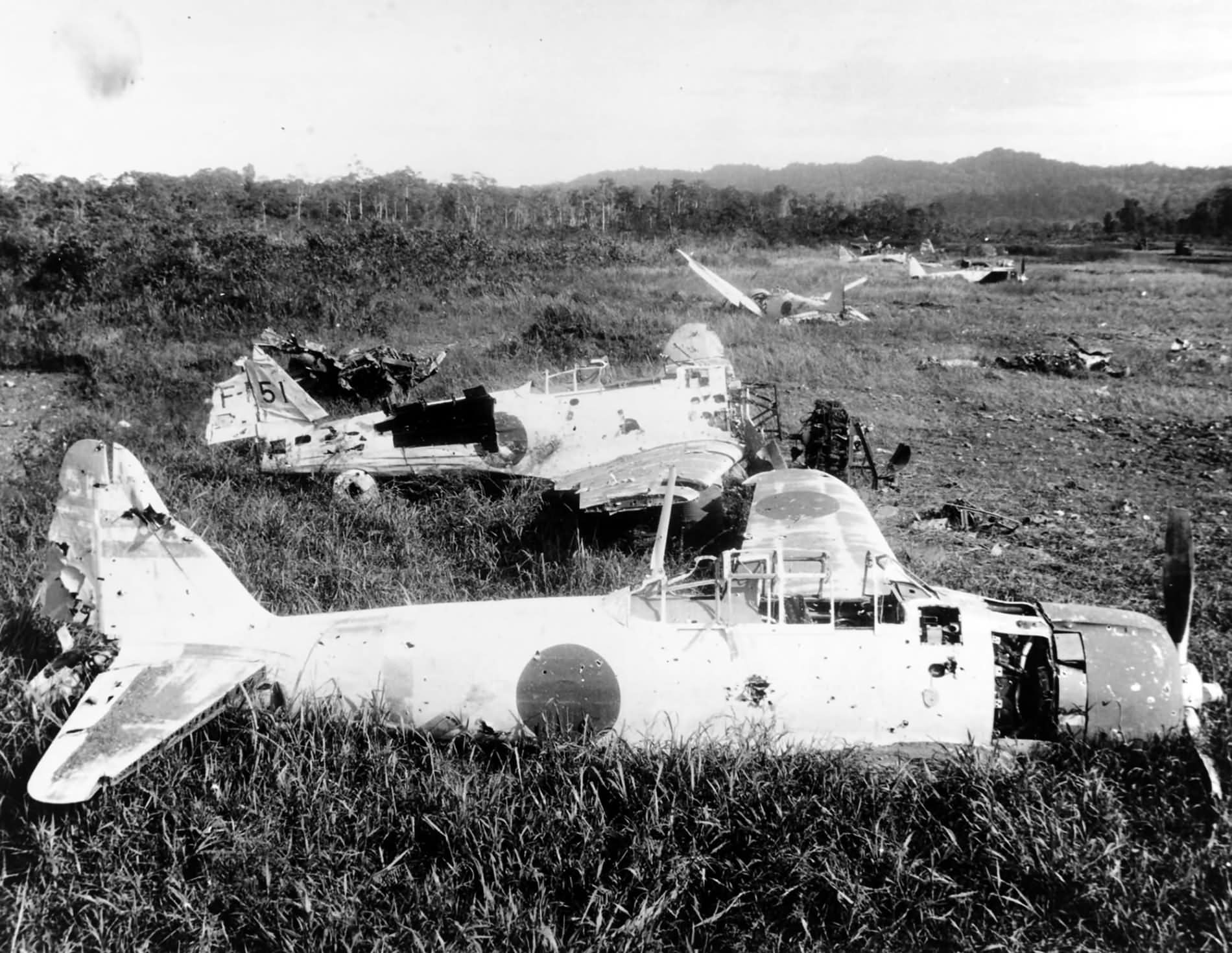
However, by 1944, Japanese aircraft such as the A6M Zero had become increasingly obsolete compared to the new Allied aircraft such as the F6F. In the battle that followed, the F6F dominated, and many hundreds of Japanese aircraft were lost in action along with their supporting aircraft carriers. As Japan’s aircraft fell from the skies like turkeys during a turkey shoot, the IJN had to withdraw.
Allied U-boats were also becoming increasingly more effective in the Pacific by 1944. While the IJN’s U-boats were largely for surface fleet support, the Allied U-boats targeted Japanese merchant shipping, which undermined their supply line. Not only were Japanese troop ships lost, but oil tankers were also sunk by the Allied U-boats.
Later in 1944, the Allies targeted Leyte Gulf. If this were taken, then they could advance towards the Philippines, which included Japanese oil reserves. As such, it was vital for Japan to defend Leyte Gulf with much of its surface fleet. The Battle of Leyte Gulf that followed would be the largest naval battle of the Pacific War. Although they still possessed a few carriers for the battle, the one thing Japan lacked was aircraft, and this meant the Allies had air superiority for the battle. This battle was largely dominated by the U.S. Navy, although the IJN was able to sink an escort carrier and destroyers off the coast of Samar. Nonetheless, there was little left of the Japanese fleets after the battle as they withdrew from the battle.
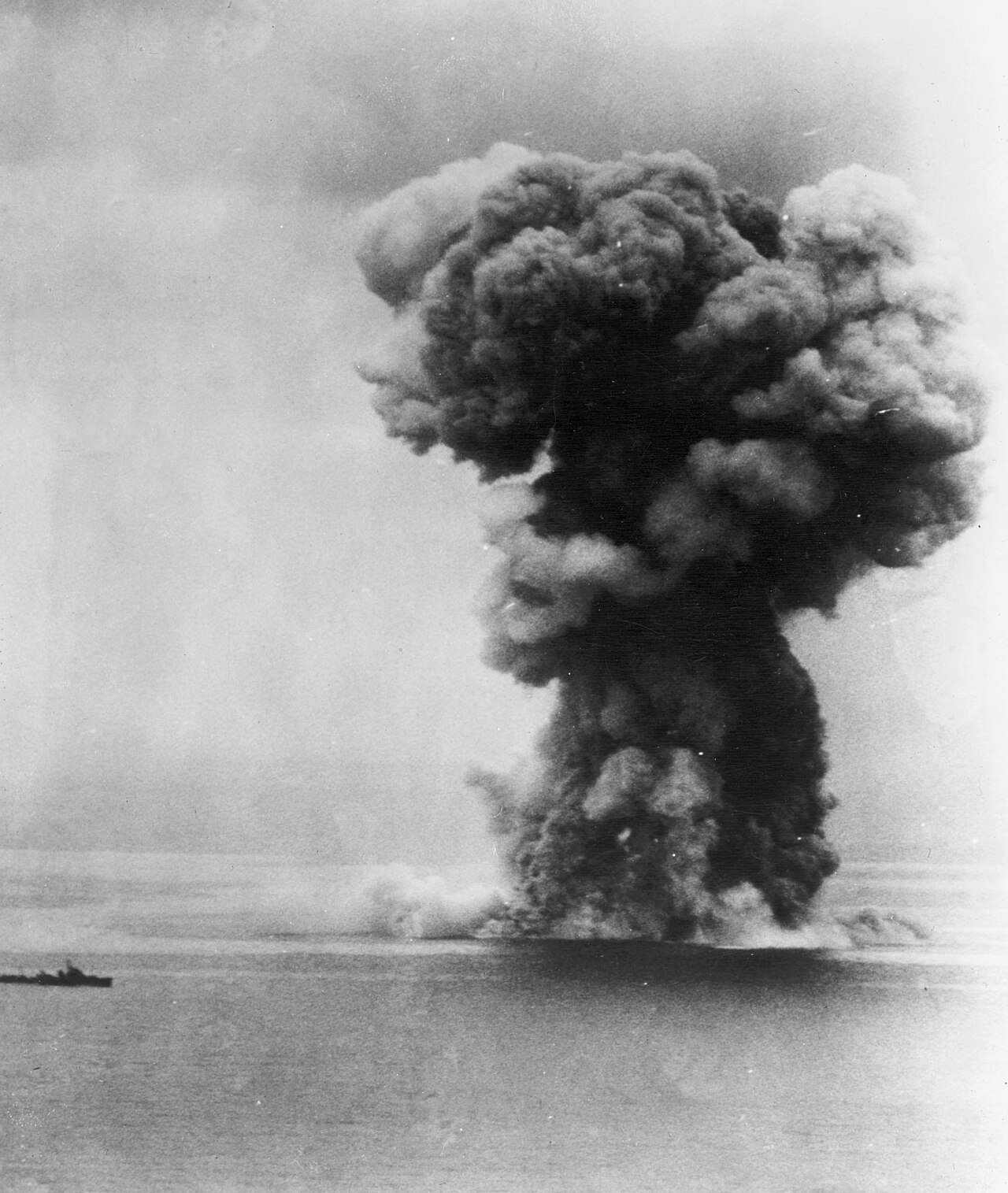
The war at sea had now reached its climax. The IJN could no longer be involved in large-scale operations. The Japanese home islands would have little to no naval support during 1945 as the Allies advanced towards Iwo Jima and Okinawa. Operation Ten-Go was one final IJN operation that involved their largest battleship, the Yamato, to defend Okinawa. However, it had little chance of reaching Okinawa and was indeed sunk by U.S. aircraft before it reached its target.
Months after Okinawa, the Japanese surrendered to the Allies. The Allies' victories at sea had been a big factor in the defeat of the Japanese Empire. Defeats at Coral Sea, Midway, the Philippine Sea, and Leyte Gulf had ensured the loss of hundreds, or perhaps thousands, of Japanese aircraft and many aircraft carriers, battleships, cruisers, and destroyers. In short, most of the IJN was lost during the Pacific War at Sea, and a good proportion of the Japanese air force. Allied U-boats also ensured that thousands of Japanese troops were lost at sea, along with merchant ships transporting further supplies.
About the Creator
Matthew A
Matthew is the author of Battles of the Pacific War 1941-1945. Battles of the Pacific War is available on Amazon and Lulu in e-book and paperback formats. Check out the book’s blog at battlesofthepacificwar.blogspot.co.uk.
Enjoyed the story? Support the Creator.
Subscribe for free to receive all their stories in your feed.
Comments
There are no comments for this story
Be the first to respond and start the conversation.