
The Hidden Pivot: How the Mediterranean Theater Shaped World War II
Remembering the Mediterranean Campaign
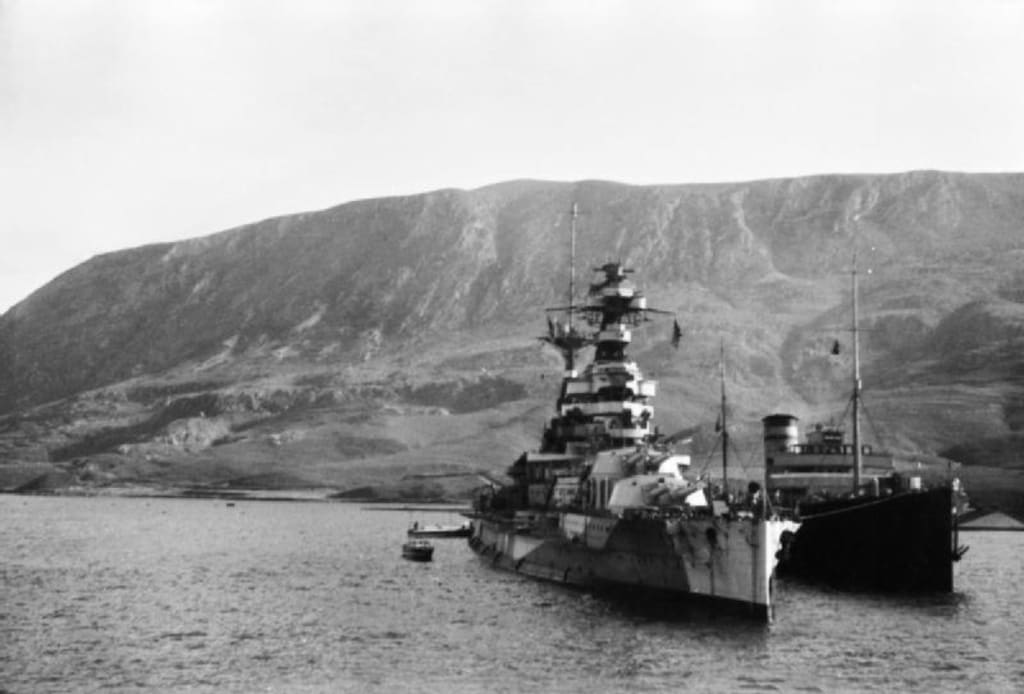
After the Allied defeats in France, the Mediterranean was strategically vital when Italy joined the war. The Mediterranean Sea was a key supply route for Allied troops in North Africa. In addition to this, it was also a supply route for Greece in the Balkans. As such, there were a number of naval battles during the Battle of the Mediterranean Sea. In addition to this, land battles on Greek islands and in Italy itself ensured that a front remained in the south of Europe up until 1945.
Among the earlier and more famous naval battles in the Mediterranean was the Battle of Taranto. In this battle, the Royal Navy had targeted the Italian naval base of Taranto for air raids. Royal Navy aircraft carriers provided the launch pads for the torpedo bombers that flew over the harbor and bombed three Italian battleships in port. The loss of these Italian battleships gave the Royal Navy the advantage it required in the Mediterranean Sea.
Worse was to come for the Italian navy at the Battle of Cape Matapan. In 1941, Britain sent troop convoy reinforcements towards Greece, which became the target for an Italian fleet. As such, Italian and British naval fleets met at the Aegean Sea, off the coast of Cape Matapan. During this battle, the Italians lost three cruisers and two destroyers before withdrawing. It was a heavy defeat for the Italian navy.
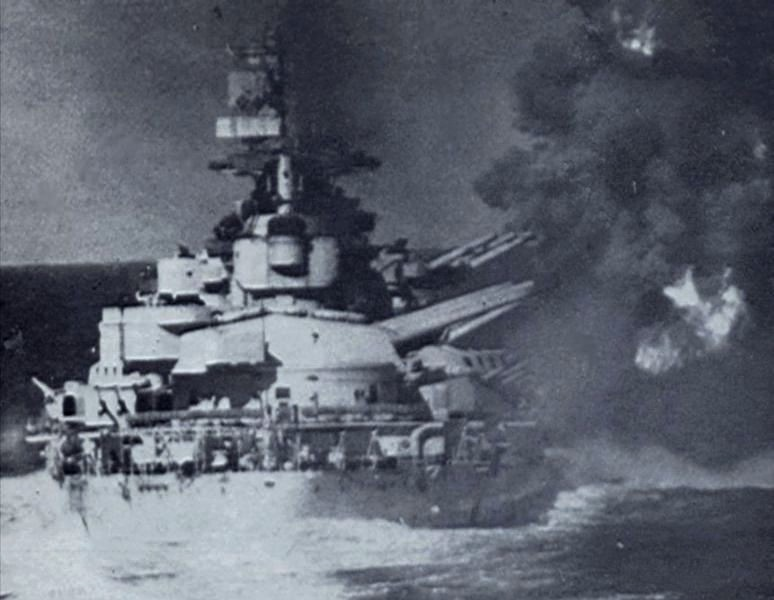
However, the Battle of Crete, months after the Battle of Cape Matapan, had given the Italians something to cheer. This battle did not involve the Italians, but it was here that German paratroopers defeated the British and Commonwealth troops, which ensured their withdrawal from Crete. As such, the Germans occupied Crete and its airbases, while the British lost a key base in the Mediterranean.
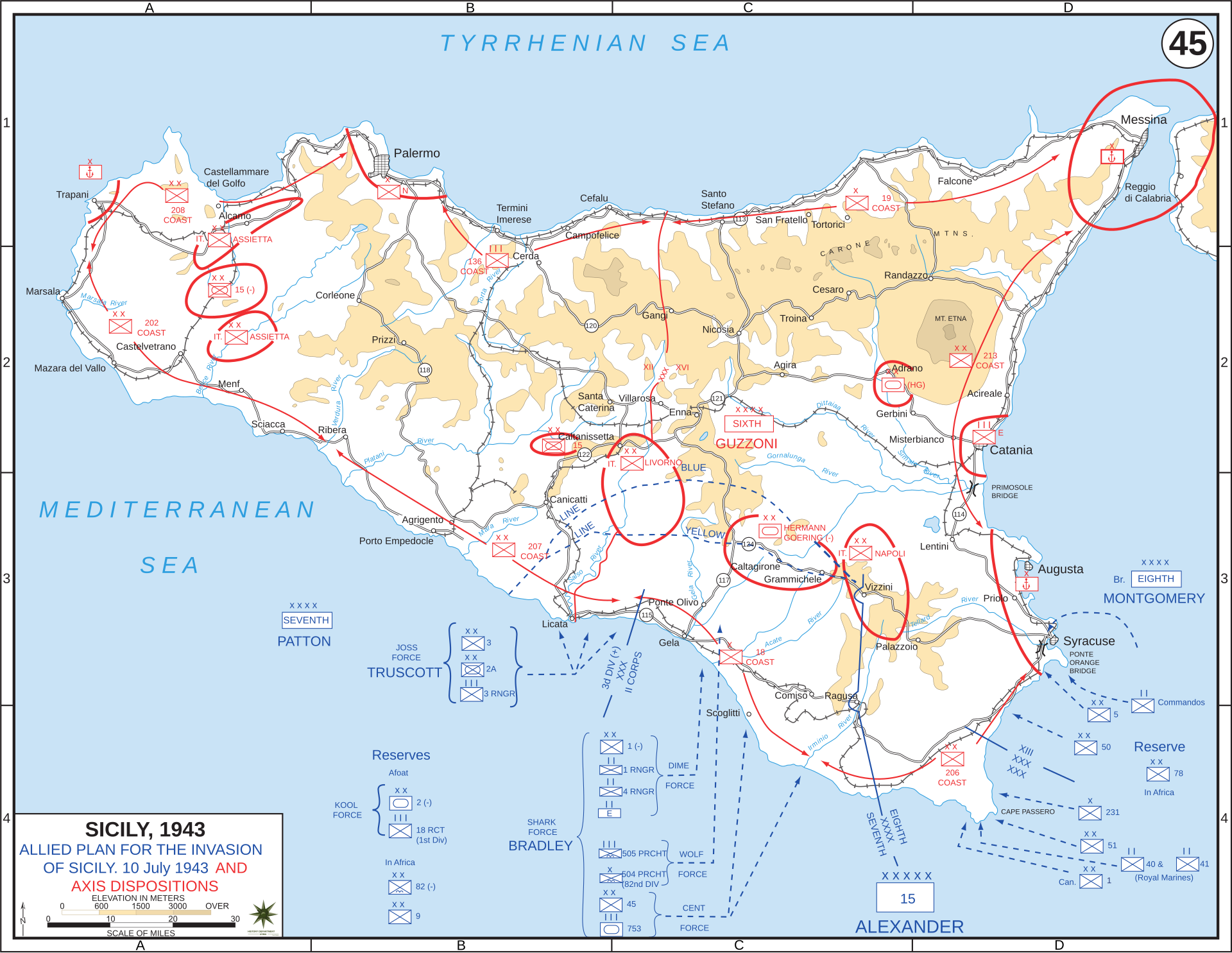
Naval skirmishes in the Mediterranean continued up until 1943. However, the defeat of the Afrika Corps in North Africa left Fascist Italy as the next target for the Allies for a new front in Europe. Operation Husky began a campaign in Italy as Allied troops landed in Sicily. Thousands of German and Italian soldiers were still able to effectively withdraw from Sicily, which assured a longer campaign in Italy.
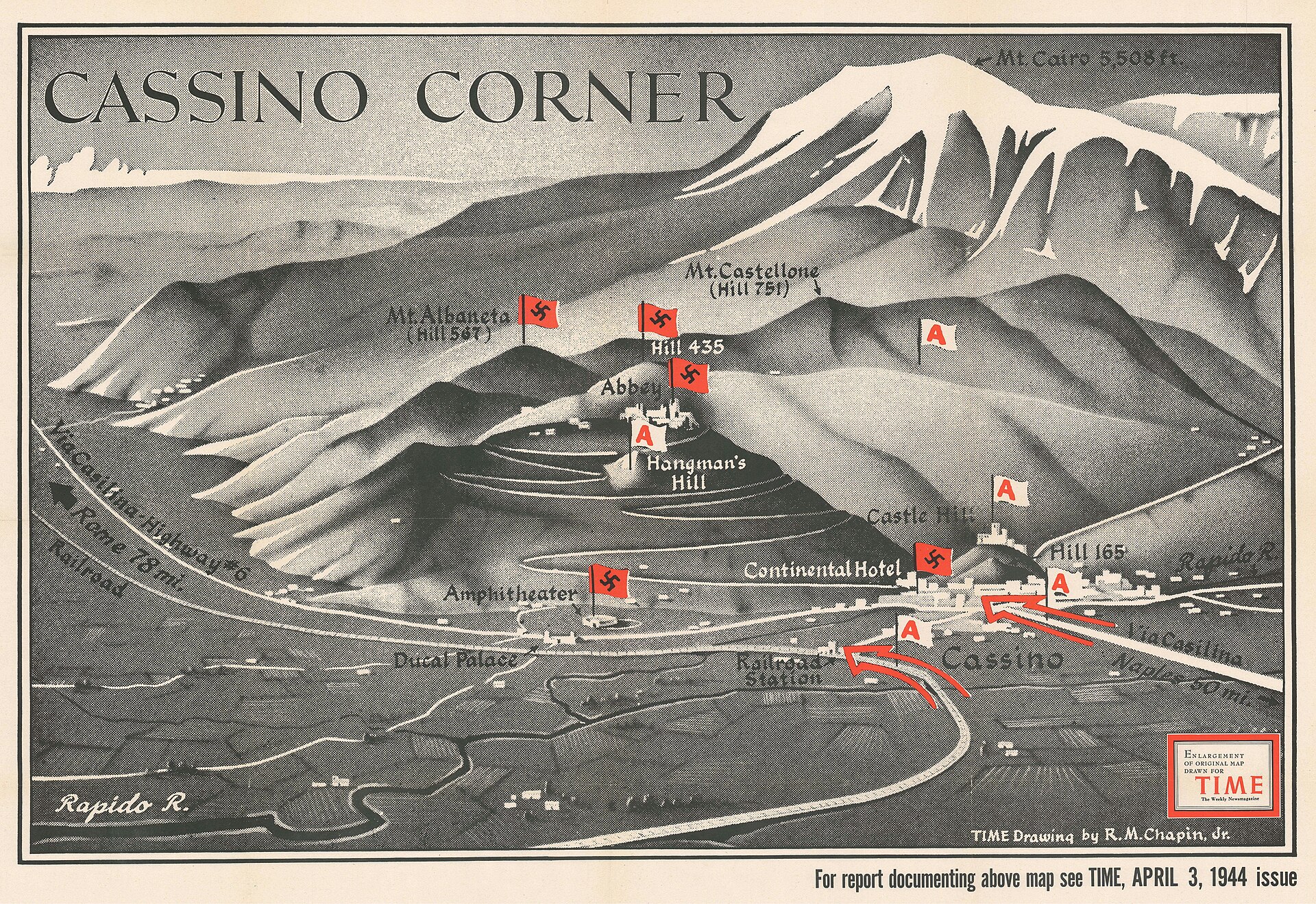
Even though the Fascist regime had effectively dissolved after Mussolini was dismissed by the Italian king after the fall of Sicily, German reinforcements for the Italian Fascists ensured that the Italian Campaign was far from over in 1943. The Allies advanced up the Italian peninsula until they reached Monte Cassino. It was here that their advance was halted as the Germans dug in the hills and mountainous terrain around the Abbey of Monte Cassino.
The Battle of Monte Cassino lasted for a number of months as the Allies could not break through. Some Allied soldiers even suspected that the Germans had set up a base within the Abbey of Monte Cassino, and so Allied bombers reduced the abbey to rubble. In actual fact, the abbey had not been a base for the Germans, but their troops began to fortify within the ruins after it had been bombed.
Only after Polish troops reached and occupied the abbey was the Battle of Monte Cassino effectively won. Thousands of Allied troops had been lost in action during the battle, and in this respect, it was a costly battle. The retreating Germans were also left to retreat as Clark advanced towards Rome.
German troops remained in Italy despite their defeat at the Battle of Monte Cassino. The Italian Campaign would continue into 1944 as the Allies advanced further north. Not until 1945 was the Italian Campaign all but over, when the remaining German troops in Italy surrendered to the Allies. Only now had the Fascist armies in Italy been defeated.
VE Day was effectively the end of the war in the Mediterranean. The Mediterranean had remained an active front for much of the war, with the Battle of the Mediterranean Sea and the Italian Campaign. Allied victories in the Mediterranean defeated Italy, maintained supplies for their troops in North Africa, and also ensured a second front for the German army during 1943.
About the Creator
Matthew A
Matthew is the author of Battles of the Pacific War 1941-1945. Battles of the Pacific War is available on Amazon and Lulu in e-book and paperback formats. Check out the book’s blog at battlesofthepacificwar.blogspot.co.uk.
Enjoyed the story? Support the Creator.
Subscribe for free to receive all their stories in your feed.
Comments
There are no comments for this story
Be the first to respond and start the conversation.