
The Construction and Design of the Lusitania Ocean Liner
How Cunard Designed the Lusitania
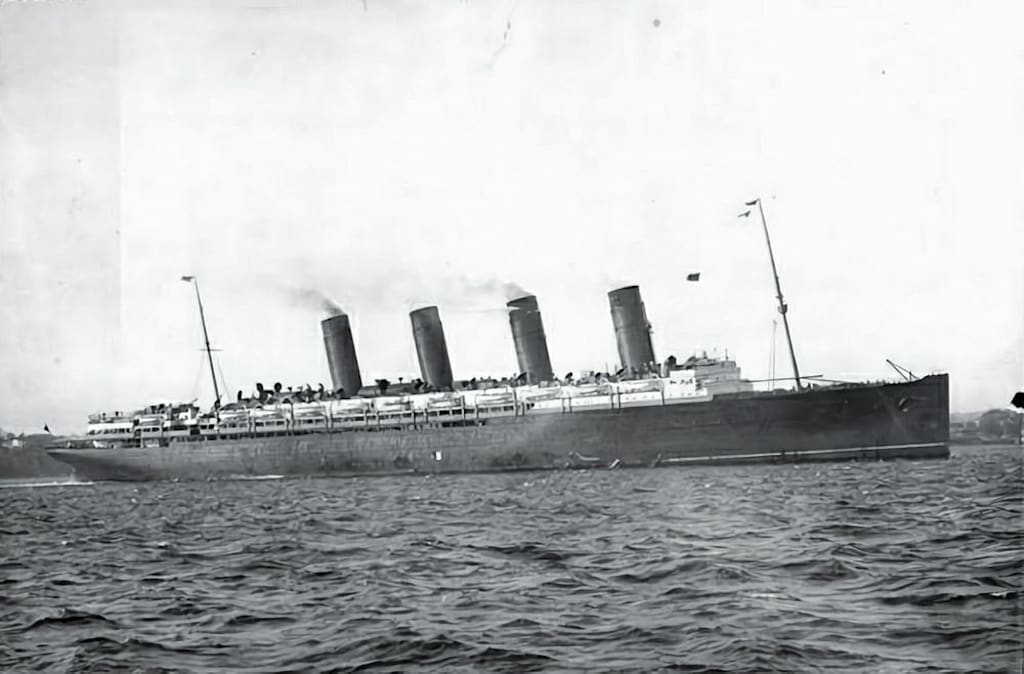
The construction of German ocean liners, such as the Wilhelm Der Grosse, in the late 19th century ensured the Blue Riband was set not by British ocean liners but by German alternatives. To return the Blue Riband record for transatlantic crossings back to Britain, Cunard laid down the blueprints for the RMS Lusitania in 1903.
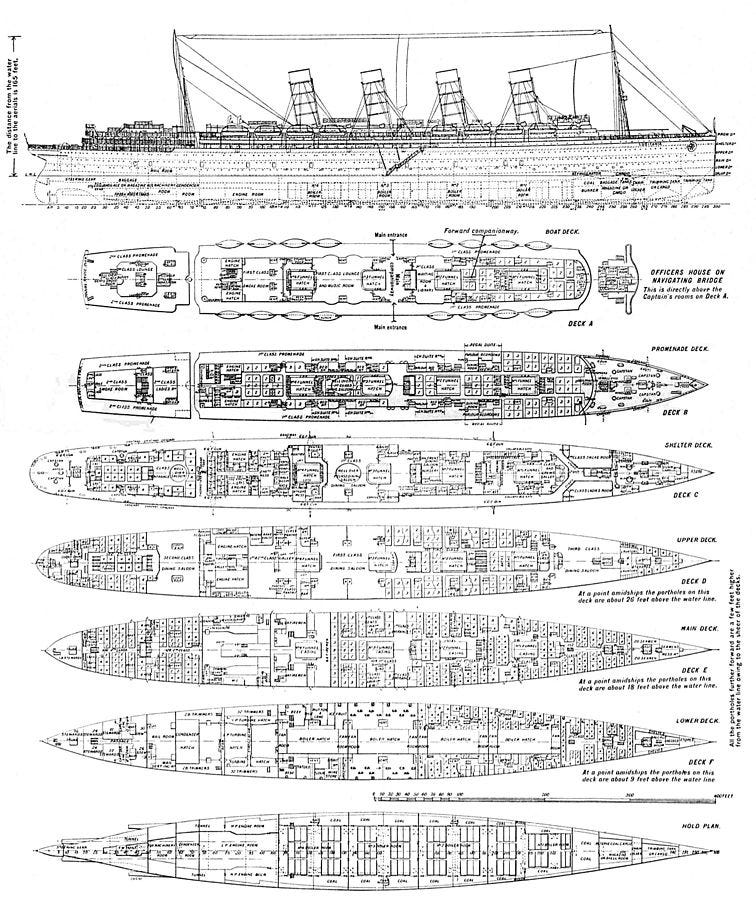
The ocean liner's primary architect was Mr. Peskett, who designed the new Cunard Mauretania and Lusitania ships. The original plans for the ocean liner included just the three funnels, but this was later modified with a fourth added. Cunard added a funnel to provide exhaust for Lusitania's boilers. Other adjustments included the addition of a fourth propeller to enhance propulsion.
The Lusitania included 23 double-ended boilers and a couple of single-ended alternatives. The size of the boiler rooms ensured some of the coal bunkers had to be placed along the side of the hull, and they were also included as longitudinal watertight compartments. Cunard added 12 watertight compartments, three fewer than Titanic's 15. Two compartments could be flooded without sinking the ship, whilst the Titanic could support up to four flooded watertight compartments without going down.
For the ocean liner's engines, Cunard consulted with Parsons, whose innovative new turbine engines were replacing reciprocating engines. Parsons promised the turbine engines would ensure Lusitania could reach up to 25 knots for transatlantic crossings. At the time, that would have been a Blue Riband record. As such, the Parsons turbine engines were included in the blueprints and added to the ocean liner when built.
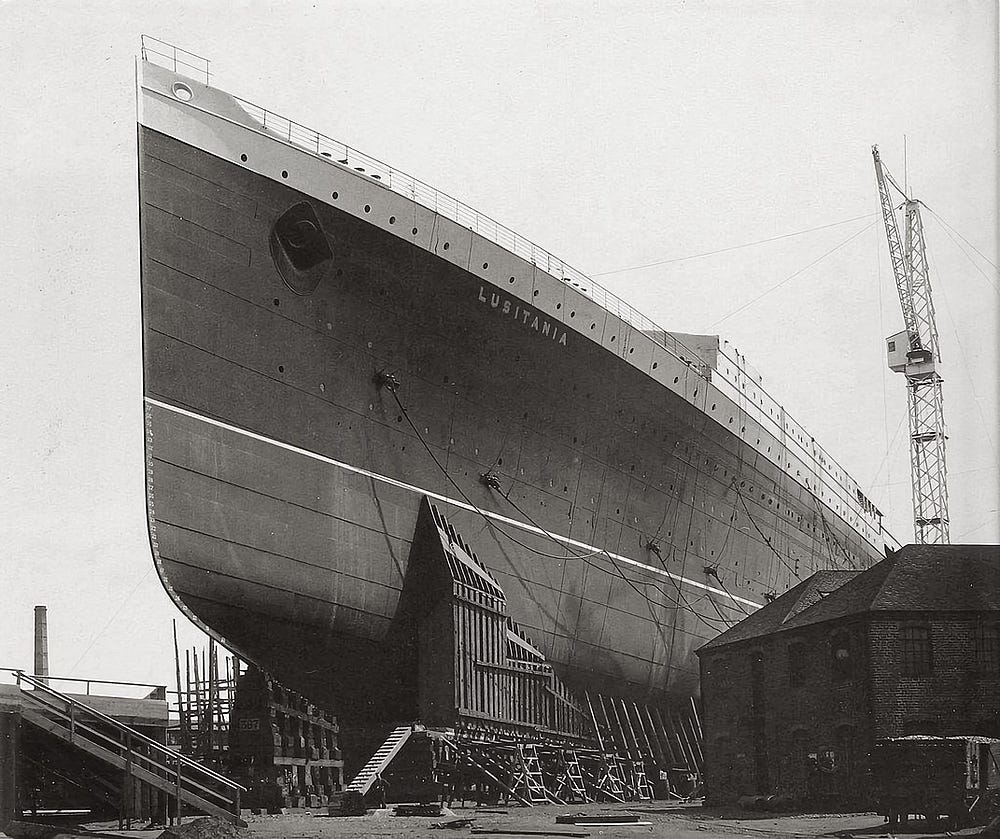
Once the design plans had been finished, construction of the Lusitania began in 1904. The keel of the ocean liner was laid in Clydebank. The John Brown and Co. shipyard had to be reorganized to house an ocean liner that would eclipse 30,000 gross tons when it left the yard. Railway tracks were added to the shipyard to bring in construction materials for the ocean liner, and a new slipway that filled the space of two was added. An estimated four million rivets were required during construction.
Construction of the ocean liner continued up to 1906. The hull was complete up to the main deck level, and three-bladed propellers were added. The actual superstructure of the ocean liner was constructed after Cunard launched the ship in 1906.
The ship's launch ceremony was greatly celebrated by the English press. This was a British ocean liner expected to set new records. It was also the largest ocean liner constructed at the time, with a displacement tonnage of up to 38,000, and could transport approximately 2,165 passengers (not including crew).
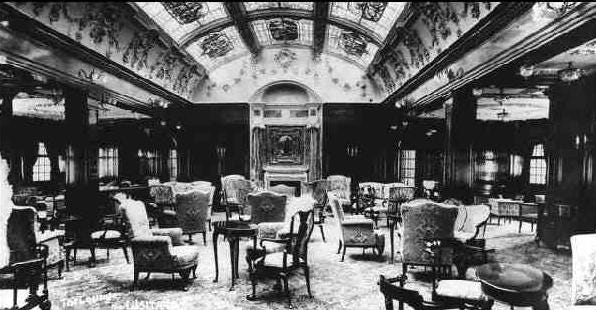
The outfitting was later added to the Lusitania at the Tail o' the Bank at Gourock. That included the Lusitania's funnels, as well as the interior décor. The Saloon class had the more extravagant décor, with the lounge including Georgian-style inland mahogany panels. Cunard designed the smoking rooms with Italian walnut paneling and red furnishings. Most investment was given to the dining saloon, which sat on two decks and had an open, circular well in the center. Cunard decorated this saloon with elaborate gold leaf and mahogany panels alongside Corinthian pillars. The dome in the center included neoclassical frescos.
At the hub of the ocean liner was the grand staircase. This staircase connected all six of the Lusitania's primary decks. Those decks included the Boat Deck, Promenade Deck, Shelter Deck, Upper Deck, Main Deck, and Lower Deck. The staircase also wrapped around two gilded-cage elevators.
The Lusitania made its maiden voyage in 1907. Hundreds of thousands flocked to the harbor as it left its English port. The ocean liner set a new Blue Riband record for transatlantic westbound crossings. Britain celebrated, and soon after, the Mauretania also eclipsed the Lusitania's record.
The Lusitania remained at sea until 1915. Then, it was torpedoed by a German U–boat. A great ocean liner had been lost at sea, and its demise remains somewhat overshadowed by the Titanic sinking in 1912.
This article of mine was originally submitted to Medium, where you can read it here.
Read more of my ocean liner articles on Vocal:
The Five Greatest Ocean Liners in History
The History of White Star Line up to 1934
The History of Cunard Line Up to the Cunard-White Star Merger
About the Creator
Matthew A
Matthew is the author of Battles of the Pacific War 1941-1945. Battles of the Pacific War is available on Amazon and Lulu in e-book and paperback formats. Check out the book’s blog at battlesofthepacificwar.blogspot.co.uk.
Enjoyed the story? Support the Creator.
Subscribe for free to receive all their stories in your feed.
Comments
There are no comments for this story
Be the first to respond and start the conversation.