
Remembering Britain's Victory at El Alamein in November 1942
How a Desert Battle in World War II Has Boosted Tourism in El Alamein
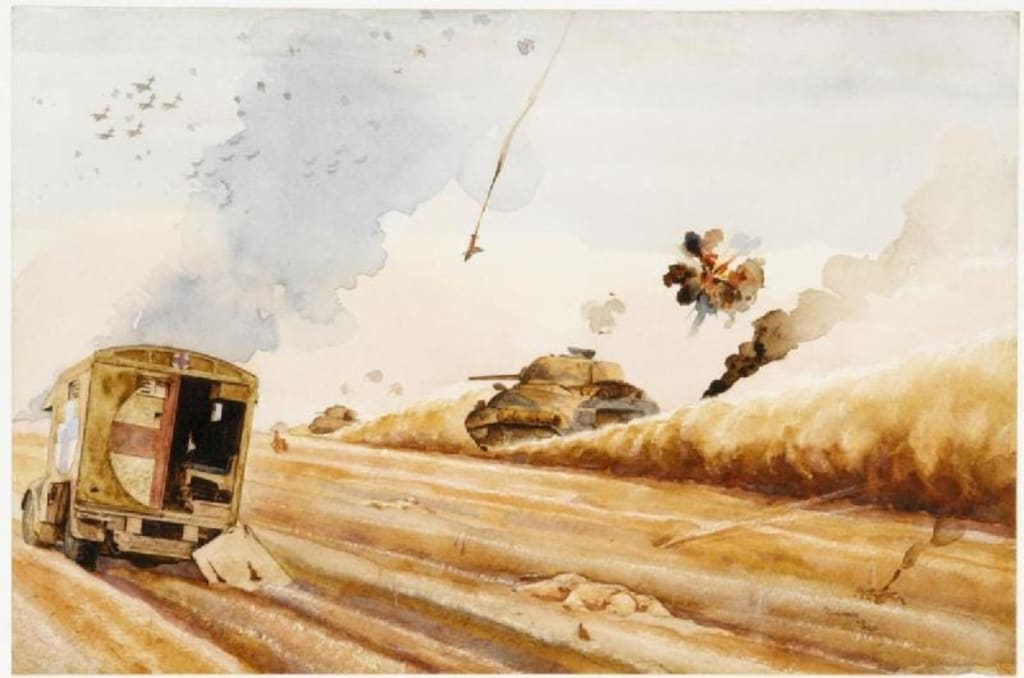
The Battle of El Alamein in 1942 was the most significant battle in North Africa. It was a World War II battle that decided the outcome of the desert war. Specifically, it refers to the Second Battle of El Alamein, as opposed to one that preceded it.
The desert war became increasingly tactically and strategically significant in 1942. Recognizing that the Allies could potentially reach Italy, and also the presence of Allied oil supplies in the Near East, the Axis had reinforced the Italian armies that had been defeated in Libya in the early 1940s.
Rommel's Afrika Korps had pushed Britain out of Libya and back into Egypt. The possibility of an Axis victory remained as Rommel's troops approached El Alamein in 1942. Rommel was aware the Allies would be increasingly reinforced, so he attempted to defeat the British Army at the First Battle of El Alamein. Britain halted that final Axis advance into Egypt.
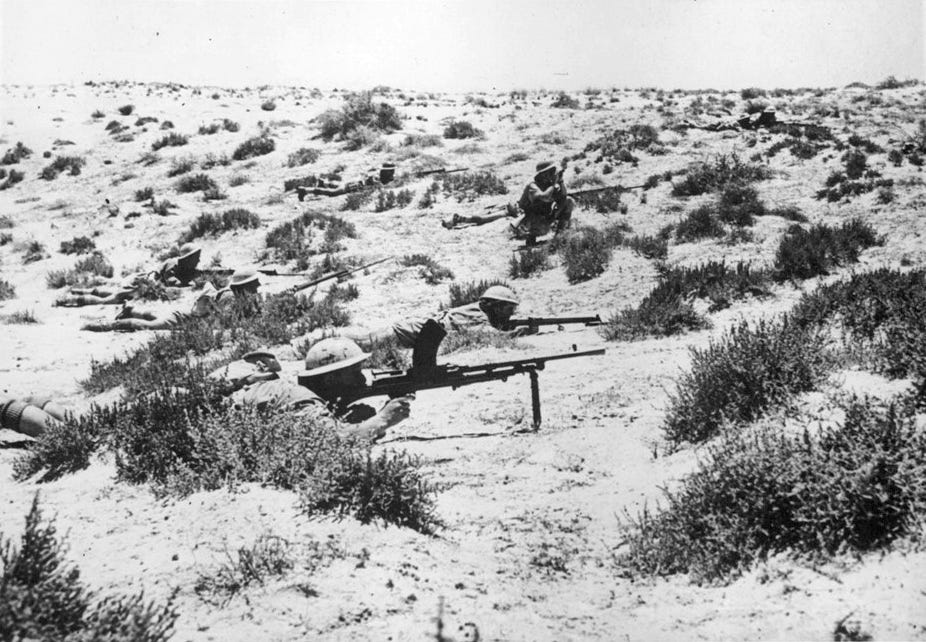
For the second Battle of El Alamein, the Eighth Army was ready for Rommel's Afrika Korps. Almost 200,000 Commonwealth troops fought and defeated the Afrika Korps at El Alamein. Under the leadership of General Montgomery, the Eighth Army attacked the north and south of the Axis line and then broke through it with tanks on November 4, 1942. Rommel's Afrika Korps retreated from El Alamein to El Aghelia. The Battle of El Alamein was not fully over until November 11, but the armored thrust on November 4 was the decisive moment.
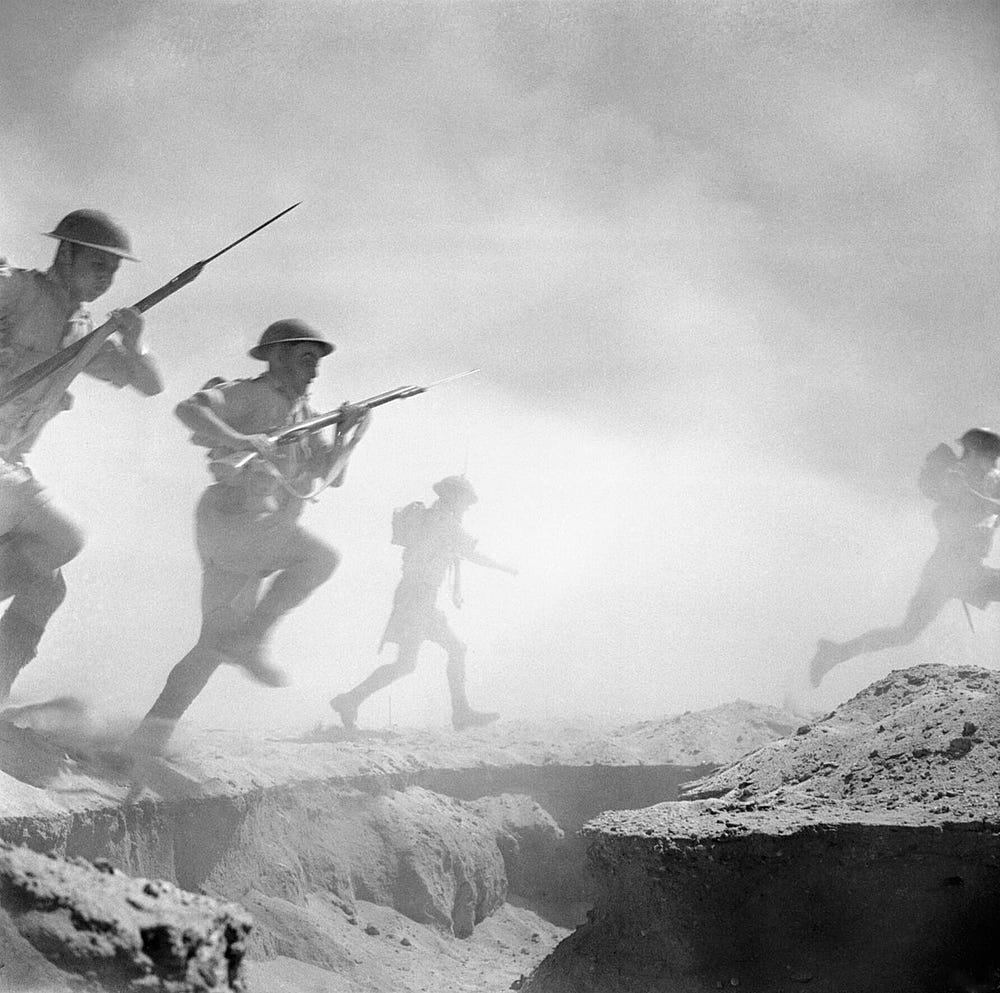
Rommel's retreat at the Second Battle of El Alamein all but ended any chances of victory in North Africa for the Axis. From here, Egypt and the Suez Canal remained out of reach of the Afrika Korps. It marked the beginning of the end of the war in North Africa, as the Allies began to pursue the remaining German armies in Tunisia.
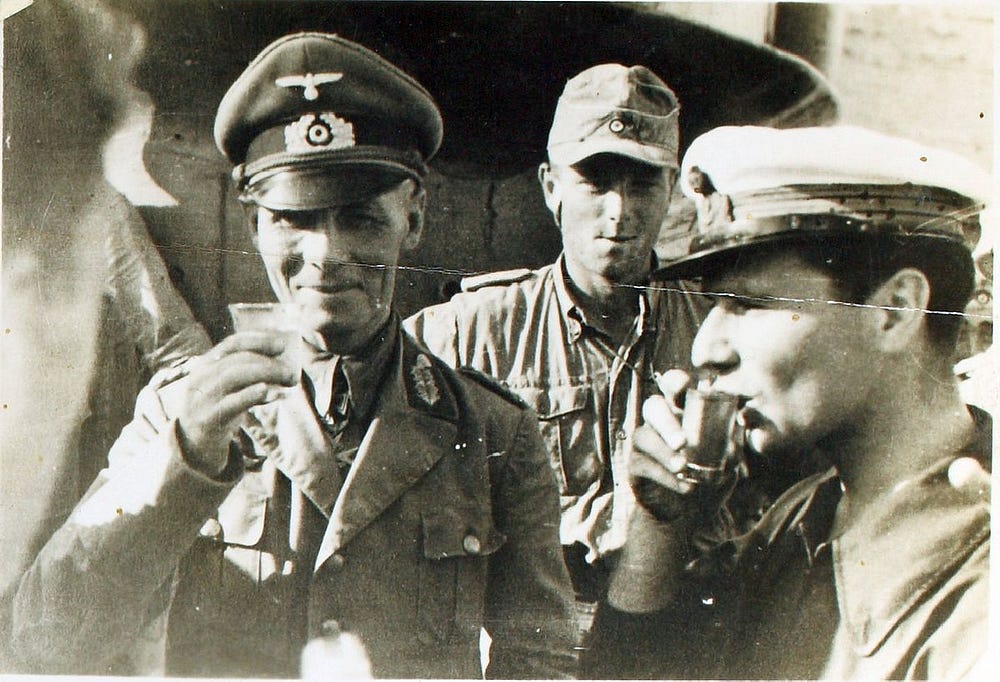
During the Battle of El Alamein, the Allies gained a clear military superiority in North Africa. Almost a third of the Afrika Korps was lost during the Battle of El Alamein, along with hundreds of aircraft, artillery, and armored vehicles. With little prospect of further supplies and reinforcements for the Axis armies in North Africa, any potential victory diminished as the Allies' military equipment and materials expanded.
The Battle of El Alamein was the 'end of the beginning' in North Africa. Victory was not won there, but it gave the Allies clear military superiority. By 1943, the remaining Axis armies would surrender to the Allies in Tunisia, and some retreated to Italy. From here, the Allies could then advance on Italy.
Why is the Battle of El Alamein Significant Today?
The Battle of El Alamein is one of the most celebrated British victories of World War II, alongside the Battle of Britain. The release of the 1969 "Battle of El Alamein" film more firmly recognized its significance. "The Battle of El Alamein" film starring Frederick Stafford and George Hilton focuses on the battle from the Italian perspective rather than the British. A more recent 2002 "El Alamein: The Line of Fire" Italian war drama film also depicted the battle from the perspective of Italian troops.
The battle is important to El Alamein tourism today. El Alamein may not be the first place many people think of visiting in Egypt. However, the El Alamein battle has given that town more historical significance without the need for pyramids or pharaoh tombs.
Those who visit El Alamein can check out the El Alamein War Museum. That museum is dedicated to the Battle of El Alamein and preserving the memory of it. It documents all the key events and displays a range of vehicles, artifacts, and weaponry from the battle. Visitors who flock to the museum can see tanks, artillery, anti-tank guns, and planes utilized during the battle.
Beyond the museum, visitors can also explore the El Alamein battlefield site on guided tours. Guided tours show visitors military fortifications, bunkers, and Alam el Halfa Ridge from the battle. Some tours also take tourists to the Alam El Halfa War Cemetery, near the museum, and El Alamein Commonwealth Cemetery.
The Battle of El Alamein has significantly raised El Alamein's tourist profile from the 1960s onward. It was a crucial battle in the North Africa Campaign during World War II, and today, visitors can experience the thrill of the iconic El Alamein battlefields. If you ever think about taking a holiday in Egypt, visiting El Alamein can be almost as intriguing as seeing the Pyramids of Giza.
This article of mine was originally submitted to Medium, where you can read it here.
Read more of my World War II articles on Vocal:
The Initial German Assault at the Battle of the Bulge
A Timeline of the Truk Raid in February 1944
Remembering the Events That Led to the Darwin Raid in February 1942
About the Creator
Matthew A
Matthew is the author of Battles of the Pacific War 1941-1945. Battles of the Pacific War is available on Amazon and Lulu in e-book and paperback formats. Check out the book’s blog at battlesofthepacificwar.blogspot.co.uk.
Enjoyed the story? Support the Creator.
Subscribe for free to receive all their stories in your feed.
Comments
There are no comments for this story
Be the first to respond and start the conversation.