
A Forgotten Story About A Woman Who Helped Win World War II
A Woman Spy in WW2

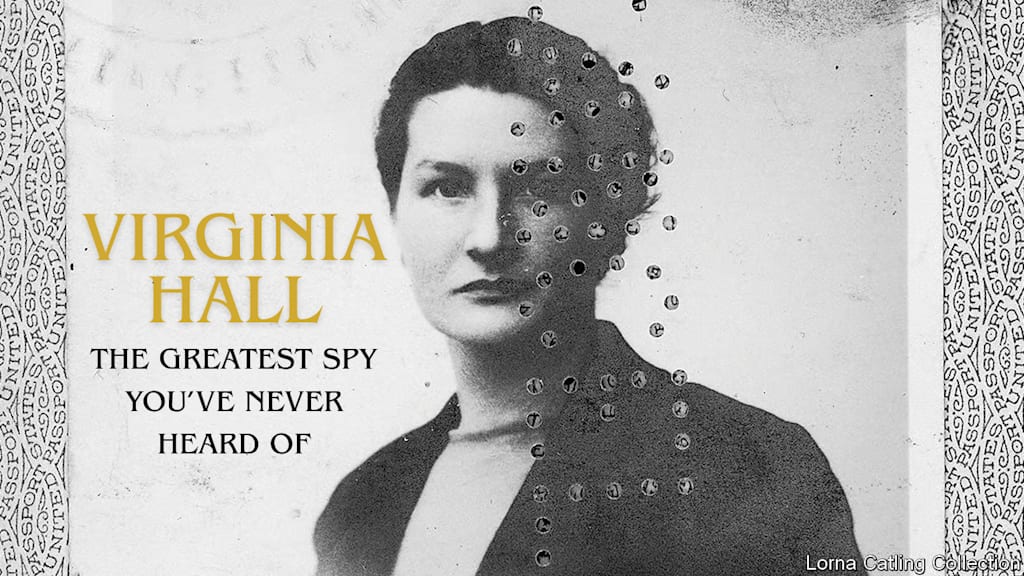
Long before World War II erupted into the deadliest conflict in human history, Europe was already struggling under the consequences of World War I. Countries devastated by economic collapse, political instability, and territorial losses became increasingly vulnerable to extremist movements. In Germany, the harsh terms imposed after World War I—including territorial losses, military restrictions, and economic reparations—created widespread resentment. These conditions helped fuel the rise of Adolf Hitler and the Nazi Party during the 1930s. As fascist governments expanded across Europe, another war became almost unavoidable. While political leaders and military commanders prepared for global conflict, an American woman named Virginia Hall quietly began a path that would eventually make her one of the most effective intelligence operatives of the entire war.

Virginia Hall was born in Baltimore in 1906 into a wealthy family and received an excellent education from an early age. She attended prestigious schools and developed a strong interest in languages, international politics, and European culture. During college studies in the United States and later abroad, she became fluent in French, Italian, and German while also studying Russian. Hall dreamed of becoming a diplomat and entering the U.S. Foreign Service, a highly competitive profession that remained heavily dominated by men at the time. Despite her intelligence and qualifications, opportunities for women in diplomacy were extremely limited during the 1920s and early 1930s. After graduation, Hall traveled extensively throughout Europe and eventually secured clerical positions at American embassies in countries including Poland, Turkey, and Austria. She hoped these assignments would eventually help her transition into the diplomatic corps officially.

Everything changed in 1933 during a hunting trip in Turkey when Hall accidentally discharged a shotgun into her own left foot. Severe infection followed, and doctors were forced to amputate her leg below the knee to save her life. She was fitted with a wooden prosthetic leg, which she jokingly nicknamed “Cuthbert.” Although she recovered physically, the injury effectively destroyed her hopes of becoming an American diplomat. When Hall reapplied to the U.S. Foreign Service, officials rejected her because of her disability, despite her impressive language skills and overseas experience. The decision devastated her, but Hall refused to let the setback define her future. Instead of returning permanently to the United States, she remained in Europe just as political tensions across the continent intensified.
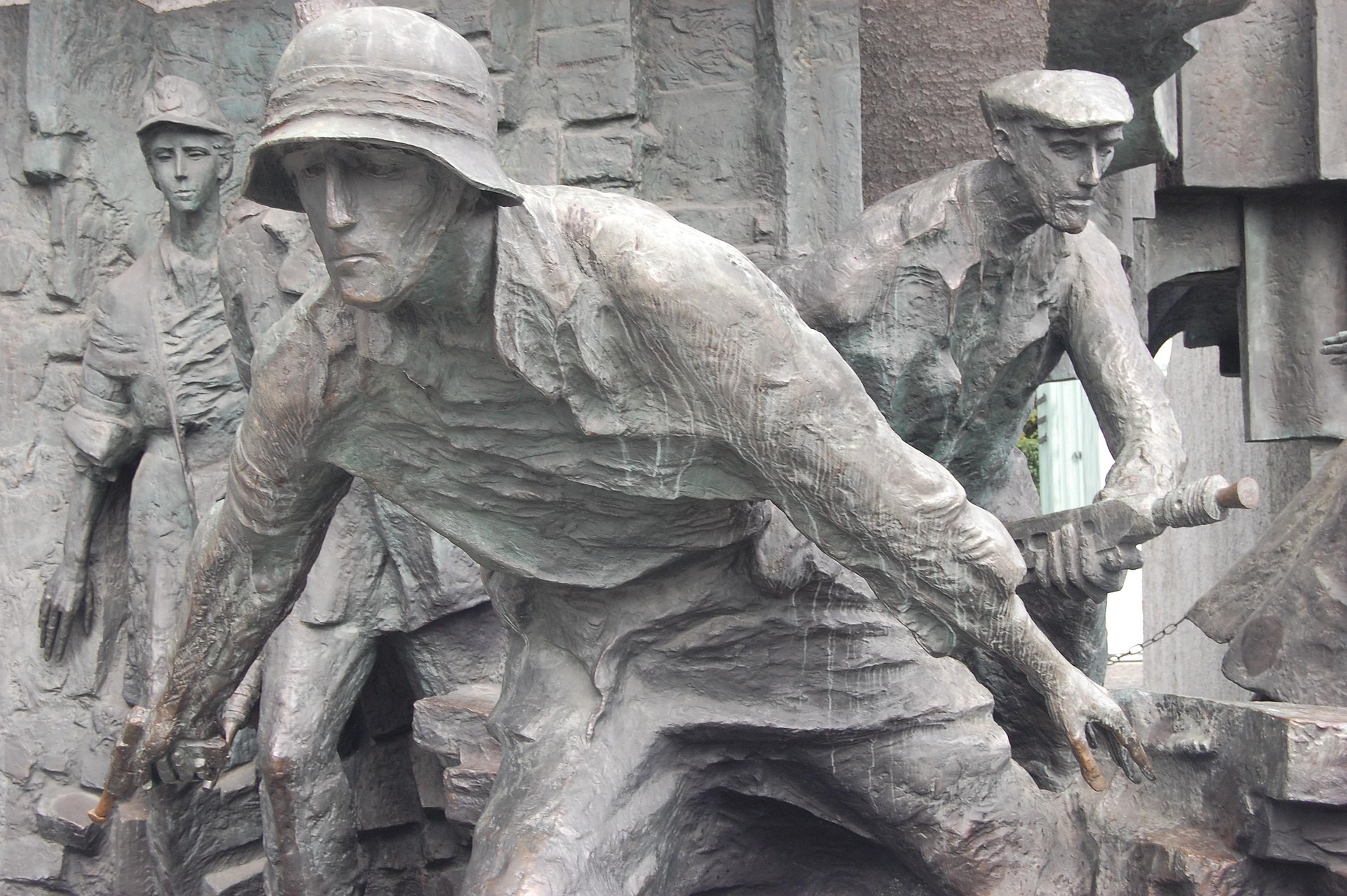
On September 1, 1939, Germany invaded Poland, officially beginning World War II. Hall immediately volunteered to support the French war effort by serving as an ambulance driver for the French army. She transported wounded soldiers through active combat zones while German forces rapidly advanced across France during the early years of the war. When France collapsed in 1940 and Nazi occupation spread across much of the country, Hall refused to flee Europe permanently. Her fierce anti-Nazi beliefs, fluency in multiple languages, and deep familiarity with European culture soon attracted the attention of British intelligence. Around this time, Hall met Vera Atkins, a highly influential recruiter connected to Britain’s secret wartime espionage network. Atkins recognized Hall’s extraordinary potential and recommended her for service in the newly created Special Operations Executive, commonly known as the SOE. The organization had been established under the authority of Winston Churchill to conduct sabotage, espionage, and resistance operations throughout Nazi-occupied Europe. Churchill famously instructed the SOE to “set Europe ablaze.”
Virginia Hall quickly became one of the organization’s most valuable field agents. Arriving in occupied France under a false identity, she began organizing underground resistance networks almost immediately. Operating primarily from the city of Lyon, Hall recruited spies, coordinated resistance fighters, established safe houses, secured forged documents, and arranged escape routes for Allied personnel trapped behind enemy lines. She also transmitted intelligence reports back to Britain using illegal radio equipment, an incredibly dangerous task because German counterintelligence teams constantly searched for clandestine radio operators. Hall’s work required extraordinary caution and adaptability. She regularly disguised herself, changed locations, and memorized complex cover stories to avoid detection by German forces and collaborators working with the Gestapo.
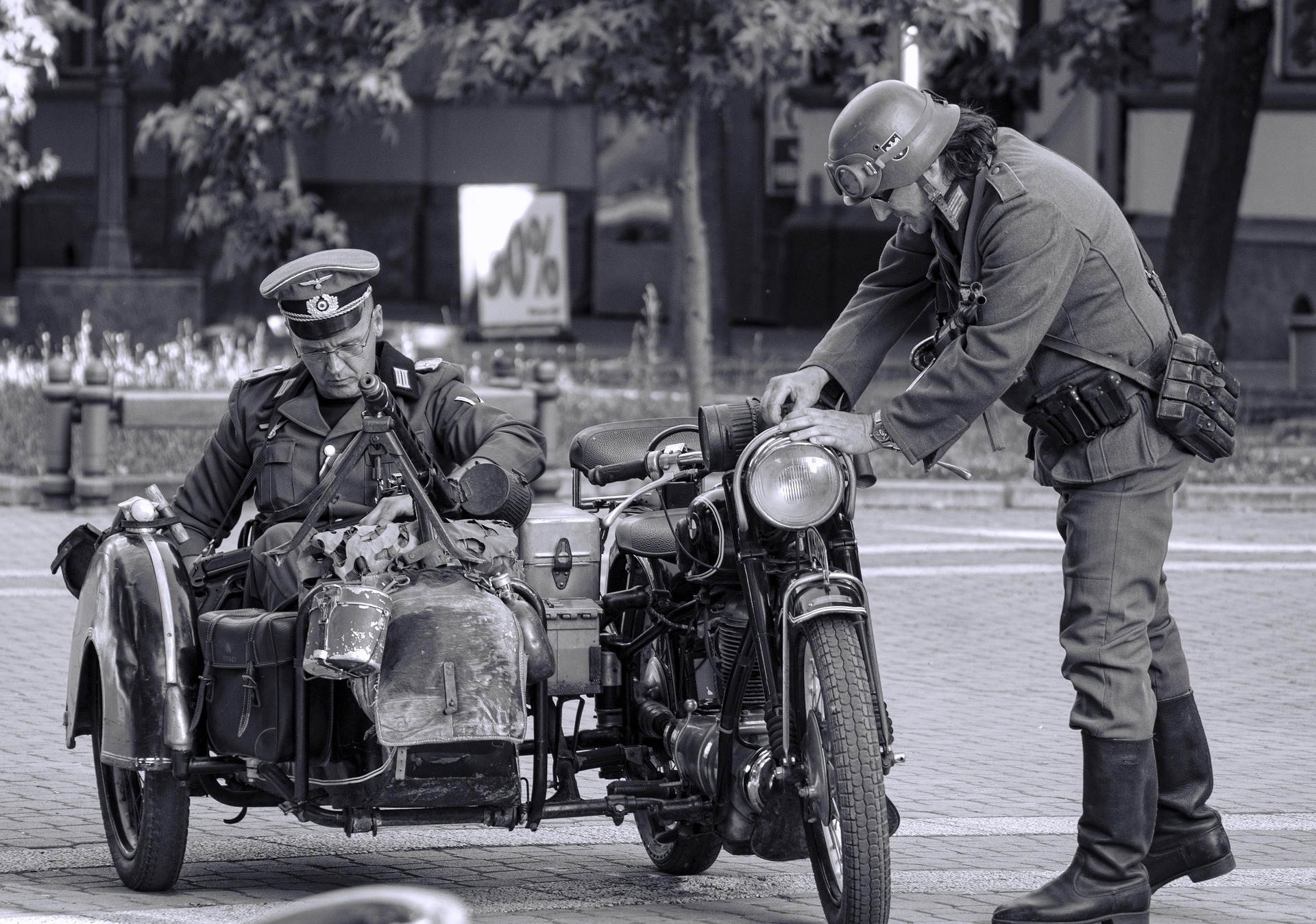
Over time, Hall’s resistance network expanded dramatically. She organized supply drops of weapons and explosives to resistance groups, coordinated sabotage attacks against railroads and bridges, and gathered intelligence about German troop movements across occupied France. Her operations became especially important as Allied leaders prepared for future military offensives against Nazi-controlled territory. Hall also played a major role in helping downed Allied pilots and escaped prisoners flee occupied France through secret escape lines leading into Spain. These escape routes required navigating mountains, forests, checkpoints, and heavily monitored border crossings while constantly avoiding German patrols. Despite using a prosthetic leg, Hall often traveled long distances on foot and bicycle while carrying secret documents and coded communications.
German intelligence soon realized a highly skilled Allied operative was coordinating resistance activity across central France. The Gestapo became obsessed with identifying and capturing the mysterious woman they called “The Limping Lady.” Nazi officials distributed wanted notices describing her as one of the most dangerous Allied spies operating in Europe. According to several intelligence reports, Hall’s resistance networks contributed to the destruction of bridges, derailment of supply trains, disruption of communications systems, and attacks against German military infrastructure. Some reports credited her teams with helping eliminate dozens of German personnel and capturing or disabling many more through sabotage operations. Her intelligence gathering also provided valuable information for Allied bombing campaigns and military planning.
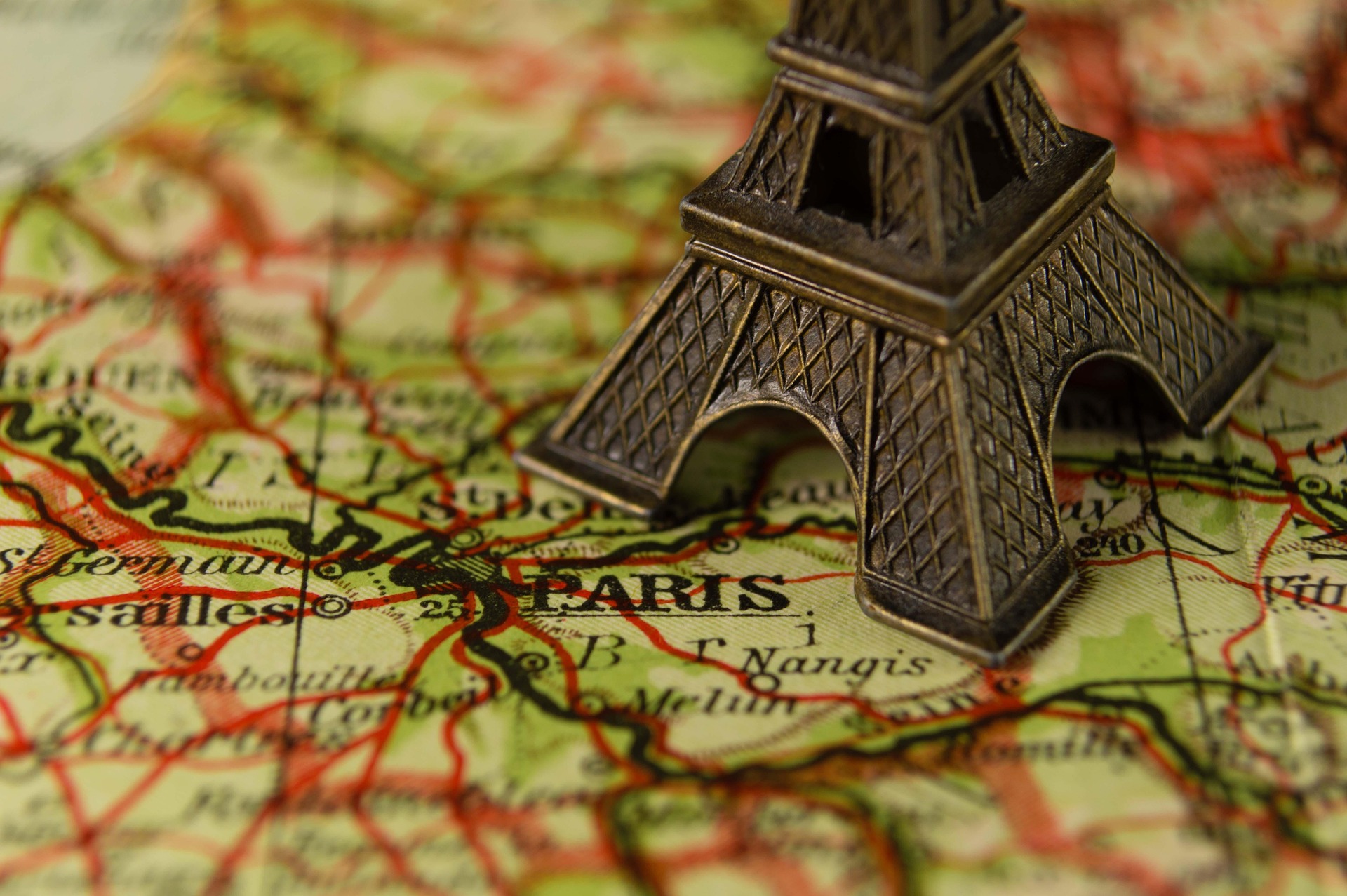
As German pressure intensified, Hall narrowly escaped capture multiple times. In late 1942, after Germany occupied previously unoccupied southern France, the situation became even more dangerous. Hall was forced to flee across the rugged Pyrenees Mountains into Spain during winter conditions. The journey was incredibly painful because of her prosthetic leg, but she successfully crossed the mountains and avoided German capture once again. After eventually returning to Britain, Hall was reassigned to the American Office of Strategic Services, or OSS, the predecessor to the CIA. Even after years of dangerous fieldwork, she volunteered to return to occupied France in preparation for the Allied invasion of Normandy.
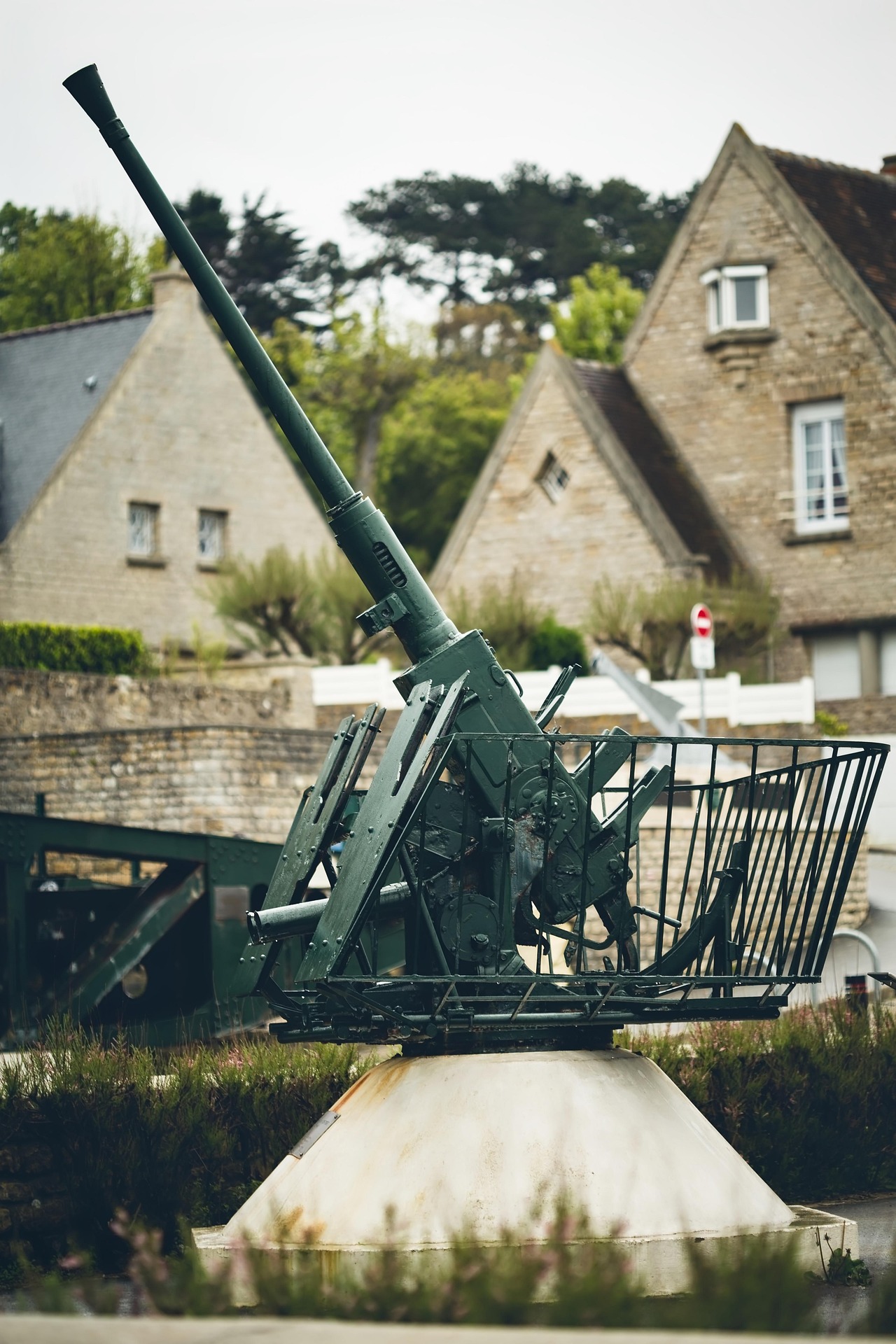
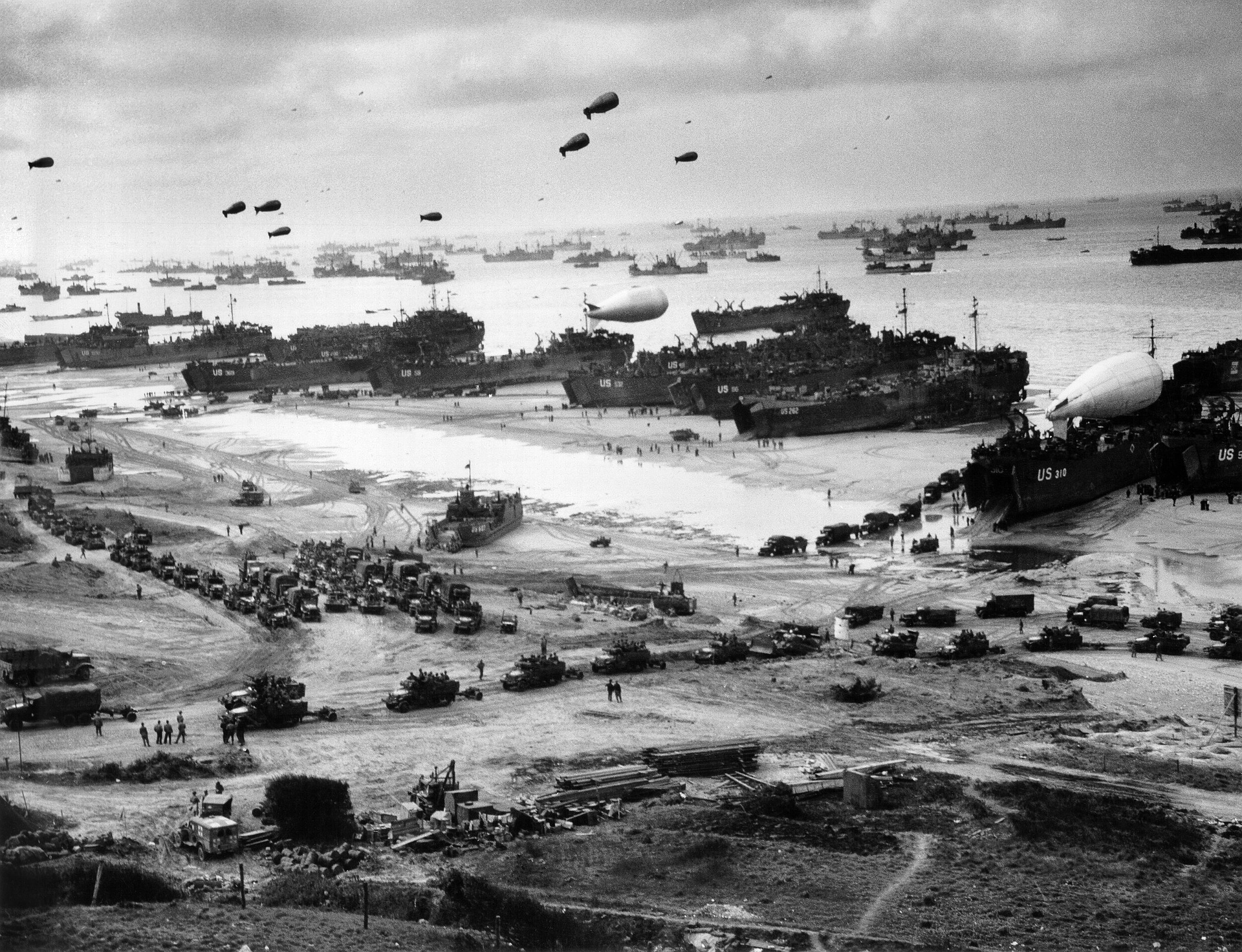
Back in France, Hall disguised herself as an elderly peasant woman to avoid suspicion. She dyed her hair gray, altered her appearance, and traveled through rural villages helping organize resistance groups ahead of D-Day. Her OSS teams coordinated sabotage missions designed to slow German troop movements after Allied forces landed in Normandy. Resistance fighters under her guidance destroyed rail lines, cut telephone wires, ambushed German convoys, and disrupted transportation systems essential for Nazi reinforcements. These operations played a critical role in weakening German responses during the liberation of France. Hall also helped coordinate airdrops of weapons and supplies to thousands of French resistance fighters preparing for open conflict against occupying forces.
By the end of World War II, Virginia Hall had become one of the most respected Allied intelligence agents of the entire conflict. For her extraordinary service, she received the Distinguished Service Cross, becoming one of the very few civilian women ever awarded the honor. Unlike many wartime heroes, however, Hall remained relatively unknown to the public because much of her work remained classified for decades. After the war, she continued serving in intelligence roles for the OSS and later the Central Intelligence Agency after its formation in 1947. She spent years analyzing intelligence and training future operatives before eventually retiring in 1966.

Today, historians widely recognize Virginia Hall as one of the most remarkable spies in modern history. Despite facing discrimination because of both her gender and disability, she became one of the most effective covert operatives of World War II. Her work saved Allied lives, strengthened resistance movements across occupied Europe, and contributed directly to the eventual defeat of Nazi Germany. The CIA later honored Hall by naming a training facility after her, and she remains the only woman with a dedicated exhibit in the agency’s museum. What makes her story especially extraordinary is that she achieved all of this while operating under constant threat of torture, imprisonment, or execution if captured. Even with a wooden leg and a permanent place on the Gestapo’s most wanted list, Virginia Hall repeatedly returned to enemy territory and continued fighting one of history’s most dangerous regimes from deep inside occupied Europe.
About the Creator
History Seeker
I like the metal music I like the good food and the history...
Enjoyed the story? Support the Creator.
Subscribe for free to receive all their stories in your feed.
Comments
There are no comments for this story
Be the first to respond and start the conversation.