
A Brief History of the Imperial Japanese Navy in the 20th Century
Remembering the History and Heritage of the Imperial Japanese Navy
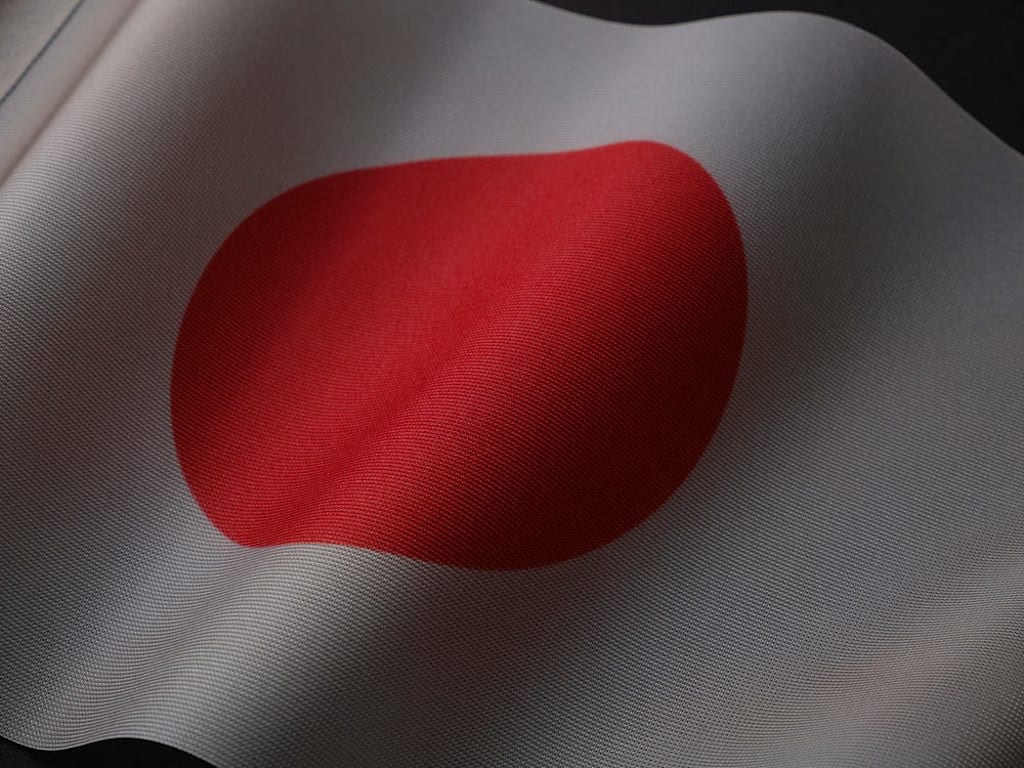
The Imperial Japanese Navy (IJN) of the Japanese Empire. In the first half of the 20th century, the IJN was one of the world’s largest and most advanced navies. However, the Pacific War ensured the destruction of the IJN and the dissolution of the Japanese Empire.
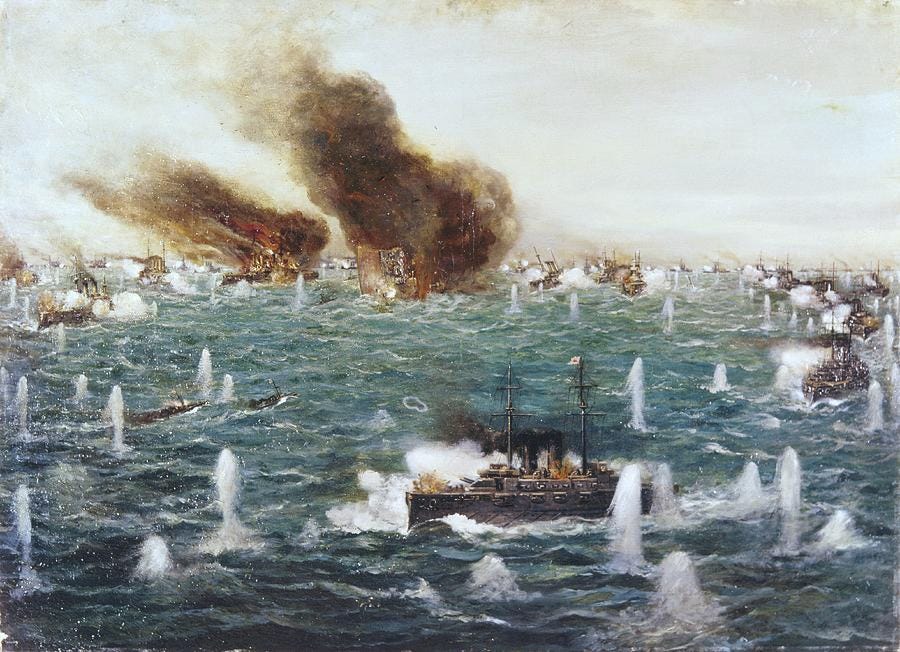
In the early 20th century, the IJN played a major role in the Russo-Japanese War of 1904-1905. It expanded in the decade before, with more than 100 warships added to the IJN, including battleships, cruisers, and destroyers. With a fleet of more modern battleships, the IJN defeated the Russian navy at the Battle of Tsushima. This naval victory ensured a more general victory for Japan and the IJN in that war.
The IJN provided naval support for the Entente during the First World War. At the Battle of Tsingtao, the IJN launched the first sea-launched airstrikes against German positions. During the war, Japan defeated numerous German colonies in the east, and these were absorbed into the Japanese Empire.
During the interwar period, the IJN constructed a new aircraft carrier fleet. The first aircraft carriers were added to the IJN in the early 1920s, forming a fleet of 10 large carriers. These were supported by carrier aircraft such as the A6M Zero and other dive and torpedo bombers.
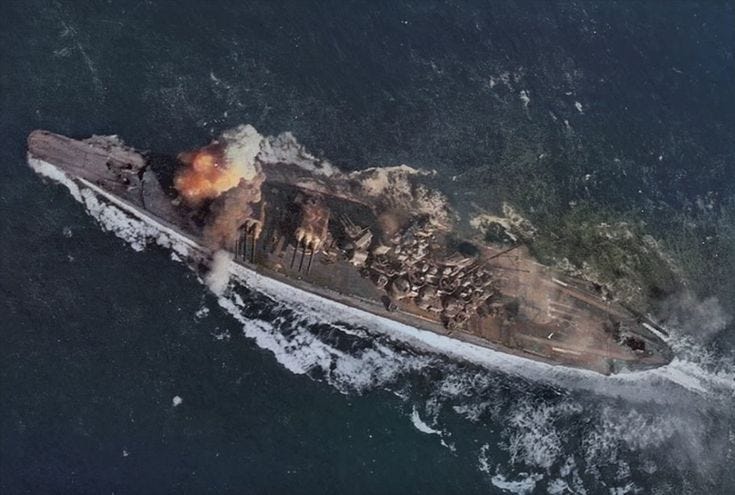
During the 1930s, the IJN laid the first blueprints for the Yamato-class battleships. The Yamato-class battleships were constructed in the 1930s and, by the early 1940s, were added to the IJN. They included the two largest battleships to have been built by any navy, the Yamato and the Musashi, both approximately 72,000- 73,000 tons.
Other notable additions to the IJN were not warships, but torpedoes. The Long Lance torpedo was a long-distance torpedo for Japanese destroyers. This torpedo was the most advanced in the world during the early 1940s.
The Western economic embargo of the early 1940s left Japan with little oil. They were at war with China during the 1930s, which drained oil supplies. With oil running out, Japan targeted European colonies in the region and Pearl Harbor, where the U.S. Pacific Fleet was stationed.
To defeat the U.S. Pacific Fleet, Japan sent a fleet of six IJN aircraft carriers to Pearl Harbor. When they arrived, Japan launched hundreds of aircraft toward the harbor, where they bombed the U.S. aircraft and battleships in port. The USA lost hundreds of planes during the raid, and the battleships at Battleship Row were also wiped out. However, the U.S. aircraft carriers were not at Pearl Harbor.
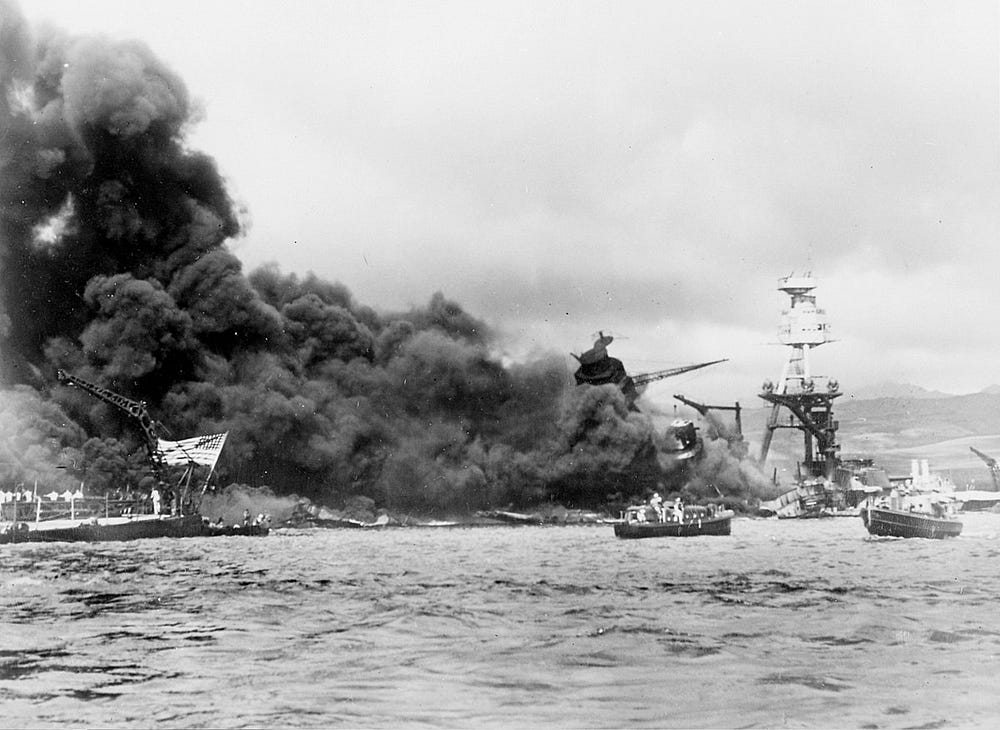
The IJN’s victory at Pearl Harbor opened the Pacific War. In the months that followed, the IJN was effective in its battles with the Allied navies, most notably at the Battle of the Java Sea, where it routed an ABDA fleet in the Dutch East Indies, which enabled Japan to land troops in Java.
However, at the Battle of Midway, the IJN lost four aircraft carriers. The original plan was to occupy the Midway Atoll and defeat the U.S. aircraft carriers sent to Midway. The Allies had decoded the Japanese JN-25 code, which revealed the Japanese Midway battle plan. With a fleet of three U.S. aircraft carriers, their dive-bombers eliminated the Japanese planes around Midway.
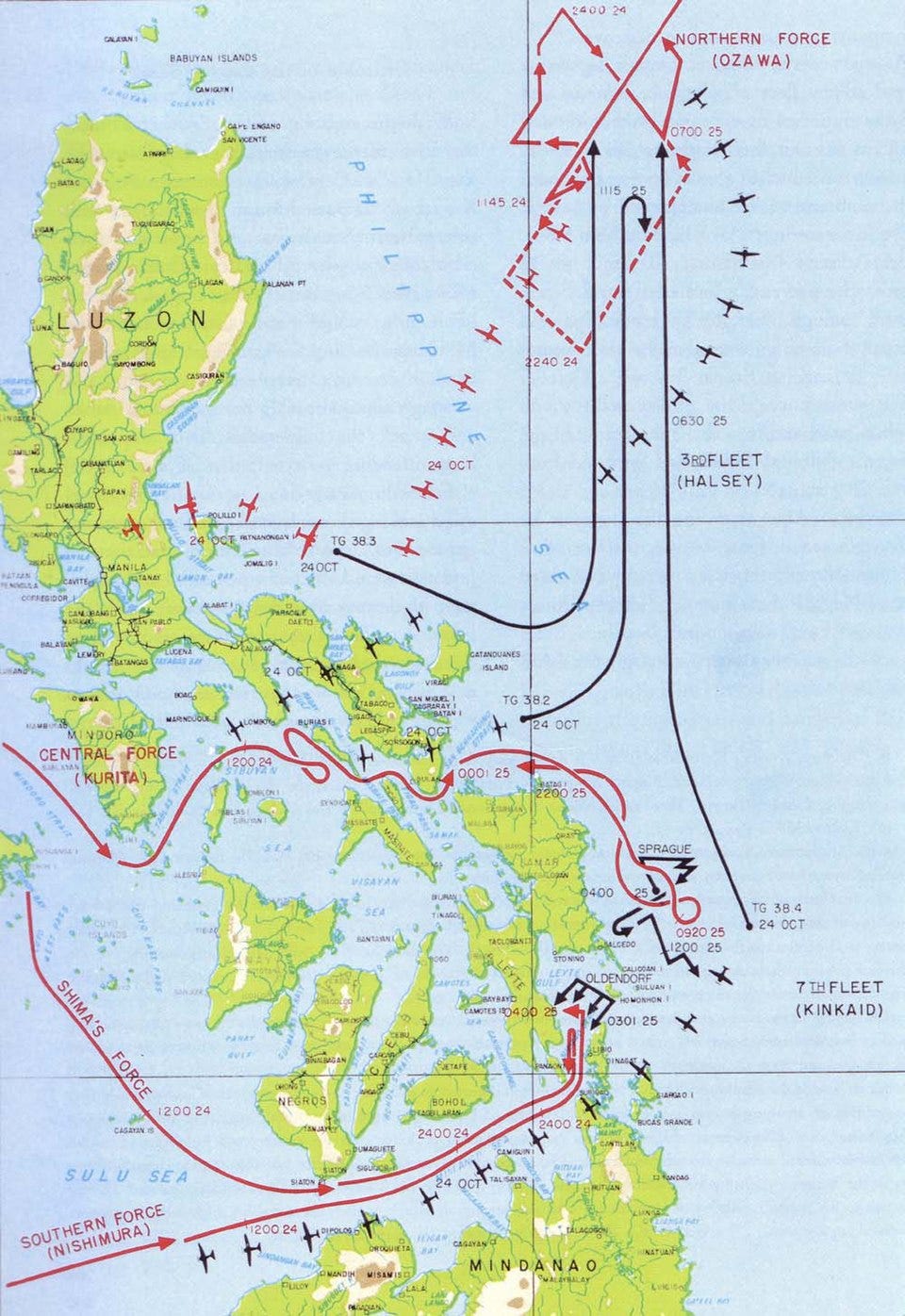
The defeat significantly reduced the IJN's aircraft carrier fleet. In later battles during 1944, at the Battle of the Philippine Sea and the Battle of Leyte Gulf, the IJN lost its remaining aircraft carriers and most of its surface warships. The few that survived, such as the Yamato, became the target for regular Allied airstrikes at their naval bases in Japan and elsewhere in the Pacific. The Yamato itself was defeated during the Battle of Okinawa when it was bombed out of the water by U.S. aircraft.
By the end of the war, little remained of the IJN, and there was not enough fuel for remaining warships. The Allies defeated the Japanese Empire in 1945. In the postwar period, the IJN was disbanded in 1947.
This article of mine was originally submitted to Medium, where you can read it here.
Read more of my World War II articles on Vocal:
Four Famous Axis Battleships of World War II
The Surprise Attack of Japanese Imperialism
The Opening Battles of the Mariana and Palau Islands Campaign in World War II
About the Creator
Matthew A
Matthew is the author of Battles of the Pacific War 1941-1945. Battles of the Pacific War is available on Amazon and Lulu in e-book and paperback formats. Check out the book’s blog at battlesofthepacificwar.blogspot.co.uk.
Enjoyed the story? Support the Creator.
Subscribe for free to receive all their stories in your feed.
Comments
There are no comments for this story
Be the first to respond and start the conversation.