
7 Unknow Stories from US History
American History



1. Franklin: America’s Almost-Forgotten 14th State
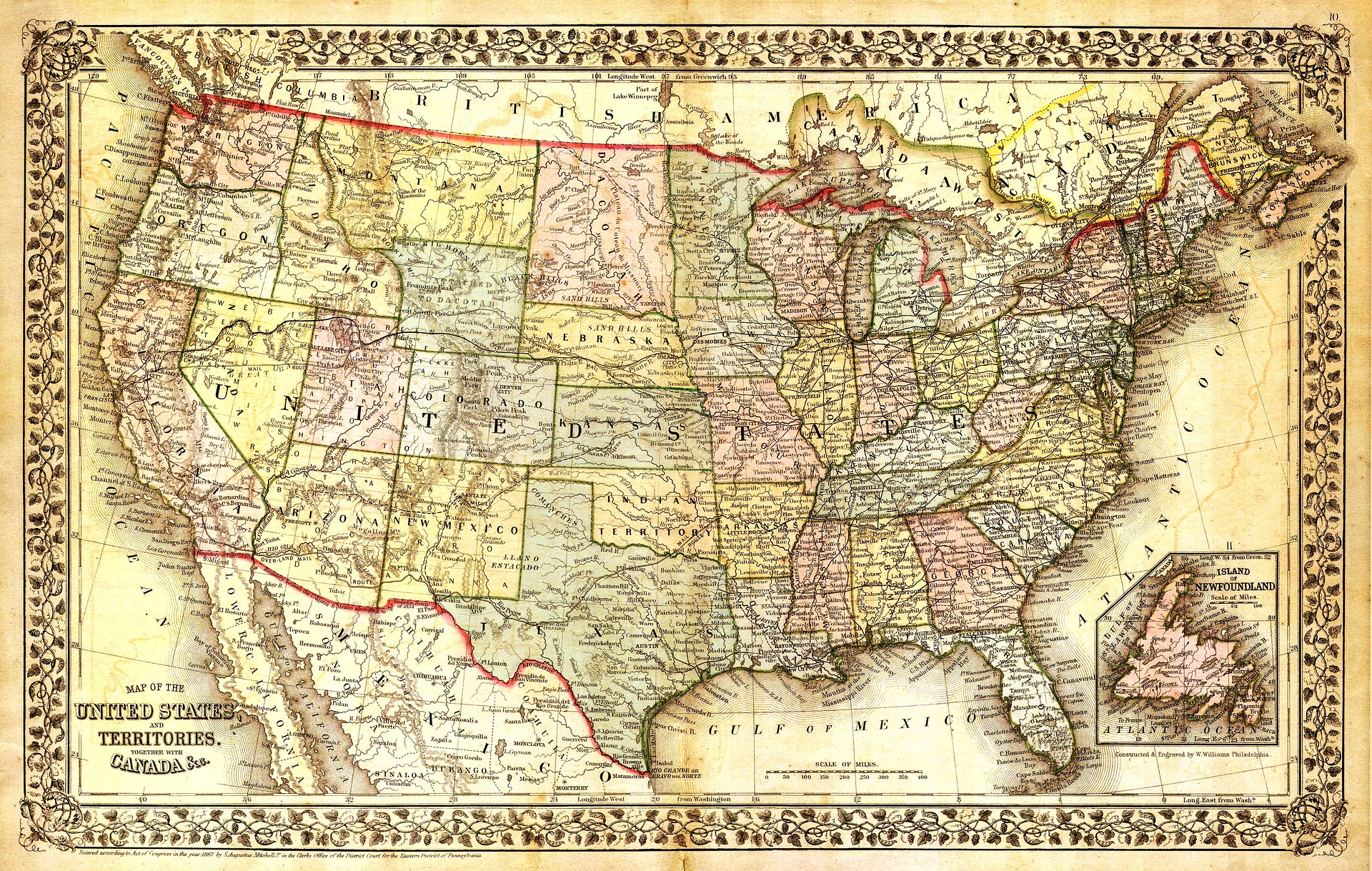
After the American Revolution, North Carolina struggled with major financial debt and decided to offer a massive stretch of western territory to Congress in hopes of easing economic pressure. The settlers living in the region, however, worried that they would lose political representation and military protection, especially against nearby Cherokee groups, and feared the land could eventually be sold to another foreign power. When North Carolina later reversed its decision and reclaimed authority over the territory, many frontiersmen rejected the move entirely and began organizing their own independent government. Delegates gathered in Jonesborough in 1784, created a constitution, elected officials, and declared the formation of a new state originally called “Frankland,” later renamed “Franklin” in an attempt to gain support from Benjamin Franklin. The region functioned independently for more than four years, operating almost like a separate republic with its own courts and administration. Leaders petitioned Congress for official statehood, but although several states voted in favor, they failed to secure the necessary two-thirds majority under the Articles of Confederation. During its brief existence, Franklin expanded territory through conflicts with Indigenous populations while tensions with North Carolina steadily worsened. By 1789, the experimental state collapsed under political and military pressure, and North Carolina regained control of the territory before it eventually became part of Tennessee. Interestingly, legendary frontiersman Davy Crockett was born during Franklin’s short-lived existence, and his father strongly supported the movement for independence.

2. America’s First Gold Rush Happened in North Carolina
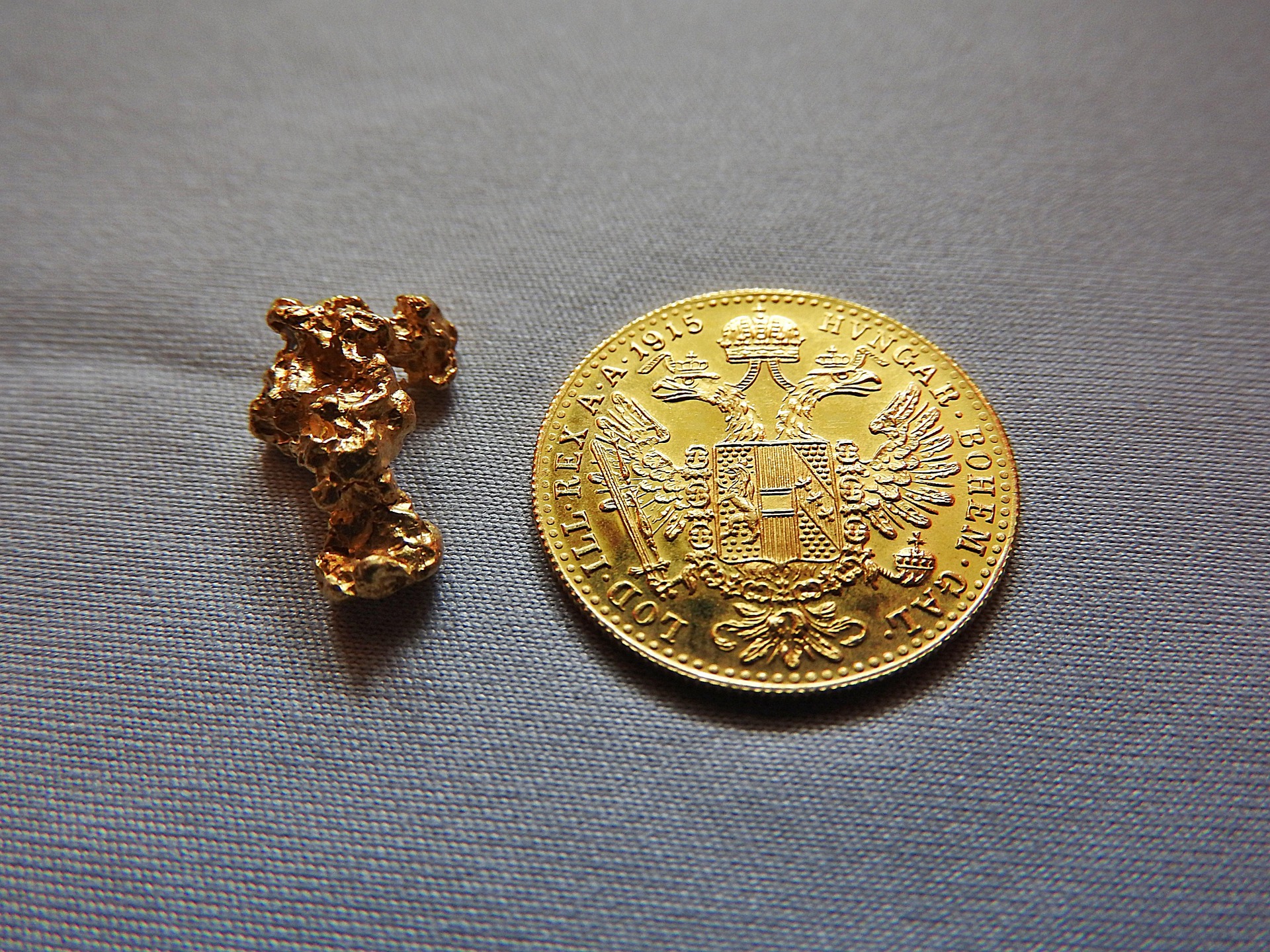
Decades before the famous California Gold Rush transformed the American West, the first major gold rush in the United States actually began in North Carolina. In 1799, a 12-year-old boy named Conrad Reed discovered a massive gold nugget while playing near a creek on his family’s farm. The Reed family had no idea what the strange rock actually was and reportedly used it as a doorstop for several years before showing it to a local jeweler. Realizing its true value, the jeweler purchased the nugget for only a few dollars, taking advantage of the family’s lack of knowledge. Once the Reeds learned they had unknowingly owned a fortune, they began searching the surrounding land for additional deposits and quickly uncovered more gold. News spread throughout the region, attracting prospectors, miners, and investors eager to profit from the discovery.
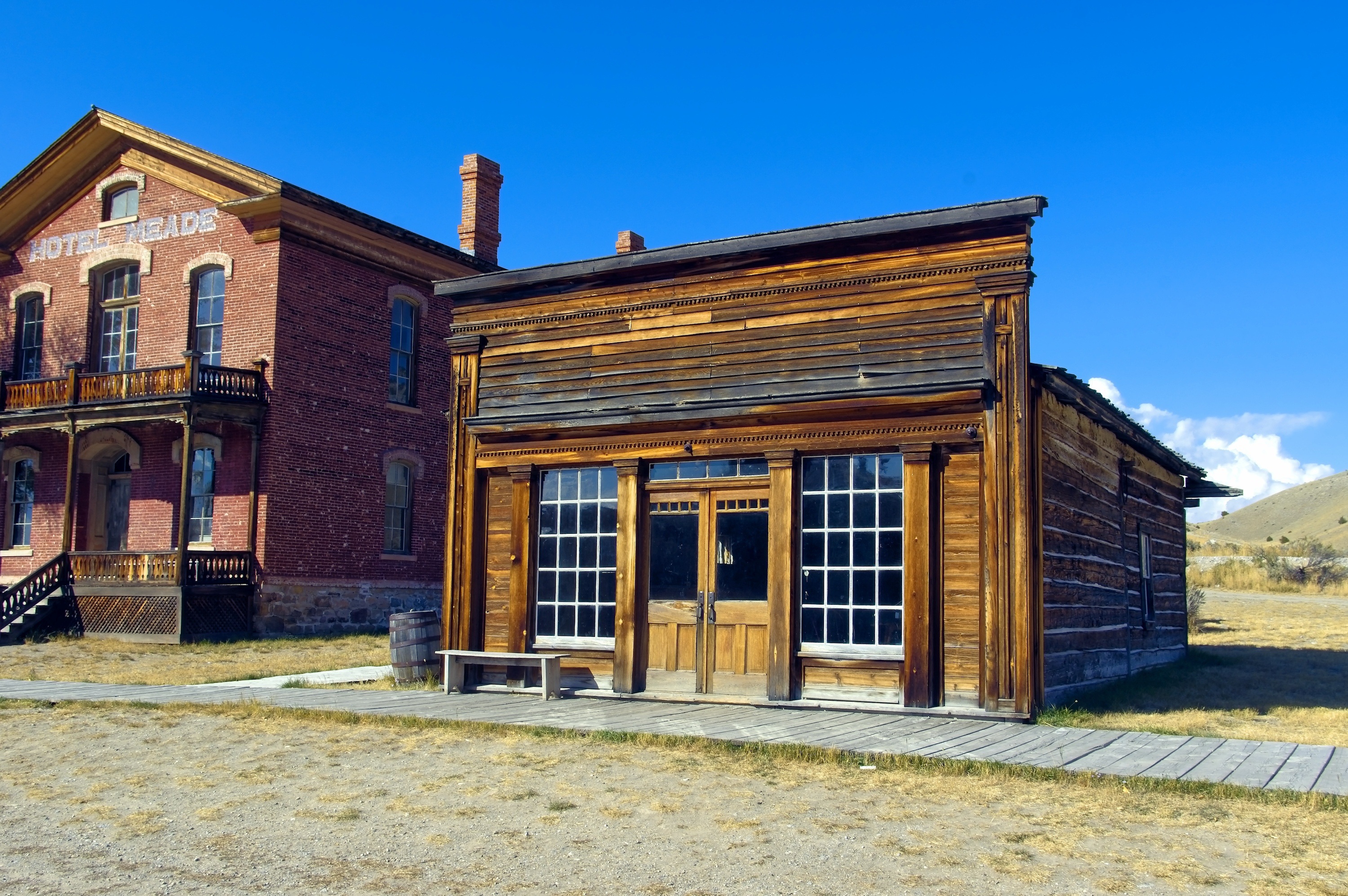
Farmers across the state started exploring rivers and stream beds on their own properties, and mining operations rapidly expanded during the early 1800s. By the 1830s, professional mines and advanced extraction techniques were being developed throughout the state, transforming North Carolina into the center of America’s gold industry. President Andrew Jackson later authorized additional mint facilities to process the growing supply of gold being uncovered. The skills, mining infrastructure, and experienced workers created during this early gold rush would later play a major role in supporting the much larger California Gold Rush decades later.

3. Chinese Immigrants Fought Back Against Exclusion Laws
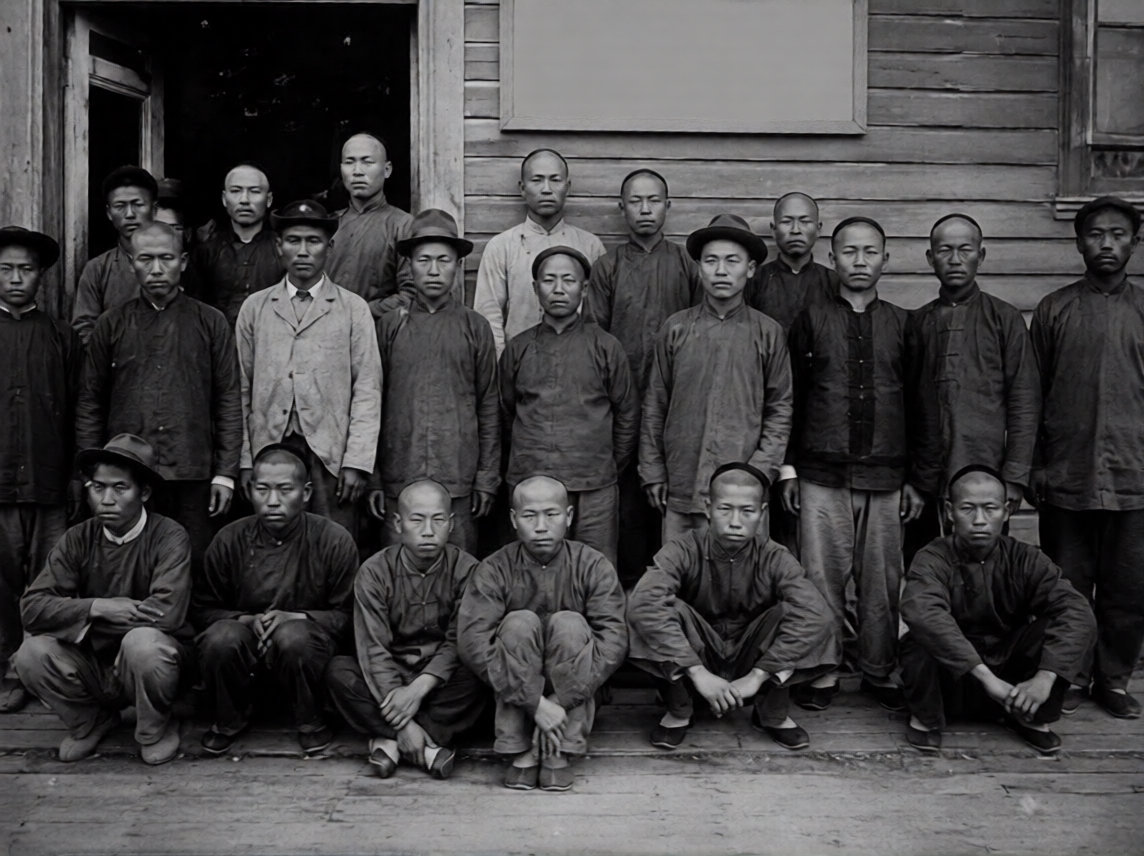
During the late 19th century, anti-Chinese sentiment grew rapidly throughout United States as political leaders and labor groups blamed Chinese immigrants for economic competition and social change. In response, Congress passed a series of harsh immigration laws targeting Chinese communities specifically. The Chinese Exclusion Act banned Chinese laborers from entering the country for ten years, marking the first major federal law designed to block immigration based on nationality. Additional legislation followed, including the Geary Act of 1892, which extended restrictions and forced all Chinese residents to carry permits proving legal residency or face deportation and imprisonment. Chinese communities across the country strongly resisted these laws, organizing legal defense funds, protests, and coordinated campaigns encouraging immigrants not to register. Advocacy organizations like the Chinese Consolidated Benevolent Association argued that the laws violated constitutional protections and unfairly targeted one ethnic group. By the registration deadline, only a tiny percentage of Chinese residents had complied with the permit requirement, creating enormous enforcement challenges for the government. Several legal cases eventually reached the Supreme Court, including major rulings that upheld some parts of the law while striking down punishments such as forced labor without proper due process protections. Although exclusion policies technically remained active for decades, resistance efforts made them difficult to enforce consistently. The laws were finally repealed during World War II as China became an ally of the United States against Japan.


4. The Violent Coal Wars of West Virginia
In the early 1900s, coal miners throughout West Virginia lived and worked under extremely dangerous and exploitative conditions. Mining companies controlled nearly every aspect of workers’ lives through company towns, where miners depended on employers not only for wages but also for housing, supplies, and medical care. Attempting to join labor unions often resulted in immediate firing and eviction from company-owned homes. As frustration over low wages, unsafe working conditions, and corporate control intensified, miners increasingly turned toward unionization despite the risks. In 1920, the United Mine Workers launched major organizing efforts in southern West Virginia, leading thousands of miners to join. Coal companies responded aggressively by hiring private detectives and armed guards to remove union supporters from mining communities. One of the most famous confrontations occurred in the town of Matewan, where police chief Sid Hatfield confronted company agents attempting forced evictions. The resulting gunfight, later called the Matewan Massacre, left multiple people dead and turned Hatfield into a symbol of resistance among miners. Violence continued escalating over the following year through ambushes, shootings, and assassinations between union supporters and anti-union forces. After Hatfield himself was murdered in 1921, thousands of enraged miners marched toward Mingo County carrying rifles and military equipment. Their advance led to the Battle of Blair Mountain, the largest armed labor uprising in modern American history, where miners battled police forces and company-backed defenders across the mountains of West Virginia. Federal troops were eventually deployed on orders from President Warren G. Harding, bringing the conflict to an end. Although many miners were arrested and charged with crimes including treason, most were later acquitted, and the struggle helped pave the way for stronger labor protections during the New Deal era.


5. The Government Poisoned Alcohol During Prohibition
When the 18th Amendment officially banned the manufacture and sale of alcohol in 1920, the federal government hoped the country would become more disciplined, productive, and morally responsible. Instead, prohibition created one of the largest underground criminal markets in American history. Illegal bars known as speakeasies appeared in major cities, organized crime groups built massive smuggling operations, and bootleggers found increasingly creative ways to keep alcohol flowing across the country. One of the most common methods involved stealing industrial alcohol, which remained legal because it was used for manufacturing and scientific purposes, and then converting it into drinkable liquor through chemical processes. The federal government quickly realized that millions of gallons were being diverted into the black market every year, so officials introduced a controversial solution: intentionally poisoning industrial alcohol supplies. Manufacturers were ordered to add dangerous chemicals such as methanol, kerosene, benzene, and even gasoline to make the alcohol toxic. Bootleggers attempted to remove the poisons through crude filtering methods, but many toxins remained in the final product. Rather than reversing course after reports of sickness and death emerged, federal authorities actually increased the strength and variety of poisons being used. One especially infamous contaminated drink known as “Ginger Jake” caused paralysis in thousands of Americans, leaving many permanently disabled. Hospitals in cities like New York City and Chicago were overwhelmed with poisoning victims suffering blindness, organ failure, and neurological damage. Historians estimate that approximately 10,000 people died after consuming poisoned alcohol connected to government denaturing policies. Critics accused the government of effectively waging chemical warfare against its own citizens, while supporters argued the victims knowingly broke the law. The disaster became one of the darkest and most controversial chapters of the Prohibition era before alcohol bans were eventually repealed in 1933 with the 21st Amendment.
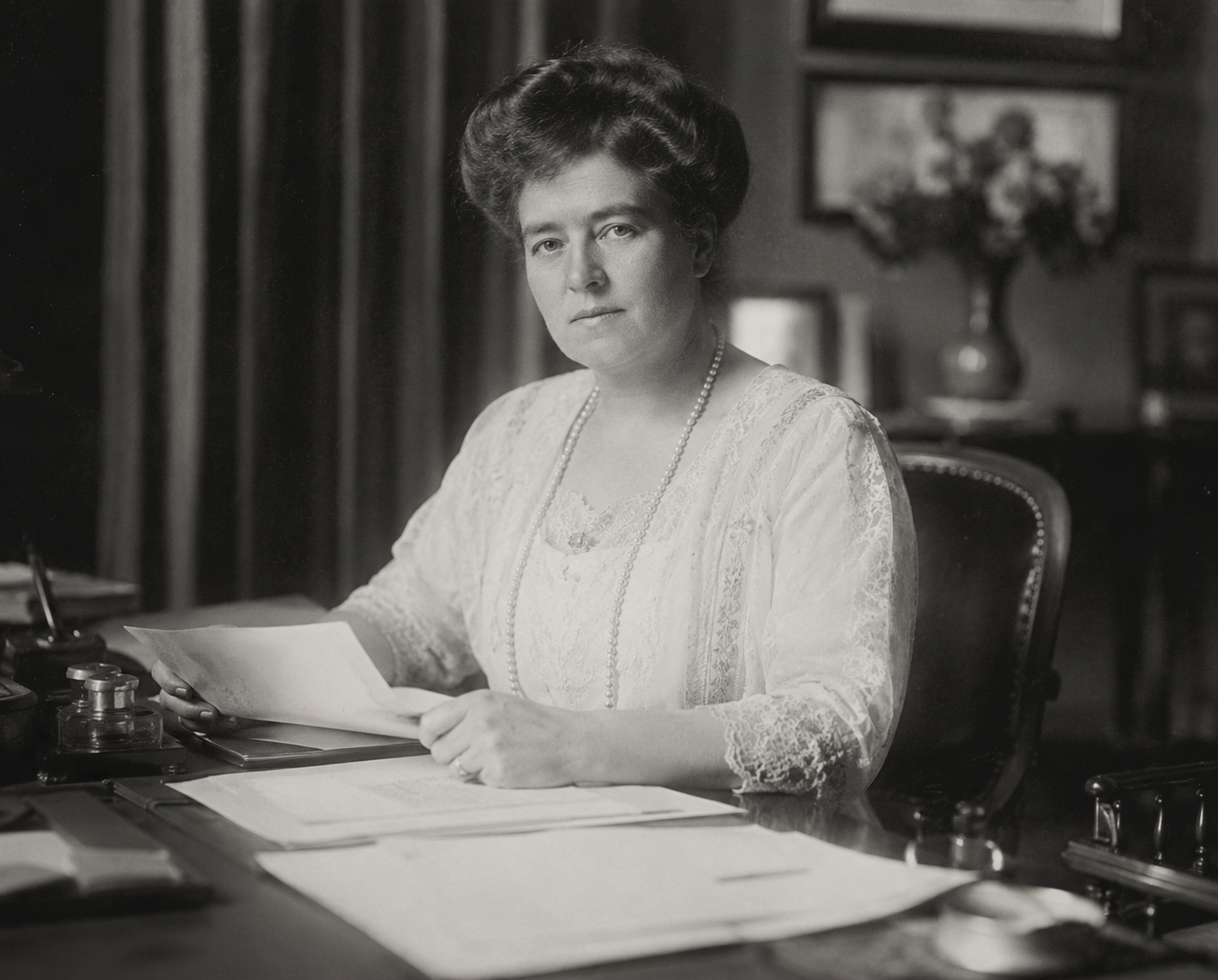

6. Edith Wilson Quietly Ran the White House
Although the United States has never officially elected a female president, many historians argue that Edith Wilson effectively performed presidential duties for more than a year after her husband, Woodrow Wilson, suffered a devastating stroke in 1919. Before the medical emergency, Edith had already become deeply involved in political matters, accompanying Wilson to important meetings, reviewing documents, and discussing national affairs with him regularly. Everything changed after the president collapsed while campaigning for support of the League of Nations following World War I. The stroke left Wilson partially paralyzed and largely unable to perform many presidential responsibilities. Rather than publicly admitting the full extent of his condition and potentially transferring power to the vice president, Edith Wilson tightly controlled information about her husband’s health. She became the gatekeeper between the president and the rest of the government, deciding which documents he would see, which meetings were important enough to discuss with him, and which officials could communicate directly with the White House. Cabinet members, lawmakers, and diplomats often had to negotiate through Edith herself, giving her enormous influence over executive decisions. She reviewed state papers, monitored national issues, and shaped which information reached the president during one of the most politically sensitive periods in modern American history. Edith later insisted she never actually made policy decisions herself, describing her role as merely managing paperwork and protecting her husband’s health, but critics accused her of secretly operating as the nation’s de facto executive leader. Some historians even refer to her as America’s unofficial first female president because of the extraordinary authority she exercised during Wilson’s final years in office.


7. Onion Trading Became Illegal in America
One of the strangest financial scandals in American history involved something surprisingly ordinary: onions. During the 1950s, onion futures trading became one of the most active commodities markets in Chicago, accounting for a huge percentage of activity on the Chicago Mercantile Exchange. Futures contracts allowed traders to speculate on what onions would cost in the future, creating opportunities for massive profits if prices moved in the right direction. Two traders, Sam Siegel and Vincent Kosuga, realized they could manipulate the entire market by secretly controlling both physical onions and onion futures contracts at the same time. Over months, they purchased enormous quantities of onions and eventually controlled nearly all onion supplies entering Chicago. Once they dominated the market, the two men began aggressively short-selling onion futures, effectively betting that onion prices would collapse. Then they intentionally flooded the market with huge shipments of onions, causing prices to crash exactly as planned. To make matters worse, some onions were cleaned, repackaged, and shipped repeatedly to create the illusion of endless supply. Onion prices eventually dropped from several dollars per bag to only a few cents, devastating farmers across the country whose crops suddenly became worthless. While growers faced bankruptcy, Siegel and Kosuga earned millions through their carefully orchestrated manipulation scheme. Public outrage exploded as congressional hearings investigated the scandal and farmers demanded government action. In response, Congress amended the Commodity Exchange Act to permanently ban onion futures trading in the United States. Decades later, onions remain the only commodity specifically prohibited from futures trading under federal law, making the onion scandal one of the most bizarre financial episodes in American economic history.

About the Creator
History Seeker
I like the metal music I like the good food and the history...
Enjoyed the story? Support the Creator.
Subscribe for free to receive all their stories in your feed.
Comments
There are no comments for this story
Be the first to respond and start the conversation.