
The Popularity of Seafood Boils
Are you among those who love seafood boils?


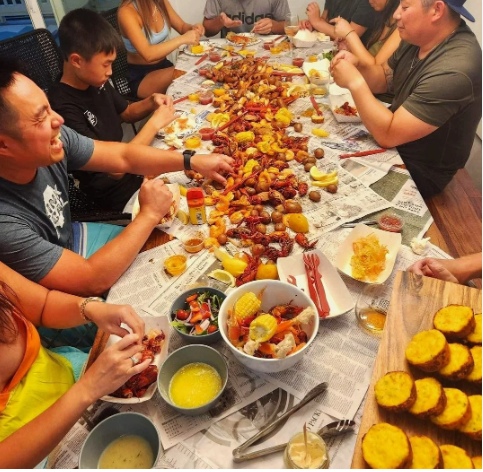
A seafood boil is a festive, communal meal where shellfish, vegetables, and sausage are cooked together in a large pot of spiced broth and dumped directly onto a table or in a plastic bag to eat by hand.
Core Ingredients
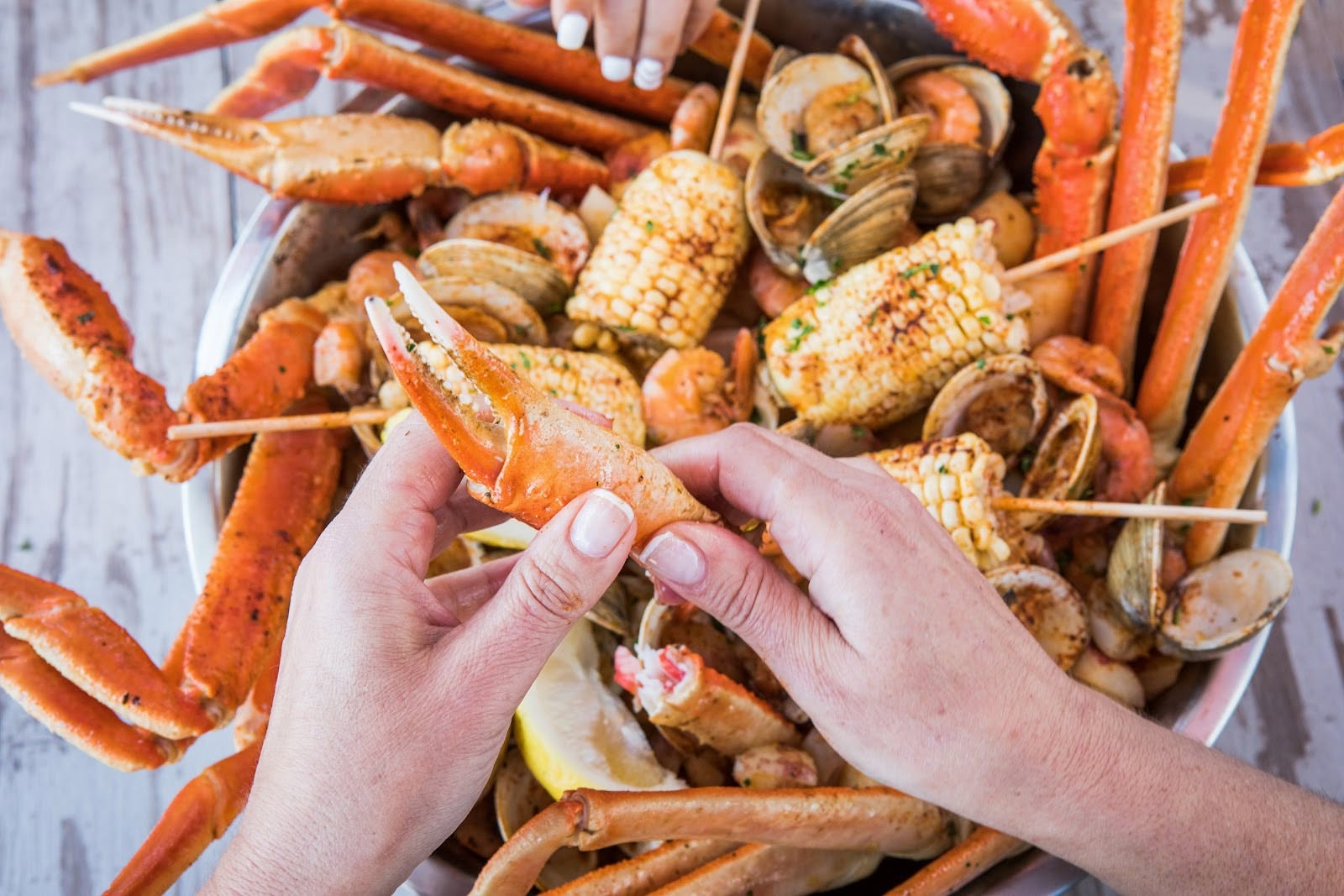
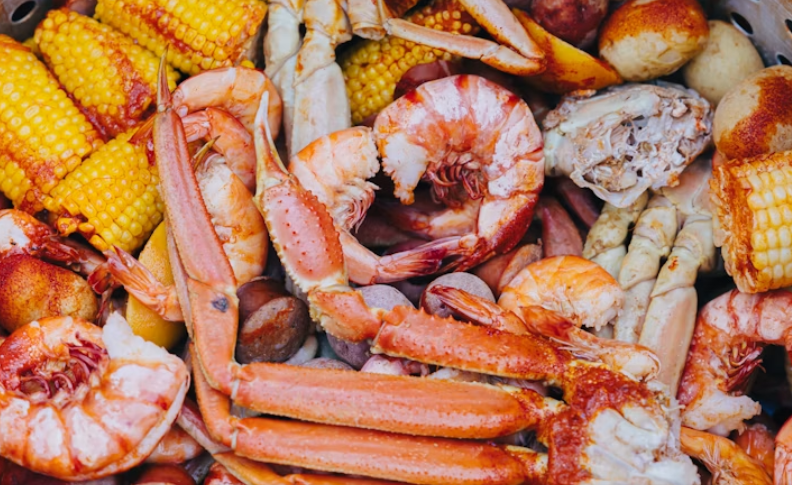
Seafood: Shrimp, crawfish, crab legs (snow or king), lobster, and mussels
Vegetables & Extras: Red or Yukon gold potatoes, corn on the cob, and smoked or andouille sausage, hard-boiled egg
Seasonings: Heavy amounts of Creole or Cajun seasoning, Old Bay seasoning, garlic cloves, lemon, and hot sauce.
Finish: A rich garlic butter sauce poured over the top
Regional Variations
Louisiana Cajun Boil: Highly spicy, featuring crawfish, shrimp, sausage, and corn boiled in an intensely seasoned, fiery broth
Lowcountry Boil (South Carolina): A milder coastal tradition (also called Frogmore Stew) made with shrimp, sausage, corn, and potatoes
Chesapeake Bay Steam (Maryland & Virginia): Uses local blue crabs cooked via steaming rather than boiling, heavily layered with Chesapeake Blue Crab Steam-style Old Bay seasoning
New England: Features clams, lobster, potatoes, and corn, traditionally steamed over layers of seaweed
The Seafood Craze
Traditionally, seafood boils were limited to coastal places and culture. Over the last few years, seafood boils have transitioned from a coastal vacation novelty into other places. Local food communities are flooded with recommendations for the best spot to crack open a cluster of snow crab legs, and the local landscape has adapted to meet that demand.
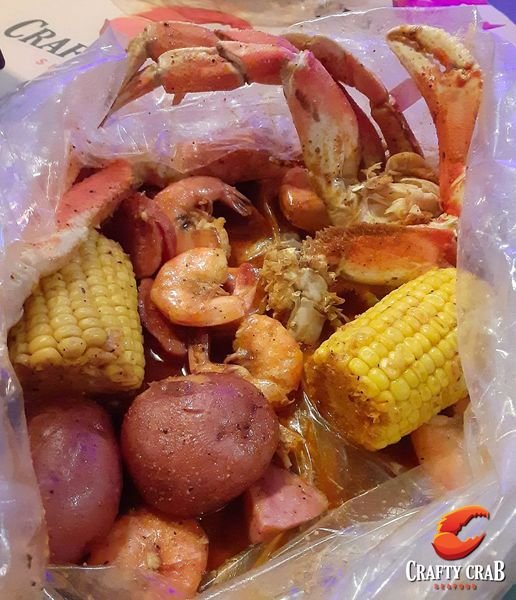
Tables lined with butcher paper, steaming plastic bags packed with crab legs, shrimp, crawfish, corn, and sausage, and diners wearing plastic bibs are now standard weekend imagery across many states.
Foodies point to the social, unpretentious nature of the meal as the primary reason for its massive growth. It is an inherently communal, hands-on experience that turns a standard dinner out into a festive event.
For First-Time Diners
It is completely normal to feel a bit hesitant before your first boil. The plastic bibs, the gloves, and the massive bags of steaming seafood can definitely look intimidating from the outside.
However, it is actually one of the most welcoming and judgment-free ways to eat. Because everyone at the table is covered in garlic butter and wearing a bib, all dining etiquette goes out the window—which makes it incredibly relaxing and acceptable.
If you decide to take the plunge, here are three quick tips to make your very first visit stress-free:
Ask the server for a demonstration: Don't worry about not knowing how to crack crab legs or peel shrimp efficiently. The staff at these restaurants see first-timers every single day and are always happy to show you the easiest technique right at your table.
Lean into the gloves: Most places will offer you a pair of plastic or latex gloves. While some purists like the tactile feel of eating bare-handed, wearing the gloves keeps the spicy oils out from under your fingernails and makes clean-up as simple as peeling them off at the end.
Order a side of white rice: A pro-move for beginners is to order a small bowl of steamed white rice. You can spoon the leftover garlic butter and Cajun sauce from the bottom of your seafood bag directly over the rice, which creates an incredible side dish and helps temper the spice if it gets too hot.
For a first-time diner, ordering a seafood boil can be intimidating with all the choices of catches, seasoning blends, and spice levels. The ideal entry-point dish is a 1-pound head-off shrimp and 1-pound snow crab leg combo with a house-blend sauce (mild or medium heat).
Here is why that combination works perfectly for beginners
The Perfect Catch Mix: Include shrimp and snow crab legs.
The Essential Sides: Ensure the bag includes the traditional flavor-soakers, such as andouille sausage, corn on the cob, and red potatoes. The sausage adds a smoky, savory break from the seafood, while the corn and potatoes absorb the seasoned butter like sponges.
The "House Blend" Sauce: Almost every prominent seafood restaurant offers a signature mix that combines all their individual flavors (Cajun, Lemon Pepper, and Garlic Butter) into one ultimate sauce.
Keep Heat to Mild or Medium: Seafood boil spices build up quickly as you eat. Starting at mild or medium allows a beginner to actually taste the sweetness of the fresh shellfish rather than immediately burning out their palate.
Share in the comment section what ingredients you like in your seafood boil.
About the Creator
Margaret Minnicks
Margaret Minnicks has a bachelor's degree in English. She is an ordained minister with two master's degrees in theology and Christian education. Thanks for reading and sending TIPS her way.
Enjoyed the story? Support the Creator.
Subscribe for free to receive all their stories in your feed. You could also become a paid subscriber, letting them know you appreciate their work.
Comments
There are no comments for this story
Be the first to respond and start the conversation.