
The Part I Used to Ignore
Finding Value in What We Once Overlooked

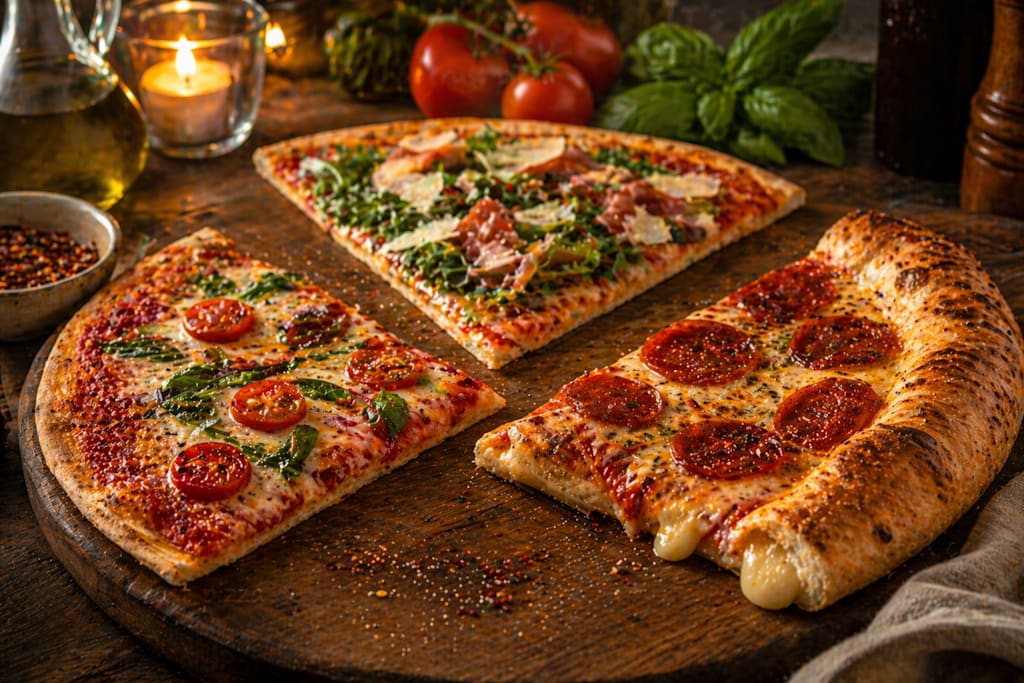
For the longest time, I thought the best part of pizza was everything except the edges.
The cheese, the sauce, the toppings — that was where the flavor lived, or so I believed. The crust pizza part? That was just what you held while eating the rest. Something practical, not something you paid attention to. I used to leave it behind on the plate without thinking twice.
It felt normal.
I noticed it one evening while sitting with friends after a long day. The table was full of half-finished slices, empty glasses, and quiet conversation that had slowed into something more reflective. Someone picked up a leftover piece and, without hesitation, ate the crust first.
I remember pausing.
It seemed like such a small thing, but it shifted something in the way I looked at it. Why start with the crust? Why not leave it for last — or not eat it at all?
Out of curiosity, I tried the same thing with my next slice.
It tasted different than I expected. Not bland, not just “extra bread,” but something that carried its own texture and subtle flavor. It wasn’t competing with the rest of the slice. It was grounding it.
That was the first time I realized that crust pizza wasn’t just an afterthought. It was part of the experience.
From then on, I started paying attention.
Different places, different textures, different styles. Some were crisp enough to make a soft crack when you bit into them. Others were softer, almost airy, with a warmth that made them feel comforting in a different way. I noticed how the crust held everything together — how it balanced the toppings, how it gave structure to something that would otherwise fall apart.
It made me rethink how often we overlook the edges of things.
There’s a certain expectation that the “best part” of anything is obvious. The center of the story. The most visible, the most talked about. But sometimes, what holds everything together is quieter.
I remember ordering a thin crust pizza one night when I wasn’t particularly hungry, just looking for something light. The slices felt almost delicate, the edges crisp and subtle. There was something intentional about it — nothing excessive, nothing overwhelming. It didn’t demand attention, but it stayed with me longer than I expected.
Another time, someone insisted on getting a stuffed crust pizza. I didn’t understand the appeal at first. It felt unnecessary, like adding more to something that didn’t need it. But when I tried it, I realized it wasn’t about excess — it was about surprise. The crust, which I once ignored, became the part I looked forward to.
It made me laugh a little at how wrong I had been.
Over time, eating pizza became less automatic and more intentional. Not in a complicated way — just in the sense that I started noticing things I hadn’t before. The balance of textures. The rhythm of each bite. Even the way people around me ate their slices.
Some still left the crust behind. Others treated it as the highlight.
And I realized there wasn’t a right way.
There’s something personal about how we approach small habits like this. What we choose to value, what we overlook, what we come back to later and see differently. The crust pizza experience, for me, became less about food and more about perspective.
It reminded me that not everything meaningful is obvious at first glance.
Sometimes, we focus so much on what stands out that we forget to appreciate what supports it. The edges of things — the quiet parts — often carry more weight than we realize.
Now, I rarely leave the crust behind.
Not because I feel like I have to, but because I’ve learned to enjoy it. To see it as part of the whole, not separate from it. Even when it’s simple, even when it’s not the main attraction, it still matters.
And in a strange way, that small shift changed more than just how I eat pizza.
It changed how I pay attention.
Because sometimes, the part you used to ignore is the part that teaches you to slow down, notice more, and appreciate things differently — one bite at a time.
About the Creator
Harley Morris
Storyteller & digital creator sharing tips on kitchen design, SEO, and small business growth. Writing with purpose, powered by Imperial Worktops. Follow for real ideas that work. listen my podcast on podbean.
Enjoyed the story? Support the Creator.
Subscribe for free to receive all their stories in your feed.
Comments
There are no comments for this story
Be the first to respond and start the conversation.