
Researchers find that oral microorganisms are significantly more varied than anticipated.
Why oral bacteria persist

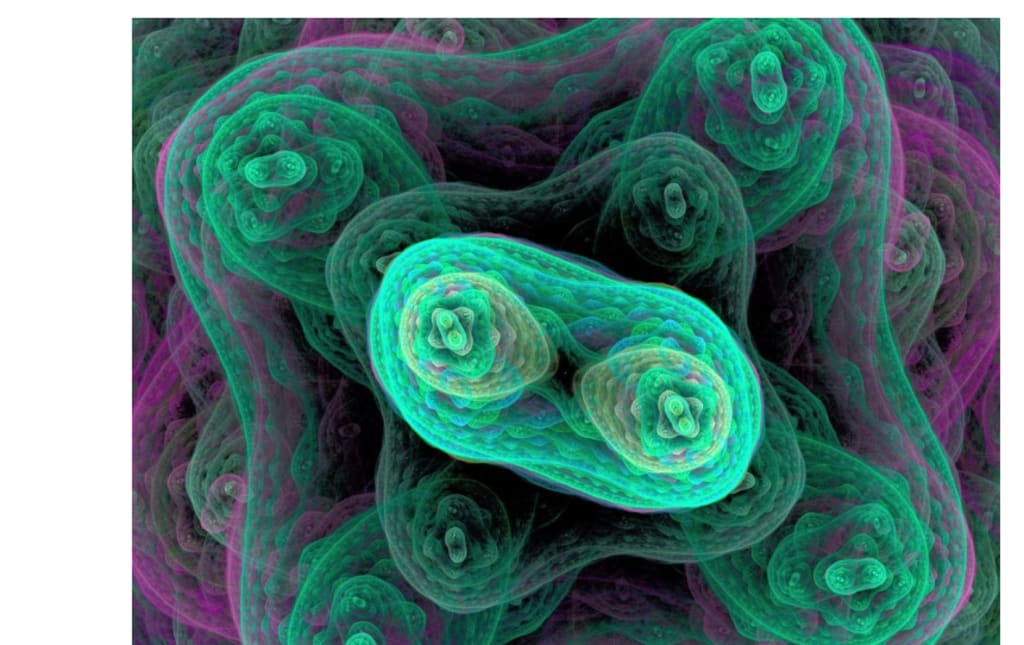
Saliva continuously passes through your mouth, cleaning your teeth, tongue, and gums while transporting any bacteria it comes into contact with. There is nothing that prevents a microbe from moving from one side of the mouth to the other.
The germs don't mix for some reason. Every species maintains its position despite the circulation of everything around it, generation after generation. Thirteen different bacterial groups have been identified from what appeared to be a single, devoted oral resident.
A microorganism map
The mouth has multiple habitats rather than just one. Each of these surfaces—the tongue, teeth, gums, and roof of the mouth—carries a unique mixture of bacteria, with species on one surface hardly ever overlapping with those on the next.
Dr. Jessica Mark Welch, a microbiology professor at the ADA Forsyth Institute (AFI), is now tasked with charting such distinctions. She has been determining which germs settle where for years.
Her goal is to conduct a thorough census of the oral microbiome, identifying which microorganisms should be preserved and which should be encouraged to return to equilibrium. When the map is accurate, specialised treatments can be used where blunt ones are ineffective.
Why oral bacteria persist
The arrangement need to be disorganised. Every surface continuously releases bacteria into saliva, where they readily combine and spread to every other location. There is no physical barrier that prevents a tongue bacterium from getting on a tooth.
Generation after generation, each species continues to return to its own patch. According to Dr. Mark Welch, while having the same immune system, food, and everything else, they live in quite different environments.
The map is not redrawn by careful brushing.
The arrangement reverts, indicating that each site's surface, oxygen, and chemistry sort the inhabitants instead of leaving it up to chance. The plaque's hidden architecture. Dental plaque does not resemble a formless film when viewed under a microscope.
A thick, well-organised structure centred on branching bacteria called corynebacteria that cling to the tooth and fan outward was shown by earlier imaging from Dr. Mark Welch's team.
There's more to that foundation than just filling space. It produces a variety of microscopic habitats, some of which are almost airless deep within and others of which are oxygen-rich on the outside edges. With various bacteria occupying distinct zones, it operates as a micro ecosystem.
Corynebacteria and a tiny cast of partners were discovered to be locked into dependable, repetitive configurations in a research mapping plaque at this fine scale. The same species appeared in the same locations in the lips of several individuals.
A plaque expert
One local is notable for its devotion to this landscape. A genus of bacteria called Capnocytophaga is nearly exclusively found in plaque. Nestled between the branches, Capnocytophaga consumes carbon dioxide released by nearby streptococci.
Capnocytophaga is the most plaque-specific microbe known, occurring there around 10 times more frequently than elsewhere in the mouth, behind corynebacteria. Its name even translates to "eater of carbon dioxide."
Plaque-dwelling bacteria sound like danger. However, there is little harm associated with abundance, and Capnocytophaga appears to be more of a contributing member of a thriving community than a saboteur.
One genus, numerous unique groupings
This new study did more than just map the genus's habitat. By comparing the genetic codes of hundreds of distinct bacteria with actual samples taken from various parts of the mouth, the researchers were able to separate Capnocytophaga into more precise categories than anyone had previously.
Thirteen different groups emerged from what appeared to be a single, neat genus. Eight had previously received official species names. The other ones are currently awaiting suitable names because they were so recently catalogued that they just have placeholder labels in the field's reference database.
The differences between the groups go beyond genetics. Different instructions for processing nutrients and oxygen were found deep within each's DNA, suggesting that each may have a specific speciality even in the little world of plaque.
The pattern was broken by a few of the rarer groups, which typically appeared outside borders in areas where the genus was believed to be rare. That hidden variation remained blurred under a single moniker until this effort.
Rethinking microorganisms that cause plaque
The urge to eradicate plaque bacteria might be misplaced. Eliminating many of our long-term relationships could backfire. Dr. Mark Welch stated, "We should respect these bacteria and work with them instead of against them."
A portion of the reward is already evident. Nitrate from leafy vegetables is converted by oral bacteria into substances the body uses to create nitric oxide, which lowers blood pressure and relaxes blood vessels.
That one tactic shows how much these communities do for us in the background. A microorganism that is prevalent in plaque is not always a bad guy; it can be carrying out tasks that scientists are just now starting to comprehend.
From precision medicine to antibiotics
The bacteria in the mouth appeared to be a stable, constant lineup for years. This paper demonstrates how even a single genus can conceal a multitude of unique actors, each adjusted to their own niche, some of whom reside in unexpected areas.
That particular feature alters the possible course of treatment. Nowadays, the primary reaction to a sick population is the use of antibiotics, which quickly destroy everything and seldom last.
Instead, a precise map makes it possible to control the mix by sowing beneficial strains as probiotics or making dietary adjustments. The difference between targeting and guessing is knowing precisely who lives where and what each person does. The mouth becomes more of a place to be cared for and less of a place to scrub clean as that census increases.
About the Creator
Enjoyed the story? Support the Creator.
Subscribe for free to receive all their stories in your feed.
Comments
There are no comments for this story
Be the first to respond and start the conversation.