
Elk Heart, Colorado Style
An overlooked cut of wild game finds its place at the home table.

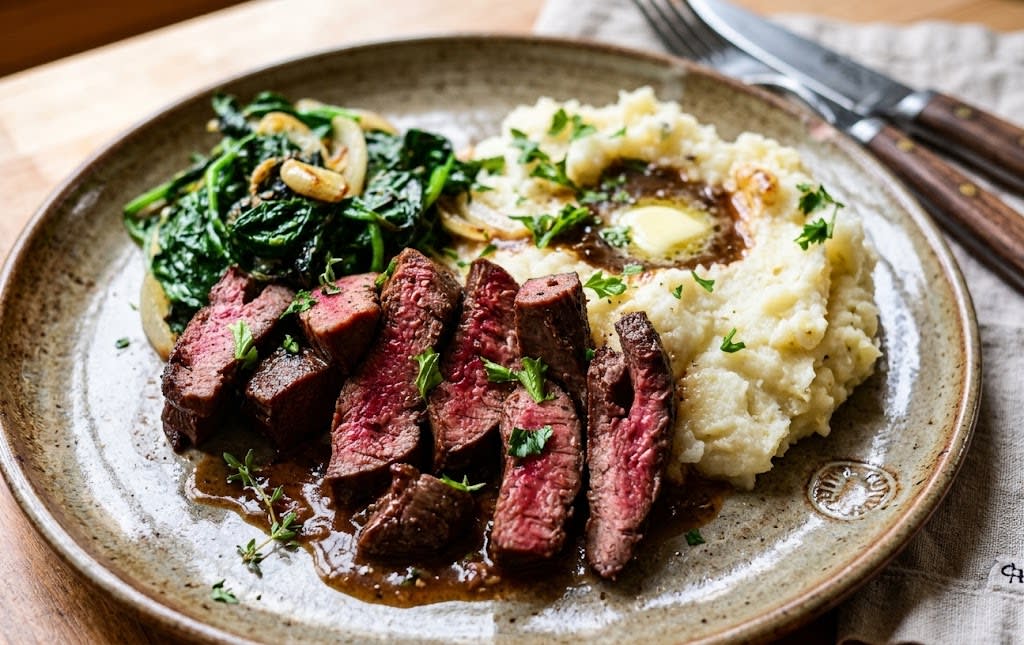
Elk heart is one of the less familiar cuts to come out of a Colorado hunting season, and it deserves a closer look. Trimmed, sliced, and seared in a hot skillet, the meat can be served with sautéed onions, roasted potatoes, and seasonal vegetables for a simple supper that makes use of an ingredient many home cooks have never considered. For hunters and families who prepare their own wild game, cooking the heart is a practical extension of processing an animal for food. It is also an opportunity to discover a cut with a texture and flavor distinct from the steaks and roasts that usually receive the most attention.
Colorado is well known for its elk population and its hunting traditions. Each season, hunters bring home meat that can supply a household with steaks, roasts, ground meat, and stew ingredients. The heart is another part of that harvest, although it rarely receives the same attention as the larger cuts. Its preparation calls for careful trimming and an understanding of how lean muscle responds to heat, but the ingredient list can remain refreshingly short.
The finished dish does not require elaborate presentation. A few well-seasoned slices arranged on a warm plate, accompanied by potatoes and onions, make a straightforward meal with a distinctly Western connection.
Getting to Know Elk Heart
The first thing to understand about elk heart is that it is muscle, not a soft organ meat like liver. Its structure is dense, and its flavor is savory and concentrated. When cleaned and cooked properly, the texture can be comparable to a lean cut of steak.
Wild elk meat is generally leaner than many commercially raised meats, and its quality varies with the animal's age, diet, and handling after harvest. Elk has a mild flavor often compared with beef. As with other lean game meats, careful preparation helps preserve tenderness and moisture.
The heart requires a little more attention before it reaches the skillet. The outer fat, large vessels, valves, and tough connective tissue must be trimmed away. The remaining muscle can then be opened into manageable pieces and sliced across the grain. This preparation makes the meat easier to cook evenly and gives the finished slices a more pleasant texture.
For cooks unfamiliar with the cut, the process may seem unusual at first. Once the heart is trimmed, however, the usable meat looks much like other lean red meat. The key is to work carefully and avoid treating it like a large roast that can be left to cook unattended.
A Cast-Iron Skillet Is All You Need
One of the simplest preparations uses a cast-iron skillet, a little butter, salt, pepper, and Worcestershire sauce. The seasoning complements the meat without obscuring its natural flavor, and the hot pan creates a browned exterior.
To prepare the dish, begin with a properly cleaned and trimmed elk heart. Cut the meat into thin strips, pat the pieces dry, and season them with salt and freshly ground black pepper. Heat a cast-iron skillet over medium-high heat. Add a small amount of cooking fat, then arrange the meat in a single layer so the pieces can brown evenly.
Turn the strips as needed, taking care not to leave them in the pan until they become tough. Add a little butter toward the end of cooking and finish with a small splash of Worcestershire sauce. The sauce contributes a savory, slightly tangy note that works particularly well with the rich flavor of wild game.
Onions make a natural accompaniment. Cook them separately or add them to the pan after removing the meat, allowing them to soften and pick up the browned bits left behind. Fresh thyme or a little garlic can be added for additional flavor.
Because wild-game safety depends on proper handling and cooking, use a food thermometer and follow current food-safety guidance for the appropriate internal temperature. Keep the meat properly chilled during preparation, clean utensils and work surfaces carefully, and avoid using meat from an animal known to be infected with a wildlife disease.
What to Serve Alongside It
Elk heart has a robust, savory flavor, so the most successful accompaniments tend to be simple. Roasted potatoes provide a crisp exterior and a soft center, while sautéed onions contribute sweetness. Green beans, carrots, or seasonal squash add color and balance the richness of the meat.
For a more substantial meal, serve the heart with mashed potatoes and pan-cooked onions. A spoonful of mustard sauce or a light gravy can be offered on the side, although a heavy sauce is unnecessary. The goal is to complement the meat rather than disguise it.
Bread is another useful addition, particularly when the meal is served family-style. A rustic loaf or skillet cornbread can accompany the meat and vegetables without adding much preparation to the menu. A simple cabbage salad or dressed greens provide a fresh contrast.
The same approach works for a casual gathering after a hunting trip. Instead of preparing an elaborate spread, the cook can concentrate on a few well-chosen dishes and serve the heart while it is hot. The result is a meal built around the ingredient itself, with the side dishes doing their part without competing for attention.
From the Hunting Season to the Kitchen
Preparing elk heart connects the kitchen to a larger tradition of making use of wild game. For hunters who process their own animals, the harvest represents a considerable investment of time and effort. Cooling and transporting the meat, separating the cuts, packaging portions, and storing them safely are all part of the work.
The backstrap and tenderloins may be reserved for steaks, while larger muscles can be cut for roasts or ground for burgers and chili. The heart offers another possibility. Rather than treating it as an afterthought, cooks can prepare it as a separate dish, using a method suited to its particular texture.
This approach is not unique to Colorado. Heart is eaten in many parts of the world, and recipes range from quick skillet preparations to stuffed and braised dishes. A stuffed wild-game heart, for example, can be filled with seasoned bread stuffing and cooked until tender. Such recipes demonstrate how different techniques can produce very different results from the same cut.
What distinguishes elk heart in Colorado is its connection to the state's wild-game culture. The ingredient comes directly from the animal, and its preparation reflects the practical knowledge of people who know how to use the harvest. It is an example of cooking shaped by access to local ingredients rather than by the expectations of a restaurant menu.
Not every hunter chooses to keep or cook the heart, and not every household has an interest in organ meats. For those who do, however, it offers an additional way to make use of an animal that provides food for the household.
Why This Cut Remains Unusual
Elk steaks and burgers have become familiar offerings in restaurants that feature Western ingredients. Heart is less commonly encountered in mainstream dining, where menus tend to favor cuts that customers already recognize. Although specialty restaurants and adventurous chefs may serve organ meats, elk heart remains a relatively uncommon choice for diners.
At home, the circumstances are different. The cook can decide how to prepare the meat, which seasonings to use, and how to serve it. There is no need to explain the dish to a roomful of customers or fit it into a standardized menu. A family that enjoys wild game can simply make it part of supper.
That is one reason unusual foods can be so memorable. They reveal ingredients and techniques that rarely appear in everyday shopping or restaurant dining. A person who has eaten elk burgers for years may never have considered the heart, while someone accustomed to processing wild game may regard it as a perfectly sensible addition to the freezer.
The dish also challenges a common assumption about cooking: that the best ingredients must be the most expensive or the most familiar. A less celebrated cut can produce a satisfying meal when the cook understands its qualities and handles it appropriately.
A Different Kind of Colorado Specialty
Elk heart is not a dish that needs elaborate garnishes or a lengthy description to make it appealing. Its interest lies in the ingredient, the preparation, and the traditions surrounding wild-game cooking. A hot skillet, a few basic seasonings, and a careful approach are all that is needed to bring out its flavor.
Served with potatoes, onions, and vegetables, it makes a straightforward supper that reflects one part of Colorado's food culture. It is not a recipe found on every restaurant menu, and it is unlikely to become a universal favorite. For cooks who appreciate wild game, however, it offers a worthwhile alternative to the familiar steaks and roasts.
The next time an elk harvest provides a heart for the kitchen, consider setting aside the usual cuts and preparing this one separately. Trim it carefully, cook it with attention, and serve it simply. The result is an uncommon dish with a clear connection to Colorado's landscape and hunting traditions, and a reminder that some of the most interesting ingredients are found far from the restaurant menu.
About the Creator
Nolan Reed
I write true stories, including unsolved mysteries and events that actually happened.
Enjoyed the story? Support the Creator.
Subscribe for free to receive all their stories in your feed.
Comments
There are no comments for this story
Be the first to respond and start the conversation.