
Chikanda
Homemade African Polony (Bologna) in Zambia

In March 2022, near the end of the Great Pandemic, I finally visited my eldest daughter in Zambia, where she had worked for the past seven years. Her career in Zambia began in February 2016 with a three-month training program followed by a two-year stint in the US Peace Corps, then continued for two more years, during which Peace Corps extended her work as a farming consultant who spoke the local iciBemba language, helping a rural NGO called Choshen Farm. At the beginning of the pandemic, when Peace Corps closed its entire operation worldwide in one week and flew 6,000 volunteers back to the United States, she was able to finalize her work permit to continue her work at the Choshen Farm organization and stay in Zambia. Our family was prevented from seeing her due to health reasons and worldwide flight restrictions from February 2020.
Choshen Farm, founded by a former Peace Corps volunteer and her husband, who had previously worked in Fimpulu village, where the organization’s service is based, is a mission organization dedicated to improving the lives of people in a specific geographic area. In addition to educating and helping local subsistence farmers expand their livelihoods through a livestock cooperative, the introduction of new crops, the creation of fishponds, and planting their own orchards and test crops, Choshen began a day school that currently educates and feeds one meal a day to about 400 local children in elementary and middle school. This year, the school ranked 5th in its province even though it does not extend through high school.
In 2022, toward the end of my two-week visit to Fimpulu, a 12-hour drive by car from the capital, Lusaka, three of the school teachers offered to show me how to make a local delicacy called African Bologna or Polony. In the local language, Bemba, it is known as Chikanda. The teachers assured me it would look and taste exactly like the familiar lunch meat from which it derives its English name.
When my daughter and I arrived at one of the teachers' homes next to the school, we were greeted by the teachers, all wearing skirts of traditional block printed and waxed cotton citenge fabric, and we sat down outside to begin preparing and cooking the dish. Preparing the flour and cooking chikanda from start to finish takes about 3 hours.
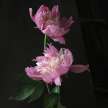
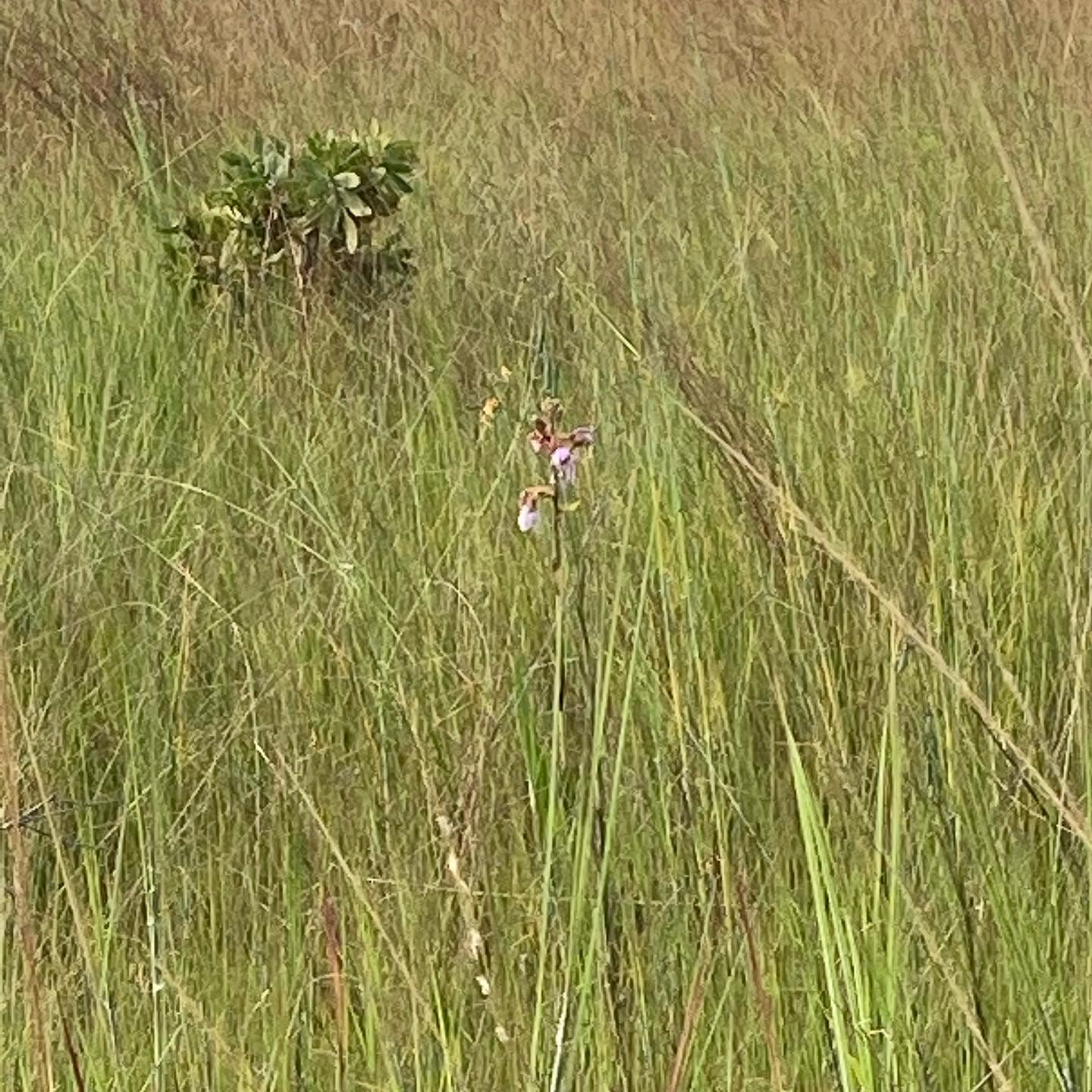
One of the two main ingredients in this vegetarian dish is the dried tuber or root of several species of wild orchid harvested by foragers in the swamps (the dambo) of Northern Zambia, Tanzania, and the Democratic Republic of the Congo. It is a traditional food of the Bemba tribe in those regions, typically served on special occasions like weddings. Though we didn't venture into the grassy swampland to collect the roots ourselves, during one of our walks my daughter showed me one of the varieties used in the dish, which happened to be in bloom in March towards the end of the rainy season. It had a stalk of pink flowers about 1 inch each. The stalk was about as tall as the surrounding grasses which, in my memory, were waist-high in that area. It was photographed from a well-trodden dirt path since wading through tall grasses and mud that might conceal some of the most poisonous snakes in the world, or (in my imagination) a crocodile, or even one of the local protected monitor lizards that live along the deep, narrow river dividing the village from the farm, was not on my to-do list; hence the photo quality.
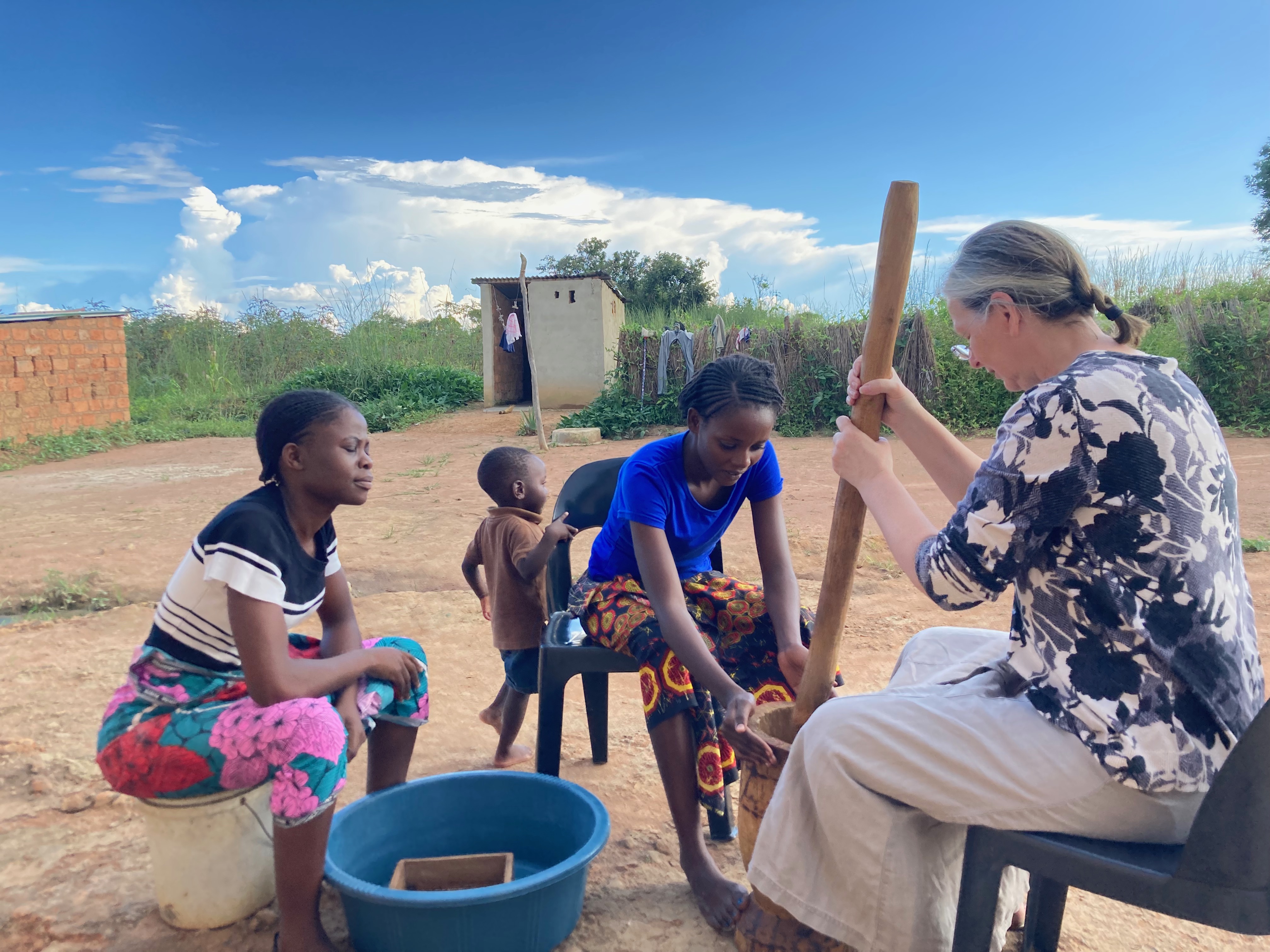
Preparing and cooking chikanda is physically challenging for a somewhat sedentary American. Zambian women use enormous wooden mortar-and-pestle type tools to prepare flour for their staple dish called nshima, typically made from cassava, maize, or a combination of the two, and we used the same tools to prepare the orchid flour. Each family has its own wood, hand-carved goblet-shaped mortar called an ibende, which is set on the ground, and a wood pestle called an umwinshi.
We began to pound and grind the dried roots.
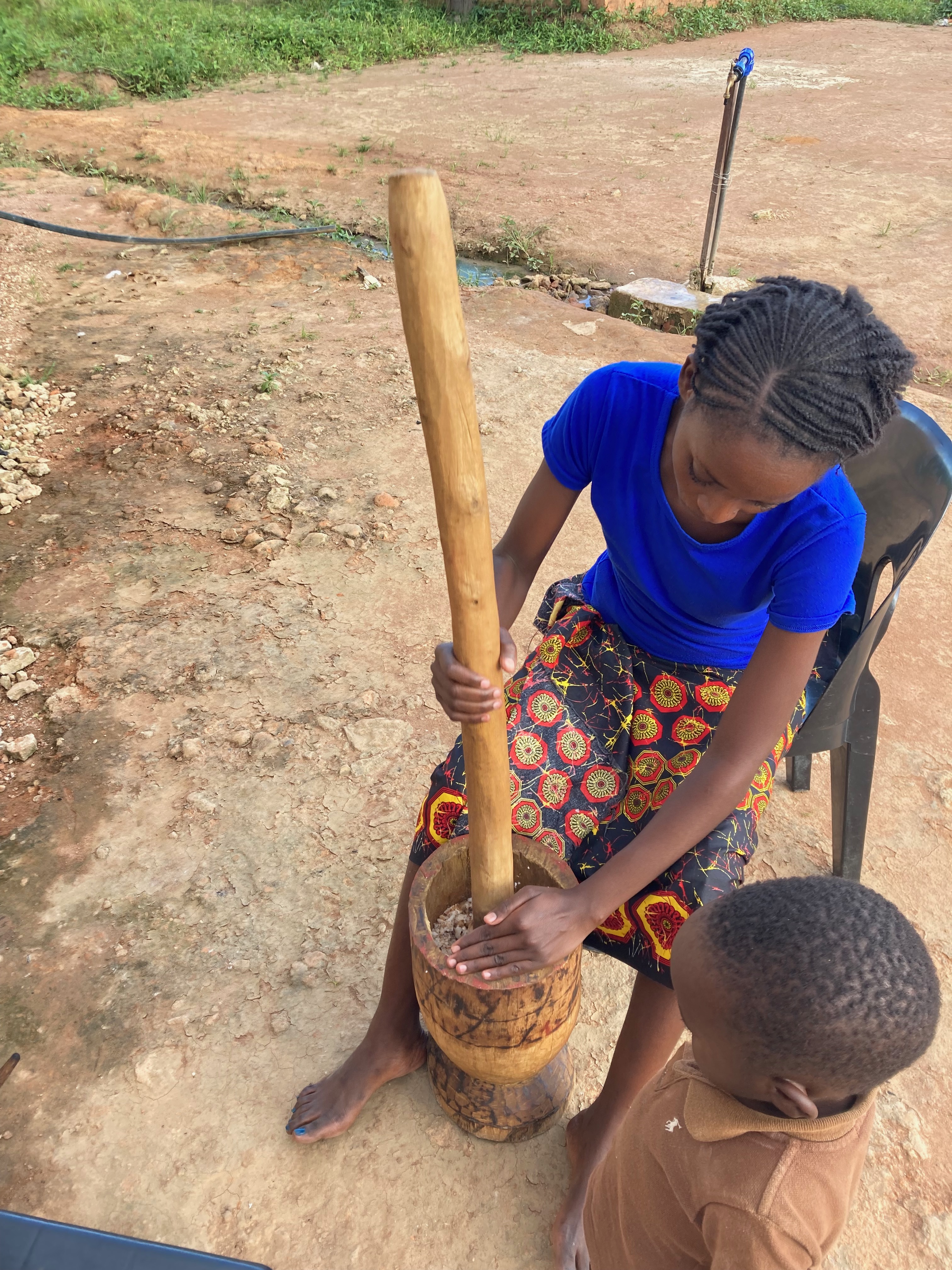
As the flour reached the desired consistency, we took turns sifting it through a screen into a large plastic tub.
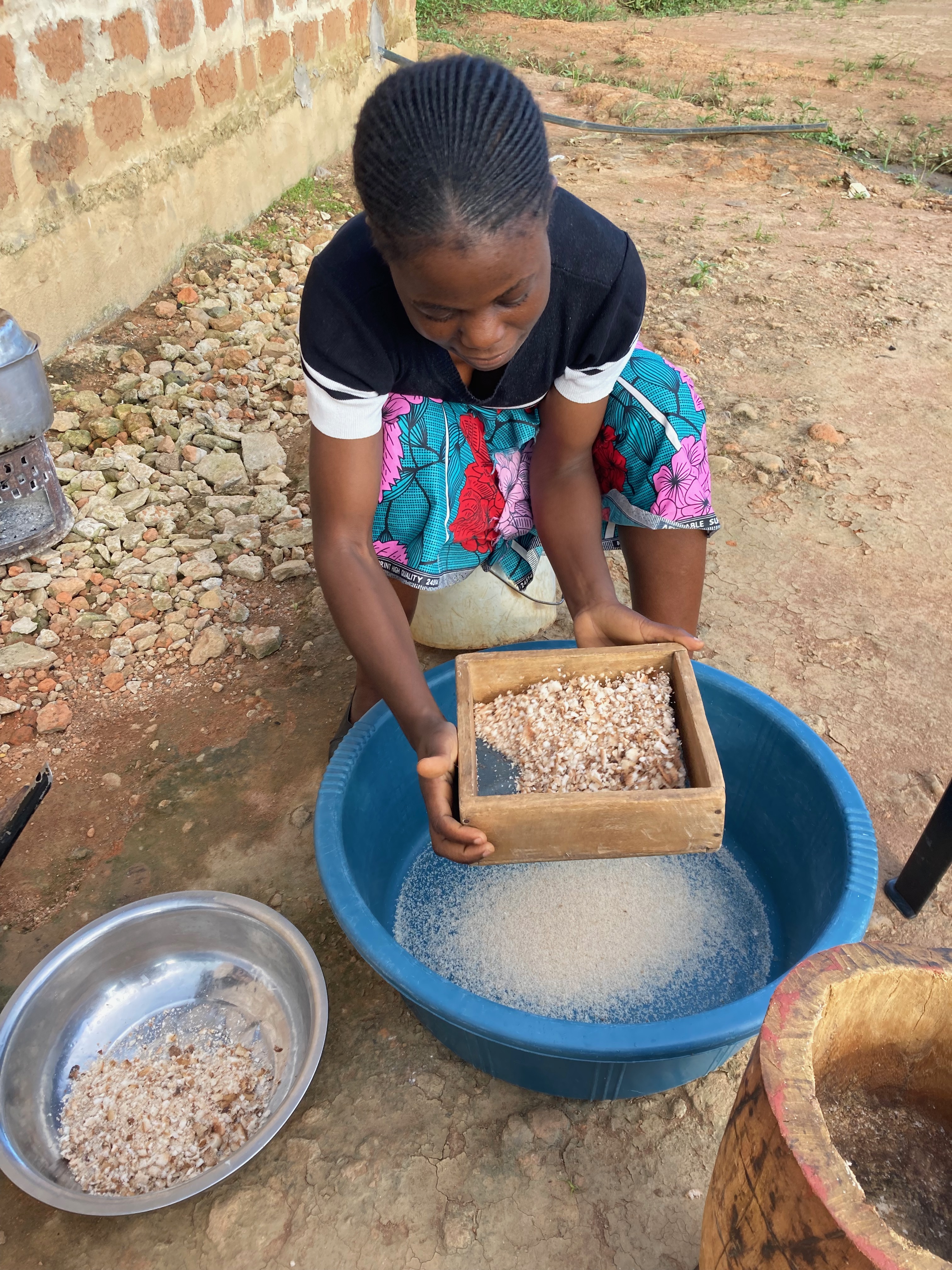
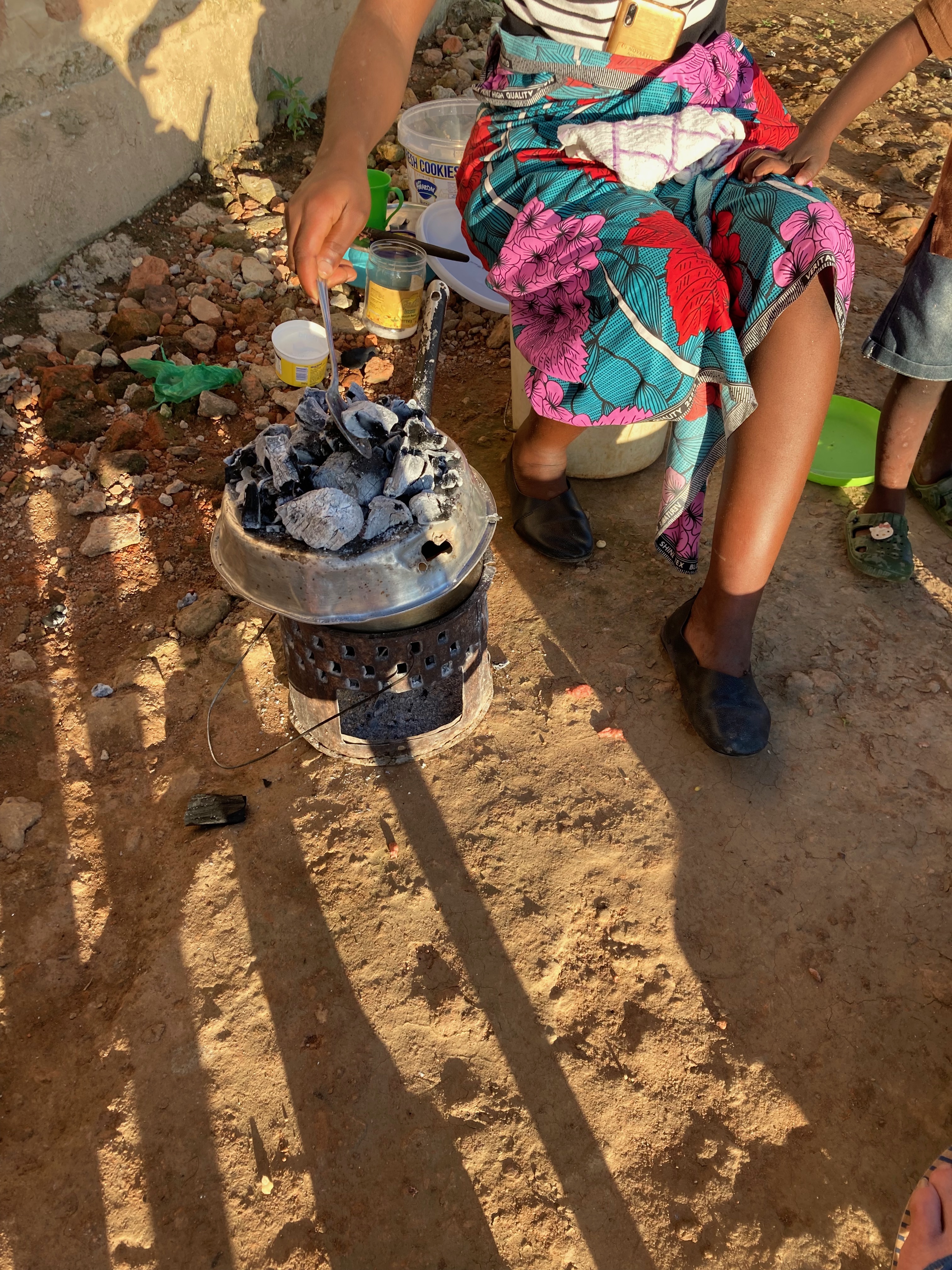
Most Zambians in rural areas do not have electricity or gas, so they cook outside using a traditional charcoal brazier set on the ground with homemade charcoal purchased from a charcoal maker. Many people have an open-air thatched or tin-roofed kitchen called an insaka for cooking and eating during the rainy and hot seasons, but the teacher housing did not have this convenient outdoor pavilion.
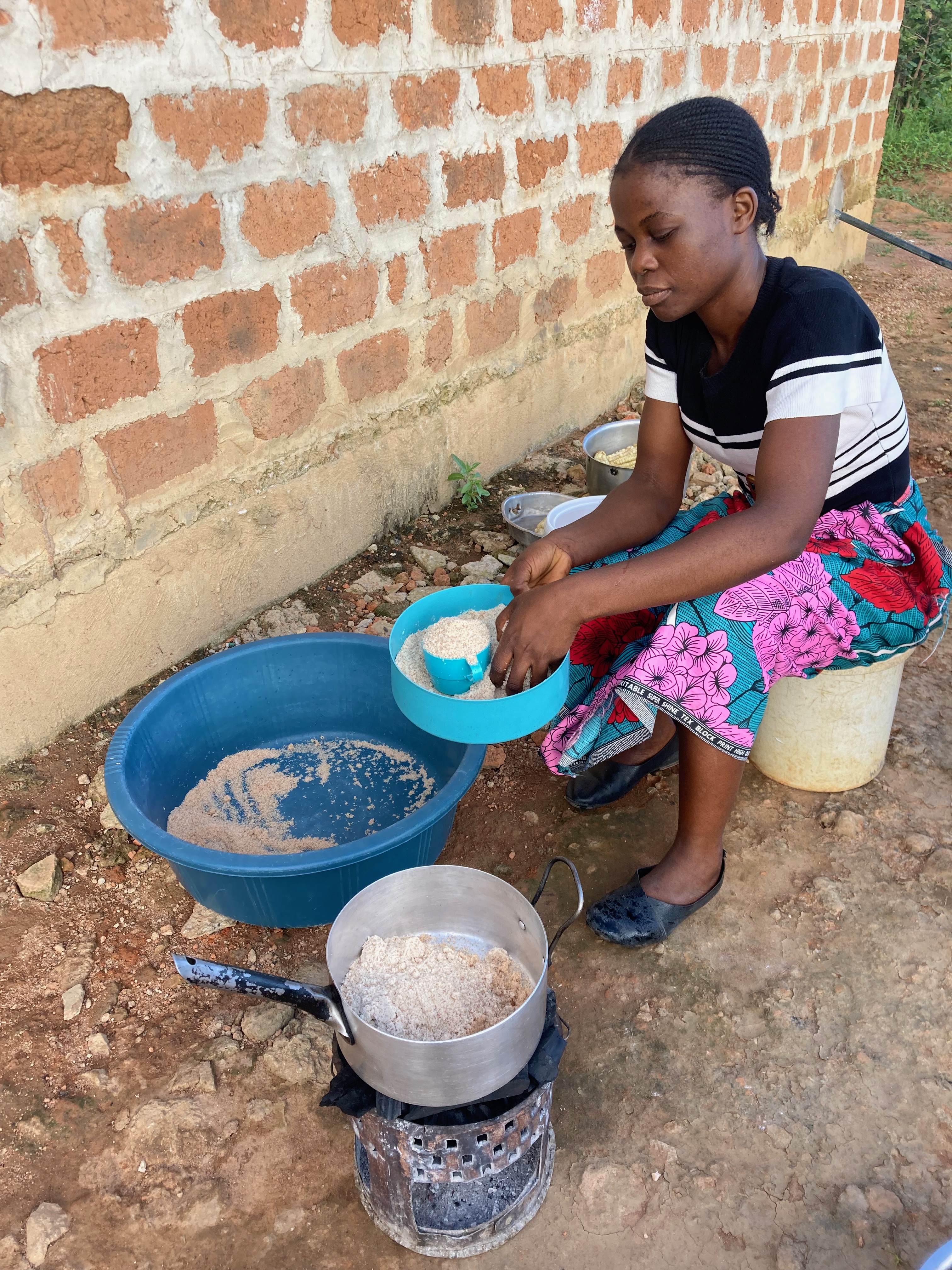
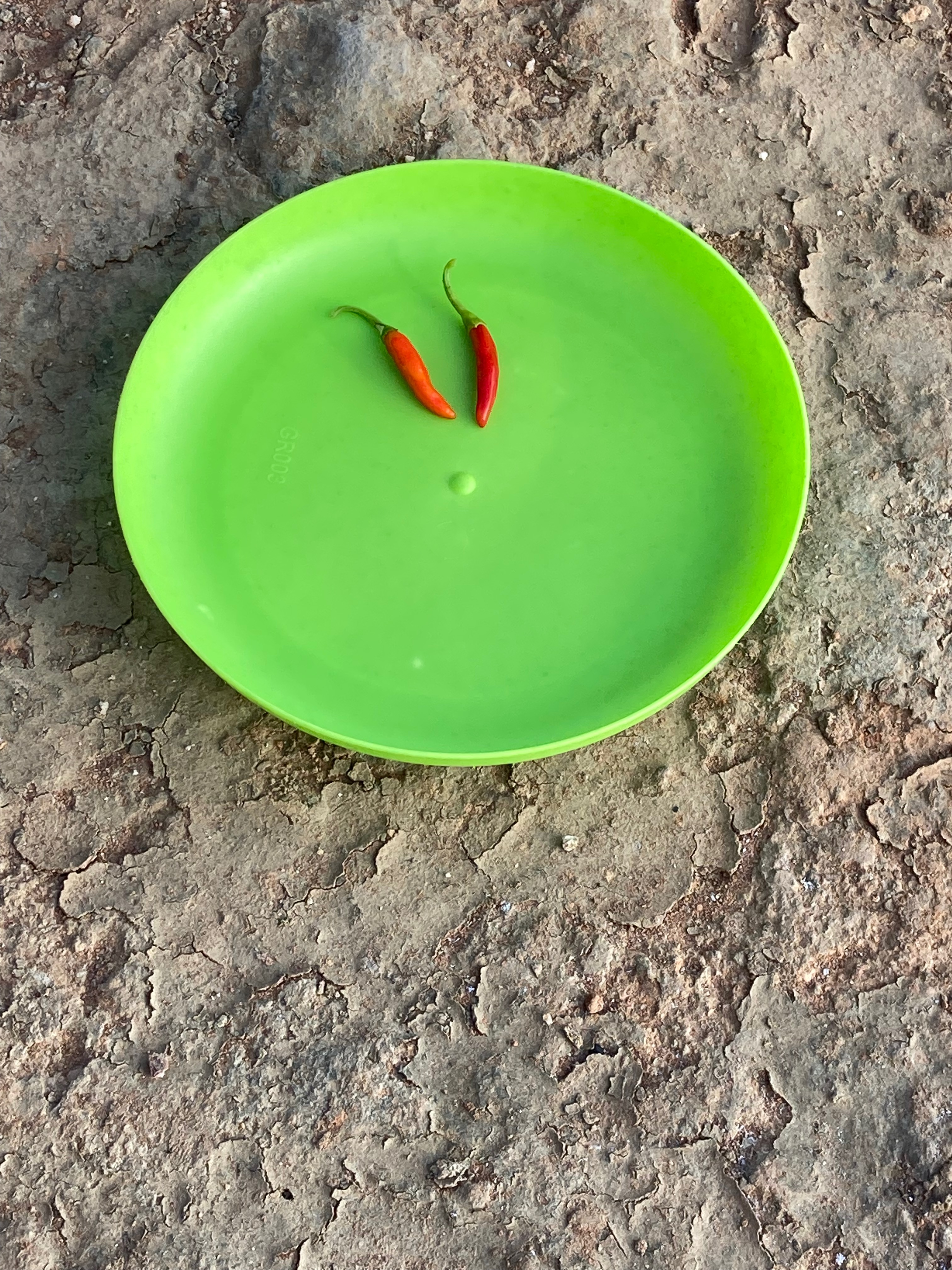
After we ground enough dried orchid tubers into flour, my hostess added ground nut flour (a legume in the peanut family that grows underground), water, salt, baking soda, and two hot peppers from her garden, and began to cook the mixture on the charcoal brazier. These tiny stoves are typically used to cook meals, even for large families of up to ten people.
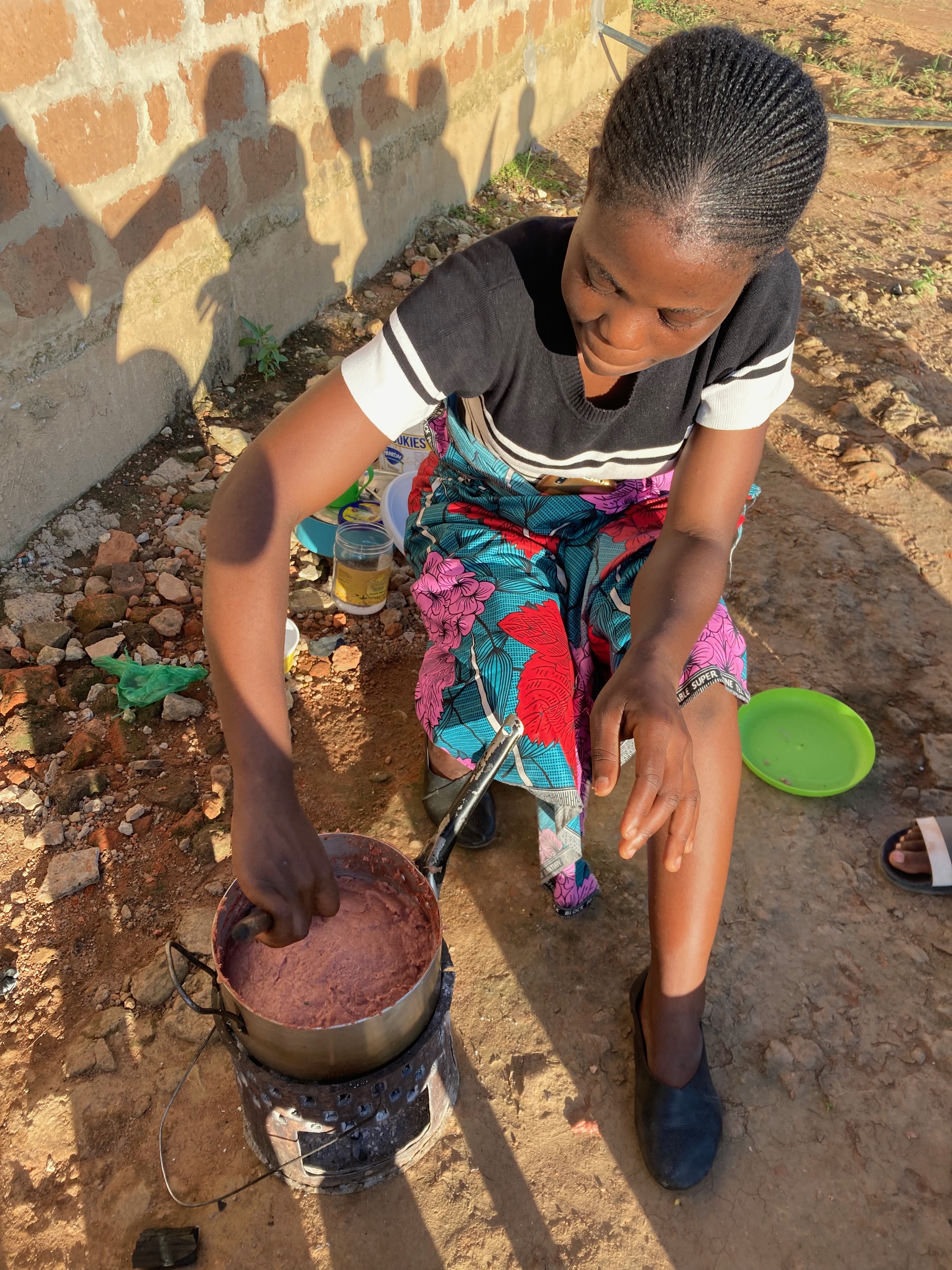
As my hostess stirred continuously, the mixture began to develop into a dough-like reddish-brown mass.
When the chikanda reached the desired consistency, similar to a loose bread dough, our hostess covered the pot with a concave lid and hot coals to create a baking oven, similar to Colonial American cooking techniques. We relaxed and talked while the chikanda baked for about 30 minutes.
When the dish finished baking, it was turned out of the pot onto a tray and sliced. The texture, color, taste, and smell were really similar to American-style bologna.
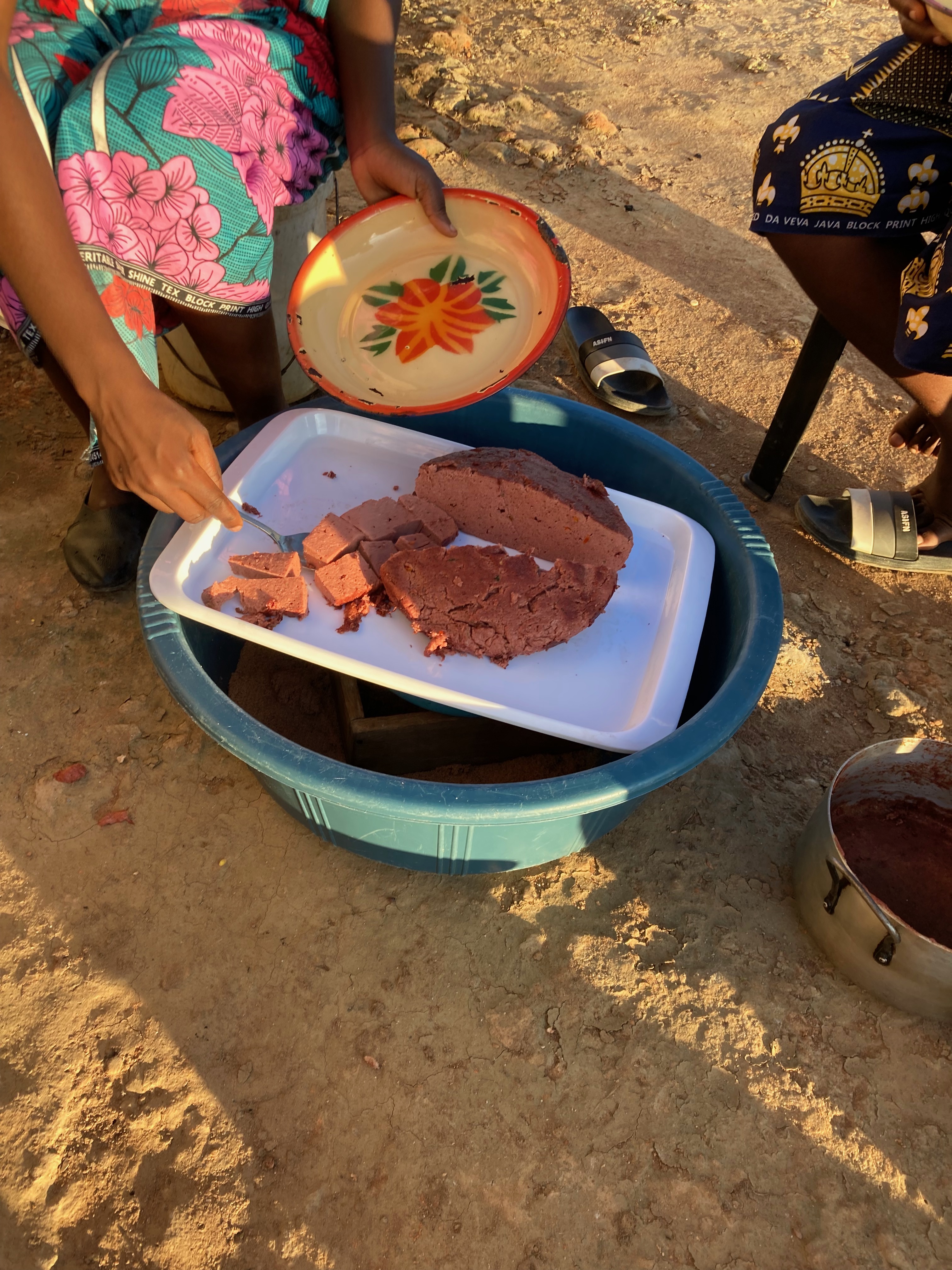
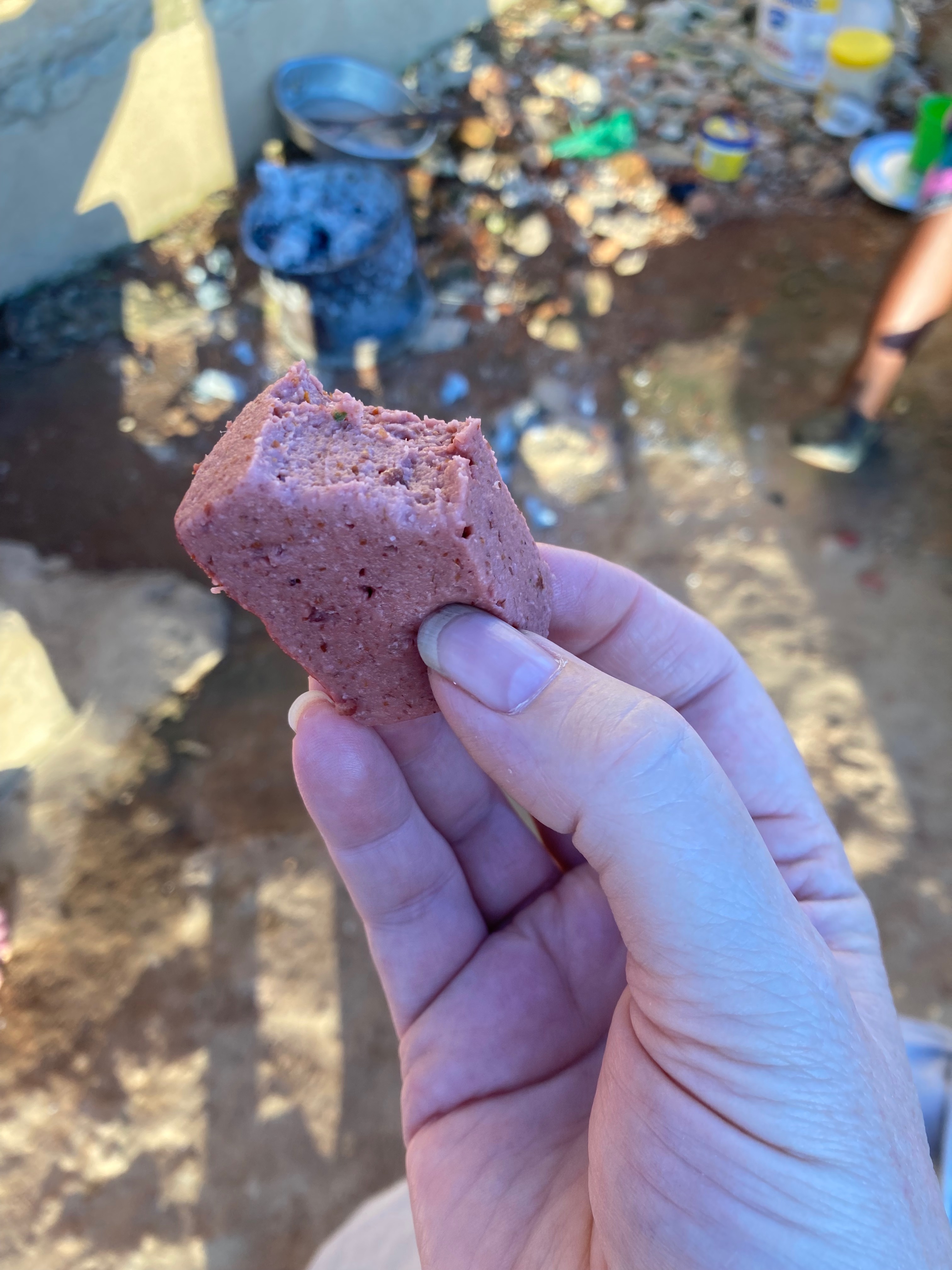
Very few people in rural Zambia have refrigeration, but chikanda can be safely saved without refrigeration for a few days and even up to a week or two.
I still feel awed when I think of the time people spent sharing traditional foods, culture, crafts such as broom making, and making special meals for me during the two weeks I visited my daughter.
I will probably never have the opportunity to eat chikanda again. The orchids are beginning to be rare and endangered due to the popularity of the dish in the region, and overharvesting of the wild plants is occurring, similar to wild ginseng in the United States, but I will always remember it with the kindness and patience of my teachers.
Chikanda would be an unlikely dish to find in a restaurant, but when combined with the generosity I was shown, the experience of making and sharing it became a unique memory.
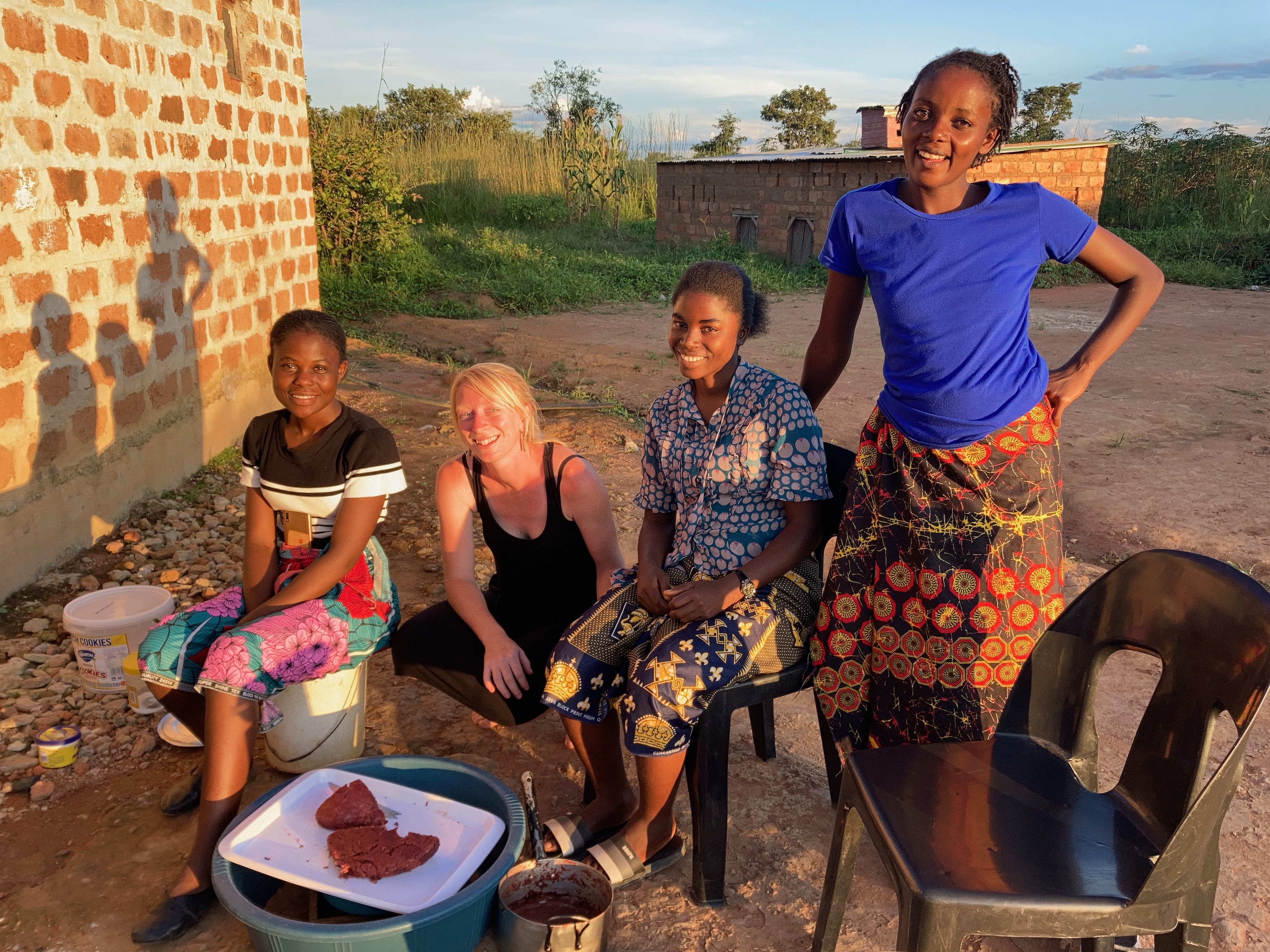
Thank you for reading my story. If you are interested in finding out more about Choshen Farm’s mission activities, or to make a donation to the agricultural work they are doing, to sponsor the education of a child, or to look for opportunities to volunteer, you can visit their website: Choshen Farm
I have also completed one other story about my trip to Zambia which is also available on Vocal Media in Wander.
About the Creator
Natalie Wilkinson
Writing. Woven and Printed Textile Design. Architectural Drafting. Learning Japanese. Gardening. Two poems are featured in a new print anthology-POETICS: Grain available at Bainbridge Island Press.
IG: @maisonette _textiles
Enjoyed the story? Support the Creator.
Subscribe for free to receive all their stories in your feed. You could also become a paid subscriber, letting them know you appreciate their work.
Comments
There are no comments for this story
Be the first to respond and start the conversation.