Sustainability
Climate Change:
Climate change is one of the most significant challenges facing our planet today. As the Earth's climate patterns undergo substantial shifts, it is essential to separate fact from fiction and gain a comprehensive understanding of the science behind climate change. In this article, we will explore common misconceptions, delve into the causes of climate change, and examine its potential consequences. By dispelling myths and promoting scientific literacy, we can take meaningful action to mitigate climate change's impact on our planet and future generations. What is Climate Change? To understand climate change, we must first grasp the concept of climate itself. Climate refers to the long-term patterns of weather conditions in a particular region, including temperature, precipitation, wind patterns, and more. Climate change, then, encompasses the shifts and alterations in these patterns over an extended period, often spanning decades or longer. Natural Climate Variability: It is crucial to differentiate between natural climate variability and human-induced climate change. Throughout Earth's history, various natural factors have influenced climate patterns, such as volcanic eruptions, solar radiation, and natural variations in the Earth's orbit. These natural fluctuations are part of Earth's dynamic systems. However, the current warming trend is distinct from natural variability and is primarily driven by human activities. Human Activities and Greenhouse Gas Emissions: The overwhelming scientific consensus points to human activities as the primary drivers of climate change. The burning of fossil fuels, deforestation, industrial processes, and agricultural practices release significant amounts of greenhouse gases (GHGs) into the atmosphere. GHGs, including carbon dioxide (CO2), methane (CH4), and nitrous oxide (N2O), trap heat from the sun and contribute to the greenhouse effect, leading to a rise in global temperatures. Understanding the Greenhouse Effect: The greenhouse effect is a natural process that helps regulate the Earth's temperature and makes life as we know it possible. Without the greenhouse effect, Earth's average temperature would be much colder. However, the increased concentration of GHGs resulting from human activities is enhancing the greenhouse effect and causing the planet to warm at an accelerated rate. Evidence of Climate Change: Scientific observations and data provide substantial evidence of climate change. Rising global temperatures, shrinking ice caps, melting glaciers, and rising sea levels are just a few visible indicators. Additionally, changes in precipitation patterns, the intensity of extreme weather events, and shifts in ecosystems and biodiversity all reflect the impacts of climate change. Consequences of Climate Change: The consequences of climate change are far-reaching and have implications for various aspects of our lives. Rising temperatures contribute to the melting of polar ice caps, leading to sea-level rise and increased coastal flooding. Changes in precipitation patterns result in more frequent and intense droughts, wildfires, and storms. Shifts in ecosystems disrupt habitats and threaten biodiversity, while agricultural productivity faces challenges from changing growing seasons and increased pests and diseases. Mitigation Strategies: Addressing climate change requires both mitigation and adaptation strategies. Mitigation focuses on reducing GHG emissions to slow down and stabilize climate change. This includes transitioning to renewable energy sources, improving energy efficiency, implementing sustainable land-use practices, and promoting nature-based solutions such as afforestation and reforestation. By reducing emissions, we can limit the extent of future climate change and its associated impacts. Adaptation and Resilience: Adaptation strategies are equally crucial in preparing for the changes that are already underway. Adapting to a changing climate involves building resilience in various sectors, including infrastructure, agriculture, water management, and human settlements. This includes developing climate-resilient infrastructure, implementing water management strategies, adopting sustainable agricultural practices, and enhancing disaster preparedness and response capabilities. Building resilient communities and ecosystems can help minimize the impacts of climate change and ensure our ability to withstand and recover from its effects. The Economic Aspect: Contrary to the misconception that addressing climate change is an economic burden, research suggests that taking action can have positive economic outcomes. The transition to a low-carbon economy can stimulate innovation, create new job opportunities, and drive sustainable economic growth. Investments in clean energy technologies, energy-efficient infrastructure, and sustainable practices can yield long-term economic benefits. Moreover, the cost of inaction far exceeds the cost of implementing mitigation and adaptation measures, as the impacts of climate change can result in significant economic losses, including damage to infrastructure, agriculture, and industries. The Role of Individuals and Communities: While governments and international agreements play a crucial role in addressing climate change, individual actions and community initiatives are equally vital. Small lifestyle changes, when adopted collectively, can have a significant impact. This includes reducing energy consumption, embracing sustainable transportation options, practicing waste reduction and recycling, supporting local and organic food sources, and advocating for climate-friendly policies. Engaging in community projects, educational campaigns, and grassroots movements can amplify the collective effort and drive systemic change. Science Communication and Education: Effective science communication and education are key to dispelling misconceptions and promoting climate literacy. Scientists, educators, policymakers, and the media all have a role to play in providing accurate information, communicating the urgency of climate change, and fostering a better understanding of the scientific consensus. Enhancing climate education in schools, universities, and public forums can empower individuals to make informed decisions, critically evaluate information, and take proactive steps to address climate change. Conclusion: Climate change is an urgent global issue that demands our attention and action. By dispelling misconceptions, understanding the science, and embracing evidence-based solutions, we can effectively address the challenges of climate change. It is essential to recognize the overwhelming scientific consensus on human-induced climate change and its far-reaching impacts on our environment, economies, and societies. Through mitigation efforts, adaptation strategies, and individual and collective actions, we can work towards a more sustainable and resilient future. Let us stand united in combating climate change and protecting our planet for current and future generations.
By Batholomew Okeke 3 years ago in Earth
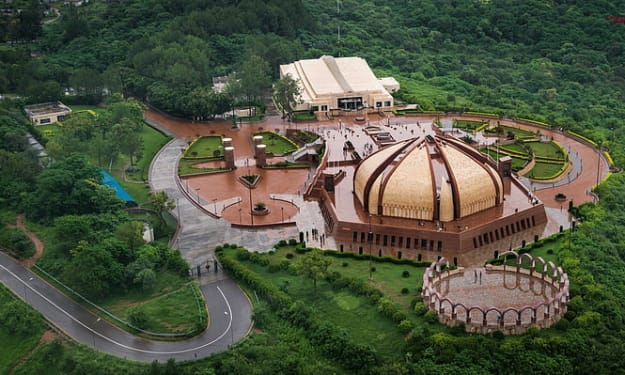
PAKISTAN
Once upon a time, in the heart of South Asia, there was a land of enchantment and beauty called Pakistan. Nestled between the towering peaks of the Himalayas and the serene Arabian Sea, this magical country was blessed with a diverse landscape that left visitors in awe.
By TAHA HUSSAIN3 years ago in Earth
Pineapple Skins Replace Soap for a Better Future
Half of every pineapple you eat ends up in the trash. The skin and core can be composted but in many places they are not. One company turns the leftover fruit into natural soaps and detergents. Founder Huang says they are safe for the planet and people. In fact the soap is so safe that he consumes the stuff daily. Dried fruit is part of a new product, cleaning with enzymes instead of harsh chemicals.
By Jodie Tavares3 years ago in Earth
Timberline Vegetation on Mountains
Introduction of transition of forest into treeless tundra: Sometimes you observe a forest suddenly turns into a treeless tundra on the top of the mountain slope. This change seems a totally unrealistic. But it happens. About a ten meters distance from the normal forest, the tress starts disappearing and converts into a small herbs, grasses and stemless plants. This action of typical transition is known as upper timberline or a tree line. That separates a tree area from the rest of the treeless area. Sometimes we notice another area called lower timberline. This is the area where the forest turns into a desert. No traces of tree life. This happens due to the lack of moisture in that area.
By Fatima Jamil3 years ago in Earth
BETWEEN ADAM'S CREATION AND FALL—WAS IT LONG?
The timing of Adam and Eve's fall from grace is not explicitly mentioned in any biblical text, leaving us with no precise indication of how long after their creation it occurred. However, a closer examination of the events surrounding the fall suggests that it likely happened shortly after their creation.
By Dreamson Shylla3 years ago in Earth
Embrace the Plant-Based Journey:
The 1 Month Vegan Challenge is a transformative journey that encourages individuals to immerse themselves in a plant-based lifestyle for a full month. By abstaining from animal products and focusing on a diet rich in fruits, vegetables, grains, and legumes, participants can experience a multitude of benefits for their health, the environment, and animal welfare. In this article, we will explore the highlights of the 1 Month Vegan Challenge and how it can positively impact your life.
By Martin Laviolette3 years ago in Earth
Empowering Women: Key Catalysts for Climate Change Solutions
In a world where diverse perspectives are crucial to tackling the global challenge of climate change, empowering women emerges as a fundamental aspect of building a better future for both society and the environment. In this article, we will delve into four key ways in which empowering women can contribute significantly to solving climate change:
By Chela Kikwai3 years ago in Earth