short story
Tuna Fishing Techniques.
Tuna Fishing Techniques: Unraveling the Secrets of the Sea Tuna fishing has captivated the imagination of fishermen for centuries. This magnificent fish not only provides a thrilling challenge but also holds immense commercial value. From the vast open ocean to the coastal waters, the secrets of successful tuna fishing techniques have been carefully passed down from one generation to the next. In this article, we will delve into the intricacies of tuna fishing, exploring the methods that have proven effective in reeling in these powerful and elusive creatures. Tuna fishing is an exciting and rewarding activity that requires skill, knowledge, and patience. The process of catching tuna is not just about dropping a line and waiting for a fish to bite; it involves a range of techniques that must be mastered to be successful. In this article, we will explore the secrets of tuna fishing techniques. One of the most popular techniques employed in tuna fishing is longlining. This method involves deploying a mainline that stretches for miles, with smaller branch lines spaced evenly along its length. These branch lines, often equipped with hooks and baited with squid or other live bait, entice the tuna to strike. Longlining is a highly efficient method that allows fishermen to cover vast areas of water and target different tuna species simultaneously. Another technique commonly used in tuna fishing is trolling. This involves dragging a series of lures or baited lines behind a moving boat. Trolling allows fishermen to cover a larger area and mimic the movement of smaller fish, attracting the attention of hungry tuna. Successful trolling requires careful selection of lures or bait that closely resemble the prey species preferred by the tuna in the area. The speed and depth at which the lines are trolled can also be adjusted to increase the chances of a bite. For those seeking a more hands-on approach, casting and jigging are popular techniques for targeting tuna. Casting involves accurately casting a lure or bait into a school of feeding tuna, enticing them to strike. This method requires skill and precision, as the lure must mimic the movements of the tuna's natural prey. Jigging, on the other hand, involves vertically dropping a weighted lure or jig deep into the water column and then jerking it up and down to attract the attention of passing tuna. Both casting and jigging offer an exciting and interactive experience for anglers. When it comes to tuna fishing, locating the fish is often the biggest challenge. Tuna are highly migratory, and their movements can be influenced by various factors such as temperature, currents, and the availability of prey. Modern technology has greatly aided fishermen in this regard. Sonar and fish finders help identify underwater structures where tuna may congregate, while satellite imagery provides valuable information about water temperatures and ocean currents. Additionally, experienced fishermen rely on their knowledge of the sea, such as bird behavior and surface disturbances, to locate schools of tuna. Once a school of tuna is located, it is crucial to adapt the fishing technique to match their behavior. Tuna can be highly selective in their feeding patterns, often keying in on specific baitfish or prey. Matching the size, color, and movement of the bait to the preferences of the tuna increases the chances of success. It is also essential to be mindful of the tackle used, as tuna are powerful and can put up a formidable fight. Strong, high-quality rods, reels, and lines are necessary to withstand the strength and endurance of these magnificent fish. In conclusion, tuna fishing is a complex and dynamic endeavor that requires skill, knowledge, and adaptability. Whether employing longlining, trolling, casting, or jigging, understanding the behavior and preferences of the tuna is vital. Equipped with modern technology and traditional wisdom, anglers continue to unravel the secrets of the sea, seeking the thrill and reward that comes with a successful tuna fishing expedition.
By Mr Royal Honey 3 years ago in Earth
Beauty-loving little girl
I am a sea turtle, carrying a hard shell. Nothing can hit me, can be said to be invulnerable to swords and spears. My head is not only round but also very smooth. My eyes flicker, really like a little girl who loves beauty. My nose is like two small holes. The mouth is like a small flower that opens and closes. My neck is thick and a little short. The special thing is that my head and limbs are retractable, while people are not. This is me, a turtle that is invulnerable to swords and spears.
By Shannon L Dille3 years ago in Earth
"The Girl Who Brought Back the Rainbow:
Once upon a time, there was a small town nestled in a lush valley surrounded by rolling hills. The town was known for its vibrant community and warm, welcoming people. However, the town's greatest treasure was not its people, but the rainbow that graced the skies above it.
By SmileyIndhu3 years ago in Earth
Life Without Life
Once upon a time, in a world devoid of life, the land lay silent and still. The skies were perpetually gray, devoid of birds soaring through the air. The vast oceans were calm, with no signs of aquatic creatures swimming beneath the surface. It was a world where the cycle of life had come to a halt, leaving behind an eerie emptiness.
By Muhammad Baxil3 years ago in Earth
Discover the Jewel of Asia: Pakistan's Spectacular Tourist Destinations
Nestled in the heart of South Asia, Pakistan is a land of incredible natural beauty, rich history, and vibrant culture. From majestic mountains to ancient archaeological sites, the country offers a plethora of breathtaking destinations for tourists to explore. In this article, we present the top 10 tourist places in Pakistan that are sure to captivate your senses and leave you with unforgettable memories.
By JAWWAD ALI SABRI3 years ago in Earth
"Gravity's Reach: The Cosmic Power of Jupiter"
Space is a vast and wondrous expanse, filled with mysteries and wonders that have captivated humanity for generations. One such wonder is the planet Jupiter, a gas giant that boasts a plethora of fascinating and unique features. Despite its lack of a solid surface, Jupiter is a powerful force in our solar system, possessing a gravitational pull that is both impressive and awe-inspiring.
By Todays fact3 years ago in Earth
Bears and Human Interaction.
Bears are majestic creatures that have been revered and feared by humans for thousands of years. They have been a part of folklore and mythology in many cultures around the world, and have been both hunted and worshipped by humans throughout history. Today, bears and humans continue to interact in various ways, often with both positive and negative consequences.
By Ayaanahamed3 years ago in Earth
Bear Intelligence.
Bears are often seen as large and lumbering animals that rely on brute strength and instinct to survive in the wild. However, recent research has shown that these animals possess a level of intelligence and cognitive ability that rivals that of many other animals.
By Ayaanahamed3 years ago in Earth
Discover the Enigmatic World of Sea Lions.
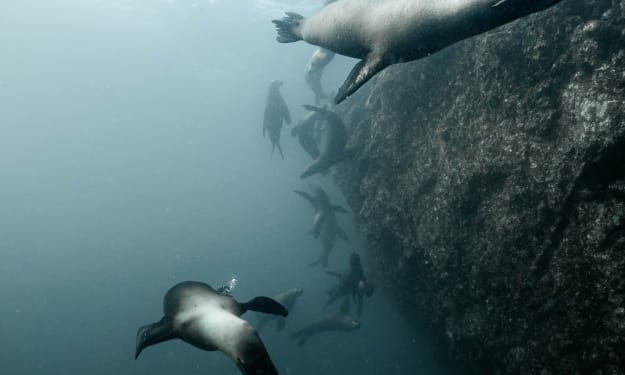
Discover the Enigmatic World of Sea Lions: Nature's Playful Acrobats In the vast expanse of the world's oceans, a fascinating creature roams the waters, captivating all who encounter it with its grace, agility, and undeniable charm. The sea lion, a member of the pinniped family, is a true acrobat of the seas, known for its remarkable ability to swim, dive, and perform incredible aerial maneuvers. Let us delve into the enigmatic world of these playful creatures and explore their captivating behaviors.
By Mr Royal Honey 3 years ago in Earth
Sea Lion Conservation.
Title: Sea Lion Conservation: Protecting our Coastal Guardians Sea lions are fascinating creatures that inhabit the world's oceans and coastal areas. These magnificent creatures are not only a vital part of our marine ecosystem, but they also play a crucial role in coastal communities' cultural and economic well-being. However, sea lion populations around the world have been declining due to a variety of factors, including climate change, overfishing, pollution, and human disturbance. This article explores the importance of sea lion conservation and what we can do to protect these coastal guardians. Sea lions are members of the pinniped family, which also includes seals and walruses. There are several different species of sea lions found throughout the world, including the California sea lion, Steller sea lion, Australian sea lion, and South American sea lion. These animals are known for their incredible agility, speed, and intelligence. They are also highly social and form tight-knit family groups, or colonies, on land. Introduction (100 words): Sea lions, often referred to as the guardians of our coastlines, play a crucial role in maintaining the balance of marine ecosystems. These magnificent creatures are not only a symbol of natural beauty but also vital indicators of the health of our oceans. However, sea lions face numerous threats that jeopardize their existence. This article aims to shed light on the importance of sea lion conservation and the actions we can take to protect these remarkable animals and preserve the delicate ecosystems they inhabit. The Role of Sea Lions (100 words): Sea lions are apex predators and maintain a vital position in the marine food chain. Their diet primarily consists of fish, squids, and shellfish, helping regulate the populations of these species and preventing overpopulation. As they feed on lower-level predators, sea lions indirectly promote the abundance and diversity of smaller fish and invertebrates. Moreover, their excrements contribute nutrients to marine ecosystems, supporting the growth of marine plants and maintaining the health of coastal habitats. Threats to Sea Lions (150 words): Despite their ecological significance, sea lions face numerous threats that put their populations at risk. One of the primary challenges is habitat degradation and loss caused by human activities such as coastal development, pollution, and climate change. These factors disrupt their breeding and foraging grounds, leading to reduced reproductive success and food scarcity. Furthermore, entanglement in fishing gear poses a severe threat, as sea lions can drown or suffer injuries that hinder their ability to hunt or evade predators. Overfishing and depletion of fish stocks also impact sea lions, forcing them to compete with commercial fisheries for food. Conservation Efforts (200 words): To safeguard sea lion populations and preserve their vital role in coastal ecosystems, conservation efforts are imperative. Here are some key initiatives that can contribute to their protection: 1. Habitat Preservation: Protecting critical habitats, such as breeding rookeries and haul-out sites, is essential. Establishing marine protected areas and implementing strict regulations to mitigate human activities in these areas can help reduce disturbance and provide safe spaces for sea lions. 2. Sustainable Fishing Practices: Implementing responsible fishing practices, including monitoring and managing fish stocks, reducing bycatch, and promoting selective fishing methods, will help ensure an adequate food supply for sea lions and minimize competition with commercial fisheries. 3. Education and Awareness: Increasing public awareness about the importance of sea lions and their conservation needs is crucial. Educational programs, campaigns, and outreach initiatives can help promote behavioral changes, such as reducing pollution and supporting sustainable seafood choices. 4. Rescue and Rehabilitation: Establishing rescue and rehabilitation centers to provide care for injured, orphaned, or entangled sea lions can significantly contribute to their survival. These facilities not only treat injured individuals but also raise awareness about the threats they face. Conclusion (150 words): Sea lions are extraordinary creatures that play a vital role in maintaining the health and balance of our coastal ecosystems. Protecting their populations requires collaborative efforts, including habitat preservation, sustainable fishing practices, public education, and rescue initiatives. By recognizing the importance of sea lions and taking proactive steps towards their conservation, we can ensure the continued existence of these coastal guardians for generations to come. Let us strive to create a future where sea lions thrive in healthy oceans, acting as indicators of the well-being of our marine environments and reminding us of our responsibility to protect and preserve the wonders of nature.
By Mr Royal Honey 3 years ago in Earth
Bear Attacks.
There's no denying that bears are fascinating creatures, but they can also be incredibly dangerous. Whether you're an avid hiker, camper, or simply someone who enjoys spending time in the great outdoors, it's important to understand the risks associated with bear encounters and how to stay safe.
By Ayaanahamed3 years ago in Earth