short story
Species Diversity of Sea Turtles.
Title: Species Diversity: Exploring the Different Types of Sea Turtles Introduction (50 words): Sea turtles are fascinating marine reptiles that have been around for millions of years. These remarkable creatures display a wide range of adaptations and characteristics, making them an essential component of marine ecosystems. In this article, we will delve into the diverse world of sea turtles and explore the unique features of different species. Sea turtles are fascinating creatures that have captured the attention and imagination of people all over the world. They are reptiles that live in the ocean, and there are several different types of sea turtles that can be found in different parts of the world. Each type of sea turtle is unique, with its own characteristics and behaviors. In this article, we will explore the different types of sea turtles and their characteristics. 1. Green Sea Turtles (150 words): Green sea turtles (Chelonia mydas) are among the most well-known species of sea turtles. They are named after the green color of their fat, which is due to their herbivorous diet. Green sea turtles can be found in tropical and subtropical waters around the world. These turtles have a streamlined shell and powerful flippers, enabling them to swim gracefully through the ocean. Despite being herbivores, adult green sea turtles have been known to occasionally consume jellyfish and other invertebrates. 2. Loggerhead Sea Turtles (150 words): Loggerhead sea turtles (Caretta caretta) are known for their large heads and strong jaws, which enable them to feed on hard-shelled prey like crabs and mollusks. They have a reddish-brown carapace and are found in both warm and temperate waters. Loggerheads undertake long migratory journeys and are known to nest on beaches in various parts of the world. These turtles face numerous threats, including habitat loss, pollution, and accidental capture in fishing gear. 3. Leatherback Sea Turtles (150 words): The leatherback sea turtle (Dermochelys coriacea) is the largest species of sea turtle and holds the record as the largest living reptile. Unlike other sea turtles, leatherbacks lack a hard shell and have a unique leathery carapace instead. This adaptation allows them to dive to incredible depths in search of their favorite prey, jellyfish. Leatherbacks have a global distribution and undertake extensive migrations across oceans. Unfortunately, they face numerous threats, including entanglement in fishing gear and ingestion of marine debris. 4. Hawksbill Sea Turtles (150 words): Hawksbill sea turtles (Eretmochelys imbricata) are known for their beautiful shells, which have been highly sought after for centuries. These turtles inhabit tropical coral reef ecosystems and feed primarily on sponges. Their slender bodies and pointed beaks allow them to reach into crevices in search of their prey. Hawksbills play a crucial role in maintaining the health of coral reefs by controlling sponge populations. Despite conservation efforts, they are critically endangered due to habitat degradation, poaching, and the illegal wildlife trade. Conclusion (100 words): The world of sea turtles is diverse and captivating, with each species showcasing unique adaptations and ecological roles. Green sea turtles rely on seagrass beds, while loggerheads use their powerful jaws to feed on hard-shelled prey. Leatherbacks have adapted for deep dives to hunt jellyfish, and hawksbills maintain the balance of coral reef ecosystems. Sadly, all sea turtle species face significant threats and are considered endangered or critically endangered. Efforts to protect their nesting beaches, reduce pollution, mitigate fishing gear entanglement, and combat illegal wildlife trade are essential to ensuring the survival of these magnificent creatures and the health of marine ecosystems they call home.Each type of sea turtle is unique, with its own characteristics and behaviors. Unfortunately, all sea turtle species are currently threatened or endangered due to a variety of factors, including habitat loss, poaching, and climate change. It is important that we take steps to protect these amazing creatures so that they can continue to thrive in our oceans. By supporting conservation efforts and taking steps to reduce our impact on the environment, we can help ensure that future generations can continue to enjoy the beauty and wonder of sea turtles.
By Mr Royal Honey 3 years ago in Earth
The Fascinating World of Sea Turtles.
The Fascinating World of Sea Turtles: A Comprehensive Guide Sea turtles are some of the most fascinating creatures on earth. They have been around for over 100 million years, outliving the dinosaurs and adapting to a changing world. These ancient creatures can be found in oceans all over the world and come in a variety of shapes and sizes. Here is a comprehensive guide to the fascinating world of sea turtles.
By Mr Royal Honey 3 years ago in Earth
Setting up an Angelfish Aquarium.
If you're thinking of setting up an angelfish aquarium, congratulations! These graceful and elegant fish are a popular choice for home aquariums, and with good reason. They are relatively easy to care for, have stunning colors and patterns, and can make a wonderful addition to any home. However, before you dive in and start setting up your tank, there are a few things you should know to ensure your fish stay healthy and your aquarium stays beautiful.
By Mr Royal Honey 3 years ago in Earth
Angelfish Habitat and Distribution.
Title: Angelfish Habitat and Distribution: Where Do They Live? Introduction: Angelfish are renowned for their striking beauty, vibrant colors, and graceful swimming patterns, making them a popular choice among aquarium enthusiasts. Found in tropical freshwater environments, angelfish exhibit diverse species and exhibit fascinating behaviors. In this article, we will explore the habitat and distribution of angelfish, shedding light on their natural homes and the factors that contribute to their survival.
By Mr Royal Honey 3 years ago in Earth
Introduction to Angelfish.
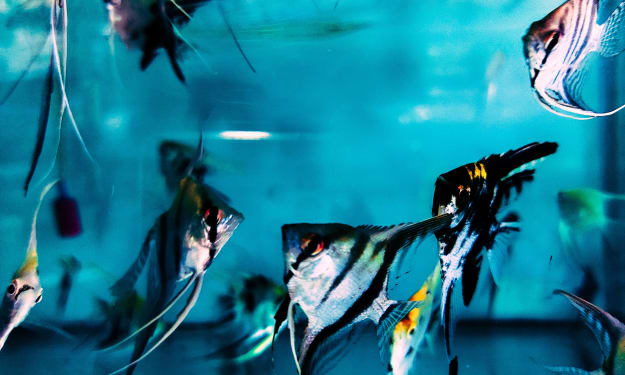
Angelfish: A Stunning Freshwater Species If you're an aquarium enthusiast or simply fascinated by the beauty of aquatic life, the angelfish is a species that is sure to captivate your attention. With its elegant appearance, graceful movements, and vibrant colors, the angelfish is considered one of the most stunning freshwater species available in the aquarium trade. In this article, we will explore the fascinating world of angelfish and discover why they have become such popular inhabitants of home aquariums. Angelfish are one of the most popular and striking freshwater species that can be found in aquariums all over the world. With their unique appearance and graceful movements, these fish are a great addition to any aquarium. Angelfish are part of the cichlid family and are native to the Amazon River basin in South America. They were first introduced to the aquarium hobby in the 1930s and have since become one of the most popular freshwater fish species. Angelfish, scientifically known as Pterophyllum scalare, are native to the Amazon River basin in South America. Their natural habitat consists of slow-moving rivers, flooded forests, and shallow streams. The angelfish's body shape is one of its defining characteristics, with a flat, triangular profile and elongated, trailing fins. Their tall dorsal and anal fins, coupled with their flowing caudal fin, give them an appearance reminiscent of angelic beings, hence their name. What truly sets angelfish apart is their striking coloration. They come in a wide range of vibrant shades, including silver, black, gold, and marble, with a variety of intricate patterns and markings. Their mesmerizing hues can create a captivating display when a group of angelfish swims together in a well-maintained aquarium. Angelfish are known for their peaceful and calm demeanor, making them suitable for community aquariums. However, they can be territorial during breeding or when establishing their hierarchy. To ensure harmonious coexistence, it is recommended to keep angelfish in groups of five or more individuals, allowing them to form their own social structure within the tank. When it comes to the care and maintenance of angelfish, there are a few key factors to consider. Firstly, they require a spacious aquarium with a minimum capacity of 20 gallons to accommodate their adult size, which can reach up to six inches in height. The tank should be well-filtered, as angelfish are sensitive to poor water quality. Regular water changes and the monitoring of water parameters such as temperature and pH are essential for their well-being. Angelfish are omnivorous, meaning they consume both plant matter and small aquatic organisms. In captivity, their diet can consist of high-quality flake or pellet food supplemented with live or frozen foods such as brine shrimp, bloodworms, and daphnia. Providing a varied diet ensures their nutritional needs are met and enhances their vibrant coloration. Breeding angelfish can be a rewarding experience for aquarium enthusiasts. To encourage breeding behavior, a separate breeding tank should be set up, equipped with broad-leaved plants or spawning cones where the fish can deposit their eggs. The water temperature should be slightly raised, and regular water changes are recommended to stimulate spawning. Once the eggs are laid, the parents diligently guard and tend to them until they hatch. It is important to note that angelfish are not the easiest species to breed successfully, as it requires specific conditions and careful monitoring. However, witnessing the entire breeding process, from the initial courtship displays to the emergence of the fry, can be an incredibly gratifying experience. In conclusion, angelfish are undeniably one of the most visually stunning freshwater species available to aquarium enthusiasts. Their elegant appearance, vibrant colors, and peaceful demeanor make them a popular choice for both beginner and experienced hobbyists. By providing them with a suitable environment, a balanced diet, and proper care, you can enjoy the beauty and grace of angelfish right in the comfort of your own home. So, why not dive into the enchanting world of angelfish and add a touch of elegance to your aquarium?
By Mr Royal Honey 3 years ago in Earth
"The Rise of Sustainable Living: A Blueprint for a Greener Future"
Introduction: In recent years, there has been a significant shift in global consciousness toward sustainable living. People from all walks of life are increasingly recognizing the urgent need to take responsibility for our planet and make conscious choices that benefit not only ourselves but also future generations. From individuals to communities and even entire nations, the interest in sustainable living has reached an all-time high. In this article, we will explore various aspects of sustainable living and delve into the reasons why it has become an essential topic of interest for people around the world.
By AHMED BUTT3 years ago in Earth
Deforestation: Unveiling the Causes and Unraveling the Effects on Our Planet
Introduction: Deforestation, the deliberate removal or destruction of forests, is a critical environmental issue that affects ecosystems, biodiversity, and the global climate. In this comprehensive article, we delve into the causes and effects of deforestation, examining the underlying drivers behind this destructive practice and exploring the far-reaching consequences it has on our planet.
By AHMED BUTT3 years ago in Earth
UNSOLVED MYSTERIES AND THE WONDERS OF THIS WORLD
Let us embark on an exciting expedition through some remarkable wonders of the world and universe. Brace yourself to be completely mesmerized as I unveil enigmatic secrets that have left scientists, historians, and stargazers perplexed. Along with supernatural videos, these subjects are among my top favorites to discuss, and if you crave more, I urge you to delve deeper into them. My objective is for this piece to serve as a gentle reminder of just how extraordinary the world and the universe are and that we should pause to appreciate the magnificence that surrounds us.
By Emereole Francis3 years ago in Earth