
Israel and the Moral Debate
Examining Why Many Around the World Criticize Israel’s Actions

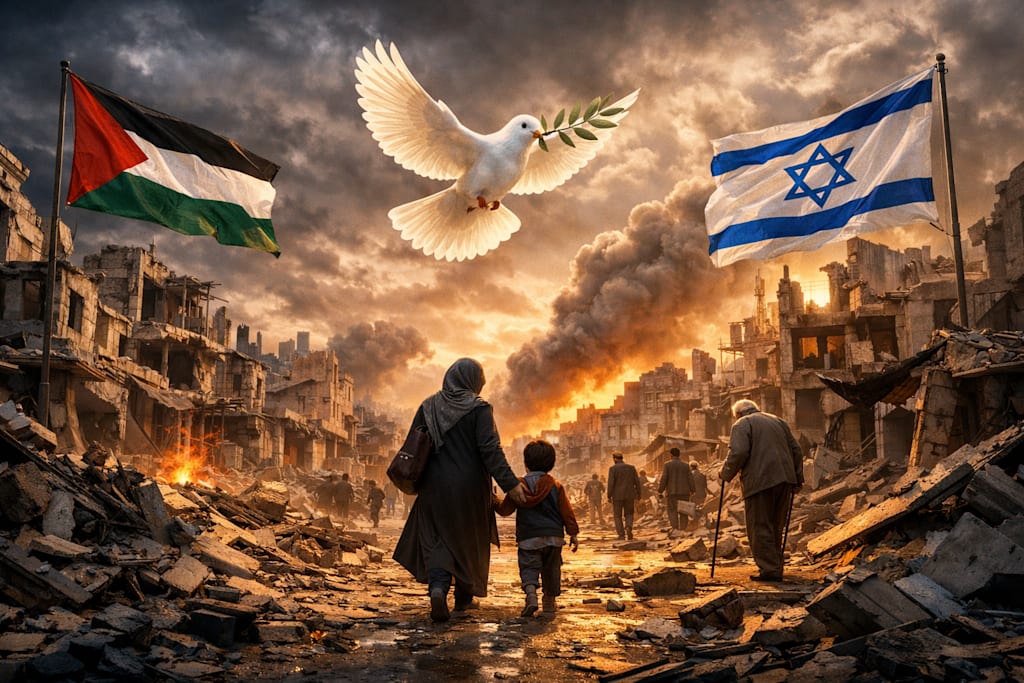
Israel and the Moral Debate
The debate surrounding Israel has become one of the most emotional and controversial issues in modern global politics. Around the world, millions of people view Israel as acting unjustly, particularly in its treatment of Gaza Strip and West Bank. These criticisms often stem from humanitarian concerns, military actions, and long-standing political conflicts with Palestine.
For many observers, the primary reason Israel is viewed negatively is the humanitarian situation in Gaza. Gaza is one of the most densely populated areas in the world, where civilians—including women and children—often suffer the most during military conflicts. Critics argue that Israeli military operations have caused widespread destruction of homes, hospitals, and schools. Images of destroyed neighborhoods and displaced families frequently circulate on social media, shaping global public opinion and fueling anger toward Israel.
Another major issue is the blockade imposed on Gaza. Many international organizations, including United Nations and Human Rights Watch, have raised concerns about restrictions on food, medicine, fuel, and other essential supplies entering Gaza. Critics argue that such policies worsen humanitarian crises and punish civilians rather than addressing security threats. This has led many people to describe Israel’s actions as harsh or even unjust.
The expansion of Israeli settlements in the West Bank is also widely criticized. These settlements are communities built by Israeli citizens in territories that Palestinians claim for a future state. Much of the international community considers these settlements illegal under international law. Critics argue that continued expansion reduces the possibility of peace and increases tensions between Israelis and Palestinians. The presence of checkpoints, restricted movement, and land disputes further contributes to frustration among Palestinians.
Military responses also play a significant role in shaping Israel’s image. During conflicts between Israel and groups like Hamas, Israel often launches airstrikes in response to rocket attacks. While Israel argues that these operations are necessary for self-defense, critics say the scale of destruction is disproportionate and affects innocent civilians. This imbalance in power—between a modern military and a population with limited resources—adds to the perception that Israel acts unfairly.
Media coverage has amplified these concerns. News outlets and social media platforms frequently show emotional footage of injured civilians, destroyed infrastructure, and families searching for loved ones. These powerful visuals shape global narratives and influence how people perceive Israel’s actions. As a result, protests supporting Palestinians have taken place in cities around the world, from London to New York City and Istanbul.
However, it is also important to understand that the conflict is complex. Israel argues that it faces ongoing security threats and must protect its citizens from attacks. Israeli officials often point to rocket fire, border tensions, and militant activity as reasons for military operations. Supporters of Israel believe that the country has the right to defend itself, just like any other nation.
Still, the humanitarian impact remains the central concern for critics. The loss of civilian lives, destruction of infrastructure, and displacement of families create long-lasting suffering. These realities drive many people to describe Israel’s actions as morally wrong or unjust. For them, the issue is not just political—it is deeply human.
The conflict has also affected global diplomacy. Calls for ceasefires, peace negotiations, and humanitarian aid continue to come from international leaders and organizations. Many people believe that long-term peace can only be achieved through dialogue, compromise, and respect for human rights on both sides.
Ultimately, the perception of Israel as “evil” comes from anger, frustration, and sadness over human suffering. While opinions differ widely, one thing remains clear: the conflict continues to impact millions of lives. The world watches closely, hoping for peace, stability, and justice for everyone involved.
The future depends on diplomacy, understanding, and the willingness of all sides to move toward peace. Until then, the debate surrounding Israel will remain one of the most discussed and emotionally charged issues in global politics.
About the Creator
Wings of Time
I'm Wings of Time—a storyteller from Swat, Pakistan. I write immersive, researched tales of war, aviation, and history that bring the past roaring back to life
Enjoyed the story? Support the Creator.
Subscribe for free to receive all their stories in your feed.
Comments
There are no comments for this story
Be the first to respond and start the conversation.