
I’m Going To Be Starting The #SpecialNeedsLivesMatter Movement, Because I Believe The World Still Has Work To Do In This Area
Please help me break the stigma and read this article I’m going to writing about ableism and how we can stop it and treat it just like racism and other “isms”!

As I've stated in previous stories, articles and poems, I've been living with special needs since I was 2 years old. It's been quite a long haul for me to get to where I currently am at this point in my life. Without all the necessary support and care I've received from educators, my family, my friends, mental health professionals, support workers and doctors, my life would be in disarray by now! I'm glad that's not the case, because I've gotten and currently receive the assistance, care and encouragement to ensure I'm living healthily, safely and purposefully in my community.
I'm thrilled with all the progress that society has made to design inclusive, safe, healthy, and accessible communities for people with disabilities to participate in, but there's still some work to do. People with disabilities are still the victims of bullying, abuse, harassment, and become unemployed due to stigma in the workplace.
This absolutely need to come to an end!
To fully grasp what we need to do to improve our world for people with disabilities, I'd like to share something critical with you!

The definition of ableism
Aaccording to Access Living, ableism refers to the discrimination of and social prejudice against individuals with disabilities, based on the belief that typical abilities are worthier. Ableism is embedded in the assumption of that people with disabilities need "to be fixed" and defines people by their disability. Like racism and sexism, ableism categorizes entire groups of people are "less worthy", and it includes dangerous stereotypes, misunderstandings, and generalizations of people with exceptionalities.
Ableism can be displayed in various ways, but here are a few ways of showing ableism:
- Separating students with special needs into different schools
- Facilities without Braille on signs, elevator buttons, etc.
- The use of restraint or division as a way to manipulate students with special needs
- Mocking people with special needs
- Being reluctant to give people with special needs appropriate accommodations to ensure success in the community, at school, and at work
- Questioning someone about the severity of their disability
- Infantilizing a person with special needs

How can we prevent ableism?! Here are some ways we can prevent ableism!
- Validate the other persons feelings
- Educate your children and family members about ableism
- DO NOT touch someone with a disability or their mobile equipment without their permission
- DO NOT accuse people of lying about their disability
- Listen to others when they are requesting reasonable accommodations
- Keep intrusive questions to yourself
- Consider accessibility needs when planning an event, meeting, party, etc.
- Let the person speak for him/herself unless she/he asks you to speak on his/her behalf
- Encourage others to pursue their interests, despite his/her cognitive and mental abilities

What was the driving force for this Vocal story and this movement I want to start?!
During the COVID-19 pandemic, I had a heap of time to reflect on not just my personal life, but also what the world has become. More than ever before, people are becoming meaner, less accepting, reckless, and self-entitled. Maybe too much exposure to social media and propaganda has induced such harm to our communities?! Maybe people are being brainwashed and naïve?! I presume this may be the case.
Although ableism has unfortunately been around for years, there's still ableism going around and IT NEEDS TO STOP! If we don't stop ableism and don't consider it a deplorable thing, people with disabilities will face more stigma and our precious communities will be contaminated with such hatred.
A week ago, I asked myself a question that no one has asked themselves before: Why do we take so much time out of our busy lives to educate people about the essence of racism, sexism, ageism, and anti-Semitism and how detrimental these "isms" are to society, but not ableism?! This was a headscratcher for me, since many people have asked me what ableism is. If they know what racism, sexism, ageism or anti-Semitism is, why can't they know what ableism means? It angered me very much, because it made myself and others with special needs believe that we don't amount to anything, but that the elderly, people of racialized and LGBTQ communities are worth being considered.
This is why I want to begin the #specialneedslivesmatter movement! I want to put an end to ableism and treat it just like racism, sexism, ageism, and anti-Semitism, because it's just as despicable as racism, sexism, ageism, and anti-Semitism.
I'd like to share a poem I wrote about the concept of ableism. Hopefully, this will give you further insight on it.

The Ableism Card
Ableism is
an abomination to society.
It contaminates our communities
with such hatred towards our special people.
The ableism card
should never be passed around
to one another.
It should be seen
as another one of those
"ism" cards to remain concealed.
Ableism is
an iniquitous act.
It's like shooting bullets
towards a special needs persons head.
The ableism card
should remain unseen
and be disposed in the trash can.
It's like having a free pass
to bully people with disabilities
and get away with it.

What else can we do to celebrate people with disabilities?
Just like national holidays like Black History Month, and International Women's Day, holidays like Disability Pride Month, Autism Acceptance Month and Mental Health Awareness Month should be celebrated in workplaces, schools, public libraries and other community settings. Thankfully, it's being recognized on social media.
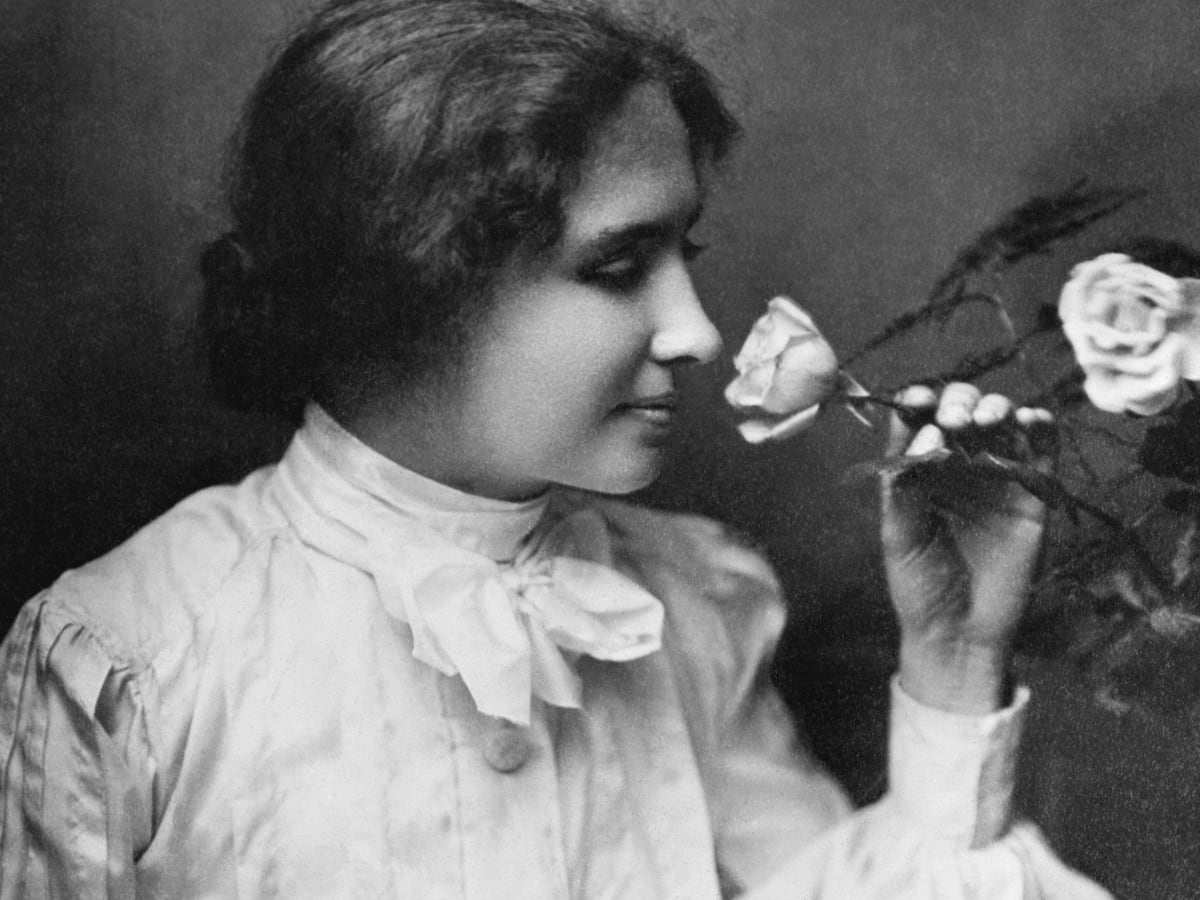
I believe it'd be nice for the community to not only learn about the effects of ableism and the benefits of inclusion to our communities, but to celebrate all the people with special needs who've made positive contributions throughout history. Influential people with disabilities such as Temple Grandin, Helen Keller, Stephen Hawking, and Frida Kahlo have made amazing contributions to our society. If they weren't around, I believe that the world would be boring and less equipped. Our world is more fascinating and colourful, because these people made our world better by proving us wrong!
Thank you for taking the time to read another one of my stories. If you enjoyed this poem, please give it a ❤️, share it with others, comment and send me a tip/pledge to show your appreciation and support. To find and read more exciting content, please consider subscribing and visiting my public profile. Stay tuned for more awesome content!
I also encourage you to support me by sharing, copying and pasting the #specialneedslivesmatter hashtag. Let's break the stigma together!
Please feel free to connect with me outside of Vocal!
IG: @tdwrites24
FB: Talia Devora
Please take some time to read about some of the most influential people with disability by clicking on the link below!
About the Creator
Talia Devora
Poetess, entrepreneur, visual artist, DIY lover, recreation and leisure enthusiast, history buff, and a foreign language addict!
Let’s connect and be friends!
Enjoyed the story? Support the Creator.
Subscribe for free to receive all their stories in your feed.
Comments
There are no comments for this story
Be the first to respond and start the conversation.