The Life-Extending Conundrum
View DetailsThe Winners!
Après-coup. Second Place in The Life-Extending Conundrum Challenge. Content Warning.
I am here. Her eyes are red. "How were they red?" you ask. Shattered capillaries. She's been smoking. It doesn't make her less angry, just more paranoid. But she hurts too. I can see she's been crying. She slumps, half against the wall, half on the doorway, weed smoke curling from the ashtray in her hand.
By Addison Alder2 years ago in Longevity
The Prometheus Gene. Runner-Up in The Life-Extending Conundrum Challenge.
Dr. Francesca Crickson—Frankie, if you met her in a bar or at the kind of lecture where they served pinot in plastic cups—did not mean to upend death. But death, like most overrated institutions, was due for disruption.
By E.K. Daniels2 years ago in Longevity
No Contest. Runner-Up in The Life-Extending Conundrum Challenge.
They don’t know how angry I am. Nanobot technology was supposed to heal bodies, right? Knit up torn tendons, fix broken bones faster, snip out those nasty cancer cells. Once the side effects were made known, hunh, suddenly no one without a couple million in the bank could even hope to find it available.
By Meredith Harmon2 years ago in Longevity
Quality of Life. Runner-Up in The Life-Extending Conundrum Challenge.
It started with world-renowned reality show star and pilates instructor Patty Faynor. On Good Morning America in the year 2027, she sat down and announced to a skeptical crowd that she had found The Perfect Diet.
By Raistlin Allen2 years ago in Longevity
Children of the Sun. Runner-Up in The Life-Extending Conundrum Challenge.
It was a perfect day. The cerulean sky above was completely cloudless and the late morning sun burned bright above; the wind was calm, little more than a gentle breeze. Behind me, I could hear the sounds of brunch being served over by the hotel’s opulent outdoor dining area; the clinking of silverware and soft, indecipherable speech dotted with superficial laughter.
By Bailey Bainbridge2 years ago in Longevity
The Weight of Forever. Runner-Up in The Life-Extending Conundrum Challenge.
The first time Isla rode the elevator up through the clouds she forgot to breathe. Below her, the city flickered, old neon signs, expansive holographic ads begging for attention as they fought the ever-present rain and hazy smog that covered the city in perpetual dusk. The higher the elevator rose, the less Isla could smell the rust, the carbon.
By Sandor Szabo2 years ago in Longevity
A Recount on the Whereabouts of the Eternity Machine. Runner-Up in The Life-Extending Conundrum Challenge. Content Warning.
The following letter is an account of a nautical journey that our scientist, Dr Milward, received after the issue of being unable to locate his most recent invention which was previously believed to have been a fantasy. Since we have confirmed that the invention exists, we are currently looking into its whereabouts. This is an emergency situation. The item must be located as soon as physically possible.
By Annie Kapur2 years ago in Longevity
The Genesis Flower. Runner-Up in The Life-Extending Conundrum Challenge.
Delilah woke up with a gasp and had to restrain herself from shooting right out of bed. It wasn’t because she had a dream. Heck, she didn’t remember if she even had one or not. It was because today, could be the day that she and her husband, Arnold, had been waiting for. Today could be the day she and Arnold would finally receive what they have longed for. Ached for.
By Rebecca Patton2 years ago in Longevity
Resurrection. Runner-Up in The Life-Extending Conundrum Challenge. Content Warning.
Memories of pain chased Enver out of the infinite. They howled at the heels of his consciousness, forcing his eyes to snap open just so that he could escape the phantom claws that tried to rend his sanity. Cold greeted his slowly awakening senses; a sterile, harsh cold that had always felt wrong to him. Improper. Abhorrent.
By Alexander McEvoy2 years ago in Longevity
CodinG The ChAos. Runner-Up in The Life-Extending Conundrum Challenge.
April 2036 Dr. Irina Vernydub taps her heel nervously as she sits in a sterile non-descript office facing a monstrous mahogany desk. The office belongs to the director of the ROHGUE (Research in Optimizing the Human Genome for Unlimited Evolution) project, a man she has only seen from afar until now.
By Alyssa Musso2 years ago in Longevity
Replacement. Honorable Mention in The Life-Extending Conundrum Challenge.
Theseus’ eyes opened, blinking as they adjusted to the light. It was a little easier than yesterday, but after being closed so long, he was still struggling to get used to his new eyes. As he looked around his bedroom, everything seemed to blur together in a bright dance of shape and color. Gradually, the forms fell into place, but he still found himself a bit overstimulated. He closed them again. Was this how I saw things before? he wondered. He’d needed glasses for so long, he’d forgotten what things were supposed to look like. He looked over at his old progressives sitting peacefully on the nightstand next to the small stack of large print books. “Won’t be needing those anymore,” he chuckled to himself. A bit disoriented, he got out of bed and walked to the kitchen.
By Hannah Patterson2 years ago in Longevity
Almost forever. Honorable Mention in The Life-Extending Conundrum Challenge.
"Will it hurt?" "What?" "Will it hurt?" "Lawrence, you own the biggest analgesia producer in the world, among your many, many startups and acquisitions. Does anything ever need to hurt for you?"
By Raymond G Taylor5 months ago in Longevity
Quantum Symbiosis!. Honorable Mention in The Life-Extending Conundrum Challenge.
Prologue: The Breakthrough By 2037, her research had coalesced into what came to be known as Quantum Cellular Symbiosis (QCS)—nanoscale quantum processors introduced into the human bloodstream that created symbiotic relationships with living cells. These quantum nodes interweaved with human DNA to establish a dynamic feedback loop for the prevention of telomere degradation, the optimization of mitochondrial function, and the removal of accumulated cellular damage.
By Neli Ivanova2 years ago in Longevity
First Gen. Honorable Mention in The Life-Extending Conundrum Challenge.
Parts. Always the search for parts. We each have different methods of searching. Search, we all do. From the back of Block 1 Scrap Cubicle C, my eyes scan the concrete floor, empty. The scavengers have gone by now and with them, every odd or end has disappeared too. What remains are eight wooden chairs set up around the perimeter of the room - Cubicle C. It is one of many large, grey rooms, of many large, grey Blocks. Even-numbered Blocks for civilians, odd-numbered Blocks for scrap. All grey.
By sleepy drafts2 years ago in Longevity
Breakthrough. Honorable Mention in The Life-Extending Conundrum Challenge.
Dr. Beatrice Yunez didn’t shout “Eureka” as ancient Greek scientists might have. Instead, she carefully double-checked the bloodwork of the mice in front of her. They nibbled on their pellets, unimpressed with her observation. She’d spent the past three years with them, day in and day out.
By Alison McBain2 years ago in Longevity
The 8000th Immortal. Honorable Mention in The Life-Extending Conundrum Challenge.
Script for Live Feed: Nummy, 13 June, 17:30 Good afternoon, Chat, and a very special hello to all you Nummy Nibblers who subscribe at the platinum level and above. I love you so much!
By Deanna Grey2 years ago in Longevity
Now Hiring: Aripiprazole Administerer. Honorable Mention in The Life-Extending Conundrum Challenge.
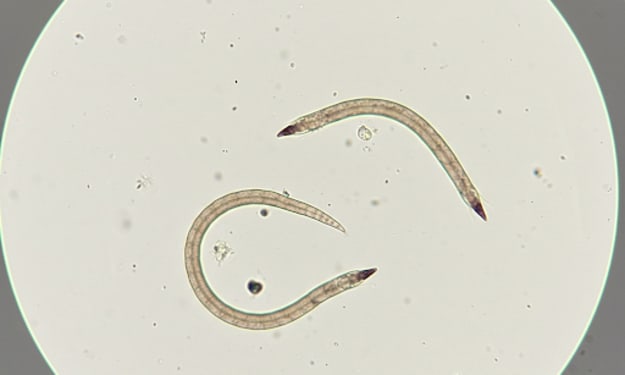
Would you believe that the key to eternal life wasn’t a holy grail, or a fountain spring, or even God himself? It came from roundworms. Well not exactly, but it was through roundworms that the key was discovered – in 2022, Jiang, et al, by running tests on the parasites, discovered that “The clinically approved antipsychotic aripiprazole holds potential as a novel anti-aging drug.”
By E. L. Stacy2 years ago in Longevity

























































All the great Submissions
The Immortalis Protocol: A New Dawn or the End of Humanity?
The Birth of Immortality: A Promise Fulfilled? In the year 2045, the world stood on the precipice of a new era. A team of scientists at HelixCorp had unveiled what was, without doubt, the most groundbreaking discovery in human history: the Immortalis Protocol. A fusion of advanced nanotechnology and genetic reprogramming, the protocol not only halted aging but reversed cellular degradation. For the first time, death by natural causes was no longer inevitable. Humanity had cracked the code of mortality.
By Alain SUPPINI2 years ago in Longevity
Everything Happens for a Reason: The Power of Letting Go
Life often unfolds in ways we don't fully understand at the moment. Some events bring joy, while others bring pain, disappointment, or betrayal. In times of hardship, it is natural to wonder why certain things happen and whether there is a purpose behind them. Many believe that everything happens for a reason, even if that reason is not immediately clear. This perspective can provide comfort and clarity, helping us navigate life's challenges with resilience rather than resentment. It can also shape our response to adversity, especially when it comes to the temptation of revenge. When something painful occurs, whether it is betrayal by a friend, loss of an opportunity, or an unexpected setback, it is easy to react with anger. The desire for revenge can feel like a way to restore balance, to make the other person feel the pain they inflicted. However, revenge often leads to a cycle of negativity rather than true resolution. Instead of bringing peace, it keeps a person trapped in bitterness, preventing them from moving forward. Life has a way of correcting itself in ways we may not expect, and seeking revenge can interfere with the natural course of things. Sometimes, setbacks serve as redirections rather than mere obstacles. Losing a job might push someone toward a better career opportunity. A broken relationship may open the door to meeting someone more aligned with one's values. Betrayal from a friend might reveal their true nature, preventing deeper harm in the future. If one acts with vengeance in such moments, they may miss out on the greater lesson or opportunity hidden within the experience. Painful events, as difficult as they may be, can be a form of guidance rather than just punishment. Choosing not to take revenge is not about being weak or accepting wrongdoing. It is about understanding that actions have consequences beyond immediate satisfaction. A person who wrongs another will face their own lessons in due time. Life has a way of holding people accountable, often in ways that are more fitting than anything one could plan. Letting go of the need for revenge frees the mind from dwelling on negativity and allows a person to focus on their own growth and happiness. Anger and resentment can be consuming, draining energy that could be directed toward self-improvement. Revenge keeps the mind fixated on the past, making it difficult to embrace new opportunities. Instead of plotting ways to get back at someone, energy can be used to build a better future. Success and personal growth are often the best responses to betrayal or loss. Moving forward with dignity and purpose is a greater victory than seeking to harm another person. Forgiveness does not mean forgetting or excusing harmful behavior, but it does mean releasing oneself from the burden of carrying hatred. It is not about the other person but about personal peace. When someone holds onto anger, they give power to the one who hurt them. Letting go allows them to reclaim that power and move on with strength. People who dwell on revenge often find themselves consumed by it, while those who let go discover a sense of freedom. Time often reveals the reasons behind life's challenges. What seems unfair today may later be understood as a necessary lesson or turning point. Life has a way of arranging circumstances in ways that eventually make sense, even if they seem painful at first. Holding onto the belief that everything happens for a reason can help a person remain patient and hopeful rather than vengeful. Not every painful experience comes with an immediate explanation, and not every loss feels justified. However, revenge does not provide true closure. True healing comes from within, from choosing to focus on the future rather than the past. Those who trust in life's unfolding process find that justice often happens in its own way and in its own time. There is strength in choosing peace over retaliation, in believing that even the hardest moments have a purpose that will be revealed in time.
By Nora Ariana2 years ago in Education
The Hidden Dangers of Parental Favoritism
Parents play a crucial role in shaping their children's emotional well-being, self-esteem, and overall development. However, one of the most significant mistakes some parents make is showing favoritism by loving one child more than the others. This mistake can have long-lasting consequences for all the children involved, leading to resentment, low self-worth, and fractured family relationships. Favoritism is not always intentional, but its effects are profound and damaging. Children who feel less loved or neglected may struggle with self-esteem, trust issues, and even mental health challenges. On the other hand, the favored child may develop entitlement, lack of empathy, or unrealistic expectations in life. Parents must recognize the importance of loving all their children equally, ensuring they all feel valued, appreciated, and secure. One of the biggest mistakes parents make when they love one child more than the others is creating sibling rivalry. When children sense that one sibling is the favorite, they naturally develop resentment toward that child. This resentment can lead to constant arguments, jealousy, and competition, making it difficult for siblings to have a healthy relationship. Instead of fostering a supportive and loving family environment, favoritism creates tension and conflict. Siblings who grow up in such environments may carry these negative feelings into adulthood, resulting in lifelong strained relationships. Another consequence of favoritism is the emotional damage it causes to the unfavored child. A child who feels unloved or less important than their sibling often develops deep-seated insecurities. They may question their worth, wondering what they did wrong to deserve less love. Over time, this can lead to feelings of rejection, anxiety, and even depression. Many children who experience favoritism grow up with a persistent fear of abandonment and struggle to form healthy relationships. They may also develop perfectionist tendencies, constantly trying to prove themselves to earn their parents' love and approval. The favored child, while appearing to benefit from the extra attention and love, also faces negative consequences. When a child is excessively praised or given special treatment, they may develop an inflated sense of self-importance. This can lead to entitlement, arrogance, and difficulty handling failure or criticism. The favored child may struggle to build meaningful relationships outside the family because they expect the same special treatment from others. Additionally, when parents favor one child, they place immense pressure on that child to meet their expectations. This burden can be overwhelming, leading to stress and anxiety. Another significant mistake parents make when loving one child more than the others is damaging the overall family dynamic. A home should be a place where all children feel safe, loved, and valued. However, when favoritism exists, the family environment becomes toxic. The less favored children may withdraw emotionally, avoiding interactions with their parents and siblings. Over time, the entire family unit becomes fragmented, making it difficult to maintain a strong bond. Parents who favor one child unknowingly create an environment where love feels conditional, which affects everyone in the household. Favoritism can also impact a child's academic and professional growth. Children who feel unloved or overlooked may struggle with motivation in school or other aspects of life. They may develop a mindset that no matter how hard they try, they will never be good enough, leading to poor academic performance and a lack of ambition. On the other hand, the favored child may grow up with unrealistic expectations of success, believing that opportunities should always be handed to them. This can create difficulties later in life when they face real-world challenges that require hard work, resilience, and perseverance. One reason parents may show favoritism is because they see themselves in one child more than the others. For example, a parent who excelled in academics may feel more connected to the child who shares the same interests while unintentionally neglecting the child who prefers sports or creative activities. Another reason is birth order, where firstborns or youngest children are often favored for different reasons. Some parents also show favoritism due to cultural beliefs, gender preferences, or even personal unresolved childhood issues. Regardless of the reason, favoritism is harmful and should be addressed. It is essential for parents to love all their children equally because children need unconditional love to develop into confident, well-adjusted adults. Every child deserves to feel valued, heard, and respected. When parents distribute their love fairly, they create a stable and nurturing environment where all children can thrive. Equally loved children develop stronger emotional resilience, better social skills, and healthier relationships with their family and peers. They are more likely to grow up with a positive self-image and a sense of belonging. Loving all children equally also teaches valuable life lessons about fairness and empathy. Children learn from their parents' actions, and when they see love being distributed fairly, they develop a stronger sense of justice. They understand the importance of treating others with kindness and respect, which benefits them in their future relationships and careers. A child who grows up in a fair and loving household is more likely to be compassionate and understanding toward others. Another reason why parents should love all their children equally is to strengthen family bonds. A united family is built on mutual respect, love, and understanding. When parents treat all their children with fairness and affection, they create a home filled with trust and security. This strong family bond becomes a source of emotional support throughout life. Children who feel loved equally are more likely to maintain close relationships with their siblings and parents even as they grow older. Loving all children equally also helps prevent long-term emotional scars. The pain of feeling unloved by a parent can last a lifetime. Many adults who experienced favoritism as children struggle with deep emotional wounds that affect their relationships, self-esteem, and mental health. Some spend years trying to heal from the emotional neglect they felt growing up. By ensuring that all children receive equal love and attention, parents can prevent this long-term damage and help their children grow into emotionally healthy individuals. Another important reason parents should avoid favoritism is to promote a sense of individuality in their children. Each child has unique talents, personalities, and interests. When parents show favoritism, they often discourage the less favored child from embracing their individuality, making them feel that they need to be like the favored child to be loved. On the other hand, when parents love all their children equally, they encourage them to pursue their own passions without feeling compared to their siblings. This helps children build confidence in their abilities and develop a strong sense of self. It is also crucial for parents to love all their children equally because doing so fosters a culture of teamwork and cooperation. Siblings who feel equally loved are more likely to support and uplift one another. They grow up understanding the importance of working together and celebrating each other’s successes instead of feeling threatened by them. This positive dynamic extends into adulthood, where siblings maintain strong relationships and provide support through life's challenges. Favoritism can also have negative effects on the parents themselves. Parents who show favoritism may unknowingly create resentment in their children, leading to estrangement in later years. Many adults who felt neglected by their parents grow distant from them, limiting contact or cutting ties altogether. This can lead to loneliness and regret for parents who later realize the damage caused by their favoritism. By loving all children equally, parents can ensure that they maintain strong and lasting relationships with all their children. Parents should strive to love all their children equally to create a healthy, happy, and supportive family environment. While it may be natural to feel a stronger connection with one child due to shared interests or personality similarities, it is crucial to ensure that all children feel valued and appreciated. Parents should make a conscious effort to spend quality time with each child, acknowledge their individual strengths, and express love in ways that resonate with each child's needs. When all children feel equally loved, they grow up with confidence, emotional security, and the ability to form strong and meaningful relationships.
By Nora Ariana2 years ago in Families
Less Than a Thousand Words
I hung up the phone, this journey was completely surreal. They chose me. They decided that out of millions of people I would be the first in the world to receive extension 21 or EXT. 21. 21 more years of life. It’s me. I’m the first. The first human trial. Years of progress, years of testing and my day is finally here. March 24th and I’d be living for a full extra 21 years. Of course the side effects would suck at first and for the first few months I’d be under observation in a hotel to make sure everything was going well. It made sense that they would choose someone like me who is older, but not so old that I would die of natural causes like getting a heart attack or embolism or stroke. Plus all my blood work had positive results.
By Adrianna M. Braun2 years ago in Longevity
The Eternal Quest: Unraveling the Purpose Behind Humans' Insatiable Desire for More
The Eternal Quest: Unraveling the Purpose Behind Humans' Insatiable Desire for More In the vast tapestry of human existence, one thread weaves through the fabric of history, binding individuals and societies together: the insatiable desire for more. This perpetual hunger, deeply ingrained in human nature, manifests in various forms – from the pursuit of wealth and power to the quest for knowledge and enlightenment. While often perceived as a driving force behind materialism and consumerism, could this relentless quest for more serve a higher purpose, guiding humanity towards growth, innovation, and self-discovery?
By Ahmet Kıvanç Demirkıran3 years ago in Psyche
Eterna: The Death of Immortality. AI-Generated.
**Eterna: The Death of Immortality** *When science conquers mortality, what remains of humanity?* Dr. Elias Vance stood before the gathered elites of the world, his hands clasped in victory. Behind him, a glass chamber housed the culmination of his life’s work: **Eterna**, a serum capable of halting cellular degradation indefinitely. The packed auditorium sat in breathless silence, waiting for the final words that would forever redefine life itself.
By Ahmet Kıvanç Demirkıran2 years ago in Longevity