cybersecurity
Cracking the cyber world: NSA, hackers, and the complicated ways that digital information can threaten our personal lives, politics and national security.
The Balcony and the Echo: Timing, Tradition, and the Battle for Attention
Another year, another Trooping the Colour, and once again London finds itself wrapped in ceremony. The air feels familiar, almost rehearsed. Crowds gather along the Mall, cameras are poised, and the steady beat of drums announces the arrival of a tradition that has endured for generations. This is more than spectacle—it is continuity made visible.
By Behind the Curtain3 months ago in The Swamp
What the Border Numbers Actually Show
The argument over whether the true number was 14 million, 16 million, or 20 million points to a larger failure. The government failed to give the public a reliable answer about who came in, who stayed, who was released, who disappeared, who gave false information, who had criminal history, who had foreign ties, who received meaningful vetting, and who could be found and removed later.
By Peter Thwing - Host of the FST Podcast3 months ago in The Swamp
Op-Ed: Calling Sin a Sin Is Not Bigotry (Part 5). Content Warning. AI-Generated.
Series Note: This article expands the argument beyond the specific dealership call and beyond female-coded social aggression. The earlier articles examined a particular example, then moved into the broader problem of social aggression and identity-based deflection. This article addresses the deeper moral principle: no person should be protected from accountability because of sex, race, religion, sexuality, nationality, political tribe, trauma, victim status, social class, or any other identity category. Evil conduct remains evil conduct, even when the person doing it belongs to a group society has been trained to protect.
By Peter Thwing - Host of the FST Podcast4 months ago in The Swamp
The Outrage Economy
It is ironic how similar the structures are on both sides. ActBlue and WinRed may serve opposite political teams, but they operate within the same kind of incentive system: turn moral outrage into money, lists, mobilization, and political power.
By Peter Thwing - Host of the FST Podcast4 months ago in The Swamp
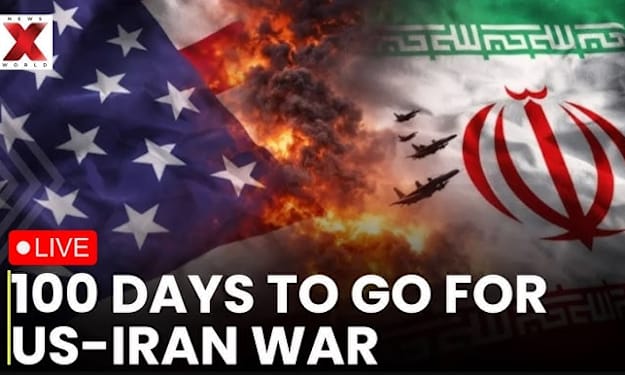
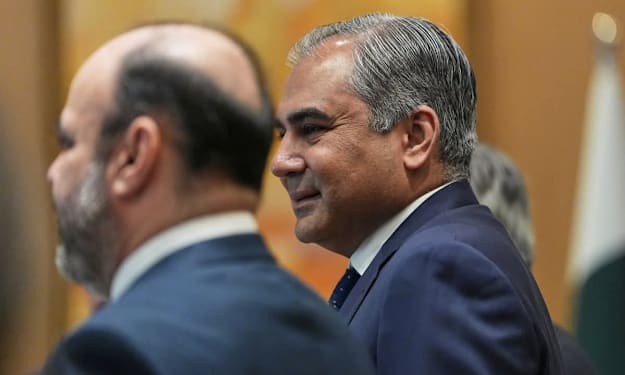
Pakistan’s Naqvi Visits Iran with Special Letter for Supreme Leader
Tehran, June 2026 — Pakistan’s Interior Minister Mohsin Naqvi arrived in Tehran on a significant diplomatic mission, carrying a special letter and message from Pakistan’s top civilian and military leadership to Iran’s Supreme Leader, Ayatollah Seyyed Mojtaba Khamenei. The visit comes at a time of heightened regional tensions and growing diplomatic efforts aimed at reducing instability across the Middle East.
By shaoor afridi4 months ago in The Swamp
WW3 Coming Soon
WW3 Coming Soon The fear of a Third World War has returned to global discussions because of rising political tensions, military conflicts, economic rivalry, and growing mistrust between powerful nations. Many people wonder whether humanity is moving toward another devastating global conflict similar to World War I and World War II. While there are many causes of international tension, experts believe one major reason could again lead the world into great wars: the struggle for global power and dominance.
By Wings of Time 4 months ago in The Swamp
FAQ: Remote Work in 2026 — All Answers Inside
Everything You Need to Know About Remote Jobs, Work-From-Home Careers, Productivity, and the Future of Digital Work Remote work is no longer just a temporary trend—it has become a major part of the modern global workforce. By 2026, companies around the world are continuing to adopt flexible work models, while millions of professionals are choosing remote careers for better work-life balance, freedom, and income opportunities.
By Robert Redford4 months ago in The Swamp
When Intent Is Unprovable, Outcomes Still Matter
Accountability Cannot Depend on Mind Reading One of the most effective defenses a powerful system can use is the demand for provable intent. When harm becomes visible, the answer often comes quickly: nobody meant for this to happen. No one intended harm. There is no evidence of malice. That response can sound reasonable because intent does matter. A deliberate act is morally different from an accident. Motive can clarify the character of an action. But intent cannot be the only doorway into moral judgment, especially when the system being judged is large enough to hide motive behind layers of process, policy, delegation, and institutional language.
By Peter Thwing - Host of the FST Podcast5 months ago in The Swamp
Did Donald Trump Miscalculate The U.S./Israel-Iran War?. AI-Generated.
The morning of February 28, 2026, felt like the kind of headline people usually expect from a movie script, not real life. The world woke up to reports that Iran’s Supreme Leader, Ayatollah Ali Khamenei, had been killed in a joint American-Israeli strike.
By Uchenna Esibenne5 months ago in The Swamp
US vs. China
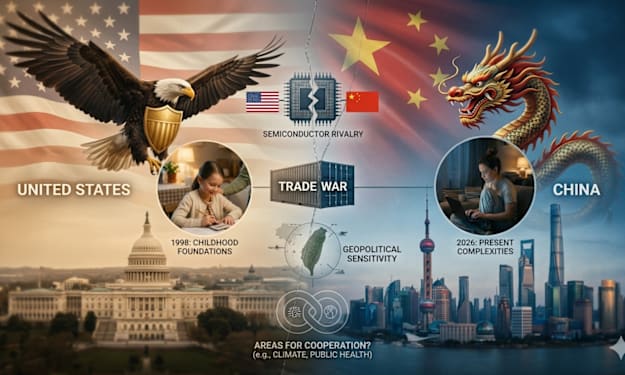
I wasn't supposed to be up this late. But the news was on—something about tariffs, something about Taiwan, something about a spy balloon from months ago that people are still yelling about. I muted it somewhere around 11:30. Kept the images playing on mute while I scrolled. A split screen of two flags. Two men in suits. Two countries that seem to be circling each other like boxers in a ring that never has a final bell.
By John Smith5 months ago in The Swamp