

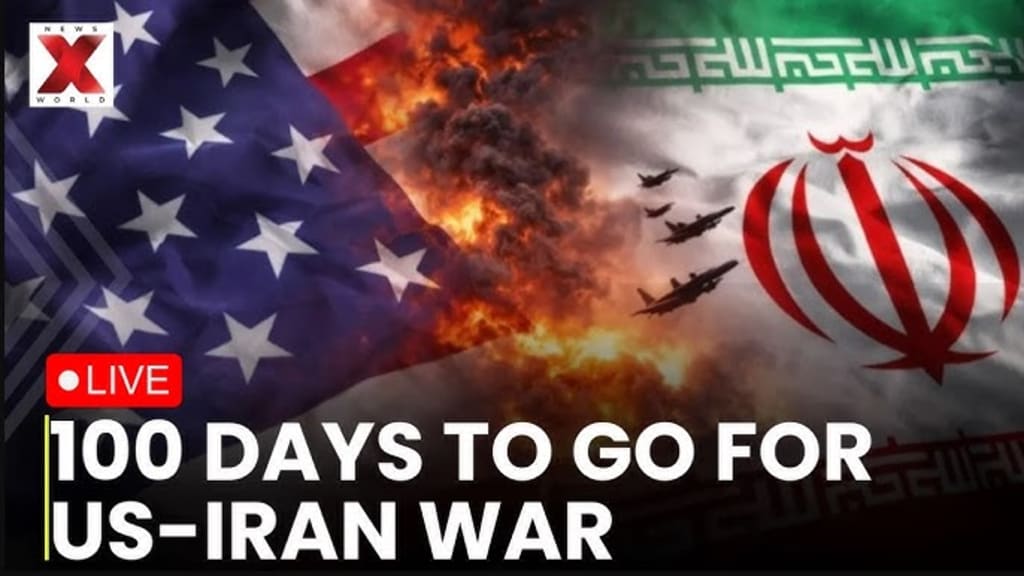
One hundred days after the outbreak of the US–Israeli war on Iran, the Middle East has been transformed in ways few could have imagined. What began as a military campaign aimed at weakening Iran's strategic capabilities has evolved into a prolonged regional crisis with political, economic, and humanitarian consequences reaching far beyond Iran's borders. Despite a ceasefire agreement reached in April 2026, sporadic attacks continue, peace negotiations have repeatedly failed, and the region remains trapped in uncertainty.
The human cost of the conflict has been devastating. Thousands of people have lost their lives across Iran, Lebanon, Israel, and the Gulf region. Entire communities have been displaced, forcing millions to leave their homes in search of safety. In Lebanon, the conflict has intensified existing political and economic hardships, while Iranian cities have suffered extensive damage from air strikes and military operations. The war has demonstrated how modern conflicts rarely remain confined within national borders, instead spreading instability throughout entire regions.
One of the most significant consequences of the war has been the disruption of global energy markets. The Strait of Hormuz, one of the world's most important shipping routes, remains largely closed. Before the conflict, roughly one-fifth of global oil and gas supplies passed through this narrow waterway.Humanitarian organizations have also warned that prolonged instability could worsen poverty and food insecurity in vulnerable parts of the world. The dramatic reduction in maritime traffic has affected international trade, increased transportation costs, and created uncertainty in energy markets worldwide. Countries dependent on Gulf oil have faced rising prices and concerns about long-term supply security.
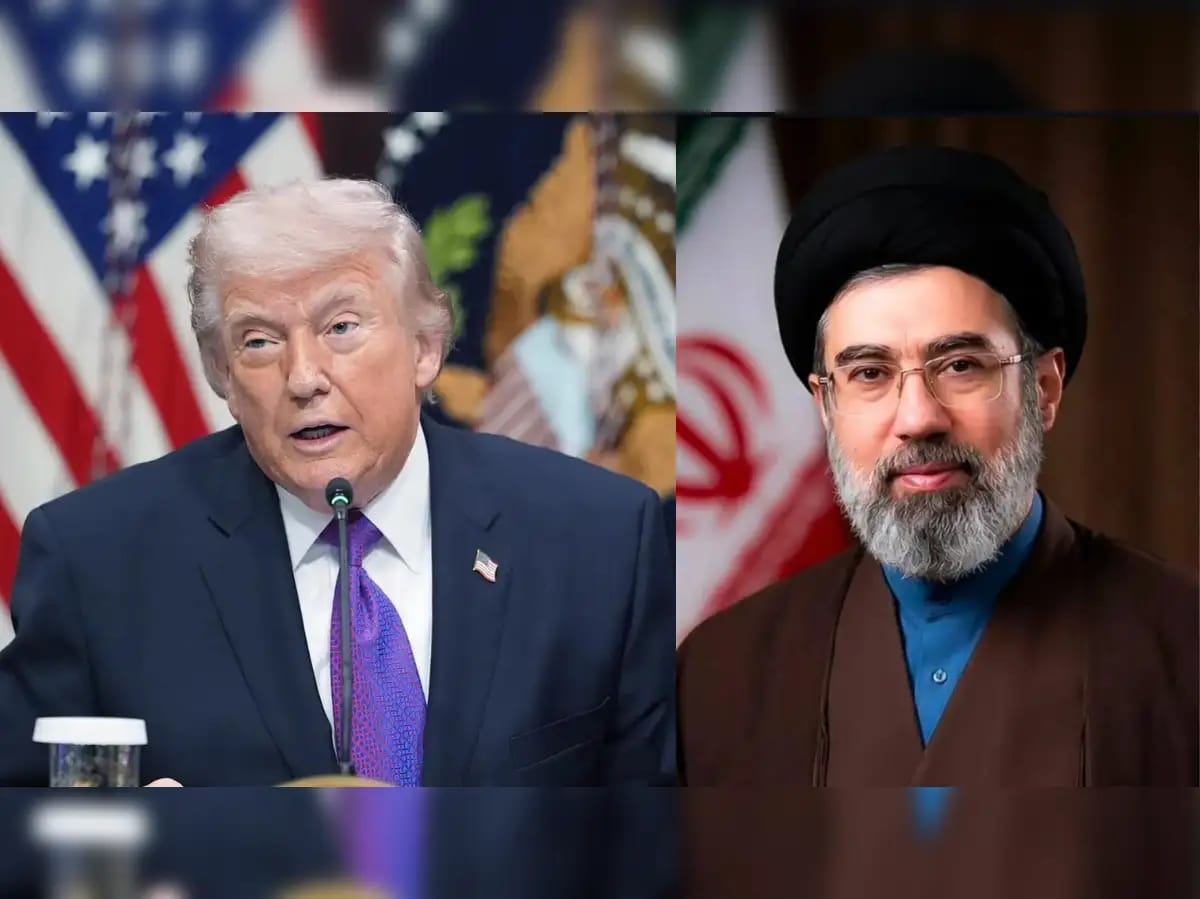
Politically, the war has reshaped regional alliances and power dynamics. Traditional diplomatic efforts have struggled to produce lasting results, revealing deep divisions among regional and global powers. Several rounds of negotiations have failed to establish a durable peace, largely because the core disagreements between the parties remain unresolved. Questions surrounding Iran's security, regional influence, and nuclear ambitions continue to complicate diplomatic progress.
The conflict has also challenged the vision of a more integrated and stable Middle East that many leaders had promoted in recent years. Plans for regional cooperation, economic partnerships, and normalization agreements have been overshadowed by renewed military tensions. Instead of moving toward greater stability, the region has become increasingly fragmented, with countries reassessing their security priorities and strategic partnerships.
At the same time, Iran's position in the region has undergone a significant transformation. While the country has suffered severe military and economic damage, its government has remained intact despite predictions of rapid collapse. Many observers now view Iran's survival as an important political outcome of the conflict. The ability of the state to endure sustained military pressure has influenced how both supporters and rivals perceive Iran's role in the Middle East.
The economic effects extend beyond the region. Rising energy prices, disrupted trade routes, and increased military spending have affected global markets. International investors remain cautious, responding to every sign of escalation or diplomatic breakthrough. Humanitarian organizations have also warned that prolonged instability could worsen poverty and food insecurity in vulnerable parts of the world.
After 100 days, one reality is clear: the war has changed the Middle East. It has redrawn political calculations, strained economies, displaced millions, and deepened regional divisions. While leaders continue to search for a diplomatic solution, the conflict has already left a lasting mark on the region's future. The dramatic reduction in maritime traffic has affected international trade, increased transportation costs, and created uncertainty in energy markets worldwide. Whether the next hundred days bring peace or further escalation will determine not only Iran's future but also the stability of the broader Middle East and its relationship with the rest of the world.
About the Creator
Sk
"I am a passionate writer, crafting books and articles on Vocal Media, exploring human experiences, stories, and creative reflections."
Enjoyed the story? Support the Creator.
Subscribe for free to receive all their stories in your feed.
Comments
There are no comments for this story
Be the first to respond and start the conversation.