
Understanding depression
Causes and treatment
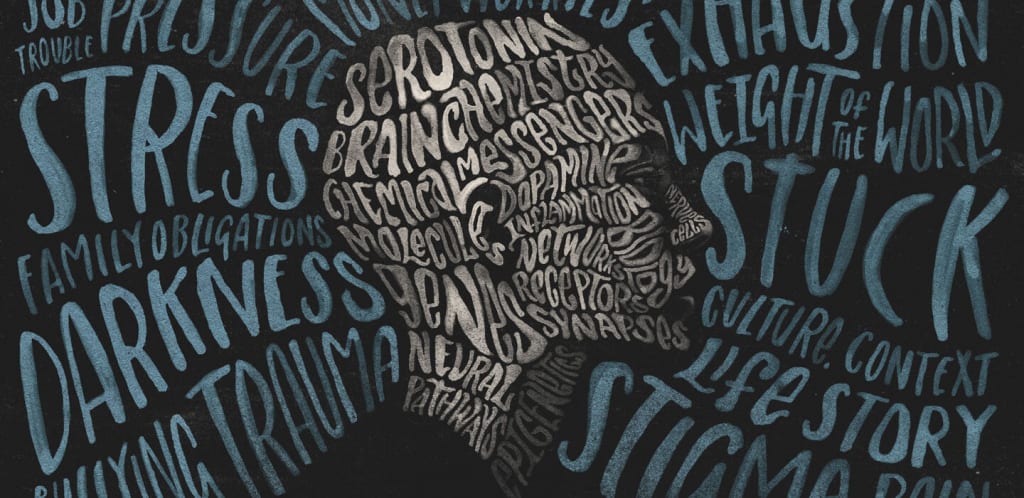
Depression is a serious mental illness that affects millions of people worldwide. According to recent statistics, almost 10% of adults in the United States struggle with depression. However, unlike other medical conditions such as high cholesterol, depression is often harder to understand. One major source of confusion is the difference between having depression and just feeling depressed. While almost everyone feels down from time to time, clinical depression is a medical disorder that lingers for at least two consecutive weeks and significantly interferes with one's ability to work, play, or love.
Depression can manifest in several ways, including a low mood, loss of interest in things you'd normally enjoy, changes in appetite, feeling worthless or excessively guilty, sleeping either too much or too little, poor concentration, restlessness or slowness, loss of energy, or recurrent thoughts of suicide. If a person experiences at least five of these symptoms, according to psychiatric guidelines, they qualify for a diagnosis of depression. Furthermore, depression has physical manifestations inside the brain. For instance, changes in the size of certain brain structures and abnormal transmission or depletion of neurotransmitters such as serotonin, norepinephrine, and dopamine. Additionally, depression is associated with blunted circadian rhythms, specific changes in the REM and slow-wave parts of your sleep cycle, and hormone abnormalities, such as high cortisol and deregulation of thyroid hormones.
Despite the progress made in understanding depression, neuroscientists still don't have a complete picture of what causes depression. It seems to have to do with a complex interaction between genes and the environment, but there isn't a diagnostic tool that can accurately predict where or when it will show up. Unfortunately, because depression symptoms are intangible, it's hard to know who might look fine but is actually struggling. According to the National Institute of Mental Health, it takes the average person suffering from a mental illness over ten years to ask for help.
Thankfully, there are effective treatments for depression. Medications and therapy complement each other to boost brain chemicals, and in extreme cases, electroconvulsive therapy, which is like a controlled seizure in the patient's brain, is also very helpful. Other promising treatments, like transcranial magnetic stimulation, are being investigated, too.
If you know someone struggling with depression, encourage them, gently, to seek out some of these options. You might even offer to help with specific tasks, like looking up therapists in the area or making a list of questions to ask a doctor. To someone with depression, these first steps can seem insurmountable. If they feel guilty or ashamed, point out that depression is a medical condition, just like asthma or diabetes. It's not a weakness or a personality trait, and they shouldn't expect themselves to just get over it anymore than they could will themselves to get over a broken arm.
It's important to avoid comparing depression to times you've felt down if you haven't experienced it yourself. Comparing what they're experiencing to normal, temporary feelings of sadness can make them feel guilty for struggling. Even just talking about depression openly can help. For example, research shows that asking someone about suicidal thoughts actually reduces their suicide risk. Open conversations about mental illness help erode stigma and make it easier for people to ask for help.
In conclusion, depression is a serious medical condition that can have a significant impact on a person's life. While there is still much to learn about the causes of depression, there are effective treatments available. Encouraging those struggling with depression to seek help, offering assistance, and having open conversations about mental illness can help reduce stigma and ultimately lead to better understanding and treatment options for depression.
About the Creator
Enjoyed the story? Support the Creator.
Subscribe for free to receive all their stories in your feed.
Comments
There are no comments for this story
Be the first to respond and start the conversation.