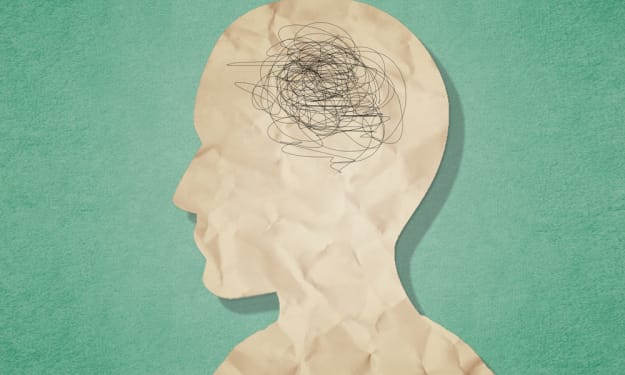
trauma
At its core, trauma can be thought of as the psychological wounds that persist, even when the physical ones are long gone.
Healing from Trauma: A Comprehensive Guide to Recovery and Resilience. AI-Generated.
### Understanding and Healing from Trauma: A Comprehensive Guide Trauma is a deeply distressing or disturbing experience that can leave lasting psychological scars. Whether it stems from a single event, such as an accident or natural disaster, or prolonged exposure to stressful situations, like abuse or neglect, trauma can profoundly impact one's mental and physical health. Healing from trauma is a complex process that requires time, patience, and a range of therapeutic strategies. This guide will explore the nature of trauma, its effects, and various pathways to healing. #### Understanding Trauma Trauma can be categorized into three main types: acute, chronic, and complex. - **Acute Trauma**: Results from a single incident, such as a car accident or a natural disaster. - **Chronic Trauma**: Results from repeated and prolonged exposure to highly stressful events, such as domestic violence or bullying. - **Complex Trauma**: Results from exposure to multiple traumatic events, often of an invasive, interpersonal nature, such as abuse or severe neglect. #### The Effects of Trauma Trauma affects people differently, but there are common symptoms that many experience. ##### Psychological Effects - **Anxiety and Depression**: Trauma often leads to heightened anxiety, persistent sadness, and a loss of interest in activities. - **Flashbacks and Nightmares**: Re-experiencing the traumatic event through intrusive memories or vivid dreams is common. - **Hypervigilance**: A constant state of alertness and being easily startled. - **Dissociation**: Feeling disconnected from oneself or the surroundings, often described as "out-of-body" experiences. ##### Physical Effects - **Sleep Disturbances**: Insomnia or difficulty staying asleep. - **Chronic Pain**: Unexplained aches and pains, which may be stress-related. - **Fatigue**: Persistent tiredness that doesn’t improve with rest. - **Weakened Immune System**: Increased susceptibility to illnesses. #### Pathways to Healing Healing from trauma is a multi-faceted process that involves addressing both psychological and physical symptoms. Here are several approaches that can aid in recovery. ##### Professional Therapy Engaging with a mental health professional is often a crucial step in the healing process. - **Cognitive Behavioral Therapy (CBT)**: Helps individuals identify and change negative thought patterns and behaviors. - **Eye Movement Desensitization and Reprocessing (EMDR)**: A structured therapy that encourages the patient to briefly focus on the trauma memory while experiencing bilateral stimulation (typically eye movements), which is associated with a reduction in the vividness and emotion associated with the trauma memories. - **Somatic Experiencing**: Focuses on the body’s sensations and works to release the physical tension stored in the body. ##### Self-Help Strategies In addition to professional help, there are several self-help strategies that can support the healing process. - **Mindfulness and Meditation**: Practices that focus on being present in the moment can help reduce anxiety and improve emotional regulation. - **Journaling**: Writing about your experiences and feelings can be a powerful way to process trauma. - **Physical Activity**: Regular exercise can help reduce stress and improve mood. Activities like yoga and tai chi, which emphasize body awareness, can be particularly beneficial. - **Creative Outlets**: Engaging in activities like art, music, or dance can provide a non-verbal way to express and process emotions. ##### Building a Support System Having a strong support system is vital for recovery. - **Talk to Trusted Friends and Family**: Sharing your feelings with people who care about you can provide comfort and perspective. - **Join Support Groups**: Connecting with others who have experienced similar traumas can be validating and provide practical advice for coping. #### Developing Resilience Resilience is the ability to adapt to and recover from adversity. Developing resilience can help you manage the effects of trauma more effectively. - **Cultivate Positive Relationships**: Building and maintaining healthy relationships can provide emotional support and reduce feelings of isolation. - **Focus on Strengths**: Identifying and leveraging your strengths can boost self-esteem and foster a sense of competence. - **Set Realistic Goals**: Breaking down larger goals into manageable steps can provide a sense of accomplishment and forward momentum. #### When to Seek Help It’s important to recognize when professional help is needed. If you’re experiencing severe symptoms, such as suicidal thoughts, self-harm, or an inability to function in daily life, seek immediate assistance from a mental health professional. #### Conclusion Healing from trauma is a journey that requires time, patience, and a multi-faceted approach. Understanding the nature of trauma and its effects is the first step toward recovery. By seeking professional help, employing self-help strategies, and building a strong support system, you can begin to heal and regain a sense of control over your life. Remember that healing is not a linear process, and it’s okay to seek help and take things one step at a time. With persistence and support, it is possible to move beyond trauma and find a path to a healthier, more fulfilling life.
By Mbeha maliwa 2 years ago in Psyche
Letting Go: How Detachment Can Help You Heal Toxic Relationships
Letting Go: How Detachment Can Help You Heal Toxic Relationships Many individuals in the self-help and dating advice community often emphasize the importance of independence, but there is a disconnect between societal norms and scientific evidence. Building strong emotional connections with others has been shown to result in increased levels of happiness, success, and overall well-being in individuals' lives. Some individuals offer self-help and dating advice and believe in the importance of being independent, but there is a disconnect between societal norms and scientific research. Building strong emotional connections with others has been shown to increase happiness, effectiveness, and overall stability in life.
By Hridya Sharma2 years ago in Psyche
Dear John Letter. Content Warning.
Dear John, For more than 40 years, that sneaky move you made on me has plagued me. We haven't seen one another for many decades, but the agony has not gone away. Were we to meet and talk, you would probably have no memory of that, but my trajectory changed permanently, and not for the better.
By Mack D. Ames2 years ago in Psyche
Suicide Rainbows-Part 1
Said I gotta do better, I gotta do better, I gottaPick up the pieces and master the puzzle upon usLook the man in the mirror in the eye and be honestSlow down time, get back in line with my chakrasReach for the galaxy…-Ab Soul, ‘Do Better’
By lazarusInfinity2 years ago in Psyche
All of the Stigmas Society Ignores in Hicktown
The stigma of homeless is very sad, almost devastating. A friend once told me, we all assume roles it's whether we agree to those roles or not. Mike was right though. I'm going to be sad to admit this, but I never thought being homeless in Hicktown would be this stimgaticly bad.
By Emily Curry (Rising Phoenix)2 years ago in Psyche
A journey through grief
Grief The fight to heal from grief has been one I’ve trudged through like a soldier entering their last battle. With fear and courage, I take every step through the mud filled with regret, pride, and awe. You lose yourself to grief, and the reward at the end of the journey is supposed to be finding yourself again. Beautiful, isn’t it, the things you find in this search for yourself? That is, until you’ve lost your way in the search for something meaningful.
By Aathavi Thanges2 years ago in Psyche
How Random Posts Enlighten My Mental Health Journey
I have always enjoyed writing and explaining concepts using creative ways and word choice that allow me to really connect to the heart of the reader or listener. But making time has always been difficult, so my solution was to use my social media platform as a writing tool to expand my creative sparkle. I committed to a weekly post on my Instagram account using one of my many photos I kept from random places and using it as a prop to write. Typically, I start brainstorming days ahead as I go over the picture selection and what to write about or I can come up with something creative on the spot and post it right away. This creative process is rewarding as it helps me get out of the mundane, while inspiring others. Although there was a flow in my creativity, it lacked structure and organization.
By LaPlume Verte2 years ago in Psyche