social media
Social media dramatically impacts our offline lives and mental well-being; examine its benefits, risks and controversies through scientific studies, real-life anecdotes and more.
Why Overthinking Is Destroying This Generation
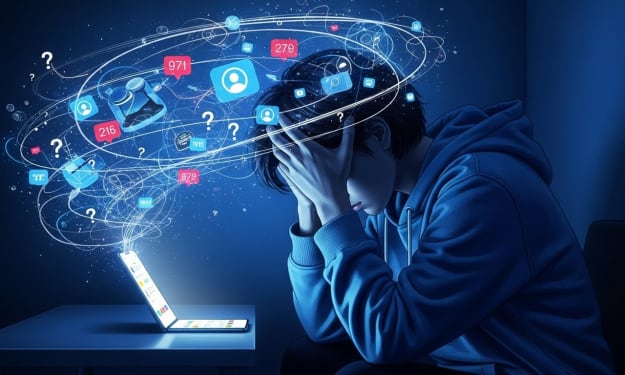
We live in the most connected, informed, and technologically advanced era in human history—yet somehow, we are also the most mentally exhausted, emotionally drained, and overwhelmed generation ever. And the silent killer behind all this? Overthinking. It’s not loud. It’s not visible. It doesn’t scream for attention. It quietly grows in the spaces between our thoughts, turning small worries into impossible mountains and simple choices into life-changing decisions. Overthinking has become so normal that many people don’t even realize they’re doing it. But the truth is harsh: overthinking is destroying this generation from the inside out. --- The Endless Mental Noise Overthinking is like having a radio inside your mind that never switches off. Even when your body is resting, your brain is running marathons. You think about what you said yesterday. You think about what you should say tomorrow. You think about why someone didn’t reply. You think about every possibility—especially the worst ones. And all this thinking feels productive… but it isn’t. It’s mental quicksand. Instead of moving forward, you sink deeper. This generation is trapped in a loop of second-guessing, replaying, predicting, worrying, and analyzing every single detail. And slowly, silently, it’s destroying confidence, happiness, productivity, and peace. --- The Pressure to Be “Perfect” Our parents grew up in a world where privacy existed. We grew up in a world where everything is a performance. Today, every choice feels like it is being judged—because online, it is. You compare your life to thousands of people every day without even realizing it. Everyone seems more successful. More beautiful. More confident. More talented. More everything. This competition creates fear. Fear of choosing wrong. Fear of failing. Fear of being judged. Fear of not being perfect. And fear feeds overthinking like fuel feeds fire. This generation doesn’t struggle because it is weak— It struggles because it is overwhelmed. Every decision, from choosing a career to sending a text message, feels too heavy. So the mind keeps spinning, trying to find the “perfect” answer that doesn’t exist. --- Mental Health at War with Modern Life Overthinking isn’t just a bad habit. It’s a mental health enemy. Studies show that constant overthinking leads to: Anxiety Depression Insomnia Burnout Poor memory Lack of focus Decision paralysis And guess which generation reports the highest levels of anxiety and stress? Gen Z and Millennials. Why? Because our brains were never meant to process this much information every day. We scroll, we compare, we plan, we worry, we replay, and we imagine every possible outcome until our minds feel like overloaded computers preparing to crash. --- The Illusion of Control Here’s the painful truth: We overthink because we want control. We believe if we think long enough, we can prevent mistakes or avoid pain. But in reality, overthinking makes life worse. You don’t gain control. You lose it. Instead of living your life, you live inside your head. Instead of making choices, you freeze. Instead of experiencing the moment, you fear it. Overthinking convinces you that something bad will happen— and then prevents you from doing anything good. It becomes a cage made of your own thoughts. --- Relationships Are Breaking Because of It Overthinking doesn’t just destroy your peace; it destroys connections. You read too much into messages. You imagine problems that never existed. You replay conversations until they lose all meaning. You assume people think the worst of you. You create stories in your mind and react to them as if they are real. And slowly, your relationships begin to fade— not because of what others did, but because of what your worried mind told you. This generation isn’t struggling with love; it’s struggling with fear of love, fear of rejection, fear of vulnerability— all born from overthinking. --- Dreams Are Dying Before They Even Start How many people want to start something— a business, a YouTube channel, a skill, a degree— but never do? Not because they can’t. Because they overthink. “What if I fail?” “What will people say?” “What if I’m not good enough?” “What if it doesn’t work?” Instead of starting, they overanalyze. Instead of trying, they freeze. Overthinking kills more dreams than failure ever did. --- How Do We Fix This? We don’t need more motivation. We need more clarity. Here are the mindsets this generation desperately needs: 1. Stop Seeking Perfection Perfection is a myth. Progress is real. Start messy. Learn as you go. 2. Take Action Before You Feel Ready Life moves when you do. Thoughts follow actions, not the other way around. 3. Trust Yourself More You survived every bad day before today. You’ll survive the next one too. 4. Limit Mental Overload Reduce scrolling. Limit comparisons. Protect your mind like you protect your phone battery. 5. Accept That You Cannot Control Everything Life is meant to be lived, not calculated. --- The Final Truth Overthinking doesn’t protect you. It doesn’t solve problems. It doesn’t prevent pain. It creates problems. It creates pain. It destroys peace. This generation deserves better— a quieter mind, a lighter heart, and the courage to live without fearing every possibility. It starts with one small decision: Think less. Live more.
By Muhammad Reyaz11 months ago in Psyche
Psychology on the go
That dream about the dinosaur in a leotard, the moments you said something you wish you hadn’t, even the words that spill out before you know you’re going to say them—these all come from the small, constant workings of your mind. Your thoughts and behaviors make your life possible and shape the world around you. Aside from other human minds, your own is the most complex structure we know of, guided by rules that remain mysterious. Maybe our brains aren’t quite advanced enough to fully understand themselves, but that has never stopped us from trying.
By Awuni Akurebire Thomas 11 months ago in Psyche
Behind the Screen: How E-Commerce Is Rewriting Human Life
You probably didn't even notice it. Maybe it was just another night. You were tired, half-asleep, your phone in hand. You opened an app without thinking, browsed through a few products, read some suspiciously similar reviews, tapped "Buy Now," and went back to what you were doing. Somewhere in the distance, a warehouse light came on, you scanned a barcode, and a package arrived. A few days later, a small box arrived at your door, and the moment was complete.
By Sayed Zewayed11 months ago in Psyche
Anxiety... Autism... or both?. Content Warning.
I've been having a lot of meltdowns and shutdowns in this past year. It's been almost 9 months since I was diagnosed with autism. It was an expensive diagnosis that has honestly been more problematic than helpful (but hopefully that will change soon).
By Adora Hooper11 months ago in Psyche
Occam's razor of Mandela effects
For many years, I was obsessed with conspiracy theories. Now that I study psychology, I want to understand the reasons behind them and what makes people believe them. One of my favorites was the Mandela effect, which is where a lot of people remember an event or detail differently from how it really happened. This term was created by Fiona Broome in 2009 when she noticed that she and many others remembered Nelson Mandela dying in prison in the 1980s. He didn’t die until December 5th, 2013. She and the others remember seeing new reports and his “widow” speaking about it on TV. It’s important to note that there is some debate about when this term actually came into use. Some have argued it didn’t appear until after Mandala’s death. The concept may have been known back in the 90s. Regardless of when the term appeared, many people have experienced what is called the Mandela effect. Here are a few other examples.
By Kristine Franklin11 months ago in Psyche
The Hidden Dangers of Social Media: How It’s Secretly Impacting Our Mental Health
The Dark Side of Social Media: How It's Affecting Our Mental Health In today’s digital age, social media has become an inseparable part of our lives. Whether it’s staying in touch with friends, following the latest trends, or even doing business, social platforms have woven themselves into the very fabric of modern society. However, while social media offers numerous benefits, there is a growing concern about its impact on mental health. As we scroll through our feeds, we’re bombarded with curated images, status updates, and opinions from people all over the world. But what happens when this constant exposure starts to take a toll on our mental well-being? Is there a darker side to our social media habits that we need to recognize and address? The Rise of Social Media and Its Impact It’s no secret that social media has revolutionized communication. From platforms like Facebook and Instagram to newer ones like TikTok and Snapchat, these networks have given us the ability to connect with others across vast distances instantly. With millions of users spending hours each day on these platforms, it's clear they are here to stay. But what has this constant connectivity done to us? While some enjoy the positive aspects of social media—such as forming new friendships, staying informed, or even finding support for mental health issues—there is an increasing body of research pointing to the harmful effects social media can have on mental health, particularly when used excessively. The Pressure to Perform and Be Perfect One of the most significant ways social media affects our mental health is by creating a constant pressure to be perfect. Platforms like Instagram, where influencers and celebrities show off their flawless lives, have created unrealistic standards that many people try to live up to. The constant comparison to others, whether it’s in terms of looks, success, or lifestyle, can lead to feelings of inadequacy. This phenomenon is known as social comparison, and it often results in negative emotions such as anxiety, depression, and low self-esteem. When we see people seemingly living their best lives—on vacation, with the perfect partner, or in the latest fashion—we can begin to feel as though our own lives don’t measure up. This type of thinking can distort reality and make us feel isolated, even when we are connected to thousands of people online. Fear of Missing Out (FOMO) Another common issue stemming from social media is FOMO—the fear of missing out. Social media platforms are designed to show us only the highlights of people's lives, and it’s easy to assume that everyone else is having a great time while we’re stuck in our routines. Whether it’s an invite to a party, a new job opportunity, or an exciting travel experience, seeing others post about these events can trigger feelings of exclusion and loneliness. FOMO can lead people to overuse social media, constantly checking for updates and comparing their own lives to those of others. This can lead to a cycle of negativity, where we feel more disconnected from reality and trapped in a loop of dissatisfaction. Social Media Addiction Addiction to social media is becoming a real concern, especially among younger people. The constant need for validation in the form of likes, comments, and shares can create a cycle of dependency. When we post something and receive positive feedback, it triggers the release of dopamine in our brains, creating a feeling of pleasure. But over time, this reward system can become addictive, leading us to seek validation more and more. This addiction can have significant consequences for mental health. Studies have shown that excessive use of social media is linked to higher rates of anxiety, depression, and sleep disorders. People who are addicted to social media may neglect their real-world relationships, leading to feelings of isolation and emotional distress. Cyberbullying and Online Harassment Another troubling aspect of social media is the prevalence of cyberbullying and online harassment. With the anonymity that social platforms provide, people often feel emboldened to say things they wouldn’t in real life. This has led to an increase in hurtful comments, trolling, and even threats. Victims of cyberbullying are often subjected to prolonged emotional distress. Unlike traditional bullying, online harassment can follow individuals home, making it harder to escape. The constant exposure to negative comments and attacks can contribute to feelings of worthlessness, anxiety, and even suicidal thoughts. The Impact on Body Image Social media platforms, particularly Instagram and TikTok, are often flooded with edited photos, filters, and unrealistic portrayals of beauty. This can significantly affect body image, especially for young people who are still forming their self-esteem. The constant exposure to these idealized images can create an unattainable standard of beauty that many feel pressured to meet. For young women in particular, the impact of social media on body image has been well-documented. Studies show that exposure to these idealized images can lead to dissatisfaction with one's own appearance, resulting in body dysmorphia, low self-esteem, and disordered eating behaviors. Mental Health Awareness and Coping Strategies Despite the negative effects social media can have on mental health, it’s important to note that it can also be a force for good. Many people have found communities of support online, where they can share their experiences and receive help from others going through similar struggles. Social media has become a platform for mental health advocates to share valuable information, raise awareness, and reduce stigma. However, to protect our mental health, it’s essential to be mindful of how we use social media. Here are a few strategies to cope with the darker side of social media: 1. Limit Screen Time: One of the simplest ways to reduce the impact of social media on mental health is to set limits on screen time. Most smartphones have built-in features that track and limit the amount of time spent on social media apps. 2. Unfollow Negative Accounts: Curate your feed by unfollowing accounts that make you feel bad about yourself. Follow people and organizations that inspire you, promote positivity, and share helpful mental health resources. 3. Take Regular Breaks: Schedule social media detoxes. Take time away from your devices to focus on real-world relationships, engage in hobbies, or just relax without the constant pressure of online interactions. 4. Engage Mindfully: When using social media, be conscious of your emotions. If something makes you feel anxious or down, step away from the app and take time for self-care. Remember that what you see online is not always an accurate reflection of reality. 5. Seek Professional Help: If social media is affecting your mental health significantly, consider talking to a therapist or counselor. They can help you work through your feelings and develop healthier coping mechanisms. Conclusion While social media has undoubtedly changed the way we interact, work, and entertain ourselves, it’s important to recognize its impact on our mental health. The pressure to perform, the fear of missing out, addiction, cyberbullying, and body image issues are all serious concerns that we need to address as a society. By being mindful of our social media habits and prioritizing our well-being, we can strike a balance between staying connected online and protecting our mental health in the real world. After all, our mental health should always come first, and it’s up to us to ensure that our online presence doesn’t take a toll on it.
By The Insight Ledger 12 months ago in Psyche
Like Without Reading: The Psychology Behind Our Scroll-and-Tap Habits. AI-Generated.
Introduction We scroll, we like, we move on. But how often do we actually read the posts we like? In the age of infinite content, liking has become a reflex - not a reflection. This article explores the psychology behind this behavior and how social platforms and our brains conspire to reward reaction over reflection.
By Asher Vane12 months ago in Psyche
The Loud Minority and the Manufactured Narrative
When President Trump appeared at the Washington Commanders versus Detroit Lions game, the media wasted no time turning it into a national spectacle. Headlines shouted that America had booed its own president, declaring it proof that the country was ashamed of its leader. Clips of jeering crowds were shared endlessly, accompanied by commentary claiming that even America’s favorite sport had rejected him.
By Peter Thwing - Host of the FST Podcast12 months ago in Psyche
The potentials of yoga in helping you get better sleep
The potentials of yoga in helping you get better sleep Many people believe that yoga is all about experiencing pure ecstasy through the union of the mind, the soul, and the body. But most yoga practitioners and teachers would agree that apart from providing relaxation and peace, yoga is about the seemingly limitless capability of a person to be in control and unite with him or her inner self. With this in mind, more and more people—especially those who are having trouble to get better sleep—is using this activity.
By KASHIF karim12 months ago in Psyche