selfcare
The importance of self-care is paramount; enhance your health and wellbeing, manage your stress, and maintain control under pressure.
**How to Handle Street Fights — This Is Lifesaving**
Most people think they’ll never be in a street fight. Until they are. Maybe it’s a random drunk at a bar. A stranger on the street. Or someone who mistakes you for a threat. It happens fast. No rules. No referees. No second chances. That’s why street fights aren’t about “winning.” They’re about *surviving* — and staying safe enough to walk away. Here’s what you need to know to handle yourself if things ever go sideways in the real world. --- ### 1. The Best Fight Is the One You Avoid Let’s get this straight: If you can walk away, do it. Real strength isn’t about proving how tough you are. It’s about knowing when to avoid danger. Your ego might want to stand your ground. But your *life* wants you to stay alive. - Don’t argue with loud, unstable strangers. - Don’t try to “win” an insult battle. - Don’t escalate something you can walk away from. Fights you avoid are the ones you survive. Period. --- ### 2. Always Be Aware of Your Surroundings Most people walk around like they’re half-asleep. That’s why attackers look for distracted targets. They’re not picking a fight with someone *ready*. They’re picking someone *unaware*. Train yourself to: - Keep your head up. - Stay off your phone in public. - Scan your surroundings when walking at night or in isolated places. Confidence and awareness often *prevent* a fight before it starts. --- ### 3. Stay Calm — Panic Gets You Hurt If a situation begins to escalate, your number one job is to **stay calm**. Why? Because adrenaline will hit hard. Your hands shake. Your vision narrows. Your thinking gets foggy. But panic is what gets people injured. Breathe. Focus on staying centered. Back away slowly if possible. Speak with a steady voice. Even if someone wants to fight, they might back off if you don’t escalate. --- ### 4. Learn Where to Hit — and Where Not To If you *have* to defend yourself, forget fancy martial arts. Street fights are fast, chaotic, and unforgiving. You don’t have time for style. You need *impact.* Target areas: - **Nose** — A palm strike or elbow can break it and cause disorientation. - **Eyes** — A quick jab can give you time to run. - **Groin** — Classic for a reason. Can disable most attackers instantly. - **Throat** — Dangerous, but effective if your life is at risk. Never aim for the knuckles-to-jaw punch you see in movies. You’ll break your hand before you break their face. Use elbows, palms, knees — parts of your body designed for impact. --- ### 5. Get Out Fast — Don’t Stay and Fight Your goal isn’t to knock someone out. Your goal is to survive. If you land a hit and they back off — **run**. If they fall — **leave**. The longer a fight lasts, the more danger you’re in. They might have friends nearby. They might pull a weapon. You might slip and fall — and then you’re the vulnerable one. Get to safety. Call someone. Report it. --- ### 6. Carry Yourself Like Someone Not to Mess With Predators look for easy targets. That means scared body language. Distracted eyes. Nervous energy. Practice walking like someone who’s confident. Not aggressive — just alert and solid. - Shoulders back - Eyes forward - Calm pace - Controlled breath You don’t need to look intimidating. You just need to look *ready*. --- ### Final Thoughts: Surviving Beats Winning No one really “wins” a street fight. Even if you walk away, you might end up with injuries, trauma, or legal issues. So train smart. Think fast. And whenever you can — walk away. Because real power isn’t in your fists. It’s in your ability to stay in control when everything else goes wild. --- **Have you ever faced a dangerous situation?** Drop it in the comments — and I’ll write something to help you stay stronger, smarter, and safer next time.
By SHADOW-WRITESabout a year ago in Psyche
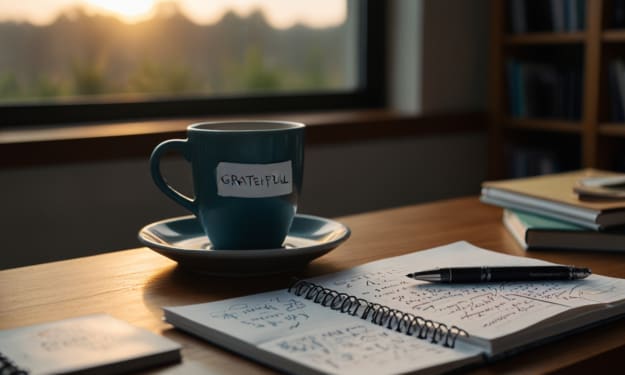
How Journaling for 5 Minutes a Day Can Rewire Your Brain
Let’s be honest, “journaling” might sound like one of those overly romanticized self-care rituals involving fancy leather-bound notebooks, scented candles, and an Instagrammable latte. But let’s strip away the fluff: journaling for just five minutes a day can rewire your brain. Yes, science backs it. And no, you don’t need to be the next Shakespeare or Marie Kondo of feelings. You need a pen, some paper (or even a notes app), and five sacred minutes of honesty.
By Chinedum Johnabout a year ago in Psyche
Why Everyone Is Quietly Quitting—And Why You Might Be Next
In a world obsessed with hustle culture, something unexpected is happening. People are quietly quitting—not their jobs entirely, but something else. They're stepping back. They're drawing invisible boundaries. And chances are, you’ve already done it without realizing.
By RASOOL KHANabout a year ago in Psyche
How to Overcome Difficult Times & Feelings
Life doesn’t ask permission to get hard. One moment you’re coasting, and the next, you’re hit with something that knocks the wind out of you—a breakup, a layoff, a loss, or simply the overwhelming weight of existing in a chaotic world. When those moments come (and they always do), it can feel like you’re stuck in a storm with no umbrella, no map, and no clue when it’ll end.
By AnthonyBTVabout a year ago in Psyche
The Social Killer
Summary: Social anxiety disorder, also known as social phobia, is a kind of mental disorder where the sufferer experiences a severe or unreasonable fear of social gatherings where there is a possibility that one may get embarrassed or ridiculed. Most of the time, these anxieties arise from an intense fear of being closely watched or scrutinized. This kind of phobia gives sufferers a feeling of being trapped or shut away from the world.
By Tamer salehabout a year ago in Psyche
Navigating the Psyche: Mapping out the Intricacies of the Human Mind
A Curious Invitation So there’s this old library—real dust collector, totally invisible to most people—in this sleepy little hillside town. It’s the kind of place that smells like crumpled up pages and lost time. Through those rainbow-stained windows, you get these lazy sunbeams cutting through all the floating dust. Honestly, it’d make a killer setting for a mystery flick.
By Cotheeka Srijonabout a year ago in Psyche
The Inner Workings of the Psyche: Understanding the Unconscious Mind
Alright, let’s shake things up a bit. So, picture this: Laura’s curled up in her old armchair (the one that’s permanently molded to her butt, because let’s be honest, nobody sits anywhere else when journaling). Room’s all aglow with that dim evening light—she’s got this vibe like she’s about to discover the cure for existential dread, but really, she’s just probing the weird depths of her brain. Meanwhile, outside? World’s sprinting to its next chaos. Inside? Call it a cozy psychological safari.
By Cotheeka Srijonabout a year ago in Psyche
A Journey into the Human Mind
Wow, the world’s basically a circus these days—memes flying, phones buzzing nonstop. Somehow, Max carved out a tiny oasis inside his own noggin. This dude, he’s not exactly a rock star. Just a low-key psych student, glued to his mountain of books, trying to figure out what makes people tick. Honestly, he spent more time staring into the abyss of the human mind than going to parties. But he always felt like he was peeping through a window at his own brain, wondering what weirdness was lurking beneath. So, he whips out a journal—nothing fancy, just some battered notebook—and starts scribbling.
By Cotheeka Srijonabout a year ago in Psyche
How Lack of Sleep Affects Your Body and Mind
In our fast-paced world, sleep is often the first thing we sacrifice. Late nights, busy schedules, and constant digital distractions have made rest feel like a luxury, rather than a necessity. But sleep is not just about physical recovery; it plays a vital role in emotional balance, mental clarity, and psychological well-being. When we deprive ourselves of sleep, we aren’t just making ourselves tired—we’re disrupting the foundation of self-care and mental resilience.
By Leesh lalaabout a year ago in Psyche