selfcare
The importance of self-care is paramount; enhance your health and wellbeing, manage your stress, and maintain control under pressure.
When Your Energy Feels Low but You Don’t Know Why — This Is What’s Really Happening
You didn’t do anything “hard” today. You got enough sleep. You ate. You drank water. And still — you feel drained. Exhausted. Unmotivated. And you can’t explain it. But here’s what you need to know: **Just because you can’t see the cause doesn’t mean the fatigue isn’t real.** --- ### (1. Emotional Fatigue Feels Like Physical Burnout) You might not be lifting weights or running miles. But carrying emotional tension is just as draining. Stress. Overthinking. Suppressed feelings. They all use energy. And when those emotions pile up — your body starts to shut down. Quietly. --- ### (2. You’re Fighting Invisible Battles in Your Head) You’re smiling in public. Nodding in conversations. But internally, you’re spiraling. Doubting. Comparing. Analyzing. And that invisible fight? It’s costing you energy — even if no one sees it. --- ### (3. You’re Overstimulated by the World Around You) Noise. News. Notifications. The world doesn’t stop. And your nervous system never fully relaxes. Your brain isn’t lazy. It’s just *overloaded.* You weren’t made to absorb this much, this fast, all the time. --- ### (4. You Haven’t Had Real Silence in Days) Not just silence from people — But silence from pressure. From guilt. From expectations. Even when it’s “quiet,” your mind is still loud. That’s why you wake up tired. Because you never really rested. --- ### (5. You’re Emotionally Available to Everyone but Yourself) You’re there for others. You respond. You support. You hold space. But no one’s doing that for you. And that imbalance eventually empties your energy. Being everyone’s safe space while ignoring your own needs? That’s emotional self-harm. --- ### (6. You’re Suppressing How You Really Feel) “I’m fine.” “Just tired.” “Nothing’s wrong.” But deep down — something *is* wrong. You just don’t know how to say it. Or who will understand. So you carry it in silence. And that silence gets *heavy.* --- ### (7. You’re Constantly Performing Stability) You show up to work. You answer texts. You smile in photos. But it’s a performance. And performances take effort. Pretending you’re okay is its own kind of exhaustion. --- ### (8. You’re Disconnected From Your True Desires) You wake up. You go through the motions. But you’re not *living.* You’re existing. And that disconnection from joy, purpose, and meaning? It bleeds your energy slowly. Day after day. --- ### (9. Your Nervous System Is Stuck in “Alert” Mode) When your body thinks it’s in danger (even from emotional stress), it stays in survival mode. Hypervigilance. Tension. Racing thoughts. It’s exhausting. And you might not realize it — because you’ve normalized chaos. --- ### (10. Your Energy Is Being Leaked Through Unconscious Habits) Scrolling too much. Saying “yes” when you mean “no.” Avoiding hard conversations. Staying in draining environments. These things feel small. But they create energy leaks. And over time — they *burn you out.* - - - - - - - - - - - - - - - - - - - - - - - - - - - - - - - - - - - - - - - - - - - - - - ### 🌿 Final Thought You’re not just tired. You’re *drained.* Not from doing too much — But from carrying too much alone. (. . .) So if your energy feels low for “no reason” — trust your body. It knows something’s not right. Not all exhaustion is physical. Sometimes, it’s spiritual. Emotional. Invisible. And the solution isn’t more coffee. It’s *more care.* For your heart. For your space. For your truth. Because once your soul feels safe again — **Your energy will return. Not as a rush… But as a gentle reminder: “You don’t have to carry it all anymore.”**
By SHADOW-WRITESabout a year ago in Psyche
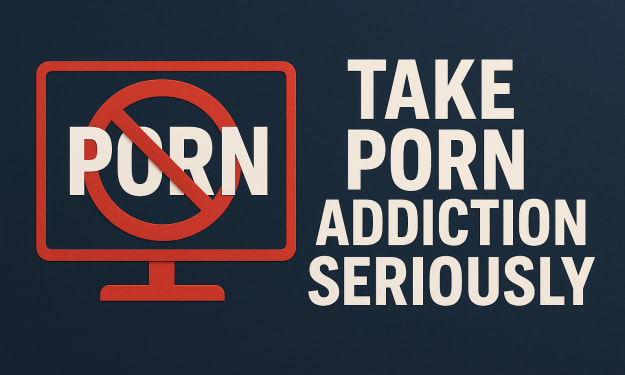
Porn: The Addiction We Don’t Take Seriously
I’ve noticed something strange when it comes to how people talk about porn. They either make jokes about it or pretend it’s harmless. Like it’s just another thing adults do. But the more I thought about it, the more I realized, this thing is messing with us. Not just sexually, but psychologically, emotionally, even spiritually, if you want to go that deep.
By Beyond The Surfaceabout a year ago in Psyche
You’re Not Unmotivated — You’re Mentally Overstimulated and Emotionally Exhausted
You wake up tired. You have a list of things to do — but no desire to start. You keep blaming yourself. Calling yourself lazy. Undisciplined. Unmotivated. But what if it’s not a motivation issue? What if it’s a *nervous system* issue? What if you’re not unmotivated — you’re mentally overstimulated and emotionally *exhausted?* --- ### (1. You’ve Been in “Go Mode” for Too Long) You’ve pushed. Performed. Stayed strong. But there’s a cost to always being “on.” Your mind never shuts off. Your body never fully relaxes. And now you’re not lazy — you’re *fried.* --- ### (2. The Pressure to Constantly Improve Is Draining You) Be better. Do more. Stay productive. That voice in your head never lets up. And when rest feels like failure, you never actually rest. You just pause to feel guilty about pausing. --- ### (3. You’re Not Lacking Discipline — You’re Running on Empty) You can’t pour from an empty mind. Your to-do list is long. But your bandwidth is gone. And no habit tracker or motivational quote can fix *emotional fatigue.* --- ### (4. Your Brain Is Tired of Making Constant Decisions) What to eat. Who to reply to. What task to do first. Mental fatigue is real. And when your brain is flooded with options, it defaults to avoidance. Not because you don’t care — but because you’re overloaded. --- ### (5. You’re Distracted Because You’re Overstimulated) Scrolling. Noise. Notifications. You haven’t had real silence in days. And now, your mind feels fuzzy. Unfocused. Unmotivated. But it’s not apathy. It’s *mental inflammation.* --- ### (6. You’re Carrying Emotions You Haven’t Had Time to Process) Anger. Sadness. Confusion. You pushed it all aside to “function.” And now those emotions are crowding your head like background tabs. Slowing everything down. Making simple tasks feel *heavy.* --- ### (7. You’re Overthinking Everything — Even the Small Stuff) Because you’re overstimulated, your brain is in hyper-analysis mode. Every choice feels huge. Every plan feels risky. You’re not indecisive. You’re overwhelmed by *too many possibilities.* --- ### (8. You’ve Forgotten What Joy Feels Like) When’s the last time you laughed deeply? Did something just because you wanted to? Chronic stress makes everything feel like a task. Even fun. And when life loses play, it also loses motivation. --- ### (9. You’re Mentally Active But Emotionally Numb) Your brain is busy. But your heart feels flat. Nothing excites you. Nothing scares you. Just that grey in-between feeling. That’s not laziness. That’s emotional exhaustion. --- ### (10. You Need Rest — Not More Goals) The solution isn’t a productivity app. It’s not another planner. It’s *pause.* Silence. Space to breathe without pressure. Because sometimes the most productive thing you can do… Is *stop performing and start feeling again.* - - - - - - - - - - - - - - - - - - - - - - - - - - - - - - - - - - - - - - - - - - - - - - - - - - - - - - - - - - - - - - - - - - - - - - - - - - - - - - - - - - - - - - - - - - - - - - - - - - - - - - - - - - - - - ### 🌿 Final Thought You’re not unmotivated. You’re not broken. You’re just overstimulated, overextended, and *under-nurtured.* (. . .) So before you judge yourself — check your nervous system. Ask your heart: “When’s the last time I truly rested?” Not scrolled. Not numbed. ** Rested. ** Because motivation doesn’t die — It gets buried. Under pressure. Under noise. Under unresolved emotions. And the moment you start creating safety again — Mentally. Emotionally. Spiritually — Your motivation won’t need to be *forced.* **It will return. Naturally. Quietly. Like a sunrise after too many dark nights.**
By SHADOW-WRITESabout a year ago in Psyche
The Effort Paradox
We say we want a meaningful life. But when meaning knocks (wearing the clothes of discomfort), we turn away. This is the contradiction at the heart of human behavior: we long for purpose, mastery, and growth, yet we avoid the effort it takes to get there. And not just sometimes, but routinely.
By Beyond The Surfaceabout a year ago in Psyche
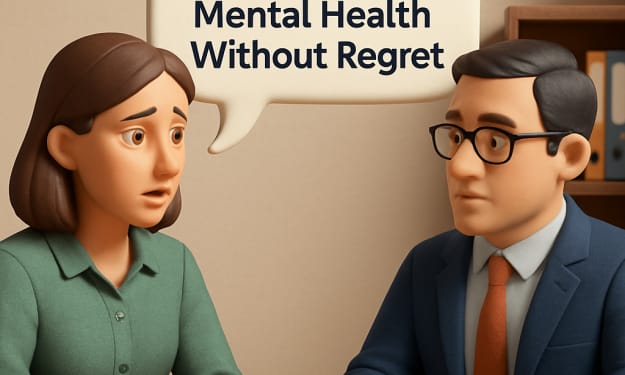
Talking to Your Boss About Your Mental Health Without Regret
The Weight of Silence Mental health challenges don’t take a break just because you’re at work. Whether it’s depression, anxiety, burnout, or a combination of emotional struggles, carrying that silent burden day after day can erode not just your well-being, but your performance, focus, and sense of purpose, too.
By Richard Baileyabout a year ago in Psyche
Why You Crave Isolation When You’re Emotionally Drained — And What It Really Means
You cancel plans last minute. Stop replying. Go silent for days. And people start asking — “What’s wrong?” “Why are you avoiding everyone?” But the truth is: **You’re not avoiding people. You’re escaping pressure.** Because when you’re emotionally drained, even small talk feels like heavy lifting. --- ### (1. You’re Not Cold — You’re Just Exhausted From Pretending) Smiling. Acting “normal.” Holding conversations you don’t have the energy for. It all feels fake when you’re not okay. So you choose silence. Not out of anger. But survival. --- ### (2. You’re Processing Emotions Internally — And That Takes Energy) You're replaying moments. Untangling thoughts. Questioning everything. And while you may seem “fine” on the outside — Inside, your mind is a storm. That kind of processing is invisible. But it’s *exhausting.* --- ### (3. You’ve Outgrown Surface-Level Conversations) The weather. The weekend. The forced laughter. None of it feels nourishing anymore. You crave depth — or nothing. Because pretending is harder than being alone. --- ### (4. You Don’t Want Advice — You Want Space) When people say “just talk to someone,” They mean well. But sometimes, you don’t want to talk. You want to *breathe.* Cry without questions. Feel without having to explain. --- ### (5. Your Nervous System Is Begging for Quiet) Noise. Notifications. Constant stimulation. When your nervous system is overloaded, even kindness can feel like pressure. You’re not rude. You’re just protecting your capacity. --- ### (6. You’re Not Lonely — You’re Recharging) There’s a difference. Loneliness is craving connection. Isolation is choosing rest. When you’re emotionally burned out, being alone is a *reset,* not a punishment. --- ### (7. You Need to Feel Safe to Be Seen — And That’s Rare) You’ve tried opening up before. And it felt like too much. Or not enough. Or misunderstood. So now, you stay quiet. Because being seen is only healing when it’s *safe.* --- ### (8. You’re Grieving Something You Haven’t Spoken Out Loud) Maybe it was a loss. A heartbreak. An identity shift. And maybe you haven’t found the words yet. But your body knows. And silence becomes your way of mourning what you can’t explain. --- ### (9. Your Energy Is Limited — And You’re Choosing Where It Goes) You only have so much to give. So when you're low, you become intentional. You stop entertaining people who drain you. You let go of roles you used to play. Not because you stopped caring — But because you started *preserving.* --- ### (10. You’re Learning That Rest Is a Form of Self-Respect) You used to push through. Smile anyway. Perform stability. Now? You shut the door. Turn your phone off. And rest. Not because you’re giving up — But because you’re finally showing yourself the care you always gave everyone else. --- ### 🌿 Final Thought You don’t need to explain your silence. You don’t need to apologize for needing time. (. . .) You’re not disappearing. You’re decompressing. You’re not pushing people away. You’re pulling *yourself* back in. So the next time you crave isolation — honor it. Not with guilt. But with grace. ** Because sometimes the quiet isn’t emptiness. It’s healing in progress. And that space you create? That’s where your soul starts to breathe again. **
By SHADOW-WRITESabout a year ago in Psyche
Emotional Mastery for Celebrities: The Role of Personalized, One-on-One Therapy
In the spotlight, everything shines — success, glamour, admiration. But behind the scenes, the lives of celebrities often tell a different story. Despite their fame, many face the silent, persistent pressure to perform, to appear perfect, to manage emotional storms while millions are watching.
By Natalie Schaffluetzelabout a year ago in Psyche
When Getting Out of Bed Feels Impossible: Micro Goals for Mental Health at Work
The Weight of the Morning There are days when the alarm clock feels like an enemy. Your body is still, and your mind is overwhelmed before your feet even touch the floor. The weight of responsibilities, emails, meetings, deadlines, can press down before you’ve even opened your eyes. For those living with depression, anxiety, or burnout, this sensation isn’t just emotional. It’s physical. Getting out of bed doesn’t feel hard, it feels impossible.
By Richard Baileyabout a year ago in Psyche
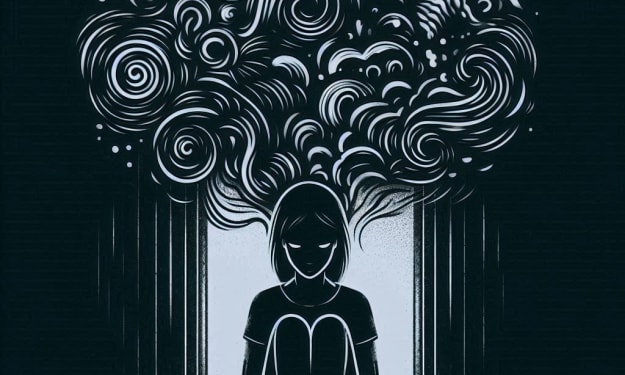
Inside My Mind: What No One Ever Saw. AI-Generated.
There’s a world inside me no one ever sees. From the outside, I look calm. Maybe even strong. I smile when I’m supposed to. I nod. I say “I’m good” on autopilot. And most people believe me — because I’ve made it believable. But inside? It’s loud. It’s heavy. It’s full of thoughts I never invited. The Noise No One Hears My mind doesn’t rest. It replays conversations, questions decisions, overanalyzes silence. It wonders: Did I say too much? Did I say enough? Did I mess it all up again? Even when I’m trying to enjoy the moment, a part of me stands in the background — narrating, judging, doubting. It’s exhausting. But it’s invisible. And that’s the hardest part. When You’re Your Own Prisoner There were days I felt like I was drowning — not in water, but in thoughts. Overthinking wasn’t just a habit; it was my home. I couldn’t make decisions without doubting myself five times. I couldn’t relax without guilt creeping in. I couldn’t celebrate anything — because my mind always asked, “What if it doesn’t last?” I was trapped. Not by circumstances. But by my own mind. And no one knew. Smiling on the Outside, Breaking on the Inside I became really good at hiding it. I wore busyness like armor. I told jokes. I helped others. I said yes to everything — because keeping others happy distracted me from facing myself. But late at night, when the world went quiet, the truth returned louder than ever. That’s when I realized something painful: I wasn’t living. I was performing. Performing sanity. Performing confidence. Performing okayness. And I was tired. The Moment I Broke — and Finally Breathed I’ll never forget the night I let it all out. I had a panic attack alone in my room. No obvious trigger — just years of bottled thoughts breaking through at once. I felt like my mind was folding in on itself. My chest was tight. My hands shook. I thought I was going crazy. But strangely… in that breakdown, there was a breakthrough. For the first time, I admitted: “I can’t do this alone anymore.” Choosing to Heal That night didn’t fix everything. But it woke me up. I started writing — not for anyone, just for me. I spilled every thought, no matter how irrational or messy. It was like opening a window in a suffocating room. Then I started reading about anxiety. Mindfulness. Trauma. Psychology. I realized my mind wasn’t broken — it was overwhelmed. And it wasn’t the enemy — it was trying to protect me. I just needed to understand it. What Helped Me Healing didn’t come in one big moment — it came in small, imperfect ones: Breathing deep when I wanted to run. Challenging the story in my head. Noticing when my thoughts weren’t true — just loud. Letting myself rest without guilt. Talking to people who truly listened — and being brave enough to say, “I’m not okay.” Slowly, I stopped fearing my mind — and started working with it. The Power of Self-Awareness Understanding your psyche is like learning a new language. It takes patience. It takes honesty. And most of all, it takes kindness toward yourself. I still overthink sometimes. I still get caught in mental loops. But now I notice them. I pause. I breathe. I remind myself: “You’re not your thoughts. You’re the one witnessing them.”
By Amin Turabiabout a year ago in Psyche
The Therapist Who Could Read Minds
Dr. Evelyn Shaw had always believed in the power of listening. For over a decade, she sat in a soft leather chair across from broken people. She let their words wash over her, unfiltered and unjudged. Her voice was always calm, her expressions unreadable, her notes discreet. She never interrupted. She listened, intently, quietly. That was her superpower—until one day, she developed another. It started on a Thursday. Her patient, Mark Reynolds, a 42-year-old accountant with anxiety, was in the middle of describing a childhood memory. His lips were moving, but Evelyn’s attention snagged on something else—a phrase, whispered clearly in her mind. > “I hate this story. She’s going to think I’m pathetic.” The voice didn’t belong to her. The words didn’t align with what Mark was actually saying. She blinked. Her breath caught. “Mark,” she interrupted, “did you just say... you think I’ll judge you?” Mark stopped talking and looked confused. “I didn’t say that.” Evelyn forced a smile. “Sorry, I must have misunderstood.” But she hadn’t misunderstood. She’d heard it—inside her head.
By Abdul Basitabout a year ago in Psyche