panic attacks
Sudden periods of intense fear. But remember, you're not alone.
Why Do People Like Music?
The Enduring Allure of Music: A Universal Language Music, an art form as ancient as humanity itself, transcends borders, languages, and eras to unite people in a shared experience of joy, sorrow, and connection. From the gentle lullabies soothing infants to the vibrant anthems echoing through stadiums, music weaves itself into the fabric of human existence. Its profound impact stems from a remarkable interplay of science, psychology, culture, and emotion, making it one of the most cherished forms of expression. But what is it about music that captivates us so deeply? The answer lies in its multifaceted ability to engage the mind, stir the heart, and foster unity.
By MAROOF KHANabout a year ago in Psyche
Sigmund Freud: The Father of Psychoanalysis and His Impact on Psychology
Sigmund Freud, an Austrian neurologist born in 1856, is widely recognized as one of the most influential and controversial figures in the history of psychology. As the founder of psychoanalysis, Freud revolutionized how we think about the human mind, behavior, and mental health. His theories have had a profound and lasting impact not only on psychology but also on art, literature, and popular culture.
By Bobi Dutchabout a year ago in Psyche
The Hidden Psychology of Connection
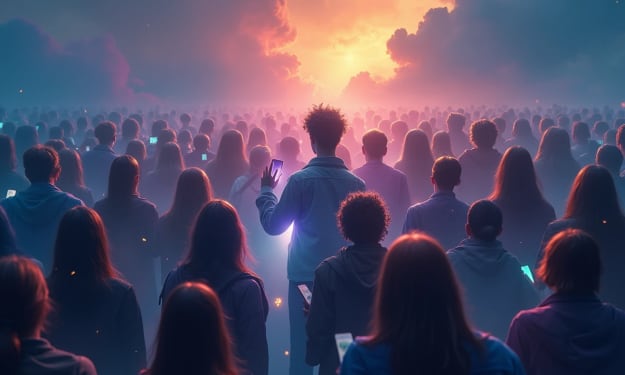
In a world more digitally connected than ever, loneliness is paradoxically thriving. As we scroll through social media feeds and interact with AI companions, we find ourselves surrounded by virtual connections that, in reality, leave us feeling more isolated than before. Eric Solomon, Ph.D., explores this paradox and reveals how the very tools meant to keep us connected might be deepening our sense of isolation. The Paradox of Digital Connection Loneliness is not a new phenomenon, but it has evolved alongside our technological advances. With smartphones, social media, and now AI companions, we have access to constant streams of communication. Yet, despite the illusion of constant connection, many of us feel more isolated than ever. This paradox becomes strikingly clear when we look around in public spaces like New York’s Union Square. People, once engaged in face-to-face conversation, are now engrossed in their phones, disconnected from the world around them. The same technology that promised to bridge the gap between us seems to have only widened it. As Solomon points out, the rise of AI chatbots and virtual assistants, like ChatGPT, reflects a new attempt to address this loneliness. These tools can simulate emotional availability, offering comfort and companionship. However, while they provide solace, they do so without reciprocity. The lack of genuine human interaction makes these digital companions seem comforting at first, but over time, they can leave us feeling even emptier and more disconnected. How Loneliness Affects Our Brain Understanding the psychological impact of loneliness is crucial. Our brains are wired for real, emotionally attuned connections. Attachment theory tells us that from birth, we crave secure relationships, and these connections are essential for our emotional and psychological well-being. But in today’s world, much of our interaction is mediated through screens, and these interactions are often brief, shallow, and performative. The result? We enter an insecure attachment loop. As we feel more isolated, we withdraw further, making it harder to trust others and open ourselves to vulnerability. This isolation becomes a vicious cycle: the lonelier we feel, the more difficult it becomes to connect, leading to even deeper isolation. The Role of Technology in Deepening Isolation Technology, though not entirely to blame, plays a significant role in exacerbating this issue. AI companions, while appearing to fulfill emotional needs, do not offer real connection. Our nervous systems, tricked into believing that these virtual interactions provide the warmth and understanding we seek, end up reinforcing our sense of emptiness. Studies have shown that those who rely heavily on chatbots for emotional support often experience greater loneliness and fewer meaningful real-life interactions. The very tools we turn to for comfort—smartphones, social media, and AI—are intensifying the loneliness they are meant to alleviate. The Collapse of Flourishing A recent Global Flourishing Study, involving over 200,000 people from more than 20 countries, reveals a disturbing trend: young adults—especially those aged 18 to 29—are struggling with mental, emotional, and social well-being. Unlike previous generations, their well-being doesn’t improve as they age. Instead, it remains stagnant, or even worsens, leading to what researchers call "the collapse of flourishing." In many parts of the world, the happiness curve that typically dips in midlife and then rises in later years has flattened entirely for this age group. The problem is not just that they are alone, as Robert Putnam’s seminal work "Bowling Alone" suggested. It’s that many young people aren't participating in social activities at all. The shift towards productivity, comparison, and digital engagement has undermined the sense of community and connection that once served as a foundation for well-being. Breaking the Cycle of Isolation So, what can we do about it? The first step is recognizing that digital detoxes won’t solve the problem. Shaming ourselves for spending too much time on our phones or social media may feel like a solution, but it’s only a temporary fix. Real change begins with acknowledging the root cause of our loneliness: the breakdown of genuine, secure human connections. Solomon emphasizes that loneliness is not simply a feeling but a neurological and behavioral issue. The more we isolate ourselves, the more our brains adapt to this isolation, making it harder to connect with others. However, there is hope. Small, consistent acts of human connection can help rewire our nervous systems. Reaching out to someone for a real conversation, attending social gatherings, or simply taking the time to be present with others can help rebuild trust and emotional resilience. The Importance of Human Connection In a world where technology is advancing faster than our ability to process its impact on our mental health, it’s easy to overlook the power of genuine human connection. While AI and digital tools can provide temporary comfort, they cannot replace the deep, meaningful bonds that come from real-life interactions. Even as technology continues to shape our lives, we must remember that true flourishing is rooted in connection with others. It’s not enough to have endless digital interactions or AI companions. We need to rebuild the emotional infrastructure of our lives—one that values vulnerability, trust, and real-time, face-to-face interactions. By doing so, we can begin to heal the psychological wounds that loneliness has inflicted on us. Conclusion As we navigate the complexities of the digital age, the challenge of loneliness looms larger than ever. Yet, as Eric Solomon’s insights reveal, there is a path forward. It may require stepping away from the digital world, even if just for a moment, to engage in the raw, imperfect, and beautiful connections that make us human. In these moments, we can find the antidote to loneliness—a deep sense of belonging that no screen or chatbot can ever replicate.
By SophiaSosoabout a year ago in Psyche
The Hour That Changed Everything
It was a mild spring afternoon, and the scent of fresh rain lingered in the air. Trees outside were beginning to bloom, and birds sang melodies that echoed through the open windows. The Mallard home was quiet, heavy with an anticipation that could not yet be named.
By Alex Farnandoabout a year ago in Psyche
Living One Day at a Time. Content Warning.
Hey guys, I have included a few photos of me video editing back in Austin, and other photos of me. This is not about me! I authored this story, created out of my dreams from my brain. I added some special effects. I also turned photos into videos. THIS IS MINE. I WORKED IN VIDEO EDITING, WRITING, PHOTOGRAPHY, MUSIC, AND FILM INDUSTRY FOR DECADES. I USED AI TOOLS TO CREATE AND TALK ABOUT PEACE, MINDFULNESS, NO DRAMA, NO GOSSIP, AND LIVING ONE DAY AT A TIME. MY WRITING. AI DID NOT WRITE THIS!!!!!!!!!!! I FIND MYSELF AT 75 BEING ON THE DEFENSIVE BECAUSE I USE MY VIDEO SKILLS UPDATED WITH NEW TECHNOLOGY. I FILMED AT THE AUSTIN MUSIC FESTIVAL, EDITING, ALL THAT. I FREE-LANCED FOR A NEWSPAPER IN NEW YORK CITY!!!!! I WORKED AT UNIVERSAL STUDIOS AS A UNION REP FOR THE IATSE. I WORKED IN HOLLYWOOD FOR DECADES. I WRITE MY OWN STUFF. COPYRIGHT 2025!!!! TRUSSELLI ART
By Vicki Lawana Trusselli about a year ago in Psyche
Mental Health & Mindfulness
Mental health is more important than ever in today's fast-paced world. Stress, anxiety, and constant distractions have become a part of daily life, affecting our emotional well-being and productivity. Mindfulness practice is an efficient strategy for regaining control of your thoughts and feelings.
By Dipak Chakrabortyabout a year ago in Psyche