family
Family can be our support system. Or they can be part of the problem. All about the complicated, loving, and difficult relationship with us and the ones who love us.
What Pain Really Does to Us
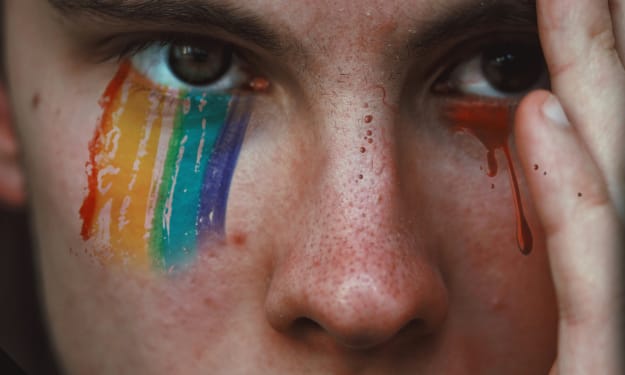
Pain is a universal experience. We all go through it in one form or another. Whether it's emotional heartbreak, physical injury, or the quiet ache of loneliness, pain is something none of us can escape. But here's the twist — pain isn't always the enemy. In fact, in many ways, it's our greatest teacher.
By F. M. Rayaanabout a year ago in Psyche
The Body Language of Relationships
In every relationship—romantic, platonic, professional, or familial—communication is key. But not all communication happens through words. In fact, research suggests that over 60% of human communication is nonverbal, conveyed through body posture, facial expressions, gestures, eye contact, and tone of voice. This silent dialogue is especially powerful in intimate and emotionally charged relationships, where our bodies often speak before our minds can form a sentence.
By Siria De Simoneabout a year ago in Psyche
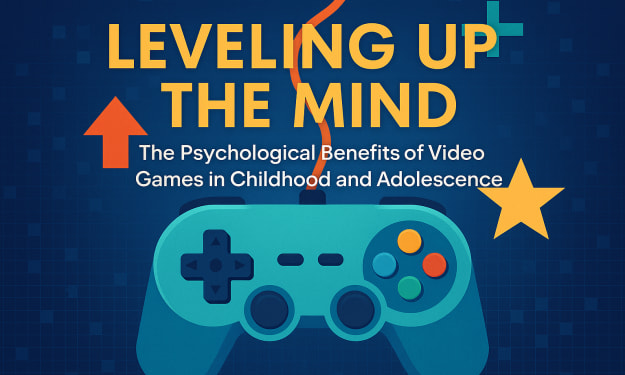
Leveling Up the Mind: The Psychological Benefits of Video Games in Childhood and Adolescence
In the past, video games have often been blamed for promooting violence, addiction, and social withdrawal in children and adolescents. While certain types of games—and excessive play—may indeed have negative consequences, a growing body of psychological research challenges the one-sided narrative. Not only can video games be entertaining, but they can also offer measurable cognitive, emotional, and social benefits, particularly when played in moderation and within supportive environments.
By Siria De Simoneabout a year ago in Psyche
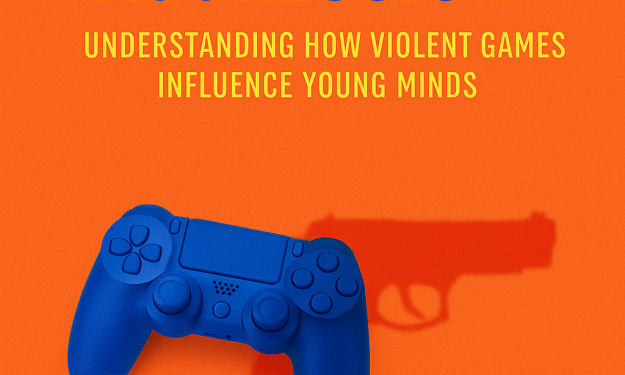
Pixels of Aggression: Understanding How Violent Games Influence Young Minds
In the digital age, video games have evolved into one of the most popular forms of entertainment for children and adolescents. From intricate storylines and high-definition graphics to interactive multiplayer experiences, gaming has become deeply embedded in youth culture. But alongside its rising popularity, a longstanding debate continues to stir concern: do violent video games influence aggressive behavior in young people?
By Siria De Simoneabout a year ago in Psyche
Breaking Free: My Journey Beyond Chronic Illness
Years of chronic illness were my constant companion. Beyond just diagnosis, chronic illness became more of a shadow that followed me around; whispering limitations, doubts and despair. Instead of just giving up jobs or plans; I had to give up who I once was as well. Today however, wellness is no longer just a dream but an established reality in my life.
By Robert Brownabout a year ago in Psyche
The Psychology Behind Ghosting—and Why It Haunts Us
It starts with silence. Not the kind that comes after a long day or the quiet that settles between people who are comfortable with each other. This is different. This silence feels like a missing person case you weren’t prepared to file. One day, they’re texting you goodnight, and the next, your messages go unanswered like they were swallowed whole by something nameless and cold.
By Noman Khan about a year ago in Psyche
Eid Hits Different When You’re Healing: The Quiet Emotions No One Talks About
Eid is often painted as a picture of joy — loud laughter, new clothes, delicious food, endless gatherings, and heartfelt hugs. And while that’s true for many, it’s not true for * everyone *. For those silently navigating grief, heartbreak, mental health struggles, or deep personal growth, Eid hits different. When you’re healing, celebrations don’t always feel like celebrations. They sometimes feel like reminders — of who’s no longer around, of the version of you that used to exist, of the emptiness you try so hard to hide. And that’s okay . This is a space for those whose Eid isn’t perfect. For the ones showing up quietly, softly, and tenderly — even when it hurts. --- **1. When the Noise Feels Too Loud** You used to love the noise — the crowded rooms, the echoing laughter, the playful chaos of family. But now, it overwhelms you. You crave peace over party. You step out just to breathe. You’re not antisocial. *(...)* You’re healing. --- **2. When the Table Feels a Little More Empty** Someone is missing. Maybe physically. Maybe emotionally. Maybe spiritually. But the absence is loud. You smile for the pictures. You serve the food. But there’s a part of you that wants to cry between servings. That’s grief. And it has a seat at the table too. --- **3. When You’re Faking the Festive Mood** Everyone’s dressed up. Everyone’s excited. You, too, wear your best — but not because you feel like it. You just don’t want anyone to ask what’s wrong. So you fake the energy. You nod, laugh, eat — and go back to feeling hollow once the door closes. *(. . .)* That’s not weakness. That’s survival. --- **4. When You’re Grateful, But Still Tired** You know you’re blessed. You say Alhamdulillah. You’re thankful for what you have — but you’re also tired of pretending everything is okay. Healing is exhausting. Smiling through it doesn’t make it less real. You’re allowed to be both grateful *and* quietly broken. --- **5. When Eid Makes You Reflect Instead of Celebrate** You start thinking more. About your past. About your future. About your growth. Eid feels more spiritual than social. You don’t want to party. You want to pray, journal, breathe — reconnect with your soul. *(. . .)* That’s growth. That’s maturity. That’s a silent win. --- ### 🌙 If This Is You, Here Are 5 Emotional Reminders: **1. You Don’t Have to Feel Joy Just Because It’s Eid** Your emotions don’t follow a calendar. And you don’t owe anyone a “happy” version of yourself today. **2. Celebrating in Your Own Way Is Still Valid** If Eid for you means quiet reflection, staying in, or crying it out — that’s still Eid. Your healing doesn’t cancel your faith. **3. You’re Not Behind in Life Just Because You’re Hurting** Growth looks different on everyone. Some bloom. Some rebuild. Some simply rest. And that’s enough. **4. You’re Allowed to Miss People and Still Move Forward** Missing them doesn’t mean you haven’t healed. It means you’re human. **5. You’re Stronger Than You Realize** Even showing up today — with pain in your chest and a smile on your face — is a kind of courage most people never understand. *(...)* You’re not weak. You’re evolving. --- ### 🌼 Final Words Eid may feel different this year. Less bright. Less full. Less joyful. But if you’re still breathing, still trying, still holding on to a sliver of hope — that *is* something worth honoring. You’re healing. And healing doesn’t always come with fireworks. Sometimes, it comes with quiet prayers behind closed doors, teary eyes during Takbir, and a soft “I’ll be okay” whispered to yourself. So to the one feeling off this Eid : You are not alone. * ( . . . ) * And even if your celebration looks different — it’s still valid, it’s still sacred, and it’s still yours .
By SHADOW-WRITESabout a year ago in Psyche
The Second Floor Needs to Be Submerged
In a world where we often think about rising above challenges, what if sometimes the solution lies beneath the surface—literally? The phrase “The second floor needs to be submerged” may sound like a strange directive, but it can be unpacked on multiple levels—literal, metaphorical, and even philosophical. Whether taken as a literal architectural challenge or as a symbol for transformation, submerging the second floor invites us to rethink stability, change, and adaptation.
By Anees Kaleemabout a year ago in Psyche