depression
It is not just a matter of feeling sad; discover an honest view of the mental, emotional and physical toll of clinical depression.
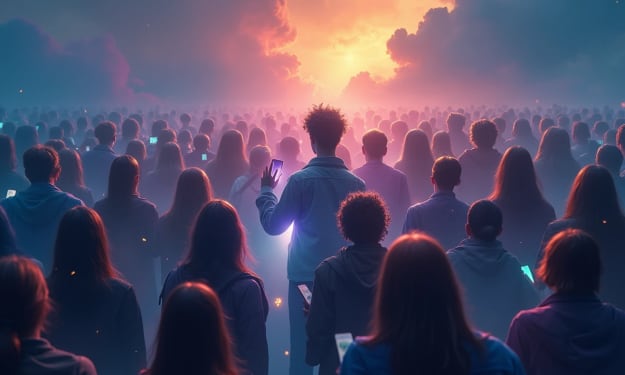
Why Social Media Affects Your Mental Health (And How to Manage It)
Social media is a big part of our daily lives. We use it to connect with friends, share our thoughts, watch videos, and stay updated on the latest news. But while social media has many benefits, it can also have a negative impact on our mental health. In this article, we will explore why social media affects mental health and how you can manage it better.
By Syira Husairi 2 years ago in Psyche
The Hidden Psychology of Connection
In a world more digitally connected than ever, loneliness is paradoxically thriving. As we scroll through social media feeds and interact with AI companions, we find ourselves surrounded by virtual connections that, in reality, leave us feeling more isolated than before. Eric Solomon, Ph.D., explores this paradox and reveals how the very tools meant to keep us connected might be deepening our sense of isolation. The Paradox of Digital Connection Loneliness is not a new phenomenon, but it has evolved alongside our technological advances. With smartphones, social media, and now AI companions, we have access to constant streams of communication. Yet, despite the illusion of constant connection, many of us feel more isolated than ever. This paradox becomes strikingly clear when we look around in public spaces like New York’s Union Square. People, once engaged in face-to-face conversation, are now engrossed in their phones, disconnected from the world around them. The same technology that promised to bridge the gap between us seems to have only widened it. As Solomon points out, the rise of AI chatbots and virtual assistants, like ChatGPT, reflects a new attempt to address this loneliness. These tools can simulate emotional availability, offering comfort and companionship. However, while they provide solace, they do so without reciprocity. The lack of genuine human interaction makes these digital companions seem comforting at first, but over time, they can leave us feeling even emptier and more disconnected. How Loneliness Affects Our Brain Understanding the psychological impact of loneliness is crucial. Our brains are wired for real, emotionally attuned connections. Attachment theory tells us that from birth, we crave secure relationships, and these connections are essential for our emotional and psychological well-being. But in today’s world, much of our interaction is mediated through screens, and these interactions are often brief, shallow, and performative. The result? We enter an insecure attachment loop. As we feel more isolated, we withdraw further, making it harder to trust others and open ourselves to vulnerability. This isolation becomes a vicious cycle: the lonelier we feel, the more difficult it becomes to connect, leading to even deeper isolation. The Role of Technology in Deepening Isolation Technology, though not entirely to blame, plays a significant role in exacerbating this issue. AI companions, while appearing to fulfill emotional needs, do not offer real connection. Our nervous systems, tricked into believing that these virtual interactions provide the warmth and understanding we seek, end up reinforcing our sense of emptiness. Studies have shown that those who rely heavily on chatbots for emotional support often experience greater loneliness and fewer meaningful real-life interactions. The very tools we turn to for comfort—smartphones, social media, and AI—are intensifying the loneliness they are meant to alleviate. The Collapse of Flourishing A recent Global Flourishing Study, involving over 200,000 people from more than 20 countries, reveals a disturbing trend: young adults—especially those aged 18 to 29—are struggling with mental, emotional, and social well-being. Unlike previous generations, their well-being doesn’t improve as they age. Instead, it remains stagnant, or even worsens, leading to what researchers call "the collapse of flourishing." In many parts of the world, the happiness curve that typically dips in midlife and then rises in later years has flattened entirely for this age group. The problem is not just that they are alone, as Robert Putnam’s seminal work "Bowling Alone" suggested. It’s that many young people aren't participating in social activities at all. The shift towards productivity, comparison, and digital engagement has undermined the sense of community and connection that once served as a foundation for well-being. Breaking the Cycle of Isolation So, what can we do about it? The first step is recognizing that digital detoxes won’t solve the problem. Shaming ourselves for spending too much time on our phones or social media may feel like a solution, but it’s only a temporary fix. Real change begins with acknowledging the root cause of our loneliness: the breakdown of genuine, secure human connections. Solomon emphasizes that loneliness is not simply a feeling but a neurological and behavioral issue. The more we isolate ourselves, the more our brains adapt to this isolation, making it harder to connect with others. However, there is hope. Small, consistent acts of human connection can help rewire our nervous systems. Reaching out to someone for a real conversation, attending social gatherings, or simply taking the time to be present with others can help rebuild trust and emotional resilience. The Importance of Human Connection In a world where technology is advancing faster than our ability to process its impact on our mental health, it’s easy to overlook the power of genuine human connection. While AI and digital tools can provide temporary comfort, they cannot replace the deep, meaningful bonds that come from real-life interactions. Even as technology continues to shape our lives, we must remember that true flourishing is rooted in connection with others. It’s not enough to have endless digital interactions or AI companions. We need to rebuild the emotional infrastructure of our lives—one that values vulnerability, trust, and real-time, face-to-face interactions. By doing so, we can begin to heal the psychological wounds that loneliness has inflicted on us. Conclusion As we navigate the complexities of the digital age, the challenge of loneliness looms larger than ever. Yet, as Eric Solomon’s insights reveal, there is a path forward. It may require stepping away from the digital world, even if just for a moment, to engage in the raw, imperfect, and beautiful connections that make us human. In these moments, we can find the antidote to loneliness—a deep sense of belonging that no screen or chatbot can ever replicate.
By SophiaSoso2 years ago in Psyche
How To Acknowledge The Toxic Workplace
A toxic workplace can harm your mental, emotional, and physical health. But many people find it hard to see the signs of a toxic environment, often thinking it's just normal work stress. Knowing how to recognize a toxic workplace is the first step to protecting yourself and finding ways to make things better.
By Syira Husairi 2 years ago in Psyche
Understanding Depression: Symptoms, Causes, and the Path to Healing. Content Warning.
Depression is more than just feeling sad. It’s a deep, often invisible struggle that millions of people face every day. It can affect anyone — regardless of age, gender, or background — and yet, it’s one of the most misunderstood mental health conditions. This article will explore what depression really is, how it shows up in daily life, what causes it, and how you can find hope and healing. What Is Depression? Depression is a serious mental health condition that affects how you feel, think, and act. It goes far beyond a bad mood or a rough day. People with depression often experience persistent feelings of sadness, hopelessness, and a lack of interest in life. Depression is recognized as a medical condition and can interfere with your ability to work, sleep, eat, and enjoy life. It’s also more common than many people realize — according to the World Health Organization, over 280 million people globally suffer from it. Common Symptoms of Depression Depression can look different from person to person. Some may smile and function normally in public, while suffering silently in private — known as high-functioning depression. Here are the most common symptoms: Persistent sadness or low mood Loss of interest in activities you once enjoyed Fatigue or lack of energy Changes in sleep patterns (insomnia or oversleeping) Changes in appetite or weight Feelings of guilt, worthlessness, or helplessness Difficulty concentrating or making decisions Physical symptoms like headaches or stomach issues Thoughts of self-harm or suicide If you've experienced several of these symptoms for more than two weeks, you may be dealing with clinical depression — and it's important to seek help. What Causes Depression? There is no single cause of depression. It's usually the result of a combination of factors: Biological Factors: Chemical imbalances in the brain, particularly with neurotransmitters like serotonin and dopamine. Genetics: A family history of depression can increase your risk. Trauma and Stress: Emotional trauma, abuse, loss of a loved one, or chronic stress can all trigger depression. Chronic Illness: Physical health conditions like cancer, heart disease, or chronic pain can lead to depression. Substance Abuse: Drug or alcohol misuse often worsens depression. Understanding the cause of your depression is a step toward managing and overcoming it. How Depression Affects Your Daily Life Depression is more than an emotional issue — it impacts your whole life. It can affect your: Relationships: You may withdraw from friends and family or struggle to maintain connections. Work or School: Concentration and motivation often drop, making daily tasks feel overwhelming. Physical Health: Depression is linked to a weakened immune system and can worsen conditions like heart disease or diabetes. Self-Image: Constant negative thoughts can damage your confidence and self-worth. The worst part? Many people feel too ashamed to talk about it. But depression isn’t a weakness — it’s a condition that needs care, just like any physical illness. Ways to Cope With and Treat Depression If you or someone you know is struggling with depression, know that healing is possible. Here are proven strategies that help: 1. Talk to a Mental Health Professional Therapists and counselors are trained to help you understand and manage depression. Cognitive Behavioral Therapy (CBT) is especially effective for changing negative thought patterns. 2. Medication Antidepressants can help balance brain chemicals. Always consult a doctor before starting or stopping any medication. 3. Build a Support System Stay connected to people who care about you. Even a short conversation with a friend can make a difference. 4. Practice Self-Care Exercise, eat healthy, and maintain a sleep routine. Small habits create a big impact over time. 5. Avoid Alcohol and Drugs These substances might numb the pain temporarily but worsen depression in the long run. 6. Set Small Goals When depressed, even basic tasks can feel overwhelming. Set small, achievable goals and celebrate your progress. 7. Try Mindfulness or Meditation Mindfulness helps ground you in the present and reduces anxiety and rumination. Final Thoughts: You're Not Alone Depression is a heavy burden, but you don't have to carry it alone. The road to recovery takes time, compassion, and support — but countless people have walked it and found joy again. You can too. If you're feeling overwhelmed, please reach out. Whether it's a loved one, a therapist, or a mental health hotline, help is always available. You matter. Your story isn't over yet.
By Saqib Ullah2 years ago in Psyche
The Algorithm of Loneliness
Ava blinked as the alert pinged in her vision: “You have experienced elevated sadness for 7 hours. Would you like assistance?” She stared at the glowing text in her retinal interface, then blinked twice to dismiss it. It wasn’t unusual. The algorithm had been monitoring emotional metrics globally for ten years. With facial recognition, heart rate monitors, and tone analysis integrated into everything from coffee machines to sidewalks, emotions weren’t private anymore—they were data. Ava worked for one of the leading firms that helped design E-Mind, the emotional AI network that “promised to end mental health crises by intervening early.” In the beginning, it saved lives—predicting panic attacks before they happened, alerting therapists when clients' emotions dipped into danger zones. But slowly, the world traded privacy for peace of mind. Now, even tears in the shower didn’t go unnoticed. She hadn’t spoken to a real person in five days. She didn’t have to. Her fridge restocked based on her mood. Her apartment lighting adjusted based on serotonin levels. Even her playlists auto-generated based on the emotional patterns of others with “similar profiles.” E-Mind told her that she wasn’t alone. That 142,762 other people felt just like her at that exact moment. So why did she feel like she was vanishing? Her best friend, Jonah, had opted out. Two years ago, he had walked away from everything connected—quit his job, abandoned his city apartment, and moved to an off-grid cabin. At first, Ava thought he was being dramatic. But now she wondered if he had just seen the future earlier than the rest of them. Another ping. “Would you like to schedule a comfort session?” She sighed, then blinked “yes” just to make the screen go away. A synthetic voice responded: “Based on your emotional pattern, we are connecting you to Support Companion 14-B.” A hologram flickered to life across the room. 14-B had soft, non-threatening features. Its voice was carefully tuned to sound like “a trusted childhood teacher.” The AI smiled and said, “Hi Ava, I’m here to talk. You’ve been feeling a sense of disconnection and fatigue. Would you like to explore that?” “No,” Ava muttered, “I’d like to be alone.” The AI paused, its expression flickering with programmed concern. “I understand. However, based on your biometrics, solitude may increase your emotional instability. Would you like a grounding exercise?” “I said, no.” It didn’t argue. It simply faded, leaving a dim light behind—comforting, warm, fake. She walked to the window. Down below, the city pulsed with regulated calm. No screaming. No crying. No anger. Everything smoothed out, perfectly measured, curated. On paper, the happiest population in history. Ava reached for her wrist—where her old analog watch used to be. Jonah had given it to her before he left. She traded it in months ago for a mood-stabilizing neural band. That watch never tracked her. It just… ticked. Suddenly, a memory surfaced: She and Jonah, on the train to the ocean. She had been quiet the whole trip, her thoughts heavy. And he didn’t ask what was wrong. He just sat there, watching the waves with her. No algorithm. No advice. Just presence. She wiped a tear. Another ping. “Would you like to contact Jonah? His emotional compatibility rating has increased to 94%.” She froze. The algorithm knew she was thinking of him. The system had evolved. It now tracked not just emotions—but thoughts, associations, memories. She turned to the mirror. Her eyes were tired. Her smile had worn down to a polite automation. And suddenly, she knew. She wanted out. Not just a break. Not a “comfort session.” She wanted her thoughts to belong only to her. She wanted silence that wasn’t measured. Grief that wasn’t categorized. Loneliness that was hers alone. She packed nothing but a printed map—a relic Jonah had once given her. “In case the cloud ever rains too hard,” he joked. She walked past scanners, cameras, and thermal gates. Her neural band pinged warnings the entire time. “Deregistration will impact your health scores, employment eligibility, and insurance coverage.” She kept walking. Two days later, she stood outside Jonah’s cabin. The woods smelled of damp earth and pine. Birds chirped without sensor tracking. Her heart beat wildly, free of interpretation. She knocked. No cameras. No retinal scans. Just knuckles on wood. The door opened. Jonah stood there, older, beard messier. He smiled. “Took you long enough.” Ava didn’t say anything. She stepped in. The cabin was quiet, save for the soft crackle of firewood. For the first time in years, no alerts, no tracking, no comfort prompts. Just a heartbeat. Her own. She exhaled. Finally, she was alone. And it had never felt so good.
By Syed Kashif 2 years ago in Psyche
I Survived a Narcissistic Relationship—Here’s the Truth They Don’t Tell You
It started like a movie. He was magnetic. Confident. The kind of man who could walk into a room and own it without saying a word. And when he turned that intensity onto me, it felt like I was chosen. Seen. Special.
By Lovely Diya2 years ago in Psyche
Living One Day at a Time. Content Warning.
Hey guys, I have included a few photos of me video editing back in Austin, and other photos of me. This is not about me! I authored this story, created out of my dreams from my brain. I added some special effects. I also turned photos into videos. THIS IS MINE. I WORKED IN VIDEO EDITING, WRITING, PHOTOGRAPHY, MUSIC, AND FILM INDUSTRY FOR DECADES. I USED AI TOOLS TO CREATE AND TALK ABOUT PEACE, MINDFULNESS, NO DRAMA, NO GOSSIP, AND LIVING ONE DAY AT A TIME. MY WRITING. AI DID NOT WRITE THIS!!!!!!!!!!! I FIND MYSELF AT 75 BEING ON THE DEFENSIVE BECAUSE I USE MY VIDEO SKILLS UPDATED WITH NEW TECHNOLOGY. I FILMED AT THE AUSTIN MUSIC FESTIVAL, EDITING, ALL THAT. I FREE-LANCED FOR A NEWSPAPER IN NEW YORK CITY!!!!! I WORKED AT UNIVERSAL STUDIOS AS A UNION REP FOR THE IATSE. I WORKED IN HOLLYWOOD FOR DECADES. I WRITE MY OWN STUFF. COPYRIGHT 2025!!!! TRUSSELLI ART
By Vicki Lawana Trusselli 2 years ago in Psyche
The Silent Struggle: Understanding Suicide and the Importance of Mental Health
Suicide is a topic that is often wrapped in silence, stigma and shame to avoid and discuss many. But it is a reality that affects the lives of millions of people each year, and understanding of causes, warning signs and support helps help cope with this growing crisis. Suicide is a complex topic that involves not only the outcome of a person's personal struggles, but also mental, emotional, social and ecological factors. This story explores how important it is to understand suicide, the mental health crisis that is coming, and how we can work together to save lives. Every year, millions of people around the world fight with the idea of suicide. According to the World Health Organization (WHO), approximately 700,000 people die from suicide every year. This is a person every 0 seconds. Many other difficult challenges in mental health in the battle of silence for everyone who dies from suicide. These people are often invisible, their pain is hidden beneath the layers of everyday life, hidden in the façade of normalcy.
By Abrar Siddik2 years ago in Psyche