depression
It is not just a matter of feeling sad; discover an honest view of the mental, emotional and physical toll of clinical depression.
The Art of Quitting
The Art of Quitting By HAROON YOUNAS I quit the day I stopped lying to myself. It was a Tuesday—gray, indecisive weather, the kind that doesn’t know whether to rain or clear. I sat in the corner booth of Café Duvet, sipping lukewarm coffee and staring at a laptop screen I hadn't typed anything meaningful into in over three hours. The blinking cursor mocked me.
By HAROON YOUNASabout a year ago in Psyche
The Peace Within Accountability
There is peace in accountability. If you’d met me several years ago, you couldn’t have paid me to admit that. The truth is, several years ago, I myself was oblivious to this notion. I’d been in conflict after conflict and not one time had I come out on the bottom of it, even if I truly had. If I said it was so, you couldn’t convince me otherwise. And oh, honey I would die on that hill. There was something powerful about lacking any control for much of my life, eventually learning that I can build my own narrative beautifully crafted in any way that I want. What did I want? Control. How did I get it? By being right. Ultimately, I spent over twenty seven of the twenty-eight years on this Earth failing at what I now know as gaslighting. Crafting weak fairytales in a vain attempt to keep what little control I had over my life.
By The Darkest Sunriseabout a year ago in Psyche
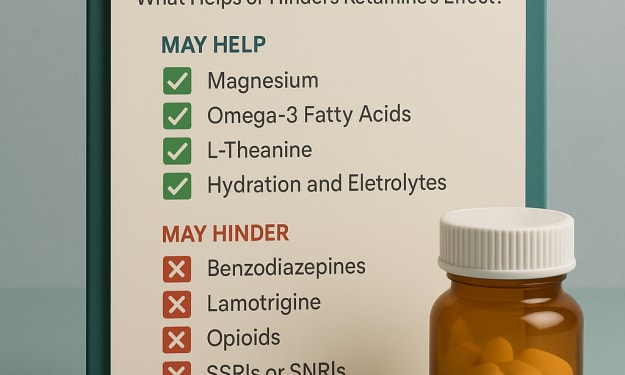
Personalizing Ketamine Doses: Why Body Composition Matters
In recent years, ketamine has emerged as a powerful tool in the treatment of depression, PTSD, anxiety, and chronic pain. Yet one of the most overlooked elements in its administration is how body composition can dramatically influence the effectiveness of each dose.
By Richard Baileyabout a year ago in Psyche
A Voice I Only Hear in Dreams
I first heard her voice in a dream. It wasn’t a whisper or a shout, but something in between—soft and clear, like a melody drifting across a quiet room. I woke up with the sound still humming in my ears, but when I reached for it in the waking world, it slipped away like smoke through my fingers. The memory of that voice clung to me, fragile and elusive, like a secret waiting just beyond reach.
By Abuzar khanabout a year ago in Psyche
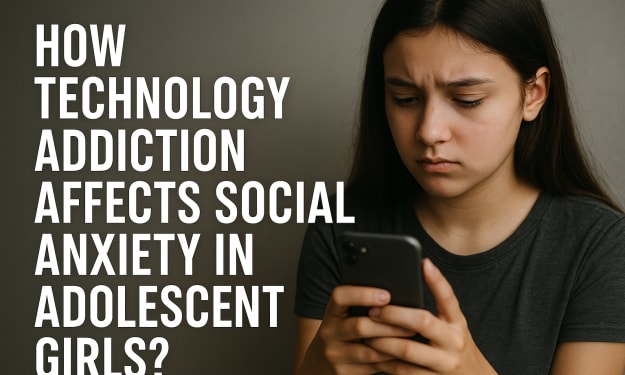
The Age of Digital Solitude. AI-Generated.
There’s a peculiar irony in the fact that we’ve never been more connected—and never felt more alone. At any given moment, you can message a friend, join a group chat, scroll through countless lives on your feed, or video call someone halfway across the globe. Technology has dissolved distances, collapsed borders, and placed entire communities in our palms. But something’s missing. Something very human. Something we forgot to feel.
By Ahmet Kıvanç Demirkıranabout a year ago in Psyche
Depression in Smiling Faces: The Hidden Pain of High-Functioning Depression
Introduction: The Mask We Wear Every day, millions of people walk through life wearing a mask. You see them at work, laughing at jokes. You see them on social media, posting selfies and quotes about strength. You may even live with one—someone who seems completely fine on the outside, but inside, they’re struggling to hold themselves together. This is high-functioning depression, and it’s one of the most misunderstood mental health conditions today. What Is High-Functioning Depression? High-functioning depression isn't a formal diagnosis in the DSM-5, but it's often related to a condition called Persistent Depressive Disorder (PDD), or dysthymia. Unlike major depressive disorder, it doesn’t always knock someone down so hard that they can’t get out of bed. Instead, it’s quieter. More subtle. But just as painful. People with high-functioning depression: Hold down jobs or go to school Meet deadlines Socialize (even if it drains them) Smile, laugh, and appear “normal” But inside, they may be feeling: Emotionally numb Constantly exhausted Hopeless or empty Self-critical or unworthy They’re often functioning just enough to seem okay, but they are carrying a heavy emotional burden. The Silent Struggle: Why It’s So Hard to Spot The hardest part about high-functioning depression is that it’s nearly invisible. Many people with it are high achievers. They may be straight-A students, successful professionals, or the “strong friend” everyone leans on. Because of this, they often feel ashamed of their struggles. They tell themselves: “I have no reason to be sad.” “Others have it worse.” “If I ask for help, people will think I’m weak.” This inner dialogue creates a toxic loop of guilt, silence, and isolation—and that’s what makes it dangerous. What It Feels Like (From the Inside) Imagine waking up every morning feeling like you’re under a heavy, invisible blanket. You still get up. You go to work. You talk to people. But everything feels harder than it should. The joy you used to feel? Gone. You laugh, but it doesn’t reach your heart. You check your phone for messages, secretly hoping no one needs anything from you. You might even tell yourself: “I’m just tired.” But deep down, you know it’s something more. High-functioning depression feels like drowning in slow motion, while the world around you keeps moving. Why People Don’t Seek Help Here are some common reasons people hide their depression: 1. Fear of judgment – They don’t want to seem weak or dramatic. 2. Fear of being misunderstood – “You don’t look depressed” is a phrase that cuts deep. 3. They don’t recognize it themselves – If they’re still “getting things done,” they assume they’re fine. 4. Social pressure to appear happy – Especially on social media, where smiles are expected.
By Shoaib Afridiabout a year ago in Psyche
The Difficulty Of Freedom
In the US, many people Celebrate today as a Day of Freedom from Tyranny. Now, if you go into the History of the US, there are Challenges that Exist, and some may say this is not accurate, or that it is a day about the "Possibility" of Freedom.
By H.E. Dr. Cody Dakota Wooten, COIE, DFM, DHMabout a year ago in Psyche
Why Your Soul Craves Silence — Even When You’re Not Sad
Silence doesn’t always mean sadness. Sometimes it means healing. Recharging. Breathing. And if you’ve ever found yourself craving quiet — not because you’re upset, but because noise feels too loud for your soul — you’re not broken. You’re human. Here’s why some people crave silence even when everything seems “fine” on the outside. --- ### (1. Your Nervous System Is Tired) Not tired like “take a nap.” Tired like “I’ve been in fight-or-flight for years.” Your body doesn’t just need rest — it needs *calm.* Silence becomes a way to self-soothe. To finally step out of survival mode. To feel safe in your own skin again. --- ### (2. You’re an Emotional Absorber) You don’t just listen — you *absorb.* People come to you with their problems. And even if you don’t speak, you carry their weight quietly. Silence becomes your detox. A sacred space where other people’s emotions stop leaking into your own. --- ### (3. Noise Feels Like Pressure) Social media. Group chats. “Let’s hang out.” Even when it’s well-meaning, constant connection can feel like pressure. To reply. To be “on.” To perform your best self. Silence removes the performance. It lets you just *be.* Without filters. Without replies. Without expectations. --- ### (4. You Think in Layers — Not Just Surface Thoughts) Some people speak to think. You think before speaking. You feel before reacting. Silence gives your mind the space to process your depth. To untangle emotions. To create meaning out of the chaos. Your soul doesn’t fear silence — it thrives in it. --- ### (5. Your Inner World Is Richer Than Most People’s Outer One) You don’t get bored easily. You daydream. Reflect. Imagine. Conversations are fun — but silence is *nourishing.* It’s where you create. Where you find clarity. Where your truth speaks loudest. --- ### (6. You’ve Been Hurt By Noise Before) Maybe people used their words to hurt you. Mock. Dismiss. Overwhelm. Noise became associated with stress, conflict, or manipulation. So now, silence feels safer. Not because you’re running from people — but because you’re finally running *toward* peace. --- ### (7. Silence Is How You Return To Yourself) In the noise of the world, it’s easy to forget who you are. You play roles. Wear masks. Perform strength. But in the quiet — your real self whispers back. She says, “You’re doing better than you think.” “You don’t have to prove anything.” “You can rest now.” --- ### (8. You’re Sensitive to Energy — And Silence Filters the World) Some people walk into a room and feel nothing. You walk in and *feel everything.* Tension. Vibes. Unspoken thoughts. Silence helps you filter it out. Reclaim your space. And come back to center. --- ### (9. Silence Isn’t Loneliness — It’s Luxury) Most people avoid silence because it forces them to face themselves. But you’ve made peace with solitude. You understand that being alone isn’t the same as being lonely. In fact — it’s often the most honest place to be. --- ### (10. You’re Not Shutting the World Out — You’re Rebuilding Your Inner One) Silence isn’t rejection. It’s renovation. You’re not ignoring people — you’re listening to *yourself.* You’re not cold — you’re conserving your energy. You’re not distant — you’re deeply *present* with your own needs. - - - - - - - - - - - - - - ### 🌿 Final Thought Some people need noise to escape themselves. Others need silence to *return to* themselves. If your soul craves quiet — honor it. Let the world move fast without you. Let the calls go unanswered. Let the silence stretch. Because in those sacred gaps, you’re not falling behind — **You’re finally catching up to yourself.** And that’s not isolation. That’s *alignment.*
By SHADOW-WRITESabout a year ago in Psyche