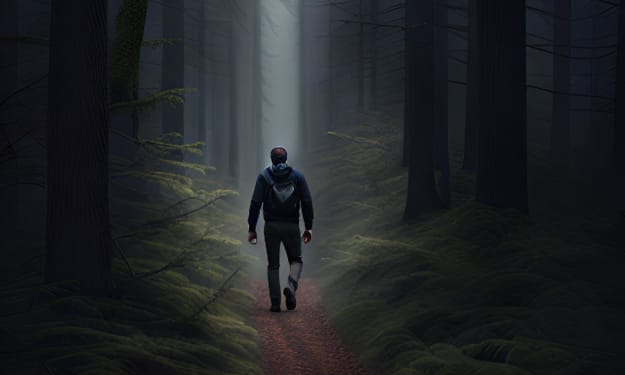
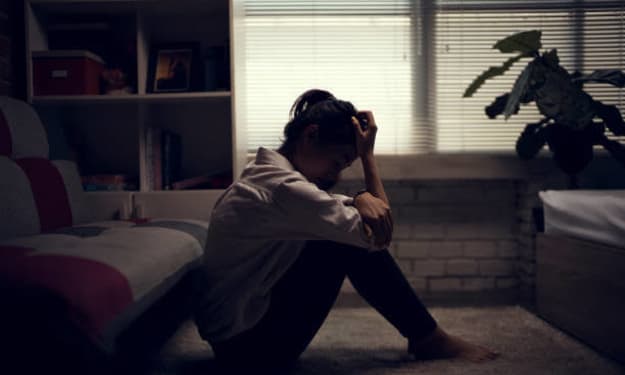
depression
It is not just a matter of feeling sad; discover an honest view of the mental, emotional and physical toll of clinical depression.
A Whole New Ball Game: Pressed “Prescription” Pills
Author foreword I got sober nearly 5 years ago. At this time pills were considered a “safe” option in terms of risk of overdose. You knew what you were getting. You bought Xanax, you knew you were getting Xanax. You bought oxycodone, that what you were getting. It was a miserable life of addiction, but things were slightly safer. The risk of overdose was always looming, but to a smaller degree. I came across a few pressed pills near the end of my using days, and they were immediately identifiable as fake. Chalky, misshaped, etc.
By Chris Giesen3 years ago in Psyche
Coping with Rejection
Rejection is an experience that strikes a deep chord within us, often causing profound emotional pain. It's a feeling of not being wanted, and it can hurt as much as physical pain, as confirmed by fMRI studies. Many languages use terms associated with physical pain to describe the emotional pain of rejection, such as feeling "crushed" or "broken-hearted." But why does rejection evoke such a strong response, and how can we cope with this unique kind of pain? Psychologists define rejection as the perception that others do not value having social connections with us. It can occur when we're abandoned by a romantic partner, excluded from a group, or subjected to outright discrimination. However, it's essential to understand that interpersonal rejections, like being abandoned by a romantic partner, have a social element that distinguishes them from professional rejections, like not getting a job. In interpersonal rejections, we perceive that the rejecting party undervalues our relationship. Even rejections from relative strangers can hurt our feelings because these emotional experiences are wired to alert us to perceived threats to our social well-being, just as physical pain warns us about threats to our physical well-being.
By Maliha Arshad3 years ago in Psyche
Lonely Me
In the tranquil corners of a clamoring city, a young lady named Sarah carried on with a daily existence covered in haziness. Misery had woven its stifling rings around her, hauling her into a pit of depression she was unable to get away. Her reality, once loaded up with lively varieties and chuckling, had transformed into a monochrome scene of separation and trouble.
By Olaide Subair 3 years ago in Psyche
The Simplest Way To Start Self-Love
Self-love is so important for overall mental and physical health. Much psychology research has shown that people with high self-esteem are more likely to be happy, healthy, and successful in life. They are also more likely to have strong relationships and make good choices. Not surprisingly, lacking self-love can have dire consequences for the individual, as revealed by a 2019 study by the University of California, which found that 80% of people experience low self-esteem at some point in their lives. Yet another study, published in the journal "Self and Identity" in 2020, found that people with low self-esteem are more likely to experience depression, anxiety, and other health concerns.
By Elaine Sihera 3 years ago in Psyche
Social Media and Mental Health
In today's digital age, social media platforms like Facebook, Instagram, and TikTok have become an integral part of our daily lives. These platforms offer a space for self-expression, connection, and entertainment. However, as their influence grows, so does the debate about their impact on mental health. Let's delve into the intricate relationship between these platforms and our well-being.
By Julius Georgy3 years ago in Psyche