
How to Overcome Social Anxiety
Simple, practical steps to reduce fear, stop overthinking, and build real confidence in social situations
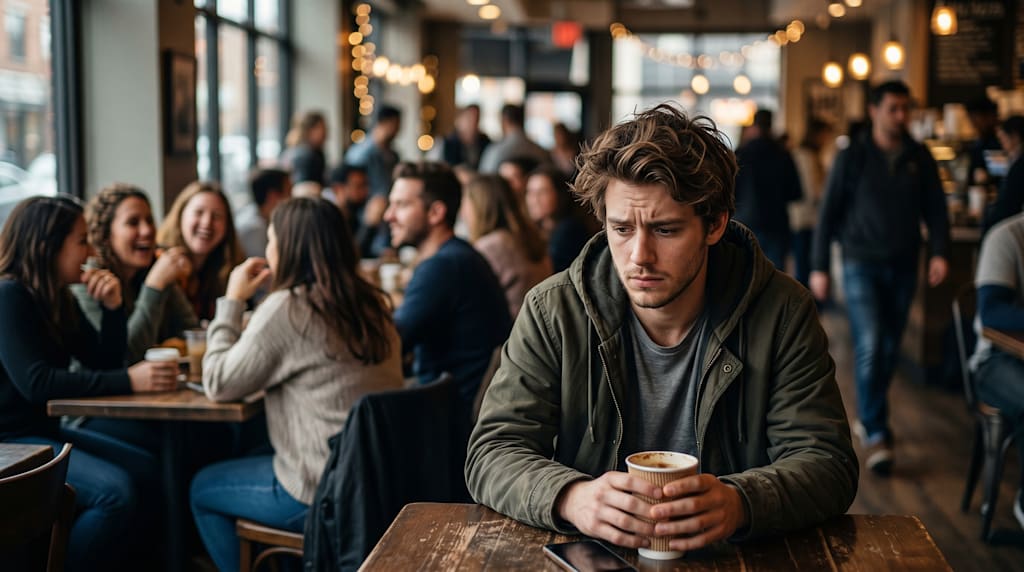
Social anxiety is not just “being shy.” It is a deeper feeling of fear, nervousness, and self-consciousness that shows up in everyday social situations. A simple conversation, meeting new people, speaking in public, or even answering a question can feel overwhelming for someone dealing with it.
The important thing to understand is this: social anxiety is not permanent. It is a learned fear response, and like any habit, it can be reduced and controlled with the right approach. You don’t need to become a completely different person—you just need to train your mind to feel safe in social situations again.
This article will guide you through what social anxiety is, why it happens, and most importantly, how to overcome it step by step in a practical and realistic way.
What Social Anxiety Really Feels Like
Social anxiety is often invisible to others, but inside the mind, it feels very intense. People may experience:
Fear of being judged or laughed at
Overthinking every word before speaking
Avoiding eye contact
Physical symptoms like sweating or shaking
Replaying conversations again and again
Feeling “less important” than others
A person may even avoid normal life activities like attending events, speaking in class, or making phone calls.
What makes it worse is the “after-effect.” Even after a small conversation, the mind keeps analyzing mistakes that others didn’t even notice.
Why Social Anxiety Happens
There is no single cause, but usually it develops due to a mix of experiences and thoughts:
1. Fear of judgment
You start believing others are constantly evaluating you.
2. Low confidence
When self-esteem is low, social situations feel more threatening.
3. Past negative experiences
Embarrassment, bullying, or rejection can create long-term fear.
4. Overthinking habit
The mind exaggerates small mistakes into “big problems.”
5. Lack of practice
Avoiding people makes the fear stronger over time.
The key point is simple: social anxiety grows when avoidance increases.
Step 1: Start Small Instead of Avoiding
One of the biggest mistakes people make is complete avoidance. Avoiding social situations gives short-term relief but increases fear in the long run.
Instead, start small:
Say “hello” to someone daily
Ask simple questions like directions or time
Talk briefly with a shopkeeper
Make short conversations with classmates or coworkers
These small actions train your brain that social interaction is safe.
Step 2: Stop Overthinking Conversations
Overthinking is the main fuel of social anxiety.
Most people are not analyzing your mistakes. They are focused on themselves.
When you catch yourself overthinking, replace thoughts like:
❌ “I sounded stupid”
✔ “It was just a normal conversation”
❌ “They think I’m weird”
✔ “They probably didn’t notice anything wrong”
Your goal is not perfect speech—it is natural communication.
Step 3: Control Your Body, Control Your Mind
Your body and mind are deeply connected. When your body is calm, your mind follows.
Try these simple techniques:
Slow breathing (inhale 4 seconds, exhale 6 seconds)
Relax your shoulders before speaking
Maintain soft eye contact
Speak slightly slower than normal
These small changes reduce nervous energy instantly.
Step 4: Build Confidence Through Repetition
Confidence is not something you “think into existence.” It is built through experience.
Every time you face a social situation, your brain learns:
👉 “Nothing bad happened”
👉 “I survived that interaction”
Over time, fear decreases naturally.
Start with:
Short conversations
Then group conversations
Then public speaking or presentations
Progress slowly, not forcefully.
Step 5: Reduce Social Media Comparison
Social media often increases social anxiety because it shows only perfect lives, perfect faces, and perfect moments.
This creates unrealistic expectations like:
“Everyone is more confident than me”
“I am behind others”
But reality is very different. Everyone struggles socially in some way.
Limit scrolling time and focus more on real-life interactions.
Step 6: Improve Self-Image
How you see yourself affects how you behave in social situations.
If your self-image is negative, anxiety increases.
To improve it:
Take care of your appearance
Exercise regularly
Learn new skills
Keep small daily achievements
When you respect yourself, others feel it too.
Step 7: Accept Imperfection
One of the biggest hidden causes of social anxiety is perfectionism.
You don’t need to:
Say everything perfectly
Look perfect
Avoid all mistakes
Even confident people make awkward mistakes. The difference is—they don’t overthink them.
A simple mindset shift:
👉 “It’s okay to be imperfect in conversations.”
This alone reduces anxiety significantly.
Final Thoughts
Social anxiety does not disappear overnight. It improves step by step through practice, patience, and self-awareness.
The real solution is not avoiding people—it is gradually facing social situations until your mind learns they are not dangerous.
Start small. Speak more. Think less. Improve slowly.
Confidence is not something you are born with—it is something you build.
A
About the Creator
Enjoyed the story? Support the Creator.
Subscribe for free to receive all their stories in your feed.
Comments
There are no comments for this story
Be the first to respond and start the conversation.