
Depression Therapy: Types, Benefits, and How to Choose the Right Treatment
A practical guide to understanding depression therapy, exploring different treatment approaches, and finding the support that best fits your mental health journey.

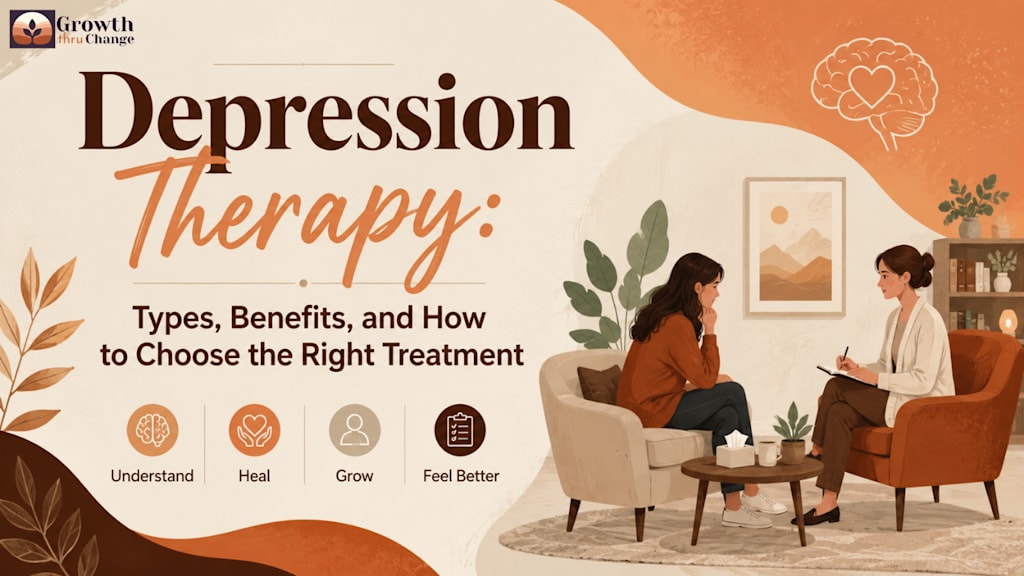
Depression is one of the most common mental health conditions worldwide, affecting people of all ages and backgrounds. While everyone experiences sadness from time to time, depression is more than a temporary emotional low. It can influence the way you think, feel, and function in everyday life. Fortunately, effective treatment is available, and depression therapy has helped millions of people improve their emotional well-being and regain a sense of balance.
If you've been wondering whether therapy is the right choice or you're simply looking to understand the available options, this guide explains what depression therapy is, the different approaches used by mental health professionals, and how to choose the treatment that best fits your needs.
What Is Depression Therapy?
Depression therapy refers to professional psychological treatment designed to help people understand and manage symptoms of depression. Therapy provides a safe, confidential environment where individuals can explore their thoughts, emotions, behaviors, and life experiences with the guidance of a qualified mental health professional.
Unlike advice from friends or family, therapy uses evidence-based techniques that are tailored to each person's unique circumstances. The goal isn't simply to "feel happier," but to develop healthier coping strategies, improve emotional resilience, and address the underlying factors contributing to depression.
For many people, therapy is effective on its own. Others may benefit from combining therapy with medication, depending on the severity of their symptoms and recommendations from a healthcare provider.
Common Signs That Therapy May Help
Depression can appear differently from one person to another. Some individuals experience persistent sadness, while others mainly notice fatigue, irritability, or a loss of motivation.
You may benefit from depression therapy if you experience:
- Persistent sadness lasting two weeks or longer
- Loss of interest in activities you once enjoyed
- Difficulty concentrating or making decisions
- Changes in sleep patterns
- Appetite or weight changes
- Low energy or constant fatigue
- Feelings of guilt, hopelessness, or worthlessness
- Withdrawal from family, friends, or social activities
- Difficulty managing work, school, or daily responsibilities
Experiencing one or more of these symptoms does not automatically mean you have depression. A qualified mental health professional can provide an appropriate evaluation and recommend the most suitable treatment.
Types of Depression Therapy
There isn't a single therapy that works for everyone. Mental health professionals often recommend different approaches based on an individual's symptoms, personal goals, and medical history.
Cognitive Behavioral Therapy (CBT)
Cognitive Behavioral Therapy, often called CBT, is one of the most researched and widely used treatments for depression. It focuses on identifying negative thought patterns and replacing them with healthier, more balanced ways of thinking.
CBT also encourages practical problem-solving and behavioral changes that can improve mood over time. Many people appreciate its structured approach and the skills they can continue using long after therapy ends.
Interpersonal Therapy (IPT)
Interpersonal Therapy focuses on relationships and communication. Since depression can both affect and be affected by personal relationships, IPT helps individuals strengthen communication skills, resolve conflicts, and navigate major life transitions.
This approach can be especially helpful for people experiencing depression related to grief, relationship challenges, or significant life changes.
Psychodynamic Therapy
Psychodynamic therapy explores how past experiences and unconscious emotional patterns influence present thoughts and behaviors. Rather than focusing only on current symptoms, it encourages deeper self-awareness and emotional understanding.
For some individuals, this approach provides valuable insight into recurring emotional difficulties and long-standing relationship patterns.
Mindfulness-Based Therapy
Mindfulness-based therapies combine traditional therapeutic techniques with mindfulness practices that encourage greater awareness of thoughts and emotions without judgment.
Learning to observe difficult feelings rather than becoming overwhelmed by them can help reduce emotional distress and improve overall well-being.
Group Therapy
Group therapy allows people facing similar challenges to share experiences in a supportive setting guided by a licensed therapist. Many participants find comfort in realizing they are not alone and often gain practical coping strategies through shared discussions.
Benefits of Depression Therapy
Therapy offers more than temporary emotional relief. Over time, it can contribute to meaningful personal growth and improved mental health.
Some of the most common benefits include:
- Better understanding of emotions and thought patterns
- Healthier coping strategies for stress
- Improved self-esteem and confidence
- Stronger communication and relationship skills
- Greater emotional resilience
- Reduced symptoms of depression
- Improved work-life balance
- Enhanced overall quality of life
Progress is rarely immediate, but many individuals notice gradual improvements as they consistently apply what they learn during therapy.
What Happens During a Therapy Session?
Many people feel nervous before their first appointment, especially if they have never spoken with a therapist before. That's completely understandable.
The first session usually focuses on getting to know you. Your therapist may ask questions about your symptoms, personal history, relationships, daily routines, and goals for treatment. This conversation helps them develop a treatment plan tailored to your needs.
Future sessions often involve discussing recent experiences, identifying emotional patterns, practicing coping strategies, and working toward specific personal goals. Therapy is collaborative, meaning you and your therapist work together throughout the process.
How to Choose the Right Depression Therapy
Finding the right therapist and treatment approach can make a significant difference in your experience.
When choosing depression therapy, consider the following factors:
Verify Professional Credentials
Choose a licensed mental health professional with experience treating depression. Credentials, certifications, and professional licensing demonstrate appropriate training and ethical standards.
Consider Their Specialization
Some therapists specialize in anxiety, trauma, relationships, or depression. Selecting someone who regularly works with depression may provide a more focused treatment experience.
Think About Therapy Style
Different therapists use different therapeutic approaches. Some sessions are highly structured and goal-oriented, while others are more conversational and exploratory. Don't hesitate to ask about their methods before beginning treatment.
Decide Between In-Person and Online Therapy
Many therapists now offer secure online sessions in addition to traditional office appointments. Online therapy can improve accessibility and flexibility for people with busy schedules or limited transportation.
Trust the Therapeutic Relationship
A positive connection with your therapist is one of the strongest predictors of successful treatment. Feeling respected, heard, and comfortable discussing personal experiences can help create a productive therapeutic environment.
Can Therapy Be Combined with Medication?
Yes. For some individuals, healthcare providers may recommend combining therapy with medication, particularly when depression symptoms are moderate to severe.
Medication and therapy serve different purposes. While medication may help regulate certain symptoms, therapy focuses on developing long-term emotional skills, healthier thinking patterns, and effective coping strategies.
Treatment decisions should always be made in consultation with qualified healthcare professionals who understand your individual circumstances.
Supporting Your Mental Health Beyond Therapy
Therapy is often one part of a broader approach to emotional well-being. Healthy daily habits can complement professional treatment and support recovery.
Examples include:
- Maintaining a consistent sleep schedule
- Engaging in regular physical activity
- Eating balanced, nutritious meals
- Staying connected with supportive friends and family
- Practicing relaxation or mindfulness exercises
- Setting realistic daily goals
- Limiting alcohol and recreational drug use
Small, sustainable changes can contribute to long-term improvements in overall mental health.
Final Thoughts
Depression can make everyday life feel overwhelming, but effective support is available. Depression therapy offers a structured, evidence-based way to better understand your emotions, develop healthier coping strategies, and work toward lasting emotional well-being.
Every person's journey is different, and there is no single treatment that works for everyone. Exploring your options, asking questions, and finding a therapist who understands your needs are important steps toward receiving appropriate care.
Seeking help is not a sign of weakness it is an investment in your health, your relationships, and your future. With the right support and consistent effort, many people living with depression experience meaningful improvement and move toward a more fulfilling life.
If you’re exploring treatment options, you may also want to understand how to book an anxiety therapy appointment online before starting your mental health journey.
About the Creator
Leah Lord
Hi, I'am Leah,
I help therapy practices grow by creating content that connects. From DBT and trauma therapy to ketamine-assisted psychotherapy, I work behind the scenes with expert clinicians Visit Us - In-person therapy Philadelphia
Enjoyed the story? Support the Creator.
Subscribe for free to receive all their stories in your feed.
Comments
There are no comments for this story
Be the first to respond and start the conversation.