
Creative burnout.
Recognise the signs of burnout before there's nothing but ashes


The idea of 'burnout' is not new and you've most likely experienced it at one point in your life. It was described by psychologist Herbert Freudenberger in 1917 as a psychological response to prolonged, excessive stress that has a negative impact on one's physical, emotional and mental health by causing symptoms like fatigue and loss of motivation.
There are various triggers for burnout whether it be academic, workplace stress or overwork. Burnout among workers is a worldwide issue with 77% of respondents to a Deloitte survey indicating they have experienced burnout at their current job. Additionally, the survey found that:
- Burnout has no boundaries: 91% of respondents say having an unmanageable amount of stress or frustration negatively impacts the quality of their work. 83% of respondents say burnout from work can negatively impact their personal relationships.
- Passion does not prevent workplace stress: 87% of professionals surveyed say they have passion for their current job but 64% say they are frequently stressed.
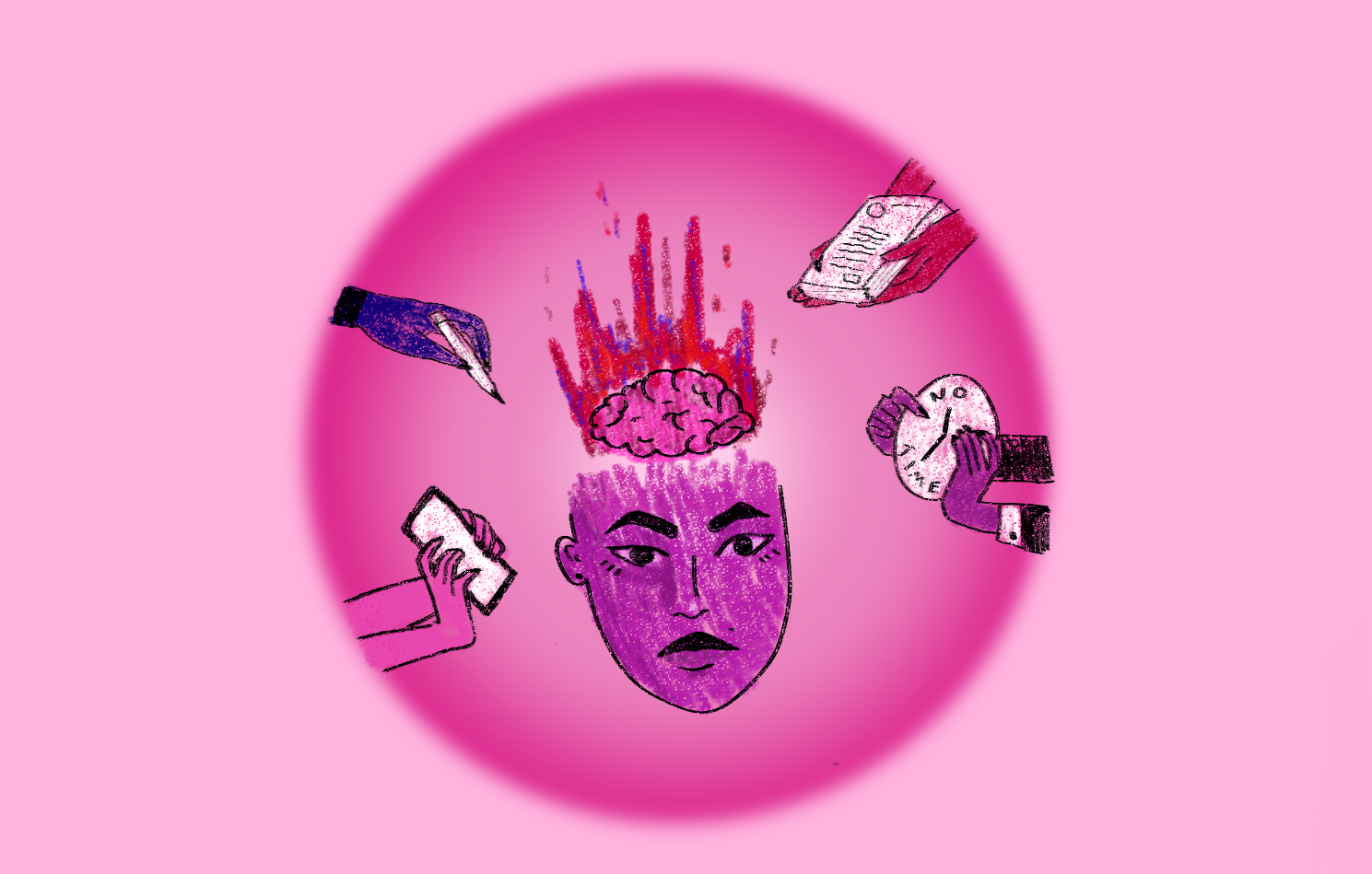
Burnout is not caused solely by stressful work environments or extra responsibilities. It can be experienced by anyone with prolonged levels of chronic stress and pressure causing people to become overwhelmed by work or home demands.
What is creative burnout?
The sensation of having exhausted all of your creativity is known as creative burnout. Similar to academic or workplace burnout 'creative burnout' makes people feel stuck and uninspired, but specifically affects people in creative jobs. Creative burnout may be present if you dread starting work, feel exhausted and anxious all the time or believe you will never be able to produce quality work again.
What causes burnout?
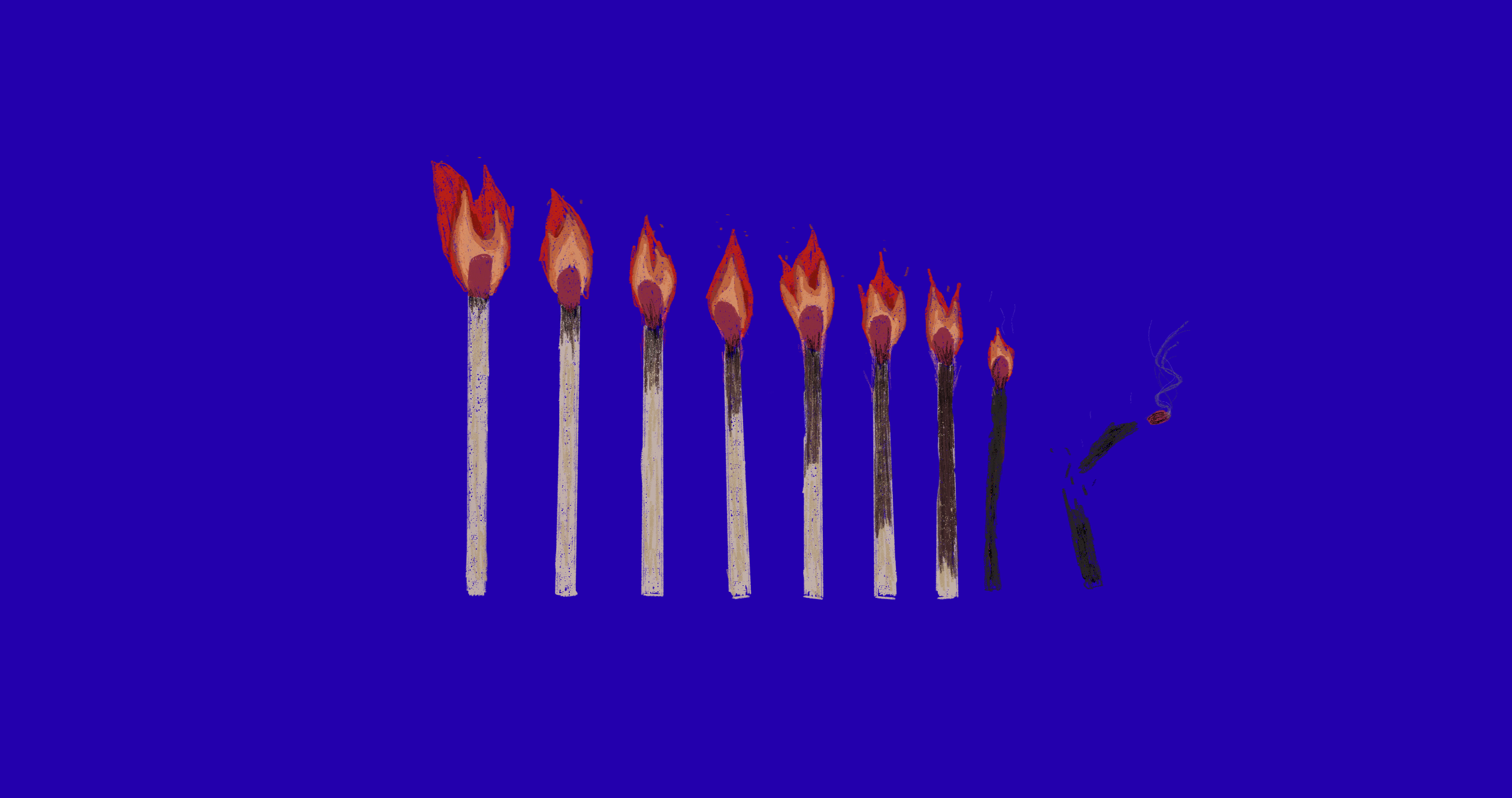
Overwork, an unhealthy work-life balance, unachievable expectations set by peers, frustrating back-and-forths with clients, not enough sleep and monotonous or unchallenging work… The list is extensive and all can be responsible for the state of physical, mental and emotional exhaustion known as burnout. Reflect on what may cause burnout and whether that may be work-related, lifestyle choices or your personality (being a perfectionist or overly controlling). I explore this further in my article:
Are you burnt out?
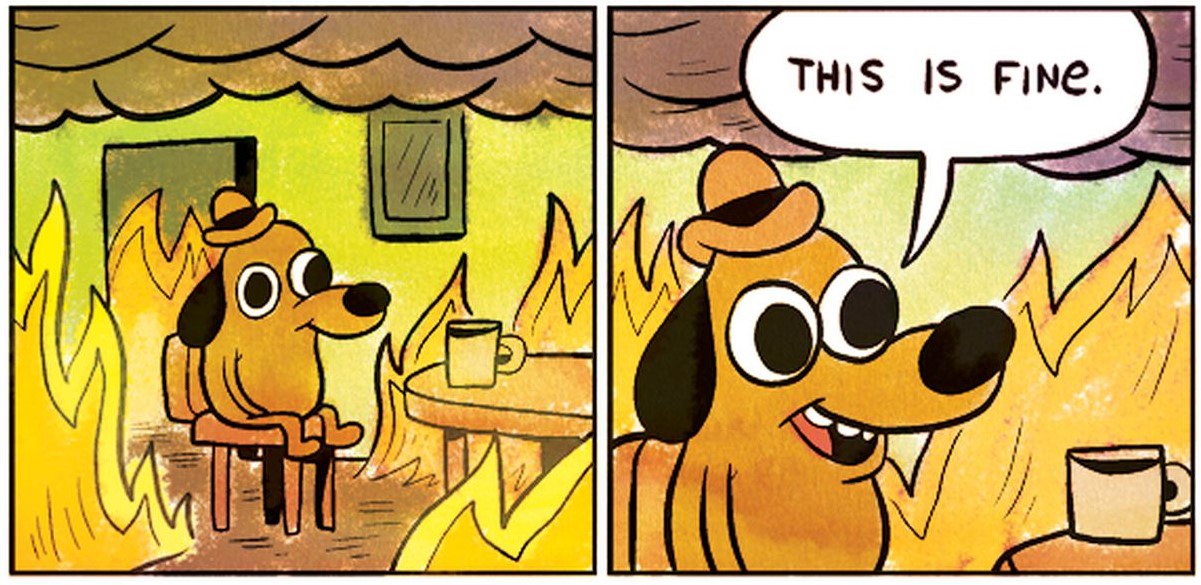
As a creative, you may be familiar with burnout or have experienced it without realising it. It is very common to push away symptoms of burnout because you are so focused on achieving whatever you have set your mind to, realising too late that you've hit a slump. As well as the negative impacts on yourself, it can also affect those around you. Therefore it's crucial to look out for these signs and symptoms in your daily life as it looks different for every person.
Signs and symptoms of burnout may include:
Physical
- Headaches
- Stomachaches/intestinal issues
- Fatigue
- Frequent illness
- Changes in appetite/sleep.
Emotional
- Helplessness
- Cynicism
- Sense of failure or self-doubt
- Decreased satisfaction
- Feeling detached or alone in the world
- Loss of motivation.
Behavioural
- Reduced performance in everyday tasks
- Withdrawal or isolation
- Procrastination
- Outbursts
- Using substances to cope.
What's the best way to prevent burnout?
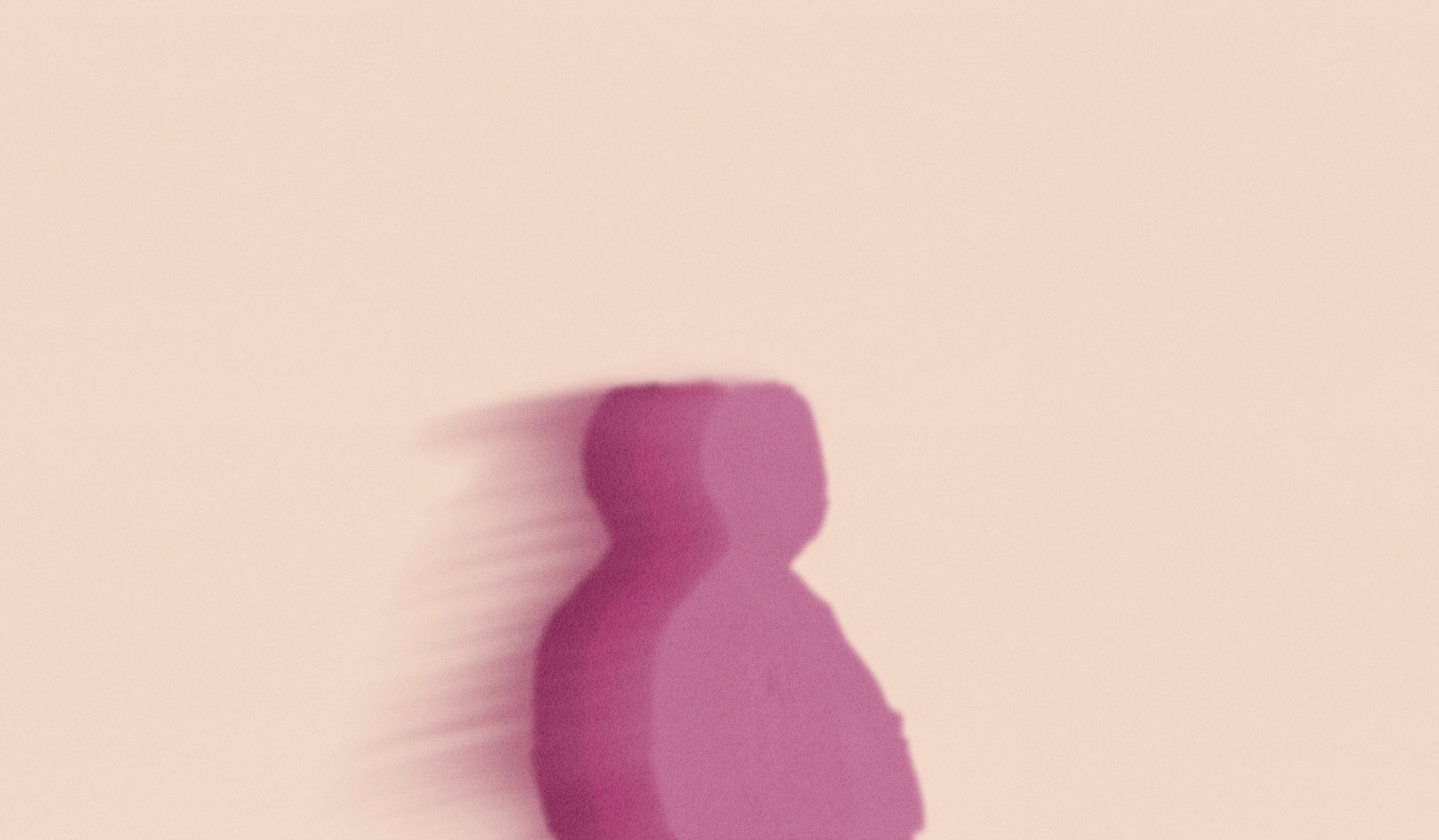
We often refer to our brains as sponges, however, we can't just keep squeezing our brains in an attempt to extract the last drop of creative juices. If you don't make time to let your brain replenish then you'll just have a dried-out sponge. That's burnout.
Your mind needs rest. It needs care and support. It's time to pause and change course by learning how to support your own burnout recovery. Find strategies to reclaim a sense of well-being if you notice some of these warning signals beginning to appear in your life or may already be there.
Take a break
Feeling burnt out comes from an overflow of work and emotions. Thus giving yourself more time and space to digest these solicitations is key to preventing the exhaustion they can cause. It may seem difficult to just stand back but some distance from the source of your stress can help you recenter, recharge and approach potential issues with a fresh perspective.
Turn to other people for support
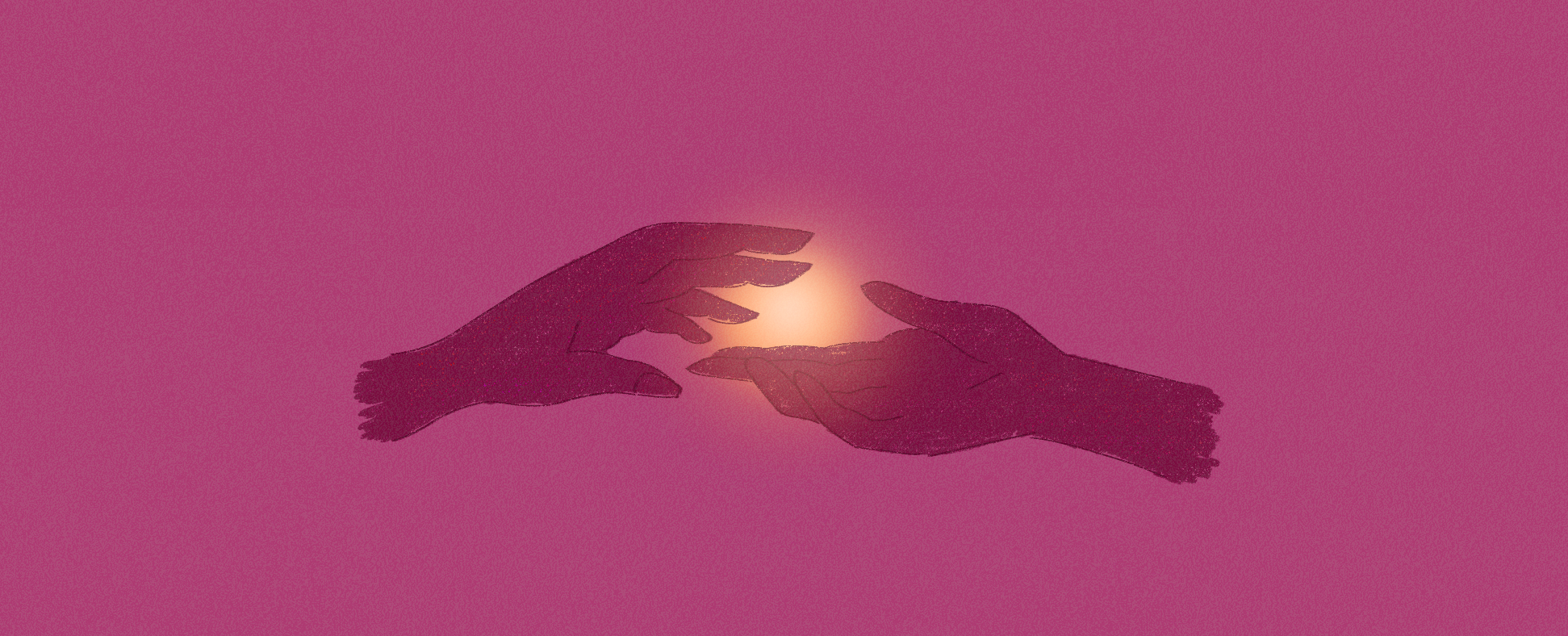
There's no shame in asking for support, more time or information. There's also no shame in saying no from time to time especially when you are beginning to notice the signs of burnout. Trying to solve everything by yourself will only add to your mental load and stress.
Whatever the cause of your stress it is important to set boundaries with yourself or with others. Asking for more time or training from managers if the tasks you are receiving are beyond your skill set or simply saying "no" when you don't have the energy.
Too much on your plate
Multitasking isn't for everyone and taking the first step to developing a positive connection with your work and creativity is realising that you can't do everything. Ask yourself what matters most to you, and focus on that. You will most likely be doing your creative career a favour.
Take control
A creative career needs to be stimulating so don't be afraid to reframe the way you look at work or your home life by finding value, meaning and balance or renourishing your creativity by doing something interesting and different. You ultimately have control of your creative flow, so ride the waves whichever way you want. Take a break from your work to recharge and enjoy other art and get inspired.
Learn from it
In an era that glorifies over-achievement and overwork without showing the mountain of negative side effects. Many may feel guilty, burnt out and like they're never doing enough is normal, but it shouldn't be. It's time to take a step back, rest and produce work that you are actually happy with, without sacrificing your body and soul.
* DISCLAIMER: I am not a healthcare professional please seek out professional help if you need
* All images and illustrations belong to me unless stated otherwise.

About the Creator
K. Ross
I write articles about human experiences with a keen interest in art, psychology and society. I post about once a month.
Enjoyed the story? Support the Creator.
Subscribe for free to receive all their stories in your feed.
Comments
There are no comments for this story
Be the first to respond and start the conversation.