
Why Loneliness Can Lead to Depression
Understanding the Hidden Emotional Connection

Introduction
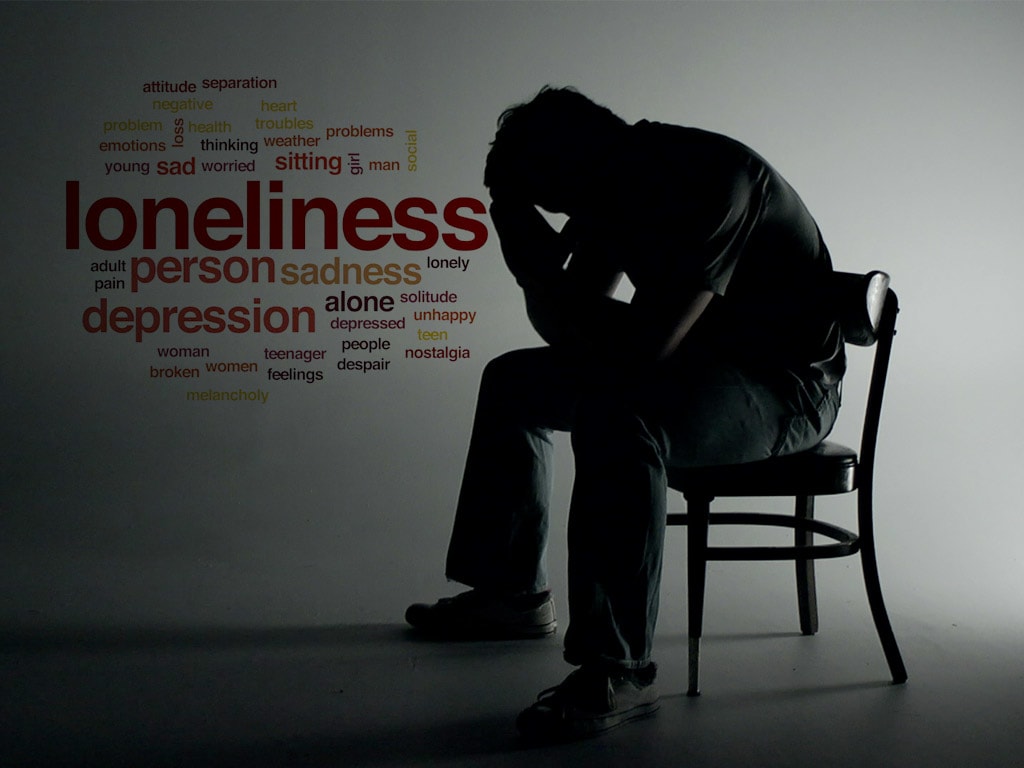
Loneliness has become a growing concern in modern society. Although people are more connected through technology, many still feel emotionally isolated. This feeling often goes beyond temporary sadness. In many cases, prolonged loneliness can gradually develop into depression.
Furthermore, loneliness affects both mental and physical well-being. It changes how people think, feel, and interact with others. As a result, emotional isolation can create a cycle that becomes difficult to break. Understanding this connection is essential for maintaining better mental health.
What Is Loneliness?
Loneliness is the feeling of being disconnected from others. It does not always mean being physically alone. In fact, some people feel lonely even when surrounded by family or friends.
This emotional state occurs when social relationships fail to meet personal expectations. Consequently, individuals may feel misunderstood, unsupported, or disconnected from meaningful interactions.
Moreover, loneliness can affect anyone. Age, background, and lifestyle do not provide complete protection against it.
The Link Between Loneliness and Depression
Loneliness and depression often share a strong relationship. While they are different conditions, one can contribute to the other.
When loneliness continues for a long period, negative emotions begin to grow. Individuals may start believing they are unwanted or unimportant. Over time, these thoughts can damage self-esteem and emotional stability.
As a result, feelings of hopelessness become more common. Eventually, these persistent emotions may lead to depression. Therefore, loneliness should never be dismissed as a minor issue.
How Loneliness Affects Mental Health
- Increased Negative Thinking
Lonely individuals often focus on negative thoughts. They may constantly question their worth or social value.
Furthermore, they might assume others do not care about them. These harmful beliefs can become stronger with time. Consequently, mental health begins to decline.
- Reduced Self-Esteem
Human beings naturally seek connection and belonging. When these needs remain unmet, confidence often suffers.
As loneliness grows, people may feel rejected or overlooked. Therefore, they begin doubting their abilities and personal value. This reduced self-esteem can contribute significantly to depressive symptoms.
- Emotional Exhaustion
Loneliness creates ongoing emotional stress. Constant feelings of isolation drain mental energy and motivation.
In addition, emotional exhaustion makes daily responsibilities feel overwhelming. As a result, people may lose interest in activities they once enjoyed.
The Physical Effects of Loneliness
Loneliness does not affect only the mind. It also impacts the body in several ways.
For example, chronic loneliness can increase stress hormone levels. This response places additional strain on the body. Consequently, individuals may experience fatigue, headaches, or sleep problems.
Poor sleep further worsens emotional health. Therefore, loneliness and depression often reinforce one another through physical and psychological effects.
Why Social Isolation Increases Depression Risk
- Lack of Emotional Support
Supportive relationships help people manage life's challenges. Friends and family often provide encouragement during difficult times.
However, lonely individuals may lack this support system. As a result, problems feel larger and more difficult to handle.
- Fewer Positive Experiences
Meaningful social interactions create positive emotions. They encourage laughter, connection, and shared memories.
Without these experiences, life may begin to feel empty. Consequently, emotional satisfaction decreases, increasing the risk of depression.
- Difficulty Managing Stress
Healthy relationships often reduce stress levels. People feel more secure when they know someone understands them.
In contrast, loneliness leaves individuals facing challenges alone. Therefore, stress becomes harder to manage, leading to greater emotional strain.
Warning Signs That Loneliness Is Becoming Depression
Recognizing early signs can help prevent more serious mental health issues.
Common warning signs include:
- Persistent sadness
- Loss of motivation
- Changes in sleep patterns
- Reduced interest in hobbies
- Feelings of hopelessness
- Difficulty concentrating
- Increased fatigue
- Social withdrawal
If these symptoms continue for weeks, professional support may be beneficial.
Breaking the Cycle of Loneliness
- Build Meaningful Connections
Quality relationships matter more than the number of contacts. Therefore, focus on creating genuine connections with people who offer support and understanding.
- Engage in Social Activities
Joining community groups, clubs, or volunteer programs can increase social interaction. Moreover, these activities create opportunities to meet like-minded individuals.
- Practice Self-Care
Regular exercise, healthy eating, and proper sleep improve emotional resilience. As a result, people feel more capable of managing loneliness.
- Seek Professional Help
Mental health professionals provide valuable guidance and support. Therapy can help individuals challenge negative thoughts and develop healthier coping strategies.
The Importance of Human Connection
Human connection plays a crucial role in emotional well-being. Strong relationships provide comfort, purpose, and belonging.
Furthermore, meaningful interactions help reduce stress and improve self-confidence. Therefore, maintaining healthy social connections remains one of the most effective ways to protect mental health.
Even small acts of connection can make a significant difference. A conversation, supportive message, or shared experience can help reduce feelings of isolation.
Conclusion
Loneliness can have a powerful impact on emotional health. When left unaddressed, it may gradually develop into depression. Negative thinking, emotional exhaustion, and social isolation often contribute to this process.
However, loneliness does not have to become a permanent condition. Building meaningful relationships, engaging with others, and seeking support can break the cycle. By prioritizing human connection, individuals can improve both their mental and emotional well-being while reducing the risk of depression.
About the Creator
Dark Insight
Passionate writer focused on psychology, dark psychology, relationships, and personal development. I uncover the hidden patterns behind human thoughts, emotions, and actions.
Enjoyed the story? Support the Creator.
Subscribe for free to receive all their stories in your feed.
Comments
There are no comments for this story
Be the first to respond and start the conversation.