
The Key to Efficient Fat Loss: Beyond Calories In vs. Calories Out
The Thermionic Effect of Food
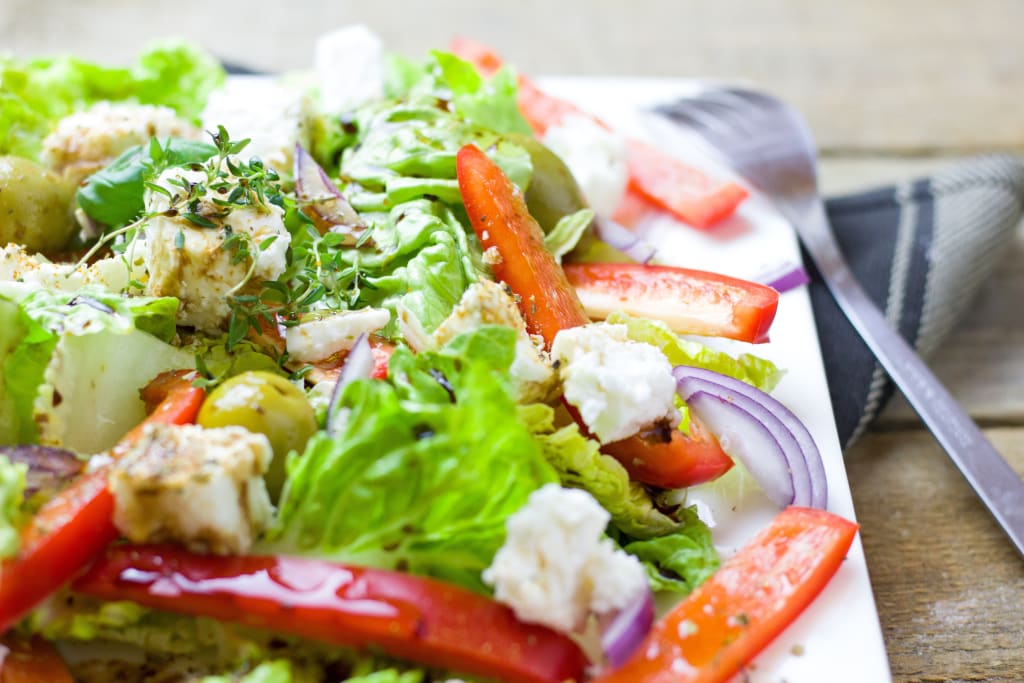
If you've watched any of my past nutrition articles or even attempted a diet of your own, then you're probably aware of the notion that at the end of the day, for weight loss, it's all about calories in versus calories out. As long as you're eating at a calorie deficit and ideally consuming enough protein, you will successfully lose weight and strip off fat, regardless of what and when you eat. While scientifically speaking, this is true and it is the basic law of thermodynamics, this simplistic model fails to account for how the various foods you put into your body actually affect these two variables.
Research has shown that while calories do matter most if you want to efficiently and quickly lose fat, you need to go beyond just calories and pay close attention to the types of foods that make up the calories you ingest every day, as well as how you ingest them. In this article, we will explore three key swaps you can make in your diet that go beyond calories, enabling you to lose fat faster. Additionally, we'll provide you with a sample meal plan that incorporates these swaps, putting everything together for you.
Outline:
1. Introduction
2. The Importance of Minimally Processed Foods
1. The Thermionic Effect of Food
2. Benefits of Unprocessed Foods
3. The Distribution of Meals Throughout the Day
1. Front-Heavy Approach vs. Back-Heavy Approach
2. Benefits of Front-Heavy Distribution
4. The Power of Satiating Foods
1. Understanding the Satiety Index
2. Making Food Choices That Suppress Appetite
5. Sample Meal Plan
1. Breakfast: Highly Satiated Protein Pancakes
2. Lunch: Satisfying Baked Salmon and Boiled Potatoes
3. Snacks: Orange and Protein Shake
4. Dinner: Baked Chicken Breasts and Roasted Veggies
5. Dessert: High-Protein Greek Yogurt Parfait
6. Conclusion
1. Can I still lose weight if I eat processed foods as long as I'm in a calorie deficit?
2. How do I know what portion sizes are suitable for my calorie deficit?
3. Can I modify the sample meal plan to accommodate my dietary preferences?
4. Is intermittent fasting compatible with a front-heavy distribution approach?
5. Should I consult a nutritionist before making these dietary changes?
When it comes to efficient fat loss, one of the key swaps you want to make in your diet is to stick mostly with foods that have been minimally processed. Opt for options like oats and multigrain bread instead of their refined counterparts such as cereal and white bread, which have been stripped of important nutrients and fiber. These less processed foods offer several benefits when it comes to dieting.
The Thermionic Effect of Food
One unique benefit of unprocessed foods is their impact on the thermionic effect of food, which refers to the number of calories our bodies burn to digest and metabolize the foods we eat. Studies have shown that our bodies burn significantly more calories when digesting unprocessed foods compared to processed foods. For example, a study compared the caloric burn required to digest and metabolize minimally processed sandwiches made with whole grain bread and real cheddar cheese to highly processed sandwiches made with white bread and processed cheese. The more processed sandwiches had a 50% lower thermionic effect,.
One unique benefit of unprocessed foods is their impact on the thermionic effect of food, which refers to the number of calories our bodies burn to digest and metabolize the foods we eat. Studies have shown that our bodies burn significantly more calories when digesting unprocessed foods compared to processed foods. For example, a study compared the caloric burn required to digest and metabolize minimally processed sandwiches made with whole grain bread and real cheddar cheese to highly processed sandwiches made with white bread and processed cheese. The more processed sandwiches had a 50% lower thermionic effect, meaning fewer calories were burned during digestion.
By choosing minimally processed foods, you can increase the thermionic effect of your meals, leading to higher overall calorie expenditure. This can potentially contribute to a more efficient fat-loss process.
Benefits of Unprocessed Foods
In addition to the thermionic effect of food, unprocessed foods provide a range of other benefits that can aid in fat loss. They are typically richer in essential nutrients, vitamins, minerals, and dietary fiber compared to their processed counterparts. These nutrients are important for supporting overall health and well-being and can also help control hunger and cravings.
Moreover, unprocessed foods tend to have a lower caloric density, meaning they contain fewer calories per gram compared to processed foods. This allows you to consume larger volumes of food while keeping your calorie intake in check. By filling up on nutrient-dense, unprocessed foods, you can feel satisfied and reduce the likelihood of overeating.
Making a conscious effort to choose whole grains, lean proteins, fruits, vegetables, and healthy fats as the primary components of your meals will not only support your fat loss goals but also enhance your overall nutrition.
The Distribution of Meals Throughout the Day
While the total number of calories you consume in a day is important, the distribution of those calories throughout the day can also impact your fat loss progress. Two common approaches to meal distribution are the front-heavy approach and the back-heavy approach.
Front-Heavy Approach vs. Back-Heavy Approach
The front-heavy approach involves consuming a larger portion of your calories earlier in the day, typically with a more substantial breakfast and lunch. This approach takes advantage of your body's natural circadian rhythm, where metabolic rate and insulin sensitivity tend to be higher earlier in the day. By front-loading your calories, you provide your body with the necessary energy to fuel daily activities and exercise while allowing more time for efficient digestion and utilization.
On the other hand, the back-heavy approach involves consuming a larger portion of your calories later in the day, often with a larger dinner and evening snacks. This approach may be suitable for individuals who prefer smaller meals during the day or have scheduling constraints
Front-Heavy Approach: Benefits and Considerations
The front-heavy approach to meal distribution offers several potential benefits. Firstly, starting your day with a balanced and nutritious breakfast can kickstart your metabolism and provide sustained energy throughout the morning. This can help prevent mid-morning cravings and overeating later in the day.
Furthermore, consuming a larger lunch can provide the energy needed for productivity and focus during the afternoon. By fueling your body adequately during these active hours, you may find it easier to resist unhealthy snacks or overeating during the evening.
It's important to note that while the front-heavy approach can be beneficial for many individuals, it may not be suitable for everyone. Some people naturally have a smaller appetite in the morning or prefer to consume smaller meals throughout the day. It's essential to listen to your body's cues and adjust your meal distribution accordingly.
Back-Heavy Approach: Benefits and Considerations
The back-heavy approach to meal distribution involves consuming a larger portion of your calories later in the day. This approach can be advantageous for individuals who have a preference for bigger dinners or who find it easier to control their hunger during the earlier parts of the day.
By saving a larger portion of your calorie intake for the evening, you can enjoy a satisfying dinner and potentially have more flexibility for social activities or late-night snacks. However, it's crucial to make healthy choices and ensure that your evening meals and snacks are still balanced and nutrient-rich.
It's worth noting that some studies suggest consuming a majority of your calories later in the day may not be as metabolically favorable as the front-heavy approach. This is because our metabolic rate tends to be lower in the evening, and consuming a large meal close to bedtime may lead to less efficient calorie utilization.
Individual Variations and Personalization
While the front-heavy and back-heavy approaches provide general guidelines, it's essential to remember that individual variations exist. Everyone has unique preferences, schedules, and metabolic differences that may influence their ideal meal distribution.
Experimenting with different meal distribution strategies and paying attention to how your body responds can help you find the approach that works best for you. Whether you prefer three balanced meals throughout the day, intermittent fasting, or another eating pattern, the key is to prioritize balanced nutrition and mindful eating.
Conclusion
When it comes to fat loss and optimizing nutrition, focusing on unprocessed foods and considering the distribution of meals throughout the day can be beneficial strategies. Choosing whole, nutrient-dense foods supports the thermionic effect of food and provides essential nutrients for overall health.
Additionally, tailoring your meal distribution to align with your preferences and your body's natural rhythm can optimize energy levels, hunger management, and overall metabolic efficiency. Remember, it's essential to listen to your body, be mindful of portion sizes, and make choices that promote long-term health and well-being.
About the Creator
Enjoyed the story? Support the Creator.
Subscribe for free to receive all their stories in your feed.
Comments
There are no comments for this story
Be the first to respond and start the conversation.